
Why You’ll Love This Dutch Baby
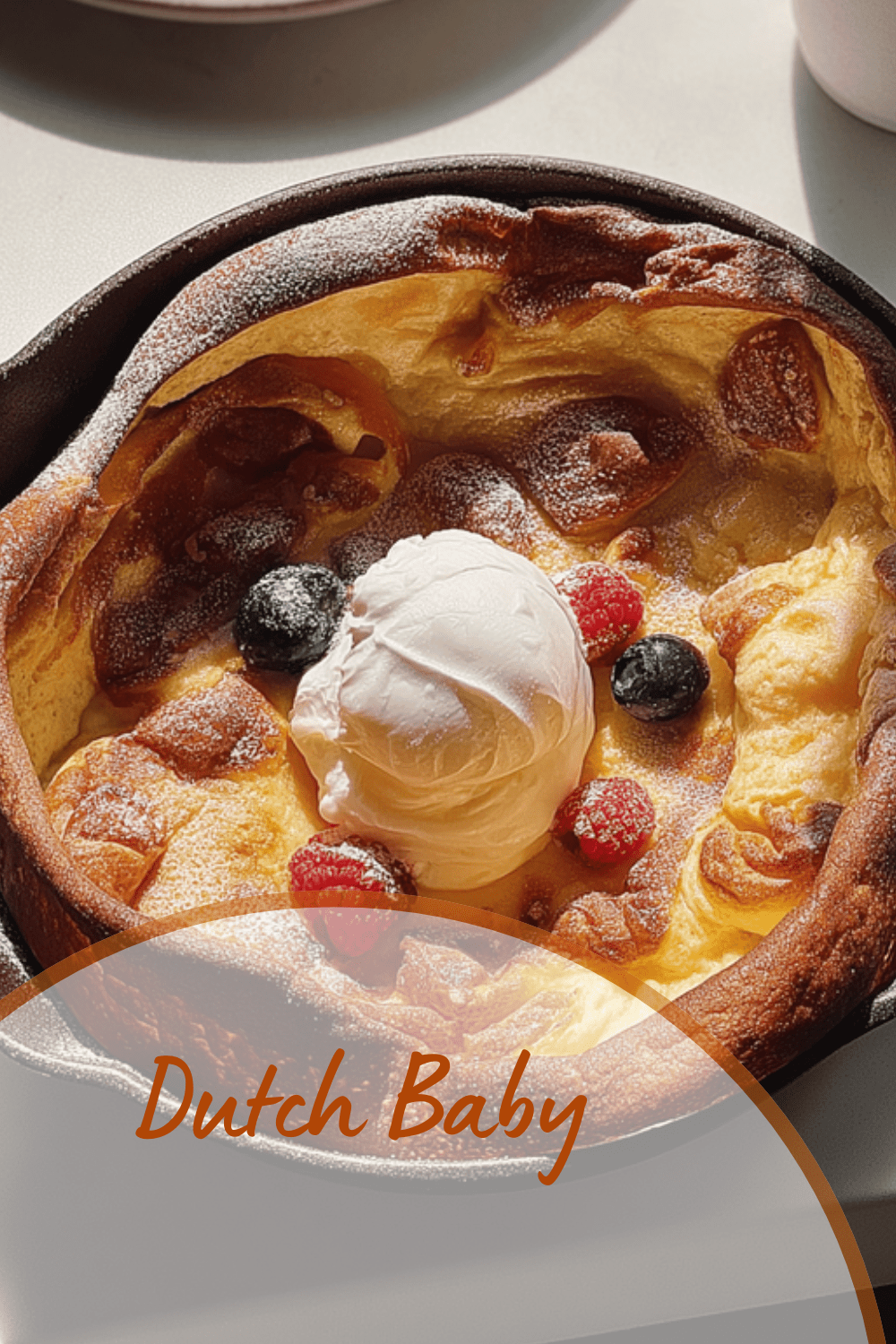
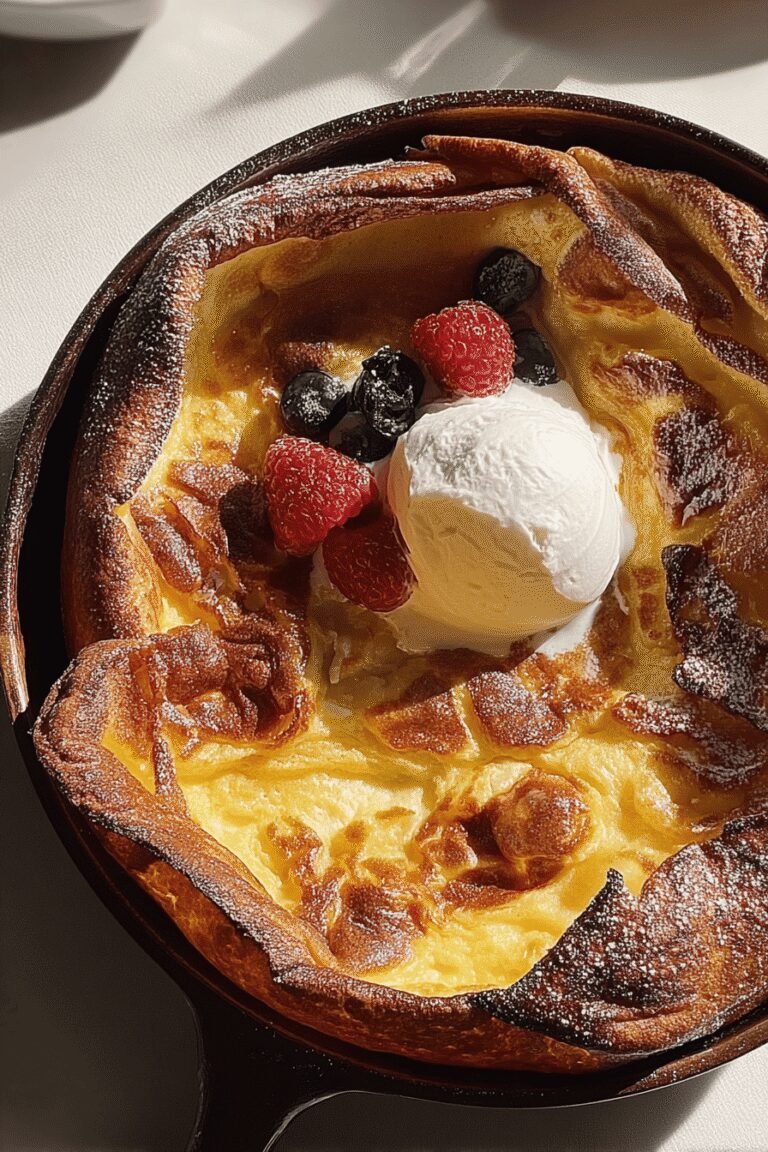
If you’re looking for a breakfast that feels special but doesn’t require culinary school training, this Dutch Baby is about to become your go-to weekend treat. Imagine pulling a golden, puffed pancake from the oven that’s dramatically risen with crisp edges and a tender, custardy center that’s the magic of a Dutch Baby!
What makes this recipe stand out is its incredible simplicity. With just a few basic pantry staples and about 30 minutes from start to finish, you can create an impressive dish that looks like it came from a fancy brunch spot. Whisking the batter takes just a minute, and watching it puff up in the oven feels like magic every single time. It’s the perfect solution for busy mornings when you want something special without spending hours in the kitchen.
Beyond ease, this Dutch Baby provides a nutritious start to your day. Made with fresh eggs that offer quality protein and essential nutrients, plus milk for calcium, it delivers wholesome goodness without being overly heavy. The light batter keeps calories moderate while still satisfying your breakfast cravings.
The Versatility of Dutch Baby Pancakes
One of my favorite aspects of this recipe is its remarkable adaptability. Whether you’re following specific dietary guidelines or just want to switch things up, the Dutch Baby welcomes customization with open arms:
- Swap traditional ingredients to accommodate vegan or gluten-free diets
- Experiment with sweet or savory toppings based on your mood
- Adjust sugar levels to suit your preference
- Transform it from breakfast to dinner with the right additions
And let’s talk about that distinctive flavor the combination of a slightly crispy, buttery exterior with a soft, custard-like interior creates a textural experience that regular pancakes simply can’t match. The subtle vanilla and hint of sweetness make it delightful on its own, while also providing the perfect canvas for your favorite toppings.
I made this Dutch Baby for a Sunday brunch with friends, and everyone was amazed when I pulled it from the oven. It has become our new favorite weekend tradition! Sarah M.
Essential Ingredients for Dutch Baby
The beauty of this Dutch Baby recipe lies in its simplicity you likely already have everything you need in your kitchen. Each ingredient plays a crucial role in creating that perfect texture and flavor combination. Let’s break down what you’ll need:
Main Ingredients
- 3 large eggs at room temperature
- 3/4 cup all-purpose flour
- 3/4 cup whole milk (at room temperature) or nondairy milk
- 1 teaspoon lemon zest (optional: can be substituted with 1/2 teaspoon ground cinnamon)
- 2 tablespoons granulated sugar
- Pinch of salt
- 1/2 teaspoon vanilla extract
- 3 tablespoons unsalted butter
Optional Toppings
- Confectioners’ sugar (for sifting)
- Fresh berries
- Maple syrup
- Smoked salmon
- Herbs
- Sautéed vegetables
- Nuts
- Savory toppings like hollandaise sauce and ham
Special Dietary Options
This Dutch Baby recipe can easily accommodate various dietary needs with simple substitutions:
- Vegan: Use flax eggs (1 tablespoon ground flaxseed + 3 tablespoons water per egg) and plant-based milk (almond, oat) plus vegan butter substitutes
- Gluten-free: Replace all-purpose flour with gluten-free flour blends suitable for baking
- Low-calorie: Use skim milk and reduce butter quantity or substitute with oil spray
| Ingredient | Ideal Temperature | Why It Matters |
|---|---|---|
| Eggs | Room temperature | Helps create a smoother batter and better rise |
| Milk | Room temperature | Prevents temperature shock that can affect texture |
| Cast-iron pan | Very hot | Creates the signature puff and crispy edges immediately |
How to Prepare the Perfect Dutch Baby: Step-by-Step Guide
Now that we’ve gathered our ingredients, let’s walk through the simple process of creating this spectacular breakfast dish. Follow these steps carefully, and you’ll be rewarded with a puffed, golden Dutch Baby that will impress family and friends.
First Step: Preheat Your Oven and Pan
Preheat your oven to 425°F (220°C) and place a 10-inch cast-iron skillet or oven-safe pan inside to heat. The pan needs to be very hot when the batter is added, as this immediate temperature shock is what creates the Dutch Baby’s signature puff. Allow the pan to heat in the oven for at least 10 minutes while you prepare the batter. This step is absolutely crucial for success a hot pan creates that magical rise and crispy edges that make this dish so special.
Second Step: Prepare the Batter
In a mixing bowl, whisk together eggs, milk, flour, sugar, salt, and vanilla extract until the batter is smooth with no lumps. I recommend using an actual whisk rather than a fork to incorporate more air into the mixture, which helps with the rise. For vegan or gluten-free options, substitute ingredients accordingly at this stage. Don’t worry about resting the batter unlike some pancake recipes, Dutch Baby batter works best when used immediately after mixing. That’s one less thing to worry about on busy mornings!
Third Step: Add Butter to the Hot Pan
Once the oven and pan are hot (about 10 minutes), carefully remove the pan using oven mitts it will be extremely hot. Add the butter to the hot pan, swirling to coat the bottom and sides. The butter should sizzle immediately, which is exactly what we want. This step not only prevents sticking but also adds wonderful flavor to the edges of your Dutch Baby. Work quickly but carefully to avoid burning the butter or letting the pan cool down too much.
Fourth Step: Pour the Batter
Pour the batter into the hot, buttered pan and immediately return it to the oven. There’s no need to swirl the pan or spread the batter it will naturally spread on its own. The key here is speed you want to get the pan back in the oven as quickly as possible to maintain that high temperature.
Fifth Step: Bake Without Peeking
Bake for 20-25 minutes without opening the oven door. I know it’s tempting to check on your creation, but resist the urge! Opening the oven releases heat and can cause the Dutch Baby to collapse. The pancake will puff up dramatically around the edges, creating that signature bowl shape. It’s done when the edges are deeply golden brown and puffed, while the center is set but still slightly soft.
Final Step: Serve Immediately
Remove the Dutch Baby from the oven when puffed and golden. Add desired toppings such as fresh fruit, powdered sugar, or syrup. One of my favorite ways to serve it is with a dusting of confectioners’ sugar and a handful of fresh berries. For a savory twist, try topping with smoked salmon and fresh dill. Serve immediately, adapting toppings for dietary needs as preferred. The Dutch Baby will begin to deflate as it cools, which is completely normal that’s part of its charm!
If you’ve ever struggled with getting pancakes just right on a griddle, you’ll appreciate how much easier this method is. The oven does all the work while you prepare toppings or enjoy your morning coffee.

Dietary Substitutions to Customize Your Dutch Baby
One of the wonderful things about Dutch Baby pancakes is how easily they adapt to different dietary needs. Whether you’re hosting friends with various food preferences or simply exploring new eating habits, these substitutions will help you create a Dutch Baby that everyone can enjoy.
Protein and Main Component Alternatives
For vegan diets, substitute eggs with flax eggs (1 tablespoon ground flaxseed + 3 tablespoons water per egg) or commercial egg replacers. These alternatives provide the binding properties needed while keeping the recipe plant-based. For the liquid component, plant-based milks like almond, oat, or soy work beautifully, though each will impart a slightly different flavor profile to your finished Dutch Baby.
Gluten-free adaptations are straightforward with the right flour blend. Look for gluten-free all-purpose baking blends that include xanthan gum or another binder to achieve similar texture and rise. These blends are formulated to mimic the properties of wheat flour, helping your Dutch Baby achieve that perfect puff.
For those watching their calorie intake, several modifications can reduce the calorie count without sacrificing satisfaction. Using skim milk instead of whole milk reduces fat content while maintaining the necessary liquid. Similarly, you can reduce the butter quantity to 1 tablespoon or substitute with a light coating of oil spray. These changes create a lighter version that still delivers the wonderful textural experience of a traditional Dutch Baby.
Vegetable, Sauce, and Seasoning Modifications
The topping possibilities for a Dutch Baby are nearly endless, making it easy to customize for different preferences and nutritional needs. Here are some creative ways to adapt your Dutch Baby:
- Sweet variations: Top with seasonal fruits, Greek yogurt, a drizzle of honey, or a sprinkle of cinnamon sugar
- Savory options: Sautéed vegetables, fresh herbs, cheese, or even a dollop of pesto transform this breakfast into a lunch or dinner dish
- Sauce alternatives: Consider fruit compotes, chocolate sauce, nut butters, or savory gravies depending on your flavor preference
- Seasoning twists: Add spices like cinnamon, nutmeg, or cardamom to the batter, or incorporate citrus zest for brightness
For those with lactose intolerance, dairy-free toppings work wonderfully. Coconut whipped cream, dairy-free yogurt, or nut-based sauces provide creamy alternatives without the discomfort. These substitutions ensure everyone can enjoy this delightful dish regardless of dietary restrictions.
| Dietary Preference | Ingredient Substitutions | Recommended Toppings |
|---|---|---|
| Vegan | Flax eggs, plant-based milk, vegan butter | Fresh berries, coconut yogurt, maple syrup |
| Gluten-free | 1-to-1 gluten-free flour blend | Fresh fruit, whipped cream, honey |
| Low-calorie | Skim milk, reduced butter | Fresh berries, light dusting of powdered sugar |
| Low-sugar | Reduce or omit sugar, add vanilla | Sautéed vegetables, herbs, smoked salmon |
Mastering Dutch Baby: Advanced Tips and Variations
Once you’ve mastered the basic Dutch Baby recipe, you might be ready to elevate your game. These advanced techniques and creative variations will help you perfect your results and expand your Dutch Baby repertoire for any occasion.
Pro Cooking Techniques
The secret to an exceptional Dutch Baby lies in a few key techniques that make all the difference. For an extra crispy crust, ensure your pan is thoroughly preheated before adding the butter and batter. A good rule of thumb is to let the pan heat in the oven for at least 15 minutes I usually put it in as soon as I turn the oven on. This intense heat is what creates both the dramatic puff and the deliciously crisp edges.
Next, pay attention to your batter consistency. It should be the thickness of heavy cream thin enough to spread easily but substantial enough to support the rise. If your batter seems too thick, add milk one tablespoon at a time; if too thin, add a small amount of flour. The batter should also be smooth and well-aerated, so take your time whisking until you don’t see any lumps.
Perhaps the most crucial technique is resisting the temptation to open the oven during baking. Every time the oven door opens, the temperature drops, which can cause your beautiful puff to collapse. Trust the process and let it bake undisturbed. The edges will tell you when it’s done they should be deeply golden and puffed, while the center should be set but still slightly soft.
The secret to a sky-high Dutch Baby is a screaming hot pan and enough steam to create the dramatic puff. Think of it like baking a Yorkshire pudding the same principles apply! Chef Michael R.
Flavor Variations
Once you’re comfortable with the basic recipe, the flavor possibilities are endless. For vibrant, zesty notes, try adding citrus zest to your batter. Lemon zest pairs beautifully with fresh berries, while orange zest complements apples and cinnamon perfectly. For warm spices, consider adding cinnamon, nutmeg, or cardamom directly to the batter about 1/2 teaspoon of any of these will infuse your Dutch Baby with their aromatic flavors.
savory Dutch Babies make a fantastic lunch or dinner option. To create one, simply reduce the sugar to 1 tablespoon (or omit it entirely) and add herbs like thyme, rosemary, or chives to the batter. Top with ingredients like sautéed mushrooms, caramelized onions, cheese, or even smoked salmon. These variations showcase the versatility of this dish beyond typical breakfast fare.
For chocolate lovers, a cocoa Dutch Baby is an indulgent treat. Replace 2 tablespoons of flour with unsweetened cocoa powder and keep the sugar amount the same. Top with powdered sugar and fresh raspberries for a sophisticated dessert-like breakfast that’s perfect for special occasions.
Presentation Tips
A Dutch Baby is dramatic enough on its own, but a few presentation touches can take it to the next level. For elegant brunches, consider garnishing with edible flowers alongside fresh berries. The contrast between the golden pancake and colorful toppings creates visual appeal that will wow your guests.
Serving technique matters too. For the best presentation, bring the Dutch Baby directly from oven to table in the cast-iron skillet it retains heat longer and makes for an impressive focal point. Slice into wedges at the table, allowing guests to add their preferred toppings. Keep toppings in separate decorative bowls to create a beautiful, interactive serving experience.
For added crunch and texture contrast, consider incorporating chopped nuts like toasted almonds or pecans either sprinkled on top before serving or mixed into the batter itself. The combination of the soft, custardy interior and crispy nutty topping creates an unforgettable textural experience.
How to Store Dutch Baby: Best Practices
While Dutch Baby pancakes are definitely best enjoyed fresh from the oven when they’re at their puffiest, sometimes you’ll have leftovers or want to make them ahead. Follow these storage guidelines to maintain the best possible texture and flavor for later enjoyment.
Refrigeration
To store your Dutch Baby in the refrigerator, first allow it to cool completely to room temperature. This prevents condensation from forming inside your storage container, which would make the pancake soggy. Once cooled, wrap the Dutch Baby tightly in plastic wrap or place it in an airtight container. It will keep well in the refrigerator for up to 2 days. While it won’t maintain its dramatic puff when refrigerated, it will still taste delicious when properly reheated.
Freezing
For longer storage, freezing is an excellent option. Cut the Dutch Baby into wedges before freezing, as this makes it easier to thaw only what you need. Wrap each portion individually in aluminum foil, then place the wrapped pieces in a freezer-safe bag or container. Properly stored, your Dutch Baby will maintain good quality for up to 1 month in the freezer. This is perfect for meal prep make a batch on the weekend and have quick breakfasts ready for busy weekday mornings.
Reheating
The method you use to reheat your Dutch Baby makes a significant difference in the final texture. For best results, reheat in a preheated oven at 350°F (175°C) for 5-10 minutes. Place the Dutch Baby directly on the oven rack or on a baking sheet to help restore some of the crispness to the edges. Avoid using the microwave if possible, as it tends to make the pancake rubbery and soggy rather than crisp.
If you’re reheating frozen pieces, there’s no need to thaw them first just add a few extra minutes to the reheating time. You’ll know it’s ready when it’s heated through and the edges have crisped up again.
Meal Prep Considerations
Dutch Babies can be part of an efficient meal prep routine. If you enjoy them regularly during the week, consider cooking in batches over the weekend and storing them properly. The key to maintaining the best quality is to minimize the time between baking and storage the fresher the Dutch Baby when stored, the better it will reheat. Prepare your toppings in advance as well, storing them in separate containers for quick assembly when you’re ready to eat.
Meal prepping Dutch Babies has transformed my mornings! I make a batch on Sunday, freeze portions, and have a special breakfast ready in minutes during the week. Jennifer T.
FAQs: Frequently Asked Questions About Dutch Baby
What is a Dutch Baby and how is it different from a regular pancake?
Can I prepare Dutch Baby batter ahead of time?
What type of pan should I use for baking a Dutch Baby?
How do I prevent my Dutch Baby from deflating quickly after baking?
Is a Dutch Baby suitable for gluten-free diets?
Dutch Baby
🥞 Dutch Baby Pancake is a quick and fluffy breakfast treat that offers a light texture and versatile flavor, perfect for both sweet and savory toppings.
🍋 The addition of lemon zest or cinnamon brings a bright or warm aroma, making it an inviting start to your day.
- Total Time: 25 minutes
- Yield: 4 servings 1x
Ingredients
3 large eggs at room temperature
3/4 cup all-purpose flour
3/4 cup whole milk (at room temperature) or nondairy milk
1 teaspoon lemon zest (optional: can be substituted with 1/2 teaspoon ground cinnamon)
2 tablespoons granulated sugar
Pinch of salt
1/2 teaspoon vanilla extract
3 tablespoons unsalted butter
Confectioners’ sugar for sifting
Fresh berries
Maple syrup
Smoked salmon
Herbs
Sautéed vegetables
Nuts
Savory toppings like hollandaise sauce and ham
flax eggs (1 tablespoon ground flaxseed + 3 tablespoons water per egg) for vegan substitution
plant-based milk (almond, oat) for vegan substitution
vegan butter substitutes
gluten-free flour blends suitable for baking
skim milk for low-calorie substitution
oil spray for low-calorie substitution
Eggs at room temperature
Milk at room temperature
Instructions
1-First Step: Preheat Your Oven and Pan Preheat your oven to 425°F (220°C) and place a 10-inch cast-iron skillet or oven-safe pan inside to heat. The pan needs to be very hot when the batter is added, as this immediate temperature shock is what creates the Dutch Baby’s signature puff. Allow the pan to heat in the oven for at least 10 minutes while you prepare the batter. This step is absolutely crucial for success a hot pan creates that magical rise and crispy edges that make this dish so special.
2-Second Step: Prepare the Batter In a mixing bowl, whisk together eggs, milk, flour, sugar, salt, and vanilla extract until the batter is smooth with no lumps. I recommend using an actual whisk rather than a fork to incorporate more air into the mixture, which helps with the rise. For vegan or gluten-free options, substitute ingredients accordingly at this stage. Don’t worry about resting the batter unlike some pancake recipes, Dutch Baby batter works best when used immediately after mixing. That’s one less thing to worry about on busy mornings!
3-Third Step: Add Butter to the Hot Pan Once the oven and pan are hot (about 10 minutes), carefully remove the pan using oven mitts it will be extremely hot. Add the butter to the hot pan, swirling to coat the bottom and sides. The butter should sizzle immediately, which is exactly what we want. This step not only prevents sticking but also adds wonderful flavor to the edges of your Dutch Baby. Work quickly but carefully to avoid burning the butter or letting the pan cool down too much.
4-Fourth Step: Pour the Batter Pour the batter into the hot, buttered pan and immediately return it to the oven. There’s no need to swirl the pan or spread the batter it will naturally spread on its own. The key here is speed you want to get the pan back in the oven as quickly as possible to maintain that high temperature.
5-Fifth Step: Bake Without Peeking Bake for 20-25 minutes without opening the oven door. I know it’s tempting to check on your creation, but resist the urge! Opening the oven releases heat and can cause the Dutch Baby to collapse. The pancake will puff up dramatically around the edges, creating that signature bowl shape. It’s done when the edges are deeply golden brown and puffed, while the center is set but still slightly soft.
6-Final Step: Serve Immediately Remove the Dutch Baby from the oven when puffed and golden. Add desired toppings such as fresh fruit, powdered sugar, or syrup. One of my favorite ways to serve it is with a dusting of confectioners’ sugar and a handful of fresh berries. For a savory twist, try topping with smoked salmon and fresh dill. Serve immediately, adapting toppings for dietary needs as preferred. The Dutch Baby will begin to deflate as it cools, which is completely normal that’s part of its charm!
Last Step:
Please leave a rating and comment letting us know how you liked this recipe! This helps our business to thrive and continue providing free, high-quality recipes for you.Notes
🔥 Use a well-heated cast-iron skillet for the best puff and crispy edges.
🍋 Lemon zest adds a fresh aroma but cinnamon works well for a warm flavor variation.
⏰ Serve immediately after baking to enjoy the pancake at its fluffiest before it deflates.
- Prep Time: 5 minutes
- undefined: undefined
- Cook Time: 15-20 minutes
- Category: Breakfast
- Method: Baking
- Cuisine: American
- Diet: Vegetarian
Nutrition
- Serving Size: 1/4 of the pancake
- Calories: 280 kcal
- Sugar: 8 g
- Sodium: 200 mg
- Fat: 15 g
- Saturated Fat: 9 g
- Unsaturated Fat: 4 g
- Trans Fat: 0 g
- Carbohydrates: 25 g
- Fiber: 1 g
- Protein: 9 g
- Cholesterol: 210 mg