
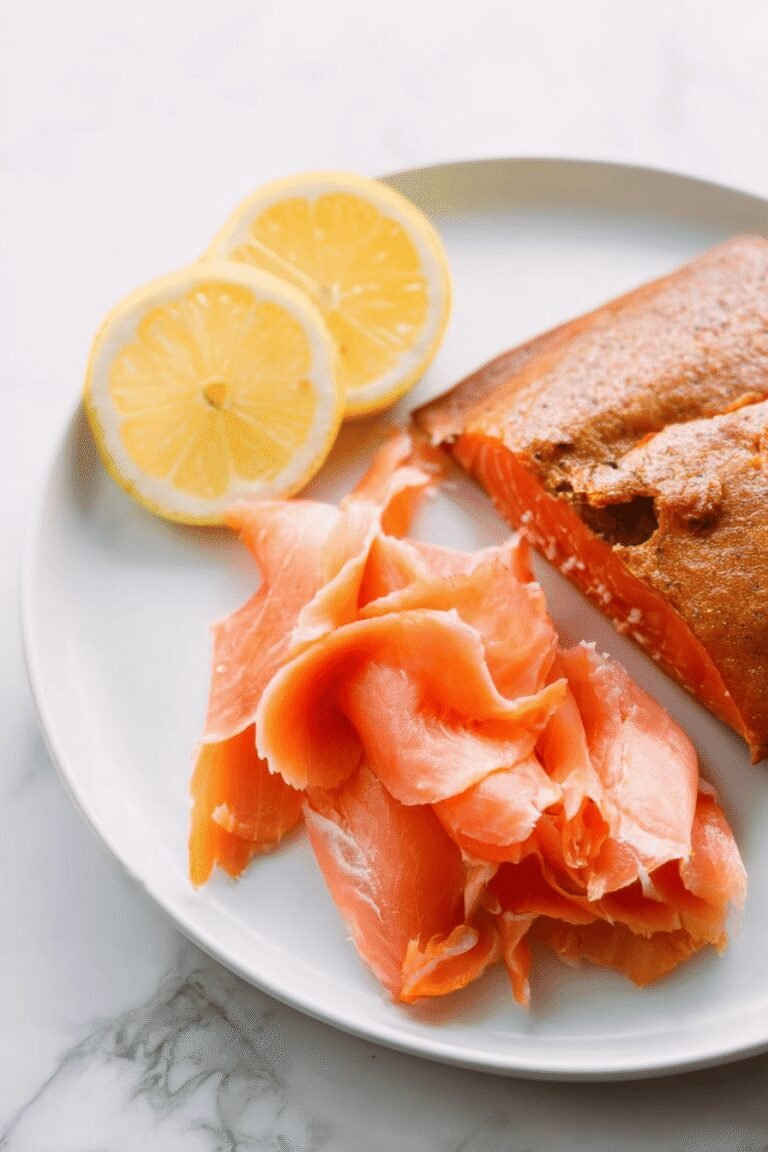
Why You’ll Love This Smoked Salmon
Imagine pulling a perfectly smoked salmon from your smoker, with its rich, smoky flavor that can turn any meal into a highlight. This smoked salmon recipe stands out for its simplicity, making it a go-to for anyone from busy parents juggling family dinners to food enthusiasts experimenting at home. Besides being easy to whip up, it packs a punch of nutrients that can support your daily routine.
One big plus is the health boost it offers think omega-3 fatty acids and lean protein that help keep your heart strong and your brain sharp. Whether you’re a student looking for quick meals or a diet-conscious individual, this dish fits right in and can even adapt to various lifestyles. The result is a versatile treat that brings a unique twist to your table, ideal for everything from casual weeknights to special get-togethers with friends.
It’s also incredibly flexible, letting you tweak it for different needs like gluten-free options or low-calorie tweaks while keeping that delicious taste. If you enjoy cooking with fresh ingredients, this recipe highlights how smoked salmon can elevate your everyday eating in a fun, approachable way. Trust me, once you try it, you’ll see why it’s a favorite for so many home cooks.
Health Benefits and Ease for Everyday Life
This recipe uses 5 pounds of salmon, which provides high-quality protein and essential vitamins as seen in the nutritional info per 113g serving: 132 calories, 21.3g protein, and 4.9g fat. For busy professionals or seniors, the prep takes just 15 minutes plus curing and smoking time, making it simple to fit into a packed schedule. The combination of flavors from the brine featuring 1/3 cup kosher salt and 1 cup brown sugar creates a balance that’s both tasty and nourishing.
From travelers seeking portable snacks to newlyweds hosting dinners, this smoked salmon brings joy without much fuss. It’s packed with potassium at 198.7mg per serving, aiding overall wellness, and you can store it for up to 10 days refrigerated or even freeze it for a year. This makes it perfect for meal prep, adding a layer of convenience to your life.
Essential Ingredients for Smoked Salmon
Gathering the right ingredients is key to nailing this smoked salmon recipe. Below, you’ll find a clear list that covers everything needed, pulled straight from the details. I’ve formatted it as a structured list to make it easy to follow, with exact measurements for each item.
- 5 pounds salmon, trout, or char
- Birch or maple syrup for basting (amount as needed)
- 1 quart cool water (for the brine)
- 1/3 cup kosher salt (about 2 ounces, for the brine)
- 1 cup brown sugar (for the brine)
This setup focuses on fresh, quality items that deliver great results. For those watching their diet, options like using honey instead of birch syrup can add a sweet touch without extra hassle. Make sure to use kosher salt for the best flavor, as it avoids any off tastes that regular salt might bring.
Special Dietary Options
If you’re adapting for different needs, consider these tweaks: for vegan versions, swap in smoked carrot strips or tofu; for gluten-free, double-check your syrup and other add-ins; and for low-calorie, cut back on sugar while keeping the salt in check. These adjustments keep the recipe fun and accessible for everyone, from baking enthusiasts to party hosts.
To tie this back to smoked salmon, remember that the core ingredients like the 5 pounds of fish and the brine mixture ensure a flavorful outcome. For more ideas on refreshing pairings, check out our guide to easy drink recipes that complement smoked dishes perfectly.
How to Prepare the Perfect Smoked Salmon: Step-by-Step Guide
Getting smoked salmon just right starts with a few simple steps that anyone can follow, even if you’re new to smoking. First, mix the brine by combining 1 quart cool water, 1/3 cup kosher salt, and 1 cup brown sugar in a non-reactive container stir until everything dissolves. Place your 5 pounds of salmon, trout, or char in this brine, cover it, and refrigerate for at least 4 hours for thin fillets or 8 to 36 hours for thicker ones, but don’t go over 48 hours.
After curing, take the fish out, rinse it with cold water, and pat it dry to remove any excess. Next, lay the fillets skin side down on a cooling rack in a cool spot around 60°F or lower for 2 to 4 hours or overnight to form a pellicle, that shiny layer that helps the smoke stick. Lightly oil the skin to keep it from sticking to the smoker rack, then fire up your smoker.
Start smoking at 140-150°F for about 1 hour, then bump it up to 175°F for another 1 to 2 hours. Use a drip pan with water to keep the temperature steady, and add ice if things get too warm. Baste the fish every hour with birch or maple syrup to cut down on albumin buildup, and keep going until the internal temp hits 130-140°F. Once done, let it rest on a rack for 1 hour before chilling; this locks in flavors and makes it ready for storage.
Adjusting for Dietary Needs and Total Time
The whole process, including prep at 15 minutes, curing from 4 to 36 hours, and about 4 hours of smoking, totals around 4 hours 15 minutes plus curing perfect for working professionals. For variations, keep an eye on the heat to avoid that white protein issue, and feel free to add flavors like bay leaves or garlic to the cure. If you’re aiming for a low-sodium version, rinse more thoroughly before smoking; it’s a small change that makes a big difference.
| Step | Key Action | Tips |
|---|---|---|
| 1-2 | Prepare and brine the fish | Use fresh water and check salt levels |
| 3-4 | Cure and dry the fillets | Ensure a cool, airy spot for pellicle |
| 5-6 | Smoke and baste | Monitor temperature closely |

Dietary Substitutions to Customize Your Smoked Salmon
Smoked salmon is all about making it your own, so swapping ingredients can add a personal touch. If you’re avoiding fish, try smoked trout or char as direct swaps for the 5 pounds of salmon in this recipe. For vegetarians, options like smoked tempeh or seitan work well, while poultry lovers might go for lightly smoked turkey breast to keep things interesting.
On the flavor side, add fresh veggies such as cucumber or avocado slices, or switch dairy elements like cream cheese for vegan alternatives. You could also play with seasonings dill and lemon zest brighten things up, or use smoked paprika instead of black pepper for a milder kick. These changes let you tailor the dish for events or daily meals, fitting diets from ketogenic to plant-based.
- Protein swaps: Smoked trout for variety or tempeh for vegans
- Seasoning tweaks: Lemon zest for freshness or chili flakes for spice
- Accompaniments: Asparagus in spring or radishes for crunch
Mastering Smoked Salmon: Advanced Tips and Variations
Once you’re comfortable with the basics, dive into some pro moves to take your smoked salmon to the next level. Cold smoking at low temps keeps the fish moist and adds deep flavor without cooking it fully try wood chips like alder for a mild taste. For twists, mix in maple syrup or honey with your brine to sweeten things up, or toss in chili flakes for a bit of heat.
Presentation matters too; serve your smoked salmon on a simple board with lemon wedges and herbs to make it look inviting for guests. If you’re prepping ahead, cure the fish a day or two in advance and seal it up for freshness, which is great for busy parents or party hosts. Remember, forming that pellicle is key, as it helps the smoke cling better and boosts the overall taste.
When you control the smoker temperature carefully, starting at 140°F, you avoid that unwanted white protein and get a cleaner finish it’s one of those tricks that makes all the difference in your homemade dishes.
How to Store Smoked Salmon: Best Practices
Proper storage keeps your smoked salmon fresh and safe to enjoy later. Keep it in the fridge at 0-4°C in an airtight container, and aim to eat it within 3-5 days for the best quality. For longer hold, wrap it tightly and freeze at -18°C, where it can last up to 2 months or up to a year as per the recipe details.
When reheating, go low and slow to preserve the texture, or just serve it cold in salads. For meal prep, portion it out before freezing so you can grab what you need without thawing everything. This recipe’s storage tips, like wrapping in plastic for up to 10 days, make it easy for everyday use.

FAQs: Frequently Asked Questions About Smoked Salmon
What is the difference between hot smoked and cold smoked salmon?
How long should salmon be brined before smoking for best flavor and texture?
Which types of wood are best for smoking salmon, and how do they affect the flavor?
How can I prevent white albumin from forming on the surface of smoked salmon?
How should smoked salmon be stored to maintain freshness and safety?
Smoked Salmon
🔥 Discover the rich, smoky flavor of homemade smoked salmon that elevates any meal with its delicate taste.
🐟 This recipe guides you through curing and smoking for perfectly tender, flavorful salmon every time.
- Total Time: 4 hours 15 minutes plus curing time
Ingredients
– 5 pounds salmon, trout, or char
– Birch or maple syrup for basting (amount as needed)
– 1 quart cool water for the brine
– 1/3 cup kosher salt (about 2 ounces) for the brine
– 1 cup brown sugar for the brine
Instructions
1-First, mix the brine by combining 1 quart cool water, 1/3 cup kosher salt, and 1 cup brown sugar in a non-reactive container stir until everything dissolves.
2-Place your 5 pounds of salmon, trout, or char in this brine, cover it, and refrigerate for at least 4 hours for thin fillets or 8 to 36 hours for thicker ones, but don’t go over 48 hours.
3-After curing, take the fish out, rinse it with cold water, and pat it dry to remove any excess.
4-Next, lay the fillets skin side down on a cooling rack in a cool spot around 60°F or lower for 2 to 4 hours or overnight to form a pellicle, that shiny layer that helps the smoke stick.
5-Lightly oil the skin to keep it from sticking to the smoker rack, then fire up your smoker.
6-Start smoking at 140-150°F for about 1 hour, then bump it up to 175°F for another 1 to 2 hours.
7-Use a drip pan with water to keep the temperature steady, and add ice if things get too warm.
8-Baste the fish every hour with birch or maple syrup to cut down on albumin buildup, and keep going until the internal temp hits 130-140°F.
9-Once done, let it rest on a rack for 1 hour before chilling; this locks in flavors and makes it ready for storage.
Last Step:
Please leave a rating and comment letting us know how you liked this recipe! This helps our business to thrive and continue providing free, high-quality recipes for you.Notes
🧂 Use kosher salt instead of table salt to avoid off-flavors.
🍯 Basting with birch or maple syrup adds sweetness and reduces albumin “bleed”.
🌡️ Maintain low, steady smoker temperatures with water or ice in drip pan to avoid overheating.
- Prep Time: 15 minutes
- Cure Time: 4 to 36 hours
- Cook Time: 4 hours
- Category: Seafood, Smoking
- Method: Brining, Smoking
- Cuisine: Various
Nutrition
- Serving Size: 113g
- Calories: 132
- Fat: 4.9 g
- Saturated Fat: 1.1 g
- Protein: 21.3 g
- Cholesterol: 26.7 mg