

Why You’ll Love This Kitchen Tools
Kitchen tools make everyday cooking fun and straightforward, especially for home cooks juggling busy schedules. They simplify your routine with designs that let you whip up meals quickly, turning chaotic kitchens into smooth operations. Plus, these tools help you focus on healthy habits by making it easy to measure and mix ingredients just right.
One big plus is how they support a variety of diets, from vegan to gluten-free, so everyone in your family can enjoy what you make. Imagine tools that blend style and smarts, built tough to handle daily use without wearing out from grease and grime. These options come in sets of 3, 6, or 11 pieces, or as single items like spatulas, turners, ladles, shears, fish spatulas, utility spoons, slotted spoons, spoonulas, bench scrapers, zesters, and tongs, each with three color choices to match your kitchen vibe.
Priced from about $25 for a single tool up to around $215 for the full set, with discounts popping up now and then, they fit most budgets while boosting your cooking game. You’ll appreciate how they handle tasks like prepping, stirring, mixing, straining, zesting, scooping, scraping, snipping, flipping, pouring, plating, and serving, all inspired by pro chef tricks. Sign up for savings and get care tips plus shipping info to keep things running smoothly. To learn about refreshing recipes that pair well with these tools, such as a simple Brazilian lemonade recipe for your next gathering, check out our site.
Ease of Preparation
These kitchen tools cut down prep time with their smart setup, letting you dive into cooking without fuss. Their intuitive design means less guesswork and more fun, perfect for busy parents or students. You’ll find yourself making meals faster than ever.
Health Benefits
By offering precise control, these tools help keep nutrients intact and cut back on extra fats. This makes it simpler to stick to diets for health-conscious folks or those watching calories. It’s all about enjoying food that feels good and tastes great.
Versatility
Adaptable for vegan, gluten-free, or low-calorie needs, these tools work for all kinds of recipes. From mixing salads to stirring soups, they handle it all with ease. This flexibility makes them a must-have for food enthusiasts and party hosts alike.
Distinctive Flavor
Great heat distribution and mixing ensure flavors shine through in every dish. These tools help you create meals that wow your family or friends. It’s like having a secret ingredient built right in.
Essential Ingredients for Kitchen Tools
When building your kitchen setup, think of these as the core pieces that make everything tick. They cover what you need for safe and effective cooking, from sturdy materials to handy features. Below is a structured list of the key components, formatted clearly for easy reference:
- Stainless steel blades: Durable and efficient for chopping a wide range of ingredients.
- Non-slip handles: Provide safety and comfort during use.
- Adjustable settings: Allow customization for different cutting needs.
- Cleaning brush included: Ensures easy maintenance and hygiene.
For special dietary options, these tools adapt seamlessly:
- Vegan: Tools are compatible with all plant-based ingredient preparations.
- Gluten-free: Suitable for handling gluten-free flours and grains.
- Low-calorie: Perfect for preparing ingredients that contribute to light and healthy meals.
These elements tie back to the sets and individual items available, like spatulas or zesters, which enhance tasks such as stirring or zesting. With prices starting at $25, you can pick what fits your needs while enjoying their professional-grade build that resists grease.
How to Prepare the Perfect Kitchen Tools: Step-by-Step Guide
Getting your kitchen tools ready is the first step to hassle-free cooking. Start by unboxing and checking everything to make sure it’s all there and clean. This sets you up for success right from the start.
Next, get to know each tool’s job, tweaking settings based on your recipe. Then, prep your ingredients by washing or measuring them out. Use the tools to chop, slice, or mix, keeping an eye on timing for the best results.
Adjust for dietary tweaks, like gentle handling for vegan items. Finally, clean up right away and store them properly. These tools, with their sets of 3, 6, or 11 pieces, make this process smoother, covering everything from prepping to serving.
- First Step: Unbox and inspect the kitchen tools, ensuring all components are present and clean before first use.
- Second Step: Familiarize yourself with each tool’s function, adjusting settings according to the recipe requirements.
- Third Step: Prepare ingredients by washing, peeling, or measuring as needed to streamline the cooking process.
- Fourth Step: Use the tools to chop, slice, or mix ingredients, paying attention to timing and technique for optimal results.
- Fifth Step: Adjust techniques for dietary variations, such as using gentle chopping for delicate vegan ingredients or finer slicing for gluten-free flours.
- Final Step: Clean tools thoroughly immediately after use, dry properly to maintain longevity, and store in a safe, dry place.
Remember, options like tongs or ladles in various colors help make your kitchen more efficient, with care instructions provided to keep them in top shape.

Dietary Substitutions to Customize Your Kitchen Tools
Tailoring your kitchen tools to different diets adds flexibility to your cooking. Swap out parts or use them in new ways for vegan or gluten-free needs. This keeps your meals fresh and inclusive for everyone at the table.
For protein swaps, try tofu instead of meat with these tools’ precise controls. Vegetables can change with the seasons, and seasonings adjust for lower sodium. It’s all about making things work for your lifestyle.
Protein and Main Component Alternatives
Substitute chicken with tofu or tempeh for vegan options. Use chickpeas or lentils as plant-based protein alternatives. Replace dairy-based ingredients with almond or soy products for lactose intolerance.
Vegetable, Sauce, and Seasoning Modifications
Swap traditional vegetables with seasonal produce to enhance freshness. Use gluten-free soy sauce alternatives to accommodate gluten sensitivity. Adjust seasoning blends to reduce sodium or spice levels according to dietary restrictions.
These tools, built for durability and available in sets up to 11 pieces, make substitutions easier while enhancing efficiency in tasks like mixing or pouring.
Mastering Kitchen Tools: Advanced Tips and Variations
Once you’re comfortable, take your kitchen tools to the next level with pro moves. Play with settings for exact cuts and try different patterns for fun textures. This is where cooking gets creative and exciting.
Add flavors with spices or herbs to make dishes pop. Think about how you plate things for a wow factor, and prep ahead for busy days. Tools like shears or bench scrapers shine in these scenarios.
Pro Cooking Techniques
Utilize the adjustable settings to achieve precise cutting thickness and experiment with different chopping patterns for texture variations. This helps in tasks like zesting or scooping with ease.
Flavor Variations
Incorporate herbs and spices such as smoked paprika or fresh basil to create unique taste profiles, perfect for plating and serving.
Presentation Tips
Arrange ingredients with contrasting colors and garnishes like lemon zest or toasted nuts to enhance appeal, drawing from the tools’ visual design choices.
Make-Ahead Options
Prepare chopped vegetables or marinated proteins in advance and store them properly to save time on busy days, using tools resistant to grease wear.
With prices from $25 and options for signing up for savings, these tools from professional expertise boost your overall experience.
How to Store Kitchen Tools: Best Practices
Proper storage keeps your kitchen tools ready for action and lasting longer. Keep food-contact parts in sealed spots to stay fresh. Avoid freezing the tools themselves but handle prepped items carefully.
When reheating, go gentle to keep flavors intact. For meal prep, clean and dry everything between uses to avoid issues. These practices tie into the care instructions provided with sets and individual items.
- Refrigeration: Store components that come into contact with food in clean, sealed containers within the refrigerator.
- Freezing: Avoid freezing mechanical parts; however, prepared ingredients handled with the tools can be frozen appropriately.
- Reheating: After storage, reheat foods using gentle methods to preserve texture and flavor when cooked with these tools.
- Meal Prep Considerations: Clean and dry tools thoroughly between uses during batch cooking to maintain hygiene and performance.
From the 3-piece sets to single tongs in your chosen color, this ensures they handle stirring and flipping without a hitch, backed by shipping details for quick delivery.
FAQs: Frequently Asked Questions About Kitchen Tools
What are the essential kitchen tools every beginner should have?
How do I properly clean and maintain my kitchen tools to last longer?
What should I look for when buying kitchen tools online?
Can I use the same cutting board for raw meat and vegetables?
How long does shipping usually take for kitchen tool orders?
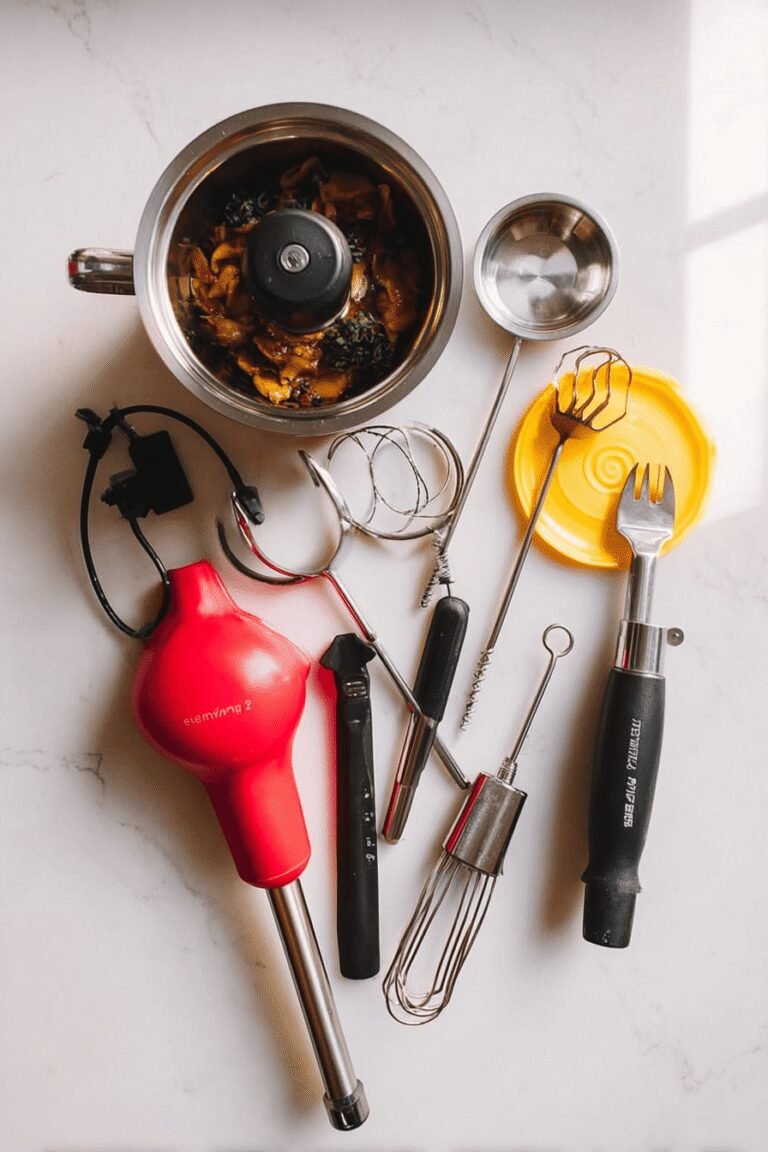
Kitchen Tools
🍳 Discover the essential kitchen tools that make cooking smoother and more enjoyable.
🔪 These versatile tools are designed to handle prepping, mixing, cooking, and serving with ease and style.
- Total Time: 5 minutes plus shipping time
- Yield: Varies by set size
Ingredients
Instructions
First Step: Unbox and inspect the kitchen tools, ensuring all components are present and clean before first use.
Second Step: Familiarize yourself with each tool’s function, adjusting settings according to the recipe requirements.
Third Step: Prepare ingredients by washing, peeling, or measuring as needed to streamline the cooking process.
Fourth Step: Use the tools to chop, slice, or mix ingredients, paying attention to timing and technique for optimal results.
Fifth Step: Adjust techniques for dietary variations, such as using gentle chopping for delicate vegan ingredients or finer slicing for gluten-free flours.
Final Step: Clean tools thoroughly immediately after use, dry properly to maintain longevity, and store in a safe, dry place.
Last Step:
Please leave a rating and comment letting us know how you liked this recipe! This helps our business to thrive and continue providing free, high-quality recipes for you.Notes
🧽 Clean tools promptly after use to maintain their quality and longevity.
🌈 Choose color options that match your kitchen decor or that help organize your tools.
💡 Consider starting with a smaller set and expanding with individual tools as needed to build a versatile collection.
- Prep Time: 5 minutes
- Shipping and handling: Varies by location
- Cook Time: N/A
- Category: Kitchen Tools
- Method: N/A
- Cuisine: N/A
- Diet: N/A
Nutrition
- Serving Size: N/A
- Calories: N/A
- Sugar: N/A
- Sodium: N/A
- Fat: N/A
- Saturated Fat: N/A
- Unsaturated Fat: N/A
- Trans Fat: N/A
- Carbohydrates: N/A
- Fiber: N/A
- Protein: N/A
- Cholesterol: N/A