

Why You’ll Love This Sourdough Pizza Dough
If you’re looking to add a fun twist to your homemade pizza nights, sourdough pizza dough offers a simple way to create crispy, flavorful crusts that everyone can enjoy. This recipe stands out because it’s easy to prepare, no matter your skill level, and it uses natural fermentation for a tangy taste that’s hard to beat. Not only does it make your pizza taste amazing, but it also brings health benefits from the probiotics in the dough, making it a smart choice for busy days.
One of the best parts is its ease of preparation, which uses minimal ingredients and basic steps, leaving you more time to get creative with toppings. You’ll appreciate the health benefits too, like helping with digestion through natural fermentation and providing nutrients from wholesome components. Plus, this dough is super versatile, letting you adapt it for different diets while keeping that delicious, distinctive flavor that sets it apart from regular ones.
Ease of Preparation
This sourdough pizza dough recipe is straightforward and quick, mixing up in just a few steps so you can focus on what really matters like choosing your favorite toppings. Once you mix the basics, the dough does most of the work on its own, rising over time without much fuss. It’s perfect for beginners who want to dive into baking without feeling overwhelmed.
Health Benefits
Made with natural fermentation, this dough is packed with probiotics that support gut health and make it easier to digest. It uses simple, wholesome ingredients that offer more nutrition than standard pizza bases, which can be a game-changer for anyone watching their diet. You’ll feel good knowing you’re enjoying something tasty that’s also good for you.
Versatility and Distinctive Flavor
You can tweak this dough for vegan, gluten-free, or other needs by swapping ingredients, and it still comes out great. The sourdough process gives it a unique tang that takes your pizza to the next level, making every bite more exciting. Whether you’re feeding a family or just yourself, it’s a flexible option that enhances any meal. Overall, using ingredients like 375 grams water, 100 grams active sourdough starter, 10 grams salt, and 500 grams all-purpose or bread flour helps create that perfect balance of crispiness and flavor.
Essential Ingredients for Sourdough Pizza Dough
Getting the right ingredients is key to making sourdough pizza dough that turns out just right, and it’s all about using precise measurements for the best results. This recipe keeps things simple with a focus on quality items that blend easily and ferment well. Below, you’ll find a structured list of everything needed for the dough, pulled directly from the details provided, to ensure you have exactly what’s required.
Main Ingredients
- 375 grams water (adjustable based on humidity for the ideal hydration)
- 100 grams active sourdough starter (this acts as the natural leavening agent)
- 10 grams salt (helps enhance flavor and strengthen the dough)
- 500 grams all-purpose or bread flour (provides the structure and elasticity needed)
Toppings for a Margherita Pizza Example
To complete your pizza, you’ll want some tasty toppings, and here’s a clear list based on the suggestions given. These add flavor and make your pizza feel like a pro creation, but remember, you can mix it up as you like.
- 2 tablespoons tomato sauce
- 1 to 2 ounces mozzarella cheese
- A handful of grated Parmesan cheese
- Drizzle of olive oil
- Pinch of sea salt
These ingredients work together to create a balanced pizza, and you can adjust them based on what you have on hand. For special diets, try vegan swaps or gluten-free options to keep things inclusive.
How to Prepare the Perfect Sourdough Pizza Dough: Step-by-Step Guide
Diving into making sourdough pizza dough is easier than it sounds, and following these steps will help you get a crust that’s crispy on the outside and full of flavor inside. Start by gathering your ingredients and setting aside some time for fermentation, as this is what gives the dough its magic. The process involves mixing, resting, and baking, all while keeping things simple for home cooks.
Mixing and Initial Steps
In a large bowl, mix the sourdough starter, salt, and water until they combine smoothly this helps kick off the fermentation. Add the flour and stir until you form a sticky dough ball, then transfer it to a straight-sided container, cover it, and let it rest for 30 minutes. This rest period allows the ingredients to start working together, making the dough easier to handle later.
Developing the Dough
Next, perform a stretch and fold by pulling the dough from the edges toward the center, turning the container, and repeating 8 to 10 times. Let the dough rest for another 30 minutes and repeat this stretch and fold up to four times total; this step builds strength and structure in the dough. Allow the dough to bulk ferment at around 70°F for 4 to 18 hours, covered, until it grows by about 50% in volume.
Shaping and Fermenting
Once fermented, turn the dough onto a floured surface and divide it into 4 equal portions, each about 240 grams. Shape each into a ball and place in floured containers, then refrigerate for at least 6 hours and up to 3 days this cold ferment improves the flavor and texture. For more convenience, you can freeze the dough at this stage for up to 1 week, making it easy to have fresh pizza whenever you want.
Baking the Pizza
About an hour before baking, take the dough out of the fridge and let it sit on a floured surface to warm up. Preheat your oven to 550°F with a baking steel or pizza stone in the upper third for at least 45 minutes. Gently shape each dough ball into a 10 to 11-inch round, keeping those air bubbles intact, then add toppings like tomato sauce, mozzarella, Parmesan, olive oil, and sea salt.
Bake on the preheated surface for 5 to 6 minutes until the crust blisters and the toppings are just right. The total preparation time includes 6 to 18 hours for bulk fermentation plus 6 hours to 3 days for cold fermentation, with about 1 hour of active work and 5 to 6 minutes per pizza baking time. For a refreshing pairing, check out our Brazilian lemonade recipe to serve alongside your pizza.

Dietary Substitutions to Customize Your Sourdough Pizza Dough
Everyone has different needs when it comes to food, and this sourdough pizza dough recipe is flexible enough to handle swaps without losing its charm. Whether you’re going vegan or watching your calories, small changes can make a big difference while keeping the dough tasty and easy to work with. Let’s look at some simple ways to adapt it.
- Swap bread flour with gluten-free blends for those avoiding gluten, ensuring the mix has something like xanthan gum for good texture.
- Use a plant-based sourdough starter to keep things vegan, and replace olive oil with options like flaxseed oil.
- Adjust water amounts based on humidity, as maintaining 75% hydration is ideal for the best results.
For vegetable and sauce ideas, try using pesto instead of tomato sauce or adding fresh herbs to boost flavor. These tips help make the dough fit your lifestyle, just like handling it gently to preserve air bubbles for a light crust.
Mastering Sourdough Pizza Dough: Advanced Tips and Variations
Once you’re comfortable with the basics, you can level up your sourdough pizza dough with some pro techniques and fun twists. Things like using the autolyse method where you soak flour in water before adding the starter can improve gluten development and make your crust even better. Don’t forget that tools like a preheated pizza stone can giveyou that perfect crispy edge.
Pro Techniques
Utilize the autolyse method to let flour and water sit together first, which builds a stronger dough structure. Stretch and folds are key for developing strength, and using a baking steel improves oven spring for those blistered crusts we all love. Remember to handle the dough gently to keep air bubbles intact, avoiding over-kneading for a lighter texture.
Flavor Variations
Add herbs like rosemary or roasted garlic to the dough for extra depth, or experiment with the tomato sauce by blending garlic, canned tomatoes, salt, and olive oil. These changes let you create pizzas that match your mood, while cold fermenting for 6 hours to 3 days boosts flavor even more. Dough can be frozen after shaping and thawed before baking, making it simple for meal prep.
Presentation and Make-Ahead Options
Garnish your finished pizza with fresh basil or a drizzle of olive oil for a polished look, and prepare dough in bulk to freeze for up to a month. This way, you can pull it out on busy days and still enjoy that tangy sourdough taste. For more ideas on pairing, our Brazilian lemonade recipe is a great match to complement your pizza flavors.
How to Store Sourdough Pizza Dough: Best Practices
Storing your sourdough pizza dough the right way keeps it fresh and ready for your next pizza night, so let’s cover the basics. Whether you’re refrigerating or freezing, the goal is to maintain that great texture and flavor without much effort. Follow these tips to make sure your dough stays in top shape.
- Refrigerate in an airtight container for up to 3 days to keep it from drying out.
- Freeze portions after shaping, thawing them overnight in the fridge for easy use later.
- Let the dough warm up at room temperature before baking to keep the texture just right.
This method works well for meal prep, letting you enjoy fresh-tasting pizza even on the go. Plus, tips like adjusting water for humidity ensure your stored dough turns out perfectly every time.

FAQs: Frequently Asked Questions About Sourdough Pizza Dough
How do I use sourdough starter to make pizza dough?
Can you freeze sourdough pizza dough, and how does it affect baking?
What are the best toppings to use on sourdough pizza?
How long does sourdough pizza dough take to ferment?
What’s the best way to shape sourdough pizza dough without deflating it?
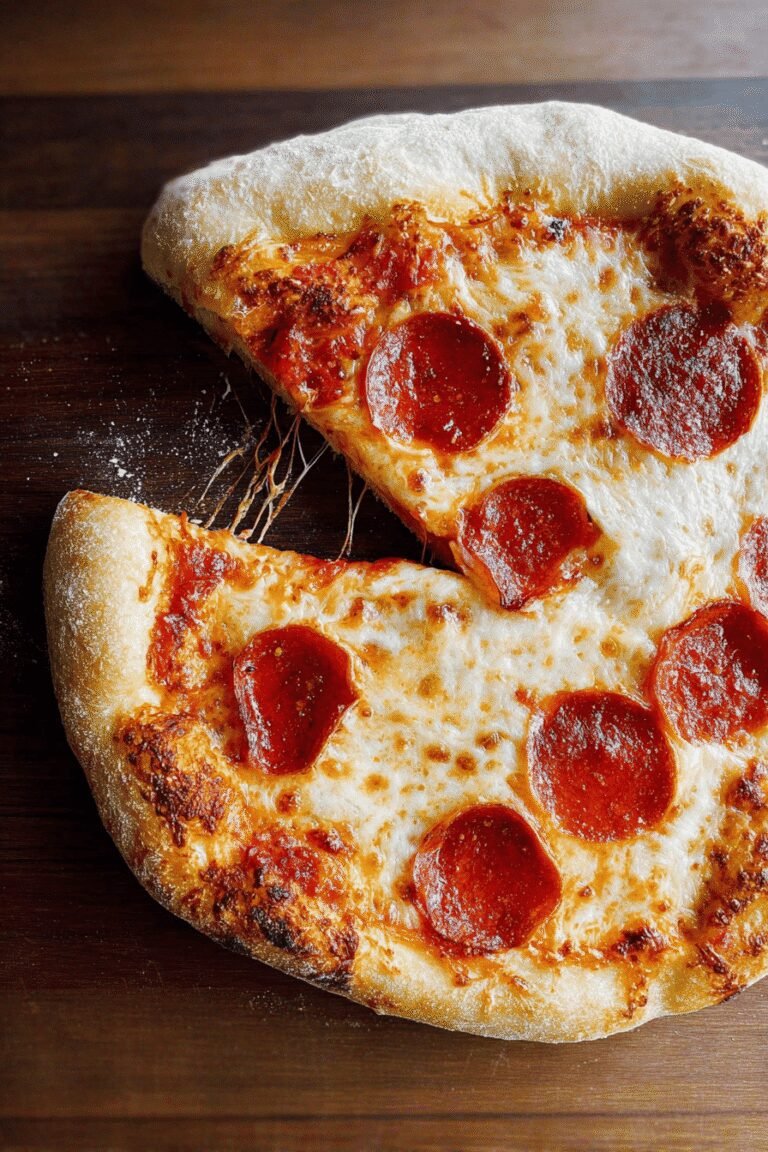
Sourdough Pizza Dough
🍕 Enjoy crispy, flavorful homemade pizzas with this simple sourdough pizza crust recipe.
🌿 The natural fermentation enhances flavor while creating a light, airy crust with perfect texture.
- Total Time: Varies (active plus fermentation)
- Yield: 4 pizzas
Ingredients
– 375 grams water (adjustable based on humidity for the ideal hydration)
– 100 grams active sourdough starter (this acts as the natural leavening agent)
– 10 grams salt (helps enhance flavor and strengthen the dough)
– 500 grams all-purpose or bread flour (provides the structure and elasticity needed)
– 2 tablespoons tomato sauce
– 1 to 2 ounces mozzarella cheese
– A handful of grated Parmesan cheese
– Drizzle of olive oil
– Pinch of sea salt
Instructions
1-Mixing and Initial Steps: In a large bowl, mix the sourdough starter, salt, and water until they combine smoothly this helps kick off the fermentation. Add the flour and stir until you form a sticky dough ball, then transfer it to a straight-sided container, cover it, and let it rest for 30 minutes. This rest period allows the ingredients to start working together, making the dough easier to handle later.
2-Developing the Dough: Next, perform a stretch and fold by pulling the dough from the edges toward the center, turning the container, and repeating 8 to 10 times. Let the dough rest for another 30 minutes and repeat this stretch and fold up to four times total; this step builds strength and structure in the dough. Allow the dough to bulk ferment at around 70°F for 4 to 18 hours, covered, until it grows by about 50% in volume.
3-Shaping and Fermenting: Once fermented, turn the dough onto a floured surface and divide it into 4 equal portions, each about 240 grams. Shape each into a ball and place in floured containers, then refrigerate for at least 6 hours and up to 3 days this cold ferment improves the flavor and texture. For more convenience, you can freeze the dough at this stage for up to 1 week, making it easy to have fresh pizza whenever you want.
4-Baking the Pizza: About an hour before baking, take the dough out of the fridge and let it sit on a floured surface to warm up. Preheat your oven to 550°F with a baking steel or pizza stone in the upper third for at least 45 minutes. Gently shape each dough ball into a 10 to 11-inch round, keeping those air bubbles intact, then add toppings like tomato sauce, mozzarella, Parmesan, olive oil, and sea salt.
5-Baking the Pizza: Bake on the preheated surface for 5 to 6 minutes until the crust blisters and the toppings are just right. The total preparation time includes 6 to 18 hours for bulk fermentation plus 6 hours to 3 days for cold fermentation, with about 1 hour of active work and 5 to 6 minutes per pizza baking time. For a refreshing pairing, check out our Brazilian lemonade recipe to serve alongside your pizza.
Last Step:
Please leave a rating and comment letting us know how you liked this recipe! This helps our business to thrive and continue providing free, high-quality recipes for you.Notes
💧 Adjust water amount based on flour type and humidity for best dough consistency.
👐 Stretch and folds build dough strength for better texture.
❄️ Cold ferment dough for 6 hours to 3 days to develop flavor and texture.
🔥 Use a baking steel for enhanced oven spring and crispy crust.
🍅 Prepare simple tomato sauce by blending garlic, peeled tomatoes, salt, and olive oil.
- Prep Time: 1 hour active + 4-18 hours bulk fermentation + 6 hours to 3 days cold fermentation
- Bulk fermentation + cold fermentation: 10 hours to 3 days 18 hours
- Cook Time: 5-6 minutes per pizza
- Category: Main Dish
- Method: Baking
- Cuisine: Italian
- Diet: Vegetarian
Nutrition
- Serving Size: 1 pizza
- Calories: 350
- Sugar: 3g
- Sodium: 400mg
- Fat: 8g
- Saturated Fat: 4g
- Unsaturated Fat: 3g
- Trans Fat: 0g
- Carbohydrates: 60g
- Fiber: 3g
- Protein: 12g
- Cholesterol: 15mg