

Why You’ll Love This Coconut Curry Shrimp
Coconut Curry Shrimp is a quick and flavorful dish that brings tropical vibes to your table with its creamy sauce and tender shrimp. It’s perfect for busy nights when you want something tasty but don’t have hours to cook. Let’s dive into what makes this recipe a hit for home cooks like you.
One reason to try this Coconut Curry Shrimp is its ease of preparation. This recipe comes together in just 20 minutes total, with only 5 minutes of prep time, making it ideal for busy parents, students, or working professionals who need a nutritious meal fast. You’ll love how simple steps like melting butter and stirring in spices turn everyday ingredients into a restaurant-quality dish. For more quick meal ideas, check out our easy banana bread recipe that pairs well with various meals.
Health benefits are another big plus, as this dish packs lean protein from jumbo shrimp and healthy fats from coconut milk. These elements support heart health and boost your immune system with essential vitamins and minerals, appealing to diet-conscious individuals and food enthusiasts alike. The balance of nutrients makes Coconut Curry Shrimp a wholesome choice that fits into many lifestyles.
Its versatility stands out too, letting you tweak the recipe for vegan or gluten-free needs by swapping shrimp for other proteins. Whether you’re a traveler experimenting with flavors or a newlywed hosting dinner, this creamy coconut shrimp curry adapts easily. The distinctive flavor from the blend of coconut milk, yellow curry powder, and fresh herbs creates a tropical curry that’s sweet and spicy in perfect harmony.
To expand, many enjoy this for its rich taste that combines aromatic garlic, onion, and basil with a hint of lime. For those curious about shrimp’s role in healthy eating, the health benefits of shrimp highlight how it adds protein without overwhelming calories. Overall, this Coconut Curry Shrimp recipe will become a staple in your kitchen rotation.
Essential Ingredients for Coconut Curry Shrimp
Gathering the right ingredients is key to making a delicious Coconut Curry Shrimp. This section lists everything you need for a recipe that serves 6 people, focusing on fresh and pantry staples. We’ll break it down into a clear structure to make shopping and prepping straightforward.
Main Ingredients List
- 2 tablespoons butter
- 1 1/2 pounds (about 680 grams) jumbo shrimp, peeled and deveined
- 1 medium diced onion
- 4 finely chopped garlic cloves
- 1 tablespoon yellow curry powder
- 1 can (13.5 ounces or approximately 400 ml) coconut milk
- 2 tablespoons honey (plus more to taste)
- 1/4 teaspoon kosher salt (plus more to taste)
- Juice of 1 lime
- 12 chopped basil leaves (plus extra for garnish)
- Hot sauce (optional, to taste)
- Cooked Basmati rice (served with the dish)
This structured list ensures you have exact measurements for each item, making it simple to follow. For instance, the coconut milk’s creamy layer should be stirred in for the best texture, as per expert tips. Remember, adjust honey or salt based on your preferences for that perfect tropical curry balance.
Beyond the basics, consider special options for different diets. If you’re going vegan, swap shrimp for tofu and use a plant-based alternative for butter. For gluten-free versions, most items here are naturally compliant, but double-check labels. This keeps your creamy coconut shrimp curry flexible for everyone from seniors to party hosts.
How to Prepare the Perfect Coconut Curry Shrimp: Step-by-Step Guide
Creating this Coconut Curry Shrimp is straightforward and fun, even if you’re new to cooking. Start by getting all your ingredients ready to keep things smooth and stress-free. This guide uses the provided steps to ensure your dish turns out just right.
- First, melt 2 tablespoons of butter in a large skillet over medium-high heat.
- Next, cook the 1 1/2 pounds of peeled and deveined jumbo shrimp for 2 to 3 minutes until they turn opaque, then set them aside.
- In the same skillet, cook 1 medium diced onion and 4 finely chopped garlic cloves for 2 minutes.
- Add 1 tablespoon of yellow curry powder and cook for a few more minutes, stirring occasionally to release the flavors.
- Reduce the heat to medium-low, pour in 1 can of coconut milk, and stir to combine everything.
- Mix in 2 tablespoons of honey, 1/4 teaspoon of kosher salt, and the juice of 1 lime, letting the sauce bubble gently.
- Return the shrimp to the sauce, toss to coat, and simmer for 2 to 3 minutes until the sauce thickens a bit.
- Adjust the seasoning with more salt, lime juice, or honey as needed, then stir in 12 chopped basil leaves and add hot sauce if you like.
- Finally, serve the shrimp curry over cooked Basmati rice and garnish with extra basil for a fresh touch.
This process takes about 15 minutes of cooking time, making it a speedy option for weeknights. Tips like stirring in the creamy layer of canned coconut milk enhance the texture of your tropical flavored coconut shrimp curry. For more flavor ideas, our apple crisp recipe shows how simple tweaks can elevate desserts, much like herbs here.
If you’re aiming for variations, remember to taste as you go. The nutritional benefits of coconut milk add creaminess while keeping things light, as noted in sources like the nutritional benefits of coconut milk.

Dietary Substitutions to Customize Your Coconut Curry Shrimp
Everyone has different needs, so customizing your Coconut Curry Shrimp is easy and fun. This section covers swaps that keep the dish delicious while fitting various diets. Whether you’re vegan or just watching calories, these ideas help you adapt.
- Replace shrimp with firm tofu or tempeh for a vegan option that still soaks up the creamy curry flavors.
- Use chicken breast or turkey slices if you prefer poultry, ensuring it cooks quickly like the shrimp.
- Try chickpeas or white beans for a plant-based protein that adds heartiness to your coconut curry.
- For veggies, swap in bell peppers or spinach to boost nutrients and change the texture.
- Use tamari instead of any implied fish sauce for gluten-free and vegan adjustments.
- Add chili flakes for extra spice or paprika to tone it down, tailoring the heat to your taste.
- Incorporate basil, cilantro, or mint to vary the herbs and keep things fresh.
These changes make your shrimp curry versatile for food enthusiasts and travelers exploring new tastes. Remember, adjusting for dietary needs doesn’t mean losing that signature creamy coconut shrimp curry vibe.
Mastering Coconut Curry Shrimp: Advanced Tips and Variations
Once you’re comfortable with the basics, take your Coconut Curry Shrimp to the next level with these pro tips. This helps you create a dish that’s not only tasty but also impressive for any gathering. Let’s explore ways to refine your technique and flavors.
Start with pro cooking techniques like searing the shrimp separately at high heat for a nice crust before adding it back to the sauce. This prevents overcooking and enhances the texture in your creamy coconut shrimp curry. For a fresher twist, try making your own curry powder blend with spices you have on hand.
Flavor and Presentation Ideas
Experiment with flavor variations by adding kaffir lime leaves or lemongrass for extra citrus notes. You could swap yellow curry powder for green to change the spice intensity, keeping that tropical curry essence alive. Presentation tips include serving in bright bowls with garnishes like toasted coconut or chopped nuts for added crunch.
To make it ahead, prepare the curry base without the shrimp and store it for up to two days. Add the shrimp fresh when you’re ready to eat, ensuring optimal texture. These methods make your coconut shrimp curry recipe even more adaptable for baking enthusiasts or party hosts.
| Tips | Benefits |
|---|---|
| Use fresh herbs | Enhances flavor and adds vibrancy |
| Adjust sweetness | Balances the heat perfectly |
How to Store Coconut Curry Shrimp: Best Practices
Proper storage keeps your Coconut Curry Shrimp fresh and tasty for later. This section covers simple steps to maintain quality, whether you’re meal prepping or saving leftovers. Follow these to enjoy your dish without losing its creamy appeal.
- Refrigerate leftovers in airtight containers for up to 3 days to keep flavors intact.
- Freeze portions in freezer-safe bags for up to 2 months, then thaw overnight in the fridge.
- Gently reheat on the stove over low heat, stirring to avoid separating the coconut milk.
- For meal prep, make the base ahead and add shrimp fresh to retain the best texture.
These practices ensure your tropical flavored coconut shrimp curry stays enjoyable, even as a quick lunch. It’s a great option for working professionals balancing busy schedules.
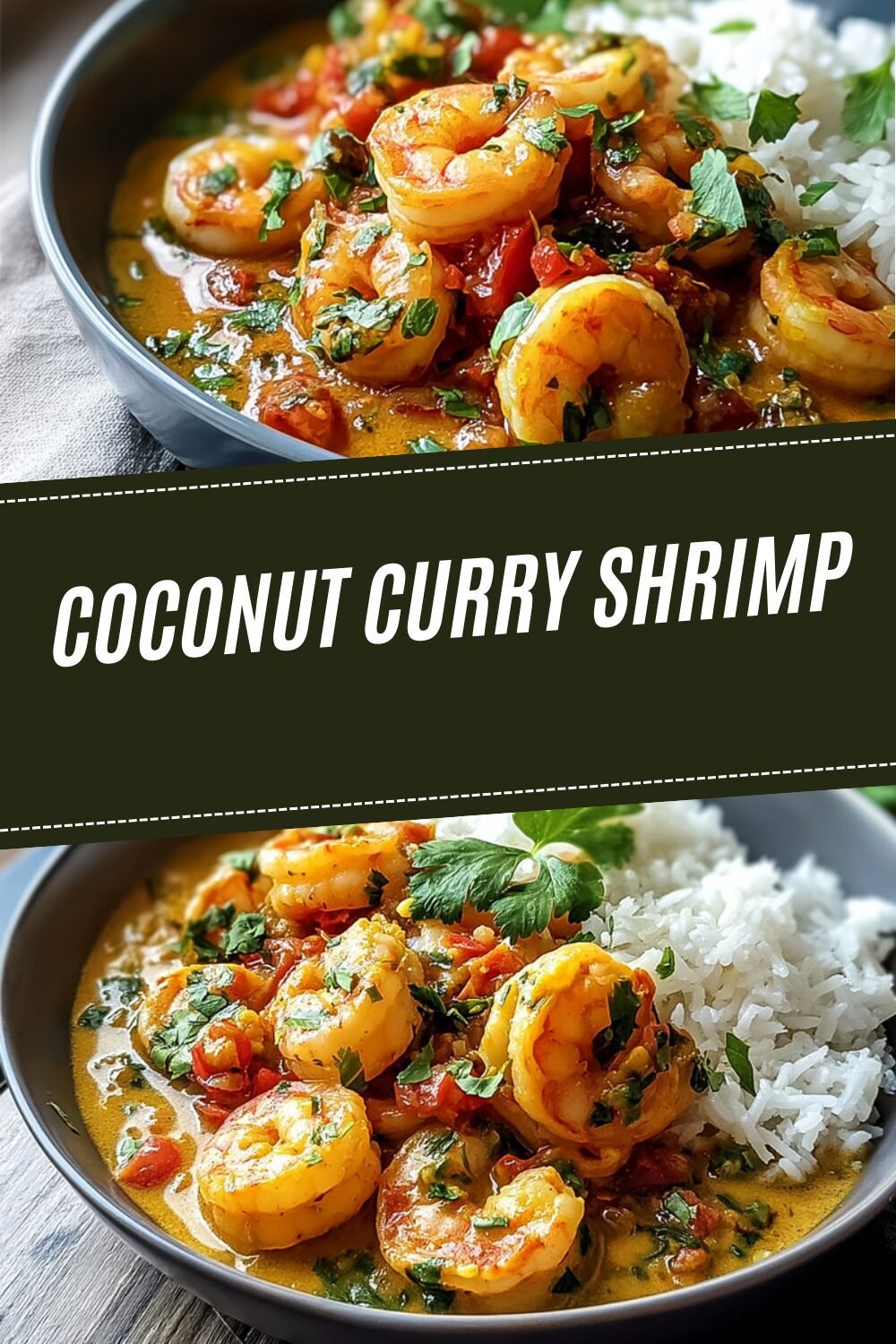
FAQs: Frequently Asked Questions About Coconut Curry Shrimp
What type of coconut milk is best for making coconut curry shrimp?
Which curry powder should I use for coconut curry shrimp?
Can I make coconut curry shrimp gluten-free?
How long does it take to cook coconut curry shrimp?
Can I make coconut curry shrimp ahead of time and reheat it?
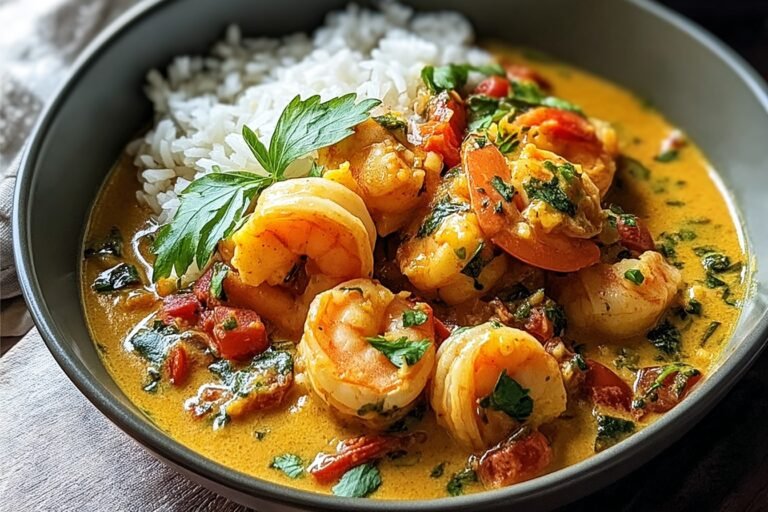
Coconut Curry Shrimp
🥥 Transform your dinner routine with this rich and creamy coconut curry that brings together tender shrimp and aromatic spices in a luscious sauce that’s ready in just 20 minutes
🍤 Experience the perfect balance of tropical flavors and warming spices that create a restaurant-quality curry right in your own kitchen, impressing family and friends with minimal effort
- Total Time: 20 minutes
- Yield: 6 servings
Ingredients
– 2 tablespoons butter
– 1 1/2 pounds (about 680 grams) jumbo shrimp, peeled and deveined
– 1 medium diced onion
– 4 finely chopped garlic cloves
– 1 tablespoon yellow curry powder
– 1 can (13.5 ounces or approximately 400 ml) coconut milk
– 2 tablespoons honey (plus more to taste)
– 1/4 teaspoon kosher salt (plus more to taste)
– Juice of 1 lime
– 12 chopped basil leaves (plus extra for garnish)
– Hot sauce (optional, to taste)
– Cooked Basmati rice (served with the dish)
Instructions
1-First, melt 2 tablespoons of butter in a large skillet over medium-high heat.
2-Next, cook the 1 1/2 pounds of peeled and deveined jumbo shrimp for 2 to 3 minutes until they turn opaque, then set them aside.
3-In the same skillet, cook 1 medium diced onion and 4 finely chopped garlic cloves for 2 minutes.
4-Add 1 tablespoon of yellow curry powder and cook for a few more minutes, stirring occasionally to release the flavors.
5-Reduce the heat to medium-low, pour in 1 can of coconut milk, and stir to combine everything.
6-Mix in 2 tablespoons of honey, 1/4 teaspoon of kosher salt, and the juice of 1 lime, letting the sauce bubble gently.
7-Return the shrimp to the sauce, toss to coat, and simmer for 2 to 3 minutes until the sauce thickens a bit.
8-Adjust the seasoning with more salt, lime juice, or honey as needed, then stir in 12 chopped basil leaves and add hot sauce if you like.
9-Finally, serve the shrimp curry over cooked Basmati rice and garnish with extra basil for a fresh touch.
Last Step:
Please leave a rating and comment letting us know how you liked this recipe! This helps our business to thrive and continue providing free, high-quality recipes for you.Notes
🥛 Make sure to stir the canned coconut milk well before using to incorporate the creamy layer for the richest texture
🌡️ Don’t overcook the shrimp – they only need 2-3 minutes initially and 2-3 minutes in the sauce to stay tender and juicy
🍋 Taste and adjust the seasoning before serving – this curry benefits from extra lime juice for brightness or honey for sweetness to balance the flavors
- Prep Time: 5 minutes
- Cook Time: 15 minutes
- Category: Main Dish
- Method: Stovetop Cooking
- Cuisine: Thai/Asian Fusion
- Diet: Non-Vegetarian
Nutrition
- Serving Size: 1 serving (1/6 of recipe)
- Calories: 320
- Sugar: 8g
- Sodium: 480mg
- Fat: 18g
- Saturated Fat: 14g
- Unsaturated Fat: 3g
- Trans Fat: 0g
- Carbohydrates: 12g
- Fiber: 2g
- Protein: 24g
- Cholesterol: 180mg