

Why You’ll Love This Lemon Curd
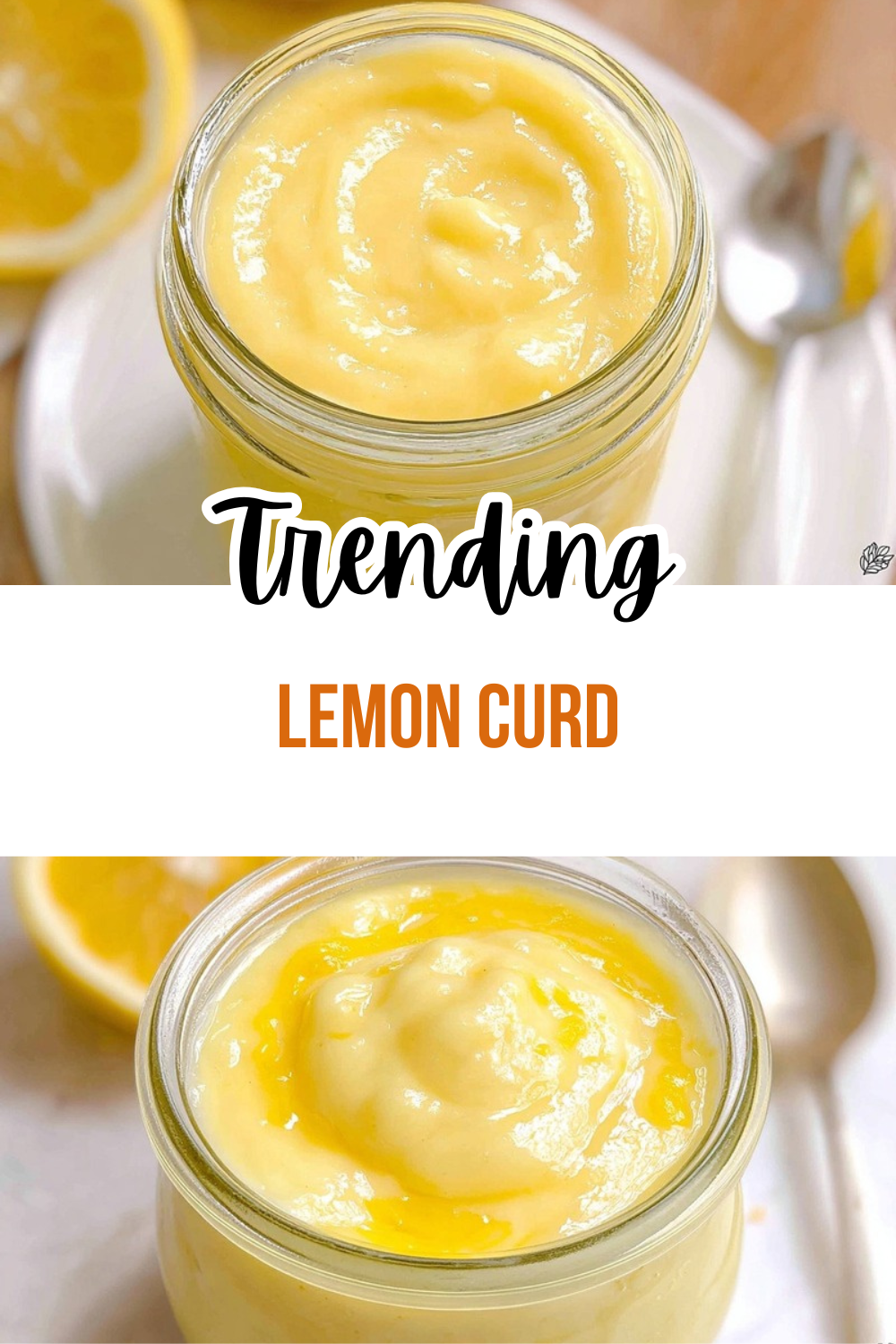
This Lemon Curd recipe is the kind of sweet-tart magic that makes plain toast feel fancy and dessert feel a little more cheerful. It is smooth, bright, and easy enough for a weekday kitchen win.
- Easy to make: You only need a handful of simple ingredients and about 10 minutes of cooking time. Since the curd cooks gently over simmering water, it is a great recipe for beginners and busy home cooks.
- Bright flavor: Fresh lemon juice and lemon zest give this Lemon Curd a sunny, tangy taste that stands out on every bite. It tastes fresh, lively, and just sweet enough.
- So versatile: Use it as a spread, filling, or dessert topping. It works beautifully on scones, pancakes, cakes, tarts, yogurt bowls, and even toast.
- Simple ingredients: Eggs, sugar, lemons, butter, and salt are all you need. That short list makes this lemon curd recipe easy to keep in your back pocket.
If you love lemony treats that feel homemade and special, this silky curd is about to become a repeat recipe.
Plus, lemons bring more than flavor. If you are curious about the fruit itself, you can read more about the health benefits of lemons and see why this cheerful citrus deserves a spot in your kitchen.
For readers who like bright breakfast ideas, this curd is a lovely match with fluffy baked goods. It is especially good alongside something warm and tender like these blueberry muffins or spooned over a cozy German oven pancake.
Essential Ingredients for Lemon Curd
Every ingredient in this Lemon Curd recipe plays a key role. Eggs give the curd its body, sugar softens the tartness, butter makes it silky, and fresh lemon juice brings the zing. For the best results, use fresh lemons instead of bottled juice.
- 4 large egg yolks or, for a thicker curd, 2 egg yolks plus 1 whole egg – This is the base that helps the curd thicken into a creamy custard.
- 2/3 cup granulated sugar – Sweetens the curd and balances the sharp lemon flavor.
- 1 tablespoon lemon zest from about 1 lemon – Adds fragrant citrus oils and extra lemon flavor.
- 1/3 cup fresh lemon juice from about 2 to 3 lemons – Gives the curd its tangy, fresh taste.
- 1/8 teaspoon salt – Sharpens the flavor and keeps the sweetness from tasting flat.
- 6 tablespoons unsalted butter, softened and cut into 6 pieces – Makes the curd smooth, rich, and glossy.
Special Dietary Options
- Vegan: Replace the eggs with a plant-based custard base like cornstarch and dairy-free butter, then cook gently until thick.
- Gluten-free: This recipe is naturally gluten-free as written.
- Low-calorie: Reduce the sugar slightly or use a sugar substitute that measures like sugar, though the texture may change a bit.
| Ingredient | Amount | Job in the Recipe |
|---|---|---|
| Egg yolks | 4 large | Thicken the curd |
| Sugar | 2/3 cup | Adds sweetness |
| Lemon zest | 1 tablespoon | Boosts aroma |
| Fresh lemon juice | 1/3 cup | Provides tang |
| Salt | 1/8 teaspoon | Balances flavor |
| Unsalted butter | 6 tablespoons | Makes it silky |
How to Prepare the Perfect Lemon Curd: Step-by-Step Guide
This Lemon Curd recipe is simple, but a slow, gentle approach matters. The goal is smooth, glossy curd with no scrambled eggs and no burnt lemon flavor. Take your time, whisk often, and you will end up with a dreamy spoonable treat.
Step 1: Set up your double boiler
Fill the bottom of a double boiler with 1 to 2 inches of water and bring it to a simmer over high heat. Then reduce the heat to low so the water stays gently steaming, not boiling hard. If you do not have a double boiler, place a heatproof bowl over a saucepan of simmering water.
Step 2: Mix the base ingredients
In the top pan or heatproof bowl, combine the 4 large egg yolks, 2/3 cup granulated sugar, 1 tablespoon lemon zest, 1/3 cup fresh lemon juice, and 1/8 teaspoon salt. Whisk until the mixture looks smooth and slightly pale. Fresh juice is important here because bottled juice can taste flat and a little bitter.
Step 3: Cook slowly and whisk constantly
Place the bowl over the simmering water and whisk constantly. Keep the heat gentle so the eggs thicken slowly instead of curdling. After about 10 minutes, the mixture should turn thick and glossy, almost like hollandaise sauce. It should coat the back of a spoon and reach about 170°F.
Quick tip: If you see steam rising and the mixture starts to thicken too fast, pull it off the heat for a moment and keep whisking.
Step 4: Add the butter
Remove the curd from the heat and whisk in the 6 tablespoons unsalted butter, one piece at a time. Let each piece melt before adding the next. This step gives the curd its silky finish and rich flavor.
Step 5: Strain and chill
Pour the curd into a jar or bowl. If you want an extra-smooth texture, strain it through a fine mesh sieve first. Cover the surface directly with plastic wrap so a skin does not form, then refrigerate until fully set. The total time is about 1 hour 15 minutes, including cooling. Active prep takes about 5 minutes, and cook time is about 10 minutes.
Step 6: Serve and enjoy
Once chilled, your lemon curd recipe is ready to spread, spoon, or swirl. It is wonderful on breakfast breads, folded into yogurt, or used as a filling for cakes and pastries. If you are making brunch for a crowd, it also pairs nicely with croissant bread or a tray of raspberry muffins.

Dietary Substitutions to Customize Your Lemon Curd
This Lemon Curd is already naturally gluten-free, but you can still tweak it to fit different tastes or ingredient needs. A few smart swaps can change the flavor or make the recipe work better for your pantry.
Protein and Main Component Alternatives
The main thickening ingredient here is egg yolk, and that is what gives the curd its classic custard texture. If you want a richer or firmer curd, use 2 egg yolks plus 1 whole egg instead of 4 yolks. That version can feel a little sturdier, which is handy for tart fillings.
For an egg-free version, use a plant-based custard base with cornstarch and dairy-free butter. The texture will be a bit different, but you can still get a smooth citrus spread. If you are making it for someone with dairy needs, swap the butter for a dairy-free alternative that melts well.
Vegetable, Sauce, and Seasoning Modifications
Since this is a citrus curd, the most fun swaps are with the fruit itself. You can replace the lemon juice and zest with lime, orange, or grapefruit for a new spin on the same method. Lime curd tastes extra sharp and fresh, while orange curd is softer and sweeter.
Here are a few easy ideas:
- Lime: Use the same measurements for a tarter, punchier flavor.
- Orange: Use fresh orange juice and zest, then reduce sugar by 1 to 2 tablespoons if you want a less sweet result.
- Grapefruit: Adds a gently bitter edge that tastes great in tarts.
- Mixed citrus: Try half lemon and half orange for a balanced flavor.
For more citrus inspiration, you can also check out this guide to lemons and their nutrition to see what makes fresh citrus such a kitchen favorite.
Mastering Lemon Curd: Advanced Tips and Variations
Once you have made Lemon Curd once or twice, you may want to play around with the flavor and texture. A few little tricks can take your batch from good to excellent.
Pro cooking techniques
Whisk vigorously and often. That is the biggest trick for smooth curd. Slow heat matters too. If the water under your bowl is boiling hard, the eggs can curdle or the curd can pick up a metallic taste. A double boiler or heatproof bowl over simmering water keeps everything gentle.
If you want a super silky finish, strain the curd before chilling. This removes any tiny egg bits or zest pieces, leaving you with a glossy spread. A thermometer also helps a lot. When the curd reaches 170°F, it is ready.
Flavor variations
Try adding a little vanilla after cooking for a softer flavor. You can also mix in a tiny pinch of ginger, cardamom, or even basil for something a little unexpected. For a sweeter version, use a bit more sugar. For a sharper version, add a touch more lemon zest.
- Berry twist: Stir a spoonful into yogurt with fresh berries.
- Tropical twist: Use orange or lime for a sunny dessert filling.
- Holiday twist: Pair with cranberry desserts for a bright, tart contrast.
Presentation tips
Serve your lemon curd in a small glass jar, a pretty bowl, or a piping bag for pastries. For brunch, add it beside pancakes, toast, or muffins. It looks lovely topped with a thin curl of zest or a few berries. If you are planning a sweet breakfast spread, this curd is especially good with breakfast banana split recipes or warm baked goods at the center of the table.
Make-ahead options
This is a great make-ahead recipe for busy weeks. Prepare it a day or two before a party, then chill it until you are ready to serve. The total time is short, so it fits nicely into a packed schedule. Since it stores well, it also helps when you want dessert ready without last-minute fuss.
How to Store Lemon Curd: Best Practices
Good storage keeps Lemon Curd tasting fresh and smooth. Because it contains eggs and butter, chilling matters a lot. The good news? It stores well, so you can make a batch now and enjoy it later.
Refrigeration
Store the curd in a clean jar or airtight container in the refrigerator. Press plastic wrap directly onto the surface before sealing the container to stop a skin from forming. It will keep for up to 10 days in the fridge when stored well.
Freezing
If you want to keep it longer, freeze the curd for 3 to 6 months. Use freezer-safe containers, small jars, or zip-top bags with some room for expansion. Thaw it overnight in the fridge before using. If it separates a little after thawing, whisk it well to bring back the smooth texture.
Reheating
Most of the time, you will not need to reheat lemon curd. If you want it slightly warm for drizzling, heat it very gently over low heat while stirring. Avoid high heat so the eggs do not curdle.
Meal prep considerations
Making a batch ahead is smart if you want quick breakfasts, desserts, or snacks during the week. Spoon it into small containers for easy single servings. It is also a smart way to use up extra lemons before they go soft on the counter.
FAQs: Frequently Asked Questions About Lemon Curd
What is lemon curd and what is it made of?
How do you make lemon curd at home?
How long does homemade lemon curd last?
Can you freeze lemon curd?
Can I make lemon curd with other citrus fruits?
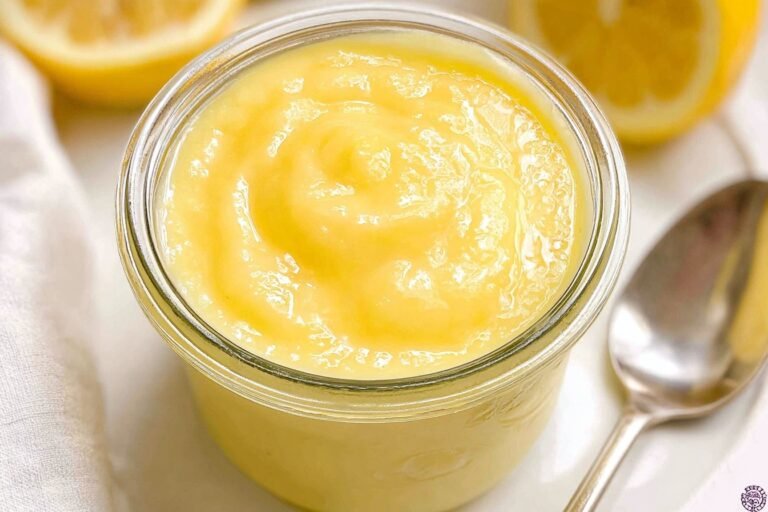
Lemon Curd
🍋 Indulge in silky smooth, tangy lemon curd that’s versatile for fillings, spreads, or desserts – brighter than store-bought!
🧈 Quick stovetop magic with fresh citrus zing, perfect for tarts, scones, or yogurt parfaits.
- Total Time: 1 hour 15 minutes
- Yield: 1 1/2 cups (12 servings)
Ingredients
– 4 large egg yolks for thickening the curd
– 2/3 cup sugar for adding sweetness
– 1 tablespoon lemon zest for boosting aroma
– 1/3 cup fresh lemon juice for providing tang
– 1/8 teaspoon salt for balancing flavor
– 6 tablespoons unsalted butter for making it silky
Instructions
1-Step 1: Set up your double boiler Fill the bottom of a double boiler with 1 to 2 inches of water and bring it to a simmer over high heat. Then reduce the heat to low so the water stays gently steaming, not boiling hard. If you do not have a double boiler, place a heatproof bowl over a saucepan of simmering water.
2-Step 2: Mix the base ingredients In the top pan or heatproof bowl, combine the 4 large egg yolks, 2/3 cup granulated sugar, 1 tablespoon lemon zest, 1/3 cup fresh lemon juice, and 1/8 teaspoon salt. Whisk until the mixture looks smooth and slightly pale. Fresh juice is important here because bottled juice can taste flat and a little bitter.
3-Step 3: Cook slowly and whisk constantly Place the bowl over the simmering water and whisk constantly. Keep the heat gentle so the eggs thicken slowly instead of curdling. After about 10 minutes, the mixture should turn thick and glossy, almost like hollandaise sauce. It should coat the back of a spoon and reach about 170°F.
4-Step 4: Add the butter Remove the curd from the heat and whisk in the 6 tablespoons unsalted butter, one piece at a time. Let each piece melt before adding the next. This step gives the curd its silky finish and rich flavor.
5-Step 5: Strain and chill Pour the curd into a jar or bowl. If you want an extra-smooth texture, strain it through a fine mesh sieve first. Cover the surface directly with plastic wrap so a skin does not form, then refrigerate until fully set.
6-Step 6: Serve and enjoy Once chilled, your lemon curd recipe is ready to spread, spoon, or swirl. It is wonderful on breakfast breads, folded into yogurt, or used as a filling for cakes and pastries. If you are making brunch for a crowd, it also pairs nicely with croissant bread or a tray of raspberry muffins.
Last Step:
Please leave a rating and comment letting us know how you liked this recipe! This helps our business to thrive and continue providing free, high-quality recipes for you.Notes
🔥 Use double boiler or bowl-over-water to gently cook without scrambling eggs.
🍋 Always fresh lemons for juice and zest – bottled lacks vibrant flavor.
🧊 Stores in fridge up to 10 days or freeze 3 months; thaw overnight.
- Prep Time: 5 minutes
- Cooling Time: 1 hour
- Cook Time: 10 minutes
- Category: Dessert
- Method: Stovetop
- Cuisine: American
- Diet: Vegetarian
Nutrition
- Serving Size: 2 tablespoons
- Calories: 120 kcal
- Sugar: 11g
- Sodium: 40mg
- Fat: 8g
- Saturated Fat: 4g
- Unsaturated Fat: 4g
- Trans Fat: 0g
- Carbohydrates: 12g
- Fiber: 0g
- Protein: 1g
- Cholesterol: 80mg