

Why You’ll Love These Sugar Cookies
These Sugar Cookies are the kind of bake that makes people smile before they even take a bite. They are soft in the center, lightly crisp at the edges, and easy enough for a weeknight baking session. If you have been looking for a reliable sugar cookie recipe that feels simple but still tastes bakery-worthy, this one is a great fit.
- Easy to make: You only need basic pantry ingredients, one bowl for dry ingredients, and a quick mix for the dough. The full bake time is just 10 to 12 minutes, so you can have fresh cookies fast.
- Soft and chewy texture: The extra egg yolk, cool room-temperature butter, and careful baking time help create soft sugar cookies with a tender bite.
- Great for many occasions: These chewy sugar cookies work for birthdays, school snacks, lunchboxes, holiday trays, or last-minute dessert plans.
- Easy to personalize: You can roll them in colored sugar, add sprinkles, or swap in almond extract for a simple twist without changing the base method much.
These cookies are a smart pick when you want a homemade treat that looks special but still fits into a busy day.
If you enjoy baking recipes that are quick, cozy, and crowd-pleasing, you may also like this easy blueberry muffins recipe for another simple homemade treat.
For readers who like to compare cookie methods, a helpful outside guide on soft chewy sugar cookie tips can be a nice companion read.
Essential Ingredients for Sugar Cookies
Here is the full ingredient list for this soft chewy sugar cookies recipe. Each item matters for taste, texture, and that classic sugar cookie finish.
- 2 1/2 cups all-purpose flour – Gives the cookies their structure.
- 2 teaspoons baking powder – Helps the dough rise just enough for a soft, tender cookie.
- 3/4 teaspoon fine sea salt – Balances the sweetness and sharpens the flavor.
- 2 sticks unsalted butter, at cool room temperature – Adds rich flavor and helps create a soft, chewy bite.
- 1 1/4 cups granulated sugar – Sweetens the dough and helps with the fluffy creaming stage.
- 1/4 cup granulated sugar – Used for rolling the cookie dough balls before baking for sparkle and a little crunch.
- 1 large egg – Adds moisture and structure.
- 1 egg yolk – Makes the cookies extra chewy and rich.
- 1 teaspoon vanilla extract – Brings warm flavor that makes the cookies taste homemade.
Special Dietary Options
- Vegan: Use plant-based butter, a flax egg for the whole egg, and a second flax yolk style substitute or extra plant-based milk for richness. The texture will change a little, but the cookies can still bake up soft.
- Gluten-free: Use a 1:1 gluten-free baking flour blend that includes xanthan gum. The cookies may spread a bit differently, so chill the dough if needed.
- Low-calorie: Try a reduced-sugar granulated substitute that bakes like sugar and use slightly smaller cookie portions.
How to Prepare the Perfect Sugar Cookies: Step-by-Step Guide
First Step: Get the oven and pans ready
Start by preheating your oven to 350°F. Line your baking sheets with parchment paper. This matters because parchment helps the cookies bake evenly and keeps them from sticking. It also makes cleanup easier, which is always a win on busy baking days.
If you want to pair cookie baking with another easy home recipe, you could serve these with a batch of tropical smoothie for a fun snack spread.
Second Step: Mix the dry ingredients
In a medium bowl, whisk together the 2 1/2 cups all-purpose flour, 2 teaspoons baking powder, and 3/4 teaspoon fine sea salt. Whisking helps spread the baking powder and salt through the flour so every cookie bakes evenly. If your baking powder has been sitting in the pantry for a long time, it is a good idea to check that it is still fresh before you begin.
Third Step: Cream the butter and sugar
In a large bowl, beat the 2 sticks unsalted butter with 1 1/4 cups granulated sugar using an electric mixer. Mix until the blend looks light and fluffy. This step adds air to the dough, which helps the cookies bake up soft instead of dense.
The butter should be cool room temperature, around 67°F, so the cookies spread just right. If the butter is too soft, the dough can spread too much in the oven. If it is too cold, it will not cream well with the sugar.
Fourth Step: Add the egg, yolk, and vanilla
Beat in the 1 large egg, 1 egg yolk, and 1 teaspoon vanilla extract until everything is combined. The extra egg yolk is one of the secrets to chewy cookies. It gives the dough extra richness and helps keep the centers soft.
A little extra yolk can make a big difference if you love cookies with a chewy center.
Fifth Step: Mix in the flour mixture
Gradually add the flour mixture to the wet ingredients. Mix on low speed and stop as soon as the dough comes together. Overmixing can make the cookies tough, so take it slow. The dough should look thick and soft, but not dry.
If you like breakfast baking projects too, you might enjoy these cozy croissant bread ideas for another homemade kitchen favorite.
Sixth Step: Shape and roll the dough
Scoop the dough into balls using about 3 tablespoons for each cookie. Roll each ball in the remaining 1/4 cup granulated sugar. This gives the cookies a pretty sparkle and a lightly crisp outer edge. Place the dough balls about 2 inches apart on the prepared sheets.
Flatten each ball slightly with your hand or the bottom of a glass. You do not need to press them flat. A gentle press is enough because they will spread a little while baking.
Seventh Step: Bake until just set
Bake for 10 to 12 minutes, or until the cookies are set and lightly browned around the edges. Watch them closely, because overbaking is the fastest way to lose that soft texture. The centers should still look a little tender when you pull them from the oven.
Light-colored baking sheets work best because they help the bottoms bake evenly. Parchment paper is a better choice than nonstick spray, which can make the cookies spread too much.
Eighth Step: Cool and serve
Let the cookies cool on the baking sheets for 5 minutes. Then transfer them to a wire rack to cool completely. This short rest helps them firm up without drying out. Once cooled, the cookies are ready to enjoy with milk, coffee, tea, or a simple dessert platter.
| Recipe Detail | Amount |
|---|---|
| Prep Time | 15 minutes |
| Cook Time | 10 minutes |
| Total Time | 25 minutes |
| Yield | 16 large cookies |

Dietary Substitutions to Customize Your Sugar Cookies
Protein and Main Component Alternatives
If you need to change the egg content, you can try a flax egg or another egg replacer made for baking. For the butter, plant-based sticks can work in a pinch, though the flavor will be a little different. If you want extra chewiness without changing the shape too much, keep the egg yolk idea in mind because it adds richness and softness.
Vegetable, Sauce, and Seasoning Modifications
Even though this is a simple cookie recipe, there are still fun ways to change the flavor. A little almond extract can replace part of the vanilla for a more bakery-style taste. You can also roll the dough in colored sugar, use holiday sprinkles, or mix a small handful of sprinkles into the dough for a festive look.
If you want a slightly lighter version, reduce the rolling sugar a bit and make smaller portions. The cookies will still taste like classic sugar cookies, just with a little less sweetness on the outside.
Mastering Sugar Cookies: Advanced Tips and Variations
Pro cooking techniques
One of the best tricks for soft chewy sugar cookies is to chill the dough for 24 to 72 hours. Chilling helps the flavor deepen and can lead to thicker cookies. If you chill the dough, roll the balls in sugar after chilling, then bake as usual.
Another good habit is to test your baking powder now and then. Put a little in hot water. If it bubbles, it is still active. This small check can save a batch from baking flat.
Flavor variations
You can keep the cookies classic or change them up in small ways. Try almond extract for a warm, nutty note. Colored sugar gives the cookies a fun party look. Sprinkles are great for birthdays, school events, or holiday trays. You can also add a little citrus zest if you want a brighter flavor.
Presentation tips
These cookies look lovely on their own, but a simple finish can make them feel extra special. Stack them on a plate with a napkin-lined basket for a casual look, or serve them on a cake stand for parties. If you want to decorate after baking, a light glaze or drizzle of melted chocolate works well without hiding the soft tops.
For the best look, keep the cookies slightly imperfect. That homemade shape is part of the charm.
Make-ahead options
This dough is great for planning ahead. Make the dough, chill it, and scoop the balls when you have time. You can also freeze the dough balls for later baking. That makes this sugar cookie recipe very handy for busy parents, students, and working professionals who want a fresh treat without starting from scratch every time.
How to Store Sugar Cookies: Best Practices
Refrigeration
If you want to keep baked cookies fresh for a few days, place them in an airtight container at room temperature or in the fridge if your kitchen is warm. Add a slice of tortilla to the container if you want to help keep them soft. This is a simple old-school trick that really works.
Freezing
Freeze baked cookies in a freezer-safe container with parchment between layers. You can also freeze the shaped dough balls before baking. When you are ready, bake straight from frozen, adding a minute or two if needed.
Reheating
Warm a cookie in the microwave for just a few seconds if you want that fresh-from-the-oven feel. Do not overheat them or they may dry out. A short warm-up is enough to bring back the soft center.
Meal prep considerations
These cookies are great for batch baking. Make one batch on the weekend, store them well, and pack them for lunches, snack boxes, or dessert trays during the week. They travel well and stay tender if kept sealed.

FAQs: Frequently Asked Questions About Sugar Cookies
Can I make sugar cookies with a hand mixer instead of a stand mixer?
Can I use this sugar cookie recipe for cut-out cookies?
Can I use salted butter in sugar cookies, and how much salt?
How do I decorate drop-style sugar cookies?
Should I use parchment paper or silicone mats for baking sugar cookies?
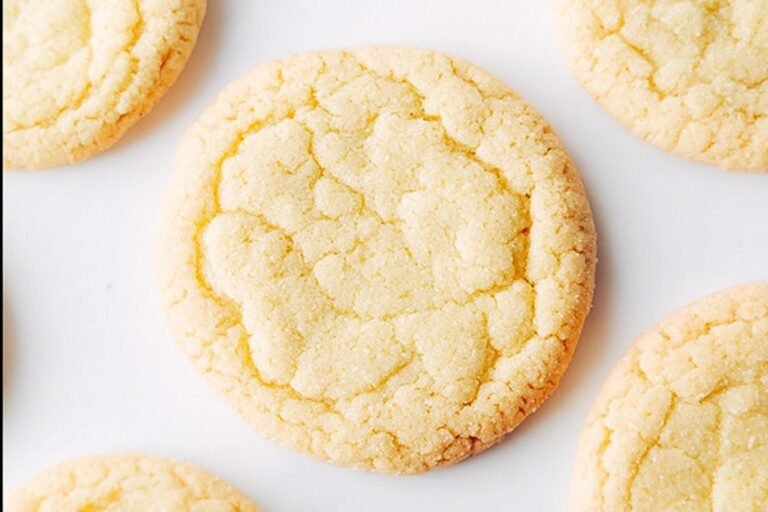
Sugar Cookies
🍪 Discover the ultimate soft and chewy sugar cookies that stay moist for days!
🍪 Perfect for holiday baking, parties, or satisfying sweet tooth cravings with simple ingredients.
- Total Time: 25 minutes
- Yield: 16 large cookies
Ingredients
– 2 1/2 cups all-purpose flour for structure
– 2 teaspoons baking powder for soft tender cookie
– 3/4 teaspoon fine sea salt for balancing sweetness and flavor
– 2 sticks unsalted butter, at cool room temperature for rich flavor and chewy bite
– 1 1/4 cups granulated sugar for sweetening the dough
– 1/4 cup granulated sugar for rolling cookie dough balls
– 1 large egg for moisture and structure
– 1 egg yolk for extra chewy and rich
– 1 teaspoon vanilla extract for flavor
Instructions
1-First Step: Get the oven and pans ready. Start by preheating your oven to 350°F. Line your baking sheets with parchment paper. This matters because parchment helps the cookies bake evenly and keeps them from sticking. It also makes cleanup easier, which is always a win on busy baking days.
2-Second Step: Mix the dry ingredients. In a medium bowl, whisk together the 2 1/2 cups all-purpose flour, 2 teaspoons baking powder, and 3/4 teaspoon fine sea salt. Whisking helps spread the baking powder and salt through the flour so every cookie bakes evenly. If your baking powder has been sitting in the pantry for a long time, it is a good idea to check that it is still fresh before you begin.
3-Third Step: Cream the butter and sugar. In a large bowl, beat the 2 sticks unsalted butter with 1 1/4 cups granulated sugar using an electric mixer. Mix until the blend looks light and fluffy. This step adds air to the dough, which helps the cookies bake up soft instead of dense. The butter should be cool room temperature, around 67°F, so the cookies spread just right. If the butter is too soft, the dough can spread too much in the oven. If it is too cold, it will not cream well with the sugar.
4-Fourth Step: Add the egg, yolk, and vanilla. Beat in the 1 large egg, 1 egg yolk, and 1 teaspoon vanilla extract until everything is combined.
5-Fifth Step: Mix in the flour mixture. Gradually add the flour mixture to the wet ingredients. Mix on low speed and stop as soon as the dough comes together. Overmixing can make the cookies tough, so take it slow. The dough should look thick and soft, but not dry.
6-Sixth Step: Shape and roll the dough. Scoop the dough into balls using about 3 tablespoons for each cookie. Roll each ball in the remaining 1/4 cup granulated sugar. This gives the cookies a pretty sparkle and a lightly crisp outer edge. Place the dough balls about 2 inches apart on the prepared sheets. Flatten each ball slightly with your hand or the bottom of a glass. You do not need to press them flat. A gentle press is enough because they will spread a little while baking.
7-Seventh Step: Bake until just set. Bake for 10 to 12 minutes, or until the cookies are set and lightly browned around the edges. Watch them closely, because overbaking is the fastest way to lose that soft texture. The centers should still look a little tender when you pull them from the oven. Light-colored baking sheets work best because they help the bottoms bake evenly. Parchment paper is a better choice than nonstick spray, which can make the cookies spread too much.
8-Eighth Step: Cool and serve. Let the cookies cool on the baking sheets for 5 minutes. Then transfer them to a wire rack to cool completely. This short rest helps them firm up without drying out. Once cooled, the cookies are ready to enjoy with milk, coffee, tea, or a simple dessert platter.
Last Step:
Please leave a rating and comment letting us know how you liked this recipe! This helps our business to thrive and continue providing free, high-quality recipes for you.Notes
💡 Use an extra egg yolk for that signature chewiness and rich texture.
🌡️ Keep butter at cool room temperature (around 67°F) to avoid excessive spreading.
❄️ Chill the dough for 24-72 hours before baking for thicker, more flavorful cookies (roll in sugar after chilling).
- Prep Time: 15 minutes
- Chill (optional): 24-72 hours
- Cook Time: 10-12 minutes
- Category: Dessert
- Method: Baking
- Cuisine: American
- Diet: Vegetarian
Nutrition
- Serving Size: 1 cookie
- Calories: 200 kcal
- Sugar: 18g
- Sodium: 150mg
- Fat: 10g
- Saturated Fat: 6g
- Unsaturated Fat: 4g
- Trans Fat: 0g
- Carbohydrates: 27g
- Fiber: 0g
- Protein: 2g
- Cholesterol: 40mg