

Why You’ll Love This Homemade Salmon Sashimi
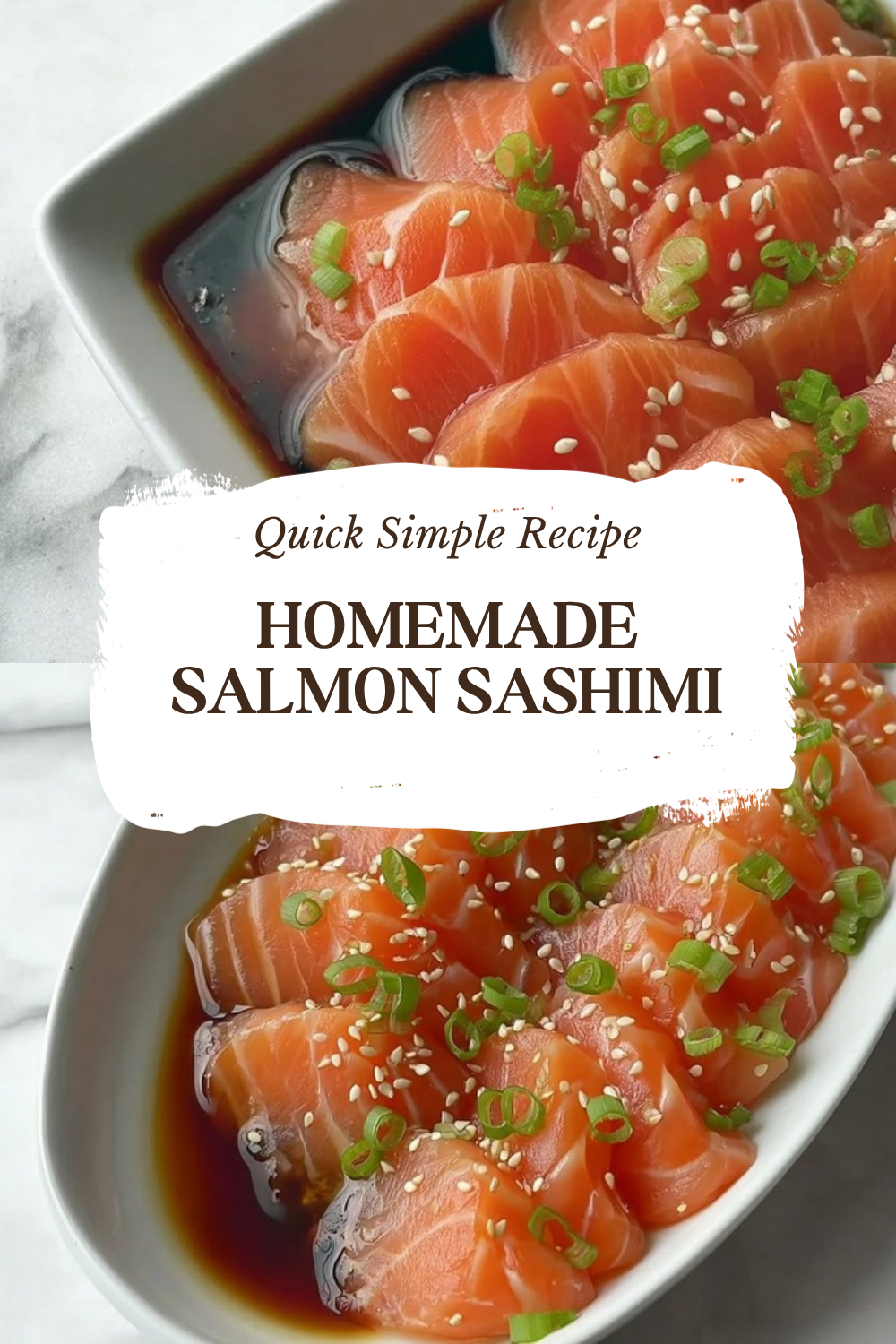
If you have ever wanted Homemade Salmon Sashimi that feels fresh, simple, and a little special, this is the kind of recipe that fits real life. It brings the clean taste of Japanese-style raw salmon to your table without needing a sushi shop, fancy tools, or a huge budget.
- Easy to make at home: This salmon sashimi recipe only needs a few ingredients and some patience. The active prep takes about 10 minutes, and the rest is freezer time, so it works well for busy parents, students, and working professionals.
- Good protein with a light feel: One serving delivers 22 grams of protein with only 7 grams of fat, which makes this fresh salmon sashimi a smart pick for diet-conscious eaters who want something satisfying but not heavy. For more on salmon nutrition, you can also read this helpful article from Cleveland Clinic on salmon benefits.
- Flexible for different meals: You can serve this salmon sashimi at home with sushi rice, wasabi, soy sauce, lemon, cucumbers, avocado, or yuzu aioli. That makes it easy to fit different tastes and meal styles.
- Clean, fresh flavor: Good japanese sashimi should taste cool, buttery, and simple. Salting the fish, freezing it properly, and slicing it cold keeps the flavor crisp and mild instead of muddy or fishy.
Fresh salmon, careful handling, and the right freezing step are what make homemade sashimi feel special and safe to serve.
For anyone who likes easy seafood at home, this japanese style salmon sashimi is a recipe worth keeping close. It feels fancy enough for guests, but it is still practical enough for a quiet dinner at home.
Essential Ingredients for Homemade Salmon Sashimi
To make this salmon sashimi recipe, keep the ingredient list short and choose each item with care. Since the fish is served raw after freezing, quality matters more than quantity.
Main ingredients
- 1 pound fresh farmed salmon – The star of the dish. Farmed salmon from a reputable source is often chosen for lower pesticide risk, and it should come from a trusted fish market or market with clear sourcing.
- 1 teaspoon salt – Helps draw out extra moisture and gives the salmon a cleaner texture before freezing.
- 1 freezer bag for storage – Protects the fish during freezing and helps prevent freezer burn.
- Optional yuzu aioli made with 1 egg yolk, yuzu juice, and olive oil – Adds a bright, creamy finish that pairs well with raw salmon.
Serving ideas
- Sushi rice – Makes the sashimi feel like a fuller meal.
- Wasabi – Brings heat and sharpness.
- Soy sauce – Adds salty depth.
- Lemon – Adds fresh citrus brightness.
- Cucumbers – Add crunch and a cool bite.
- Avocado – Brings a creamy texture that works well with salmon sashimi.
Special dietary options
- Vegan: This dish is not vegan as written, but you can swap the salmon for marinated watermelon or king oyster mushrooms if you want a raw-style plate without fish.
- Gluten-free: Use gluten-free soy sauce or tamari if needed.
- Low-calorie: Serve the sashimi with cucumber slices and lemon instead of rice to keep the plate lighter.
| Ingredient | Amount | Why it matters |
|---|---|---|
| Fresh farmed salmon | 1 pound | Provides the main flavor and texture for homemade salmon sashimi |
| Salt | 1 teaspoon | Helps season and dry the fish |
| Freezer bag | 1 bag | Protects the fish during freezing |
| Egg yolk, yuzu juice, olive oil | Optional | Makes a creamy yuzu aioli |
How to Prepare the Perfect Homemade Salmon Sashimi: Step-by-Step Guide
Making homemade salmon sashimi is less about cooking and more about handling the fish the right way. The process is simple, but each step matters for texture, flavor, and food safety. If you follow the order below, you will end up with cleaner-tasting, better-looking salmon sashimi that is ready for a Japanese-style meal at home.
First step: buy fresh salmon from a local market
Start by getting 1 pound fresh farmed salmon from a local fish market or trusted seafood counter. Buying from a local market instead of a regular grocery store often gives you better control over freshness and sourcing. Before you buy, research where the salmon came from so you know it is safe for raw consumption.
Second step: pat the salmon dry and salt it
Once you get home, pat the salmon dry with a paper towel. Then add 1 teaspoon salt per pound and let it sit for 20 minutes. This step helps pull out extra moisture and gives the fish a cleaner, firmer bite. If you are using already frozen salmon, still do this salting step.
Third step: rinse and dry again
After the 20 minutes are up, rinse the salmon under running water. Then pat it dry again. This may seem small, but it helps remove excess salt and moisture so the fish freezes and slices better later.
Fourth step: pack and freeze the fish
Place the salmon in a freezer bag for storage. Try to press out extra air before sealing it, since that helps keep freezer burn away. Freeze the salmon for at least 7 days at -4 degrees Fahrenheit or -20 degrees Celsius to help kill parasites. You can freeze it for 7 days to 1 month if you want a wider window before serving.
For raw fish, the freezer step is not optional. It is the part that turns a simple salmon recipe into something safer for sashimi-style eating.
Fifth step: defrost slowly in the refrigerator
The night before you want to eat it, move the salmon from the freezer to the refrigerator. Slow thawing keeps the texture better than leaving it out on the counter. This also helps the fish stay cold and firm for slicing.
Sixth step: pat dry and slice
Before serving, pat the salmon dry once more. A dry surface makes cleaner cuts and gives you prettier slices. Slice the salmon into sashimi pieces with a sharp knife, working against the grain if possible for a tender bite.
Seventh step: plate and serve
Serve your japanese style salmon sashimi with sushi rice, wasabi, soy sauce, yuzu aioli, lemon, cucumbers, or avocado. The bright yuzu aioli adds a creamy citrus note, while the soy sauce and wasabi keep things classic. If you like a more complete plate, build a small sashimi bowl with rice, sliced cucumber, and avocado.
Final step: crisp up the skin if you have it
If the salmon skin is left on, fry it in oil for 5 to 7 minutes until crispy. It makes a great crunchy snack or garnish. A little salt on top is usually enough.

Dietary Substitutions to Customize Your Homemade Salmon Sashimi
Protein and main component alternatives
Not everyone wants to use salmon every time, and that is fine. If you like the idea of sashimi-style food but want a different main ingredient, you can make a few swaps based on what is available and what fits your diet.
- Wild salmon: Sockeye or coho can be used too, but they need 8 to 10 days of freezing before serving.
- Tuna: Another common raw fish choice if you buy sushi-grade fish from a trusted source.
- Vegetarian-style plate: Use watermelon, avocado, or king oyster mushrooms for a sashimi-inspired dish without seafood.
Vegetable, sauce, and seasoning modifications
You can change the plate around to fit your mood or the season. Keep the fish simple and let the extras do the work if you want more flavor without making the dish heavy.
- Instead of yuzu aioli: Try plain lemon juice, a little olive oil, or a light sesame dressing.
- Instead of sushi rice: Use cauliflower rice for a lower-carb meal.
- Instead of avocado: Try thin radish slices or shredded cucumber for crunch.
- Instead of soy sauce: Use tamari if you need a gluten-free option.
If you want a sweeter finish after dinner, a simple dessert like this peach cobbler recipe from Gold Recipe can round out the meal nicely.
Mastering Homemade Salmon Sashimi: Advanced Tips and Variations
Once you have made homemade salmon sashimi once or twice, small details start to matter more. These tips can help you get a cleaner texture, better flavor, and a nicer presentation.
Pro cooking techniques
- Use a very sharp knife so the slices stay smooth instead of ragged.
- Keep the salmon cold until the last minute so it stays firm while slicing.
- Always pat the fish dry before serving to remove surface moisture.
- Use a freezer bag to protect the salmon and help prevent freezer burn.
Flavor variations
A simple salmon sashimi plate does not need much, but small add-ons can change the feel of the dish. A little yuzu aioli gives it a citrusy creaminess, while lemon adds a sharper bite. If you want a richer plate, avocado makes it smoother, and cucumber keeps it fresh and crisp.
Presentation tips
For a polished look, fan the salmon slices across a chilled plate. Add a small mound of wasabi, a few cucumber ribbons, and a lemon wedge on the side. If you want a restaurant-style touch, spoon a little yuzu aioli underneath part of the fish so it looks neat and colorful.
Make-ahead options
This recipe works well for planning ahead. You can salt, rinse, pack, and freeze the salmon days or weeks before you want to serve it. That makes it a smart option for busy parents, party hosts, or anyone who wants a special meal ready with very little last-minute work.
If you enjoy simple homemade treats and want something sweet to serve later, you may also like this easy banana bread recipe for a casual dessert or snack.
How to Store Homemade Salmon Sashimi: Best Practices
Refrigeration
Once the salmon is thawed, keep it in the refrigerator until you are ready to slice and serve. Do not leave raw fish at room temperature for long. If you have leftovers, refrigerate them right away and eat them soon after.
Freezing
For long-term storage, keep the salmon in a freezer bag and freeze it for at least 7 days at -4 degrees Fahrenheit or -20 degrees Celsius. You can store it for up to 1 month before using it. This helps protect the texture and supports safer raw consumption when handled properly.
Reheating
You do not reheat salmon sashimi. Since it is meant to be eaten raw, the best move is gentle thawing in the refrigerator. If you want warm leftovers, fry the skin separately until crispy instead.
Meal prep considerations
If you are meal prepping, freeze the salmon in the portion size you plan to serve. That way you only thaw what you need. This also keeps the fish from sitting around too long once opened.
FAQs: Frequently Asked Questions About Homemade Salmon Sashimi
Print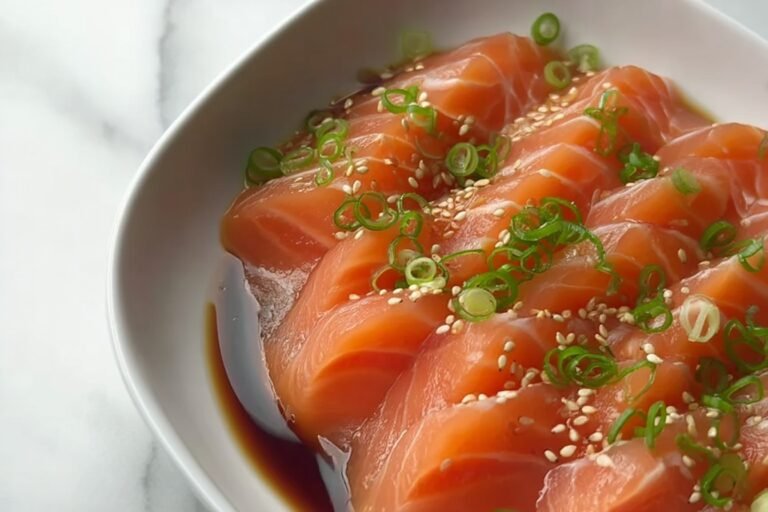
Homemade Salmon Sashimi
🐟 Savor silky, melt-in-your-mouth salmon sashimi safely at home – omega-3 powerhouse for heart health!
🍣 Authentic Japanese elegance with high protein, zero carbs – perfect quick appetizer or light meal.
- Total Time: 7 days 10 minutes
- Yield: 4 servings
Ingredients
– 1 pound fresh farmed salmon for main flavor and texture
– 1 teaspoon salt for seasoning and drying the fish
– Optional egg yolk, yuzu juice, olive oil for creamy yuzu aioli
Instructions
1-First step: buy fresh salmon from a local market Start by getting 1 pound fresh farmed salmon from a local fish market or trusted seafood counter. Buying from a local market instead of a regular grocery store often gives you better control over freshness and sourcing. Before you buy, research where the salmon came from so you know it is safe for raw consumption.
2-Second step: pat the salmon dry and salt it Once you get home, pat the salmon dry with a paper towel. Then add 1 teaspoon salt per pound and let it sit for 20 minutes. This step helps pull out extra moisture and gives the fish a cleaner, firmer bite. If you are using already frozen salmon, still do this salting step.
3-Third step: rinse and dry again After the 20 minutes are up, rinse the salmon under running water. Then pat it dry again. This may seem small, but it helps remove excess salt and moisture so the fish freezes and slices better later.
4-Fourth step: pack and freeze the fish Place the salmon in a freezer bag for storage. Try to press out extra air before sealing it, since that helps keep freezer burn away. Freeze the salmon for at least 7 days at -4 degrees Fahrenheit or -20 degrees Celsius to help kill parasites. You can freeze it for 7 days to 1 month if you want a wider window before serving.
5-Fifth step: defrost slowly in the refrigerator The night before you want to eat it, move the salmon from the freezer to the refrigerator. Slow thawing keeps the texture better than leaving it out on the counter. This also helps the fish stay cold and firm for slicing.
6-Sixth step: pat dry and slice Before serving, pat the salmon dry once more. A dry surface makes cleaner cuts and gives you prettier slices. Slice the salmon into sashimi pieces with a sharp knife, working against the grain if possible for a tender bite.
7-Seventh step: plate and serve Serve your japanese style salmon sashimi with sushi rice, wasabi, soy sauce, yuzu aioli, lemon, cucumbers, or avocado. The bright yuzu aioli adds a creamy citrus note, while the soy sauce and wasabi keep things classic. If you like a more complete plate, build a small sashimi bowl with rice, sliced cucumber, and avocado.
8-Final step: crisp up the skin if you have it If the salmon skin is left on, fry it in oil for 5 to 7 minutes until crispy. It makes a great crunchy snack or garnish. A little salt on top is usually enough.
Last Step:
Please leave a rating and comment letting us know how you liked this recipe! This helps our business to thrive and continue providing free, high-quality recipes for you.Notes
🛒 Choose farmed salmon from trusted sources; research origin for safety before raw eating.
❄️ Freeze 7-30 days at -20°C minimum – even pre-frozen salmon needs the salting step.
🥢 Pat dry thoroughly before slicing for the best texture and presentation.
- Prep Time: 10 minutes
- Freezing + Defrost: 7 days
- Cook Time: 0 minutes
- Category: Appetizer
- Method: No-Cook
- Cuisine: Japanese
- Diet: Pescatarian, Keto, Paleo, High Protein
Nutrition
- Serving Size: 4 oz
- Calories: 161 kcal
- Sugar: 0g
- Sodium: 631mg
- Fat: 7g
- Saturated Fat: 1g
- Unsaturated Fat: 5g
- Trans Fat: 0g
- Carbohydrates: 0g
- Fiber: 0g
- Protein: 22g
- Cholesterol: 62mg