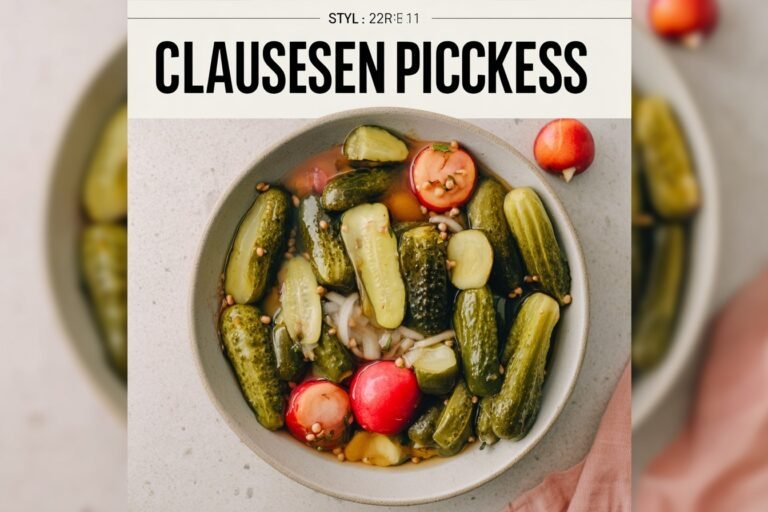
Ingredients
Instructions
1-First Step: Make the brine Start with a clean pitcher or mixing container. Add 2 quarts cold water and 1/2 cup white vinegar, then stir in 1/3 cup canning or pickling salt, 1 teaspoon coriander seed, 1/2 teaspoon mustard seed, 1/4 teaspoon red pepper flakes, 1 tablespoon black peppercorns, and 1/4 teaspoon dried garlic. Stir until the salt dissolves as much as possible. Use vinegar with at least 5 percent acidity and do not reduce the amount, because the vinegar helps with flavor and safety. A 4-cup measuring cup can be handy if you want to portion the liquid before pouring it into jars. If you like a crunchier pickle, add 1/4 teaspoon of pickle crisper to each quart jar later in the process.
2-Second Step: Wash and trim the cucumbers Wash the pickling cucumbers well under cool running water. Trim 1/8 inch off the blossom end of each cucumber, since leaving that tip on can make the pickles turn soft or mushy. This small step makes a big difference in texture. After trimming, slice each cucumber in half lengthwise. That shape helps the brine move around the cucumbers more evenly and gives you classic spear-style refrigerator pickles.
3-Third Step: Pack the jars Divide the dill seed and dried garlic between two clean quart jars. If you are using pickle crisper, add 1/4 teaspoon to each jar now. Then fill the jars with the cucumber halves, packing them snugly but not so tightly that the brine cannot move between them. Clean jars matter a lot here, so wash everything well before you begin. It also helps to wash your hands before handling the cucumbers, especially if you are packing several jars at once.
4-Fourth Step: Strain and pour the brine Set the fine mesh colander over a bowl or another pitcher and strain the brine so the whole spices stay separated from the liquid. Distribute the solids evenly between the jars. Then pour the strained brine over the cucumbers until they are covered up to the bottom of the jar neck. Make sure the cucumbers stay submerged. If they float, gently press them down with a clean utensil. Keeping everything below the brine line helps with even pickling and better texture.
5-Fifth Step: Let the pickles rest on the counter Cover the jars lightly with lids. Do not tighten them all the way yet, because the jars need some air exchange during the first day. Leave the jars on the counter for 1 day. During this time, the flavor begins to develop and the brine starts working into the cucumbers. Set the jars in a cool spot away from direct sunlight. If you notice a little surface film or scum forming, that can happen during fermentation. Skim it off with a clean spoon. A white sediment at the bottom later on is normal and not harmful.
6-Sixth Step: Refrigerate until ready After the first day, move the jars to the refrigerator for 2 to 3 more days. The pickles will become more flavorful and crisp as they chill. By the end of that short wait, they should taste close to the classic Claussen style people love. Once the flavor is where you want it, secure the lids and keep the jars in the refrigerator. The pickles can last up to six months when stored properly. For many people, the best flavor shows up after a few days, but they keep developing nicely for a couple of weeks.
7-Seventh Step: Serve and enjoy Serve the pickles cold straight from the jar, or slice them into sandwich toppings, chopped relish, or snack plates. They work well beside burgers, grilled chicken, pulled pork, and picnic food. If you are planning a bigger spread, these pickles are also great next to dishes like Cowboy Cornbread Casserole or Paula Deen Mac and Cheese. The texture is best when they stay cold and submerged in brine. If you see a bit of harmless sediment, just leave it alone or rinse the pickles before serving if you prefer. The flavor will still be bright, sharp, and pleasantly garlicky.
Last Step:
Please leave a rating and comment letting us know how you liked this recipe! This helps our business to thrive and continue providing free, high-quality recipes for you.Notes
🥒 Always trim the blossom end of cucumbers to avoid mushy pickles.
🧂 Use only pickling or coarse kosher salt to prevent cloudy brine.
🔍 Add pickle crisper to jars for maximum crunchiness.
- Prep Time: 25 minutes
- Fermentation & Refrigeration: 3 days
- Cook Time: 0 minutes
- Category: Condiments
- Method: Fermenting
- Cuisine: American
- Diet: Vegan, Gluten-Free, Low-Calorie
Nutrition
- Serving Size: 1 pickle
- Calories: 20 kcal
- Sugar: 1g
- Sodium: 1647mg
- Fat: 0g
- Saturated Fat: 0g
- Unsaturated Fat: 0g
- Trans Fat: 0g
- Carbohydrates: 3g
- Fiber: 1g
- Protein: 1g
- Cholesterol: 0mg