
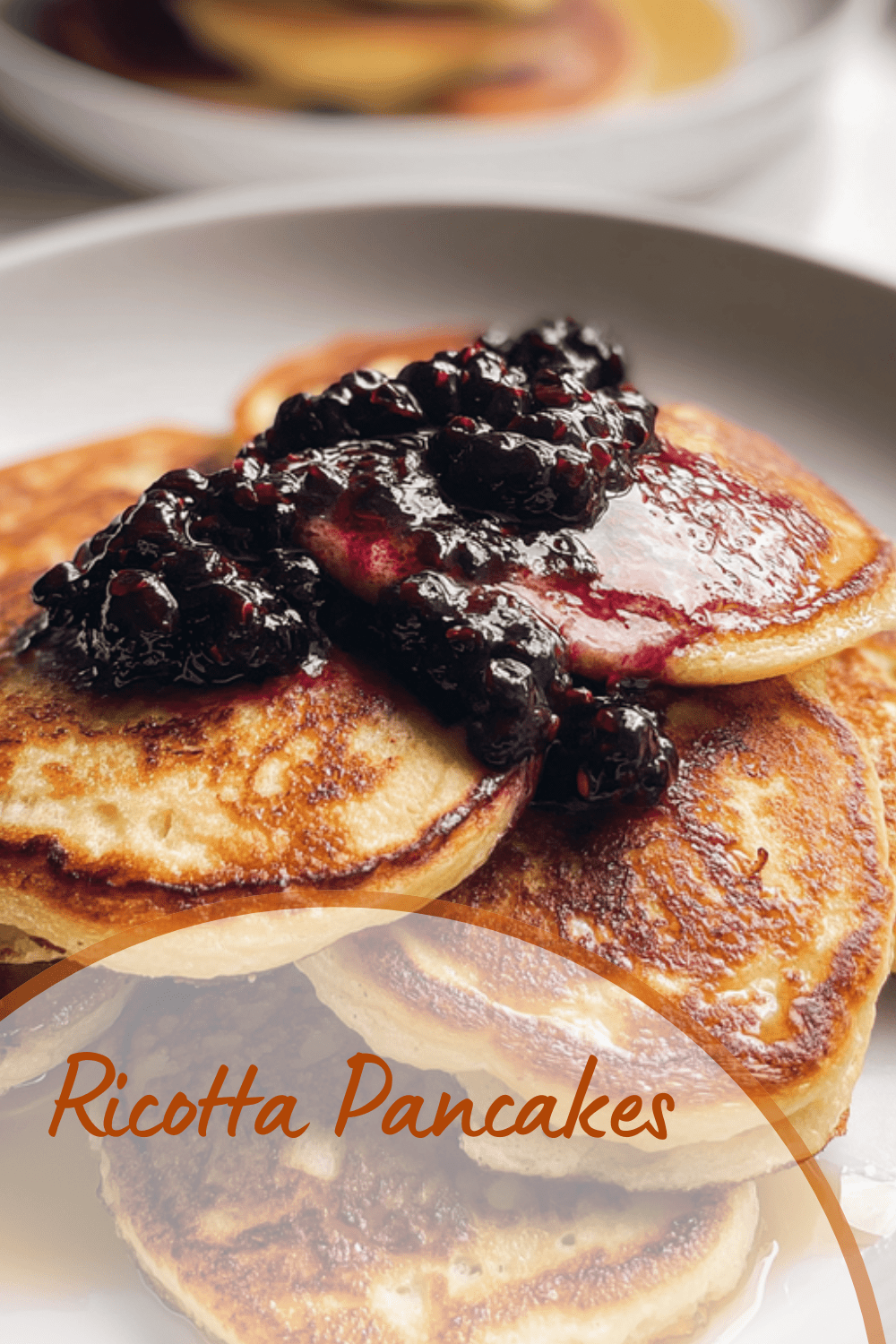
Why You’ll Love This Ricotta Pancakes
If you’re looking for a breakfast recipe that will brighten your morning and delight your taste buds, these lemon ricotta pancakes are exactly what you need. You’re going to love how these pancakes combine simplicity with incredible flavor, creating a special breakfast treat without any complicated techniques or hard-to-find ingredients.
The ease of preparation makes this ricotta pancakes recipe perfect for busy mornings or effortless weekend brunches. With just a few basic ingredients and straightforward steps, you’ll have golden-brown pancakes on the table in less time than you might think. No special equipment or culinary expertise required!
“These ricotta pancakes transformed my breakfast routine. They’re simple enough for weekdays but special enough for guests!” – Sarah, home cook
When it comes to health benefits, ricotta cheese adds a boost of protein and calcium to these pancakes, supporting bone health and muscle repair. Unlike many breakfast options that leave you hungry an hour later, the protein in these ricotta pancakes will help keep you satisfied until lunchtime. Plus, ricotta is lower in fat compared to many other cheeses, making these pancakes a smarter breakfast choice.
The versatility of this recipe makes it a true kitchen staple. These ricotta pancakes can be easily adapted for various dietary needs, including gluten-free and low-calorie options, by swapping just a few ingredients without sacrificing taste. Whether you’re cooking for picky eaters, dietary restrictions, or just want to experiment with flavors, this recipe won’t disappoint.
What truly sets these pancakes apart is their distinctive flavor. The creamy ricotta lends a unique, rich taste that distinguishes these pancakes from traditional recipes. When combined with fresh lemon, you get a bright, citrusy note that cuts through the richness perfectly, offering a delightful twist every time you take a bite. It’s this balance of creamy and fresh that makes these pancakes unforgettable.
Essential Ingredients for Ricotta Pancakes
Creating delicious lemon ricotta pancakes starts with gathering the right ingredients. This recipe uses pantry staples plus one special ingredient that makes all the difference: ricotta cheese! Here’s everything you’ll need to make breakfast magic happen.
Main Ingredients
- 1 cup ricotta cheese – adds creaminess and protein
- 1 cup all-purpose flour – provides structure
- 2 tablespoons sugar – balances flavors with sweetness
- 2 large eggs – binds the batter
- 1/2 cup milk – adjusts batter consistency
- 1 teaspoon baking powder – helps pancakes rise
- Pinch of salt – enhances overall flavor
- 1 tablespoon lemon zest – brings bright citrus flavor
- 2 tablespoons lemon juice – adds tang and brightness
Each ingredient plays an important role in creating the perfect pancake texture and flavor. The ricotta cheese provides moisture and that distinctive creamy texture, while the lemon adds a fresh, bright note that makes these pancakes truly special.
Special Dietary Options
If you’re cooking with specific dietary needs in mind, don’t worry! This recipe can be easily adapted:
| Dietary Need | Substitutions |
|---|---|
| Vegan | Use plant-based ricotta and replace eggs with flaxseed meal (2 tbsp ground flax + 6 tbsp water) or applesauce |
| Gluten-free | Substitute all-purpose flour with almond flour or oat flour (1:1 ratio) |
| Low-calorie | Opt for low-fat ricotta and unsweetened almond milk, reduce sugar to 1 tablespoon or use a natural sweetener |
Even with these substitutions, you’ll still get delicious pancakes that everyone at the table will enjoy, regardless of their dietary preferences or restrictions.
How to Prepare the Perfect Ricotta Pancakes: Step-by-Step Guide
You’re going to love how straightforward this recipe is! Follow these simple steps to create fluffy, flavorful pancakes that will have everyone asking for seconds. The key is preparing your ingredients ahead of time and following each step carefully for the best results.
First Step: Preparation
Gather all ingredients and prep measuring tools to ensure efficiency. Adjust ingredients per dietary preferences (e.g., use gluten-free flour if needed). There’s nothing worse than being midway through a recipe only to realize you’re missing an ingredient! Make sure your ricotta is at room temperature for easier mixing, and squeeze fresh lemons for the zest and juice.
Second Step: Mixing the Wet Ingredients
In a mixing bowl, whisk together ricotta cheese, eggs, and milk until smooth for the batter base. This creates the creamy foundation of your pancakes. Continue whisking until no lumps remain and the mixture is uniform in consistency. Add the lemon zest and lemon juice at this stage, mixing gently to distribute the citrus flavor throughout.
Third Step: Combining the Dry Ingredients
In another bowl, combine flour, baking powder, sugar, and salt, then gradually fold dry ingredients into wet mixture for a smooth batter. Be careful not to overmix – a few small lumps are perfectly fine and actually help create a tender pancake. Overmixing develops gluten, which can make your pancakes tough instead of fluffy.
Fourth Step: Cooking the Pancakes
Preheat a non-stick skillet over medium heat, lightly greased with butter or oil. Pour batter in small rounds (about ¼ cup per pancake), cooking for 2-3 minutes until bubbles form and edges set. The surface should look slightly dry around the edges before you flip. This is especially important when using alternative flours, as they may need slightly different cooking times.
Fifth Step: Flipping and Finishing
Flip each pancake and cook for another 2 minutes until golden brown and cooked through. Adjust heat as needed to prevent burning – if the bottoms are browning too quickly, reduce the heat slightly. The second side usually cooks faster than the first, so keep a close eye on them!
Final Step: Serving and Enjoying
Serve immediately with toppings of choice, such as fresh fruit or a drizzle of honey. These pancakes taste best fresh off the griddle, but if you’re meal prepping, cool completely before storing. I love topping mine with a spoonful of Greek yogurt and a sprinkle of additional lemon zest for extra fresh flavor.

Dietary Substitutions to Customize Your Ricotta Pancakes
One of the best things about this ricotta pancakes recipe is how easily it adapts to different dietary preferences and restrictions. Whether you’re cooking for specific health needs or just want to experiment with new flavors, these substitutions will help you create the perfect pancake for any occasion.
Protein and Main Component Alternatives
If you want to change up the protein profile of your pancakes, try substituting ricotta with cottage cheese for a similar texture with slightly lower fat content. Silken tofu works well for a dairy-free option, providing a creamy consistency without animal products. For those looking to increase their protein intake, vegan ricotta made from nuts or soy serves as an excellent plant-based alternative. You can also incorporate a scoop of protein powder directly into the dry ingredients to boost protein content without significantly changing the texture or flavor.
Vegetable, Sauce, and Seasoning Modifications
Think beyond the classic lemon ricotta combination by adding grated zucchini or carrot for extra vegetables and moisture. These additions also bring natural sweetness and vibrant color to your pancakes. For flavor variations, try experimenting with different seasonings like cinnamon, vanilla extract, or cardamom to completely change the taste profile. If you prefer savory pancakes, omit the sugar and add herbs like rosemary or thyme instead. When it comes to toppings, consider using nut butters, pure maple syrup, or fresh berries according to your preference or dietary needs. The possibilities are truly endless!
Mastering Ricotta Pancakes: Advanced Tips and Variations
Once you’ve mastered the basic recipe, you’ll want to take your ricotta pancakes to the next level. These advanced tips will help you perfect your technique and create restaurant-quality pancakes in your own kitchen. You’re going to love how these small changes can make a big difference in your final result.
For pro cooking techniques, remember to always fold the batter gently rather than stirring vigorously. This maintains airiness and prevents the pancakes from becoming tough. A cast iron pan makes an excellent cooking surface, providing even heat distribution that helps pancakes cook uniformly without hot spots that can cause burning. Preheating your pan properly is also crucial – a drop of water should sizzle and evaporate quickly when the pan is ready.
Flavor variations are where you can really get creative! While lemon ricotta is a classic combination, try incorporating different herbs like rosemary for savory pancakes or mix fresh berries directly into the batter for natural sweetness and bursts of fruit flavor. Chocolate chips, toasted nuts, or even coconut flakes can add interesting texture and taste elements that will surprise and delight your breakfast guests.
“The secret to amazing ricotta pancakes is not overmixing the batter and letting it rest for 5-10 minutes before cooking. This gives the flour time to hydrate and results in fluffier pancakes every time!” – Chef Martin
When it comes to presentation, a little effort goes a long way. Stack pancakes with layers of fresh fruit and a dusting of powdered sugar, garnished with mint leaves for an elegant touch. A simple berry compote or citrus-infused syrup can transform your pancakes into something truly special-looking, even though the preparation remains simple.
For make-ahead options, prepare the batter the night before and refrigerate it. This actually improves the flavor and texture! In the morning, just give it a gentle stir before cooking. To store cooked pancakes, allow them to cool completely, then freeze individually on a baking sheet before transferring to freezer bags. When you’re ready to eat, simply reheat in a toaster or oven for a fresh-tasting breakfast in minutes.
How to Store Ricotta Pancakes: Best Practices
One of the great advantages of these ricotta pancakes is that they store beautifully, making them perfect for meal prep or when you want to make a double batch for busier days. Following these storage practices will ensure your pancakes remain as delicious as when they were first cooked.
For refrigeration, place cooked ricotta pancakes in an airtight container in the refrigerator for up to 3 days to maintain freshness. Place parchment paper between layers to prevent them from sticking together. When stored properly, the pancakes retain their moisture and texture, making them a convenient grab-and-go breakfast option.
To freeze pancakes for longer storage, arrange them in a single layer on a baking sheet and place in the freezer until firm. This prevents them from freezing into one solid block. Once frozen, transfer the pancakes to freezer bags, pressing out excess air before sealing. Properly stored, your ricotta pancakes will last for up to 2 months in the freezer without losing quality.
When it’s time to enjoy your stored pancakes, proper reheating is key to preserving their texture. Warm refrigerated pancakes in a toaster or oven at 350°F for about 5 minutes, or reheat directly from frozen in a toaster until hot throughout and slightly crispy on the edges. You can also gently warm them in a skillet over low heat with a bit of butter to refresh their flavor without drying them out. Avoid the microwave if possible, as it tends to make pancakes rubbery rather than fluffy.
For meal prep considerations, make large batches on the weekend when you have more time. Portion them appropriately for your household’s needs, typically 2-3 pancakes per serving. Use the recommended storage methods above to save precious time during busy weekday mornings while still enjoying a homemade, nutritious breakfast. You’ll appreciate having these ready-to-eat pancakes on hand when you’re rushing to get out the door!
FAQs: Frequently Asked Questions About Ricotta Pancakes
What makes ricotta pancakes different from regular pancakes?
Can I use low-fat ricotta cheese to make ricotta pancakes?
How do I prevent my ricotta pancakes from sticking to the pan?
Are ricotta pancakes a good source of protein?
Can ricotta pancakes be made ahead and reheated?
Ricotta Pancakes
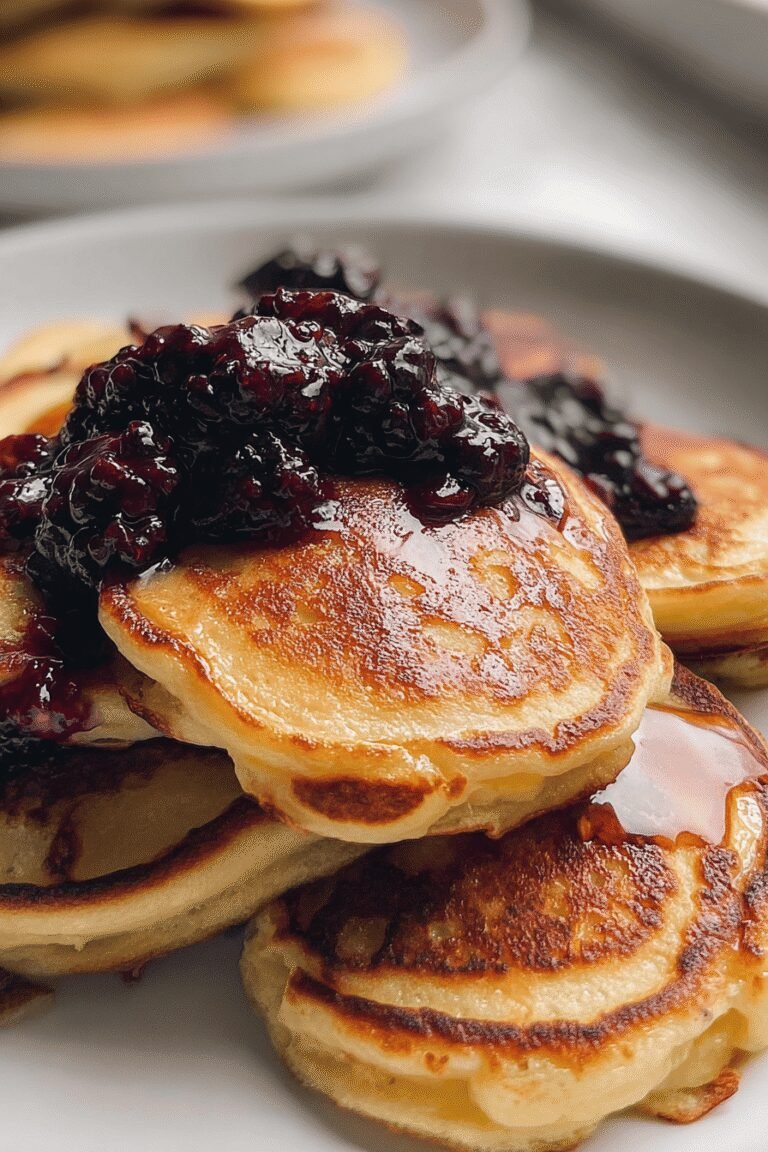
🍋 Lemon Ricotta Pancakes Recipe with Fresh Citrus Flavor offers a light, fluffy breakfast option infused with bright, fresh lemon zest for a delightful morning treat.
🥞 These pancakes combine creamy ricotta for moisture and tenderness, making them a satisfying and delicious way to start your day.
- Total Time: 25 minutes
- Yield: 8-10 pancakes
Ingredients
– 1 cup ricotta cheese adds creaminess and protein
– 1 cup all-purpose flour provides structure
– 2 tablespoons sugar balances flavors with sweetness
– 2 large eggs binds the batter
– 1/2 cup milk adjusts batter consistency
– 1 teaspoon baking powder helps pancakes rise
– Pinch of salt enhances overall flavor
– 1 tablespoon lemon zest brings bright citrus flavor
– 2 tablespoons lemon juice adds tang and brightness
Instructions
First Step: Preparation: Gather all ingredients and prep measuring tools to ensure efficiency. Adjust ingredients per dietary preferences (e.g., use gluten-free flour if needed). There’s nothing worse than being midway through a recipe only to realize you’re missing an ingredient! Make sure your ricotta is at room temperature for easier mixing, and squeeze fresh lemons for the zest and juice.
Second Step: Mixing the Wet Ingredients: In a mixing bowl, whisk together ricotta cheese, eggs, and milk until smooth for the batter base. This creates the creamy foundation of your pancakes. Continue whisking until no lumps remain and the mixture is uniform in consistency. Add the lemon zest and lemon juice at this stage, mixing gently to distribute the citrus flavor throughout.
Third Step: Combining the Dry Ingredients: In another bowl, combine flour, baking powder, sugar, and salt, then gradually fold dry ingredients into wet mixture for a smooth batter. Be careful not to overmix – a few small lumps are perfectly fine and actually help create a tender pancake. Overmixing develops gluten, which can make your pancakes tough instead of fluffy.
Fourth Step: Cooking the Pancakes: Preheat a non-stick skillet over medium heat, lightly greased with butter or oil. Pour batter in small rounds (about ¼ cup per pancake), cooking for 2-3 minutes until bubbles form and edges set. The surface should look slightly dry around the edges before you flip. This is especially important when using alternative flours, as they may need slightly different cooking times.
Fifth Step: Flipping and Finishing: Flip each pancake and cook for another 2 minutes until golden brown and cooked through. Adjust heat as needed to prevent burning – if the bottoms are browning too quickly, reduce the heat slightly. The second side usually cooks faster than the first, so keep a close eye on them!
Final Step: Serving and Enjoying: Serve immediately with toppings of choice, such as fresh fruit or a drizzle of honey. These pancakes taste best fresh off the griddle, but if you’re meal prepping, cool completely before storing. I love topping mine with a spoonful of Greek yogurt and a sprinkle of additional lemon zest for extra fresh flavor.
Last Step:
Please leave a rating and comment letting us know how you liked this recipe! This helps our business to thrive and continue providing free, high-quality recipes for you.Notes
🍋 Use fresh lemon zest and juice for the best citrus flavor.
🥞 Do not overmix the batter to keep pancakes light and fluffy.
🔥 Cook pancakes on medium heat to avoid burning and ensure even cooking.
- Prep Time: 10 minutes
- Cook Time: 15 minutes
- Category: Breakfast, Brunch
- Method: Mixing, Pan-frying
- Cuisine: American
Nutrition
- Serving Size: 1-2 pancakes