
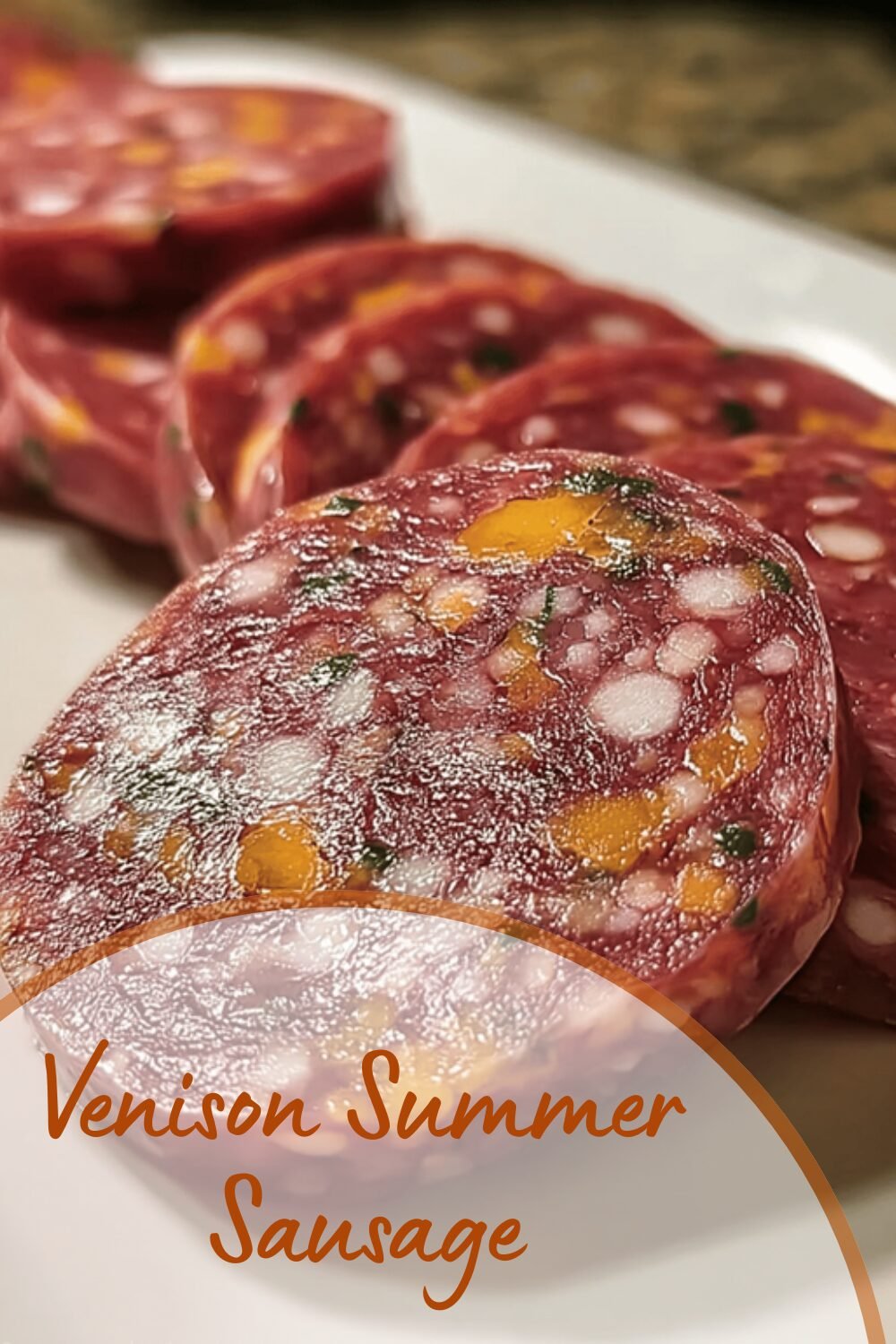
Why You’ll Love This Venison Summer Sausage
This venison summer sausage recipe stands out for its balance of rich, bold flavors and easy steps that make it accessible for cooks of all levels. You’ll appreciate how the lean venison delivers a deep, gamey taste enhanced by spices like coriander and black pepper, creating a treat that’s perfect for snacks or meals. Whether you’re a busy parent looking for quick prep or a food enthusiast exploring new tastes, this sausage offers versatility that fits various lifestyles.
Beyond its flavor, venison summer sausage boasts health benefits from high protein and low fat content, making it a smart choice for diet-conscious individuals. The recipe adapts easily to dietary needs, such as gluten-free options, while keeping preparation simple and rewarding. Once you try it, the distinctive seasoning will make it a go-to favorite for gatherings or quiet nights in.
Key Benefits Highlighted
- Minimal ingredients and steps reduce prep time, ideal for beginners.
- Rich in nutrients like iron and protein, supporting a balanced diet.
- Flexible for substitutions, ensuring everyone can enjoy a personalized version.
You’ll find this recipe yields about 25 servings, providing a fully cured, shelf-stable sausage that lasts up to weeks when stored properly. It’s not just food; it’s a way to bring people together with its hearty, memorable taste.
Essential Ingredients for Venison Summer Sausage
Gathering the right ingredients is the first step to making a delicious venison summer sausage that captures authentic Dutch/German flavors. Below is a complete list based on the recipe, ensuring you have everything needed for success. Each item includes precise measurements to help you measure accurately and avoid mistakes.
Full Ingredients List
- 3 ½ pounds venison – the main protein for a lean base
- 1 pound fatty pork shoulder – adds moisture and richness
- ½ pound pork fatback – enhances texture and prevents dryness
- 51 grams salt – essential for seasoning and preservation
- 6 grams curing salt with sodium nitrate – key for safety during drying
- 10 grams dextrose or granulated sugar – provides a touch of sweetness for balance
- 1 tablespoon cracked black pepper – delivers mild heat and depth
- 1 tablespoon coarsely ground coriander seed – adds aromatic, citrusy notes
- 2 teaspoons coarsely ground mustard seed – contributes tang and spice
- 1 teaspoon powdered ginger – enhances warmth and zest
- ½ teaspoon ground cloves – offers a subtle, sweet-spicy finish
- ¼ cup malt vinegar (or substitute with cider vinegar) – aids in fermentation and flavor
- ½ cup distilled water – used to dissolve the starter culture
- 10 grams starter culture – crucial for safe fermentation
- Hog casings, preferably 38-42 mm wide – for stuffing and shaping
Special dietary options can be explored later, but these core ingredients ensure the sausage’s traditional taste and texture. Always use fresh, high-quality meats to get the best results in your venison summer sausage.
How to Prepare the Perfect Venison Summer Sausage: Step-by-Step Guide
Creating venison summer sausage at home is a rewarding process that combines tradition with practical tips for safety and flavor. Start by cutting 3 ½ pounds of venison, 1 pound of fatty pork shoulder, and ½ pound of pork fatback into grinder-sized chunks, trimming away any sinew or silver skin to keep things clean. Mix 10 grams of dextrose, 51 grams of salt, and 6 grams of curing salt with the meat, then refrigerate overnight to let the flavors begin to develop.
Next, chill your grinding equipment in the freezer and combine 1 teaspoon of powdered ginger, ½ teaspoon of ground cloves, and half of the 1 tablespoon cracked black pepper, 1 tablespoon coriander seed, and 2 teaspoons mustard seed with the chilled meat and fat. Refrigerate the mixture until it reaches about 30°F, while soaking the hog casings in warm water and chilling the ¼ cup of malt vinegar.
Grind the meat mixture first through a coarse 10 mm die, then a fine 4.5 mm die, keeping the temperature below 35°F to maintain quality chill if needed to avoid any issues. After grinding, chill the mixture to 28-32°F, add the remaining spices, the chilled malt vinegar, and 10 grams of starter culture dissolved in ½ cup of distilled water. Mix and knead with cold hands for about 2 minutes until it’s nearly emulsified for a proper bind.
Stuffing and Fermenting Steps
Cut the hog casings into 2-foot lengths and stuff them loosely with slightly more than 1 foot of sausage per link, leaving extra casing for tying. Compress the stuffed links carefully, remove air pockets by pricking with a sterile needle, and tie the ends with double or triple knots for security.
Hang the links on a rack and ferment at 65-80°F with about 85% humidity for 3 days, using a humidifier and open-ended plastic bags while spritzing daily. Follow up with cold smoking for up to 4 hours at under 100°F, then dry in a 50-60°F environment, adjusting humidity gradually over 4-8 weeks for the desired texture. For more ideas on related recipes, check out our guide on spicy seafood options that pair well with sausages.
Active prep time is about 3 hours, with fermentation taking 3 days and drying up to 8 weeks, yielding around 25 servings of flavorful, shelf-stable venison summer sausage.

Dietary Substitutions to Customize Your Venison Summer Sausage
Making venison summer sausage adaptable means you can tweak it for different needs without losing its core appeal. For instance, if you’re aiming for a leaner version, substitute venison with turkey or chicken, which keeps the protein high while reducing fat content. Plant-based meat substitutes can replace the meat entirely for vegan diets, ensuring everyone at the table enjoys a similar texture and taste.
When it comes to seasonings, swap garlic powder with fresh garlic for a bolder kick, or use smoked paprika to add smoky notes that complement the venison. For those with gluten sensitivities, opt for certified gluten-free spices and ensure your curing salt is free of additives don’t forget, cider vinegar works as a great stand-in for malt vinegar.
- Protein swaps: Turkey or chicken for lower fat.
- Seasoning changes: Fresh garlic instead of powder for more punch.
- Allergy-friendly: Gluten-free options to keep it safe for all.
These adjustments let you tailor the recipe to seasonal ingredients or personal tastes, all while maintaining the essence of venison summer sausage.
Mastering Venison Summer Sausage: Advanced Tips and Variations
Once you’re comfortable with the basics, dive into advanced techniques to elevate your venison summer sausage game. Use a meat grinder with a fine plate for a consistent texture, and always control smoking time and temperature to avoid overcooking keep it under 100°F for that perfect cold smoke. Incorporating juniper berries or rosemary can add aromatic layers, making each batch feel unique and exciting.
For presentation, slice thinly and pair with cheeses and crackers for an appealing platter, or garnish with fresh herbs to impress your guests. If you’re planning ahead, prepare the sausages uncooked and freeze them for later use, then thaw and cook fresh when needed this keeps flavors intact and makes meal prep easier.
| Technique | Benefit |
|---|---|
| Cold smoking | Enhances flavor without cooking the meat |
| Humidity control | Ensures even drying and prevents cracking |
When mixing, keep everything at around 30°F to prevent fat from smearing it’s a simple trick that makes a big difference in the final product.
Remember, starter culture is vital for safe fermentation, so use a bit more if you’re new to this. For inspiration, explore our Asian-inspired recipes to mix flavors creatively.
How to Store Venison Summer Sausage: Best Practices
Proper storage is key to keeping your venison summer sausage fresh and tasty for as long as possible. Refrigerate cooked sausages tightly wrapped or in airtight containers at or below 40°F, and aim to use them within a week to maintain quality. For longer-term needs, freeze them in heavy-duty foil or vacuum-sealed bags at 0°F or lower to avoid freezer burn and preserve texture.
When reheating, go low and slow, like in a water bath, to keep the sausage moist and flavorful. For meal prep, portion out the sausages before freezing and label with dates so you can grab what you need without hassle. This approach ensures your venison summer sausage stays enjoyable, whether you’re storing for a week or months.
FAQs: Frequently Asked Questions About Venison Summer Sausage
Why do I need Instacure No. 2 for making venison summer sausage?
What role does the starter culture play in venison summer sausage?
Can I replace malt vinegar with something else in this recipe?
What type of fat should I add to venison summer sausage for best results?
How do I store venison summer sausage after it’s finished?
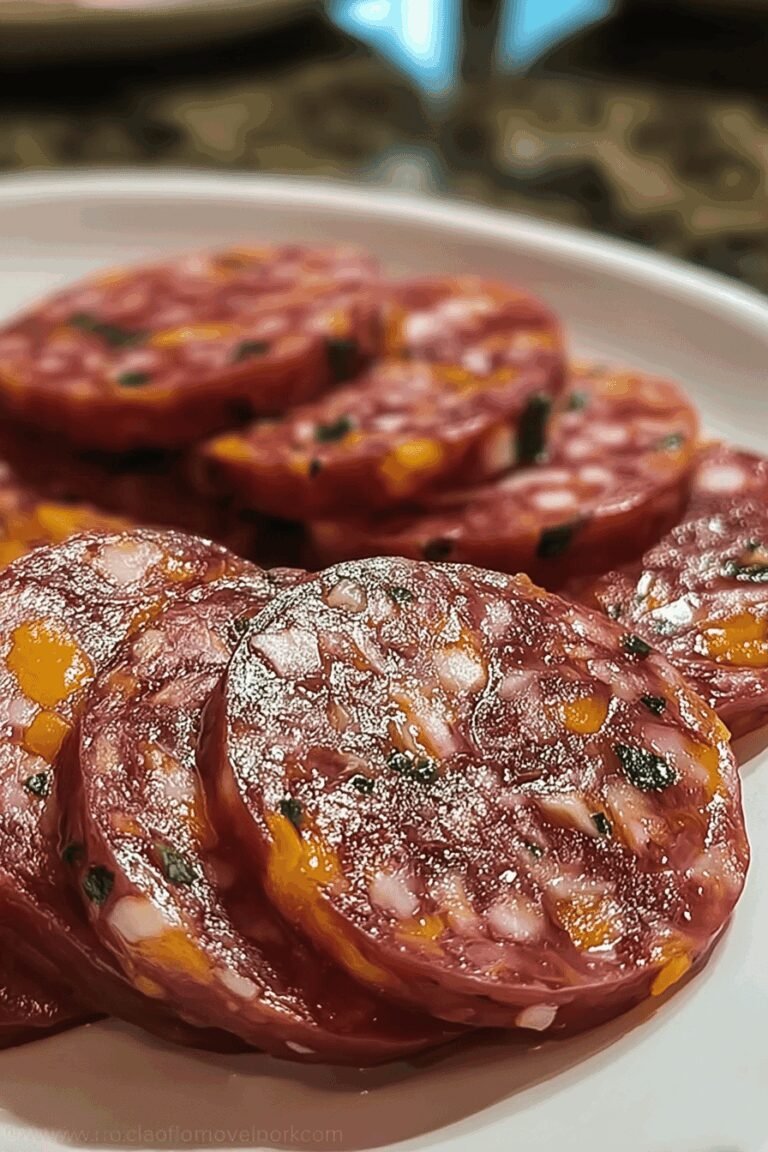
Venison Summer Sausage
🦌 Venison Summer Sausage offers a rich, savory flavor with traditional spices for a handcrafted, gourmet experience.
🍴 This recipe features simple preparation steps but results in a shelf-stable, high-quality cured sausage perfect for gifting or enjoying at home.
- Total Time: up to 8 weeks plus active prep
- Yield: About 25 servings
Ingredients
– 3 ½ pounds venison the main protein for a lean base
– 1 pound fatty pork shoulder adds moisture and richness
– ½ pound pork fatback enhances texture and prevents dryness
– 51 grams salt essential for seasoning and preservation
– 6 grams curing salt with sodium nitrate key for safety during drying
– 10 grams dextrose or granulated sugar provides a touch of sweetness for balance
– 1 tablespoon cracked black pepper delivers mild heat and depth
– 1 tablespoon coarsely ground coriander seed adds aromatic, citrusy notes
– 2 teaspoons coarsely ground mustard seed contributes tang and spice
– 1 teaspoon powdered ginger enhances warmth and zest
– ½ teaspoon ground cloves offers a subtle, sweet-spicy finish
– ¼ cup malt vinegar (or substitute with cider vinegar) aids in fermentation and flavor
– ½ cup distilled water used to dissolve the starter culture
– 10 grams starter culture crucial for safe fermentation
– Hog casings, preferably 38-42 mm wide for stuffing and shaping
Instructions
1- Creating venison summer sausage at home is a rewarding process that combines tradition with practical tips for safety and flavor. Start by cutting 3 ½ pounds of venison, 1 pound of fatty pork shoulder, and ½ pound of pork fatback into grinder-sized chunks, trimming away any sinew or silver skin to keep things clean. Mix 10 grams of dextrose, 51 grams of salt, and 6 grams of curing salt with the meat, then refrigerate overnight to let the flavors begin to develop.
2- Next, chill your grinding equipment in the freezer and combine 1 teaspoon of powdered ginger, ½ teaspoon of ground cloves, and half of the 1 tablespoon cracked black pepper, 1 tablespoon coriander seed, and 2 teaspoons mustard seed with the chilled meat and fat. Refrigerate the mixture until it reaches about 30°F, while soaking the hog casings in warm water and chilling the ¼ cup of malt vinegar.
3- Grind the meat mixture first through a coarse 10 mm die, then a fine 4.5 mm die, keeping the temperature below 35°F to maintain quality chill if needed to avoid any issues. After grinding, chill the mixture to 28-32°F, add the remaining spices, the chilled malt vinegar, and 10 grams of starter culture dissolved in ½ cup of distilled water. Mix and knead with cold hands for about 2 minutes until it’s nearly emulsified for a proper bind.
4-Stuffing and Fermenting Steps Cut the hog casings into 2-foot lengths and stuff them loosely with slightly more than 1 foot of sausage per link, leaving extra casing for tying. Compress the stuffed links carefully, remove air pockets by pricking with a sterile needle, and tie the ends with double or triple knots for security.
5- Hang the links on a rack and ferment at 65-80°F with about 85% humidity for 3 days, using a humidifier and open-ended plastic bags while spritzing daily. Follow up with cold smoking for up to 4 hours at under 100°F, then dry in a 50-60°F environment, adjusting humidity gradually over 4-8 weeks for the desired texture. For more ideas on related recipes, check out our guide on spicy seafood options that pair well with sausages.
Last Step:
Please leave a rating and comment letting us know how you liked this recipe! This helps our business to thrive and continue providing free, high-quality recipes for you.Notes
🌡️ Keep meat and equipment very cold (~30°F) during mixing to ensure proper texture and prevent fat smearing.
🧰 Use a dedicated sausage stuffer; avoid using a grinder for stuffing.
🔥 Maintain stable fermentation conditions: 65-80°F with high humidity (~85%) and keep casings moist by daily spritzing.
- Prep Time: 3 hours active prep
- Fermentation, Smoking, and Drying Time: 3 days fermentation, 4 hours smoking, 4-8 weeks drying
- Category: Charcuterie
- Method: Grinding, Fermenting, Smoking, Drying
- Cuisine: Dutch/German-inspired
Nutrition
- Serving Size: 1 serving
- Calories: 168
- Sugar: 1 gram
- Sodium: 833 milligrams
- Fat: 10 grams
- Saturated Fat: 4 grams
- Unsaturated Fat: 6 grams
- Carbohydrates: 1 gram
- Fiber: 1 gram
- Protein: 17 grams
- Cholesterol: 67 milligrams