

Why You’ll Love This Japanese Noodle Recipe
This Japanese noodle recipe brings the excitement of hibachi-style noodles right to your kitchen, making it a fun and tasty choice for home cooks. It’s simple to whip up in just 15 minutes, using everyday ingredients for a dish that’s perfect for busy weeknights or a quick family meal. Whether you’re a student rushing through dinner or a working professional looking for something nutritious, this recipe’s balance of flavors will keep you coming back.
Beyond its ease, this recipe offers great health benefits with ingredients like vegetables and lean proteins that add vitamins and fiber to your plate. For instance, adding fresh veggies such as cabbage or carrots boosts the nutrition without much effort, making it ideal for diet-conscious individuals. You’ll enjoy the savory sauce that combines umami from soy and teriyaki with a touch of sweetness, creating a meal that’s both satisfying and wholesome.
What makes this recipe truly stand out is its flexibility for different tastes and diets. You can easily tweak it for gluten-free or vegan options, turning it into a go-to base for food enthusiasts and party hosts alike. As you try similar Asian-inspired dishes, you’ll see how this noodle recipe adapts to include proteins like tofu or chicken, enhancing its appeal for everyone from newlyweds to seniors.
Essential Ingredients for Japanese Noodle Recipe
To make this hibachi noodles recipe, you’ll need a mix of simple ingredients that create a flavorful, stir-fried dish. Below is a structured list of all the ingredients from the recipe, organized by category for clarity. Each item includes the exact measurement to help you prepare it just right.
For the Sauce
- 2 tablespoons soy sauce
- 1 tablespoon teriyaki sauce
- 2 tablespoons brown sugar
- 1 tablespoon mirin (or rice vinegar or white vinegar)
For the Noodles
- 7 ounces dry noodles (200 g; linguine pasta can be used as a substitute)
- 3 tablespoons butter (salted or unsalted)
- 1 tablespoon sesame oil (or vegetable oil)
- ¼ cup chopped onions
- 2 teaspoons minced ginger
- 2 teaspoons minced garlic
- ½ teaspoon salt (or to taste)
- ¼ teaspoon ground pepper
- 2 teaspoons white sesame seeds
These ingredients come together to form a savory sauce and perfectly coated noodles, as outlined in the recipe. For more on how soy sauce adds depth, check out this health benefits of soy sauce guide, which explains its role in balanced meals.
How to Prepare the Perfect Japanese Noodle Recipe: Step-by-Step Guide
First, start by cooking the dry noodles in salted water based on the package instructions until they reach al dente texture. Once done, drain them and toss with 2 teaspoons of vegetable oil to keep them from sticking; you can even prepare them ahead and store in the fridge for up to 4 days. This step ensures your noodles stay fresh and ready for the stir-fry.
Next, in a separate bowl, mix together the sauce by combining 2 tablespoons soy sauce, 1 tablespoon teriyaki sauce, 2 tablespoons brown sugar, and 1 tablespoon mirin to create a savory blend. This mixture will add that signature hibachi flavor to your dish. Heat 3 tablespoons of butter and 1 tablespoon sesame oil in a wok or skillet over high heat, then add ¼ cup chopped onions, 2 teaspoons minced ginger, and 2 teaspoons minced garlic, sautéing for 2-3 minutes until they turn lightly browned.
After that, add the sauce and the cooked noodles to the skillet, tossing everything to coat the noodles evenly. Season with ½ teaspoon salt and ¼ teaspoon ground pepper, adjusting the salt as needed for your taste. Finally, sprinkle 2 teaspoons white sesame seeds on top and serve right away, optionally garnishing with chopped green onions for extra freshness.
Tips for Perfect Execution
To get the best results, ensure the noodles are cooked al dente to avoid sogginess, as this maintains the right texture for hibachi-style stir-frying. You can enhance the dish by adding proteins like tofu, beef, chicken, or shrimp, and incorporating vegetables such as cabbage, carrots, bean sprouts, celery, mushrooms, bok choy, baby corn, or snap peas for more nutrition. If you want to adjust spiciness, try adding chili paste, sriracha, or red pepper flakes.
For reheating, warm some butter in a pan, add the noodles with a bit of water, cover, and heat on low for 3-5 minutes while stirring. This recipe takes just 10 minutes to prep and 5 minutes to cook, making it a quick option for busy parents or students. With its total time of 15 minutes, it’s easy to see why this Japanese noodle recipe fits into many lifestyles.

Dietary Substitutions to Customize Your Japanese Noodle Recipe
You can easily tweak this Japanese noodle recipe to fit various dietary needs by swapping out ingredients for proteins, noodles, or sauces. This makes it a versatile choice for home cooks, busy parents, and food enthusiasts alike. Below, we’ll break it down into specific alternatives to help you personalize the dish.
Protein and Main Component Alternatives
- Chicken: Use thin-sliced breast or thigh for quick cooking and a familiar flavor; marinate in soy, mirin, and ginger for added depth.
- Pork: Opt for thin-cut loin or belly to add richness; brown it quickly for caramelization and reduce oil for lower calories.
- Beef: Thinly sliced flank or skirt steak works well; sear it fast and let it rest before adding to the bowl.
- Tofu: Firm or extra-firm tofu, pressed and pan-fried, makes it vegan-friendly and protein-packed; season after frying for extra taste.
- Tempeh: Fermented soy tempeh adds great texture; steam it briefly then pan-sear for a hearty option.
- Seafood: Shrimp or sliced white fish cooks in minutes and brings a delicate flavor to the mix.
- Noodles: Swap with udon for chewiness, soba for nutty notes, rice noodles for gluten-free versions, or konjac for low-calorie bowls; aim for 150 200 g per serving.
For meal prep, cook proteins ahead and store them separately to keep the texture just right. Quick marinades like soy, ginger, and garlic can infuse flavor in 15 30 minutes, making this even easier for working professionals.
Vegetable, Sauce, and Seasoning Modifications
Switch up the vegetables in this recipe to keep things fresh and seasonal, like using spring peas or asparagus for a lighter twist. For sauces, blend miso with tahini for creaminess or add ponzu for a citrusy kick, while seasonings like fresh ginger and garlic add layers of aroma. To cut sodium, go for low-sodium tamari and boost umami with dried shiitake powder.
Don’t forget condiments like pickled ginger or chili oil to let everyone customize their bowl. These changes make the recipe adaptable for baking enthusiasts or party hosts looking to impress.
| Category | Suggestion | Benefit |
|---|---|---|
| Vegetables | Add bean sprouts or cabbage | Increases crunch and nutrition |
| Sauces | Use tahini-miso blend | Creates a richer, creamier broth |
| Seasonings | Incorporate toasted sesame | Enhances aroma and flavor depth |
Mastering Japanese Noodle Recipe: Advanced Tips and Variations
To take your Japanese noodle recipe to the next level, focus on building layers of flavor in the broth. Start by simmering kombu and dried shiitake for 20 30 minutes to create depth, then finish with the sauce off the heat. For proteins, use a high-heat sear to get that perfect caramelization, making the dish even more appealing for travelers or food enthusiasts.
Flavor and Presentation Ideas
Try new variations like a spicy version with chili oil or a creamy sesame-tahini broth for a vegetarian twist. Serve in warmed bowls with colorful veggie arrangements to make it visually appealing for party hosts. For more inspiration, explore a Japanese noodles guide that dives into different styles and techniques.
Make-ahead tips include freezing broth in portions for quick meals, which is great for seniors or busy families. Experiment with regional ingredients to add your own flair while keeping the core recipe intact.
How to Store Japanese Noodle Recipe: Best Practices
Keep your Japanese noodle dish fresh by storing components separately in the fridge for up to 3 4 days. For the broth, use airtight containers to maintain its flavor, and store cooked noodles with a bit of oil to prevent clumping. Proteins and veggies should cool quickly before sealing to preserve their texture.
When freezing, opt for concentrated broth in ice cube trays for easy use, lasting up to 3 months. Reheat everything carefully to keep flavors intact, like simmering broth and refreshing noodles in boiling water.
FAQs: Frequently Asked Questions About Japanese Noodle Recipe
What ingredients do I need to make traditional Japanese noodles at home?
How do I prevent Japanese noodles from sticking together when cooking?
Can I make Japanese noodle dishes vegetarian or vegan?
How long should Japanese noodles be cooked for the best texture?
What sauces or broths pair well with Japanese noodles?
Japanese Noodle Recipe
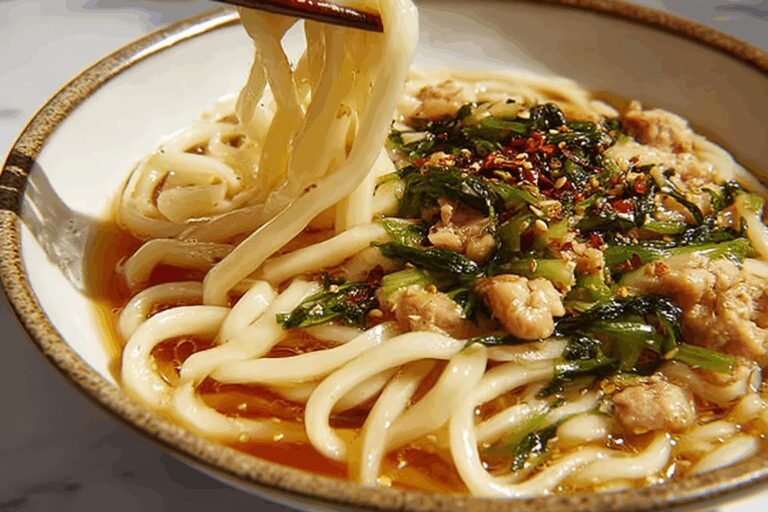
🍜 Savor the rich, savory flavors of a homemade Hibachi Noodles recipe featuring a balanced sauce and fresh vegetables.
🥢 This quick and easy dish is perfect for a satisfying meal with authentic Japanese-inspired taste.
- Total Time: 15 minutes
- Yield: 4 servings
Ingredients
– 2 tablespoons soy sauce
– 1 tablespoon teriyaki sauce
– 2 tablespoons brown sugar
– 1 tablespoon mirin (or rice vinegar or white vinegar)
– 7 ounces dry noodles (200 g; linguine pasta can be used as a substitute)
– 3 tablespoons butter (salted or unsalted)
– 1 tablespoon sesame oil (or vegetable oil)
– ¼ cup chopped onions
– 2 teaspoons minced ginger
– 2 teaspoons minced garlic
– ½ teaspoon salt (or to taste)
– ¼ teaspoon ground pepper
– 2 teaspoons white sesame seeds
Instructions
1-First, start by cooking the dry noodles in salted water based on the package instructions until they reach al dente texture. Once done, drain them and toss with 2 teaspoons of vegetable oil to keep them from sticking; you can even prepare them ahead and store in the fridge for up to 4 days. This step ensures your noodles stay fresh and ready for the stir-fry.
2-Next, in a separate bowl, mix together the sauce by combining 2 tablespoons soy sauce, 1 tablespoon teriyaki sauce, 2 tablespoons brown sugar, and 1 tablespoon mirin to create a savory blend. This mixture will add that signature hibachi flavor to your dish. Heat 3 tablespoons of butter and 1 tablespoon sesame oil in a wok or skillet over high heat, then add ¼ cup chopped onions, 2 teaspoons minced ginger, and 2 teaspoons minced garlic, sautéing for 2-3 minutes until they turn lightly browned.
3-After that, add the sauce and the cooked noodles to the skillet, tossing everything to coat the noodles evenly. Season with ½ teaspoon salt and ¼ teaspoon ground pepper, adjusting the salt as needed for your taste. Finally, sprinkle 2 teaspoons white sesame seeds on top and serve right away, optionally garnishing with chopped green onions for extra freshness.
Last Step:
Please leave a rating and comment letting us know how you liked this recipe! This helps our business to thrive and continue providing free, high-quality recipes for you.Notes
🍜 Use Japanese-style wheat noodles like yakisoba for authentic texture or substitute with ramen, soba, or linguine.
🌾 For gluten-free options, replace soy sauce with coconut aminos or tamari and use rice noodles.
🥢 Enhance the dish by adding proteins such as tofu, chicken, beef, or shrimp, and include vegetables like cabbage, carrots, or snap peas for extra nutrition.
- Prep Time: 10 minutes
- Cook Time: 5 minutes
- Category: Main Course
- Method: Stir-frying
- Cuisine: Japanese
- Diet: Vegetarian option possible
Nutrition
- Serving Size: 1 serving
- Calories: 327
- Sugar: 8g
- Sodium: 1228mg
- Fat: 13g
- Saturated Fat: 6g
- Unsaturated Fat: 6g
- Trans Fat: 1g
- Carbohydrates: 46g
- Fiber: 1g
- Protein: 6g
- Cholesterol: 23mg