

Why You’ll Love This Dough
Dough forms the backbone of countless baked goods, offering a versatile and foundational element for home bakers. Its pliability makes it easy to work with, allowing even beginners to create everything from fresh bread to flaky pastries. By mastering dough techniques, you gain a skill that enhances your kitchen confidence and opens up endless culinary possibilities.
One key benefit is the ease of preparation. Simple dough recipes, like basic bread dough, require just a few basic ingredients and can be ready in under an hour for no-yeast varieties, making it ideal for busy schedules. Another advantage lies in its health benefits, as dough made from whole grains provides essential carbohydrates and proteins, supporting energy needs while allowing for gluten-free adaptations that rely on starch gelatinization for structure. The versatility of dough stands out too, as it adapts to various flours such as wheat, rye, or rice, catering to dietary preferences like vegan or low-calorie options. Finally, dough’s distinctive flavor comes from ingredients like yeast or fats, which develop complex tastes through fermentation or folding, turning everyday meals into memorable ones.
- Ease of preparation: With straightforward mixing and kneading steps, dough can be prepared quickly, often in minutes for unleavened types, saving time for busy parents and working professionals who want fresh baked goods without fuss.
- Health benefits: Dough delivers carbohydrates from flour and proteins from eggs or gluten, offering nutritional value that supports active lifestyles for students and diet-conscious individuals, especially in gluten-free versions that focus on starch for binding.
- Versatility: It works with different dietary needs, such as using plant-based substitutes for milk or eggs, making it perfect for vegans, travelers, or seniors seeking adaptable recipes.
- Distinctive flavor: The addition of elements like salt, sugar, or yeast creates unique tastes and textures, appealing to food enthusiasts and party hosts looking to impress with homemade items.
Overall, dough’s role in baking encourages experimentation and creativity, aligning with the needs of home cooks and baking enthusiasts alike. Its ability to be shaped and cooked in various ways, from baking to frying, ensures it fits into diverse routines and occasions.
Essential Ingredients for Dough
Dough relies on a blend of key ingredients that provide its structure and flavor. Common components include flour for the base, liquids for binding, and additives like yeast for rising. Using precise measurements ensures consistent results, drawing from standard recipes to create everything from bread to pastries.
- 2.5 cups all-purpose flour – Serves as the primary structure, providing carbohydrates and enabling gluten development for elasticity in yeast-based doughs.
- 1 teaspoon salt – Enhances flavor and controls yeast activity, helping to balance the dough’s taste and texture.
- 1 teaspoon instant yeast – Acts as a leavening agent, promoting rising through fermentation, which is essential for fluffy breads and requires proper temperature for best results.
- 1 cup warm water – Hydrates the mixture, allowing ingredients to combine smoothly and supporting the dough’s pliability, with warmth aiding yeast activation.
- 2 tablespoons olive oil – Adds fats for tenderness and moisture, preventing dryness and contributing to the overall richness of the final product.
For special dietary options, consider these adaptations to make dough more inclusive.
- Vegan: Replace eggs with alternatives like flaxseed mixed with water (1 tablespoon flaxseed to 3 tablespoons water per egg) to maintain binding without animal products.
- Gluten-free: Swap all-purpose flour for a blend of rice or maize flour, focusing on starch gelatinization to achieve a similar elastic texture.
- Low-calorie: Use less oil or substitute with applesauce to reduce fats while keeping the dough moist and workable.
How to Prepare the Perfect Dough: Step-by-Step Guide
First Step: Gather and Mix Ingredients
Start by assembling all ingredients on a clean workspace, ensuring everything is at room temperature for optimal results. For basic dough, combine 2.5 cups all-purpose flour, 1 teaspoon salt, and 1 teaspoon instant yeast in a large bowl, as this mixture forms the foundation. Gradually add 1 cup warm water and 2 tablespoons olive oil, stirring until a shaggy dough forms this step, which takes about 2-3 minutes, allows for even hydration and prepares the dough for kneading, adapting easily for gluten-free flours by using starch-based blends.
Second Step: Knead the Dough
Turn the dough onto a floured surface and knead for 8-10 minutes until it becomes smooth and elastic, developing gluten that gives dough its structure. This process is crucial for yeast-based types, helping to trap air for rising, but for unleavened doughs, you can skip extended kneading. If the dough feels too sticky, add flour one tablespoon at a time, making it adaptable for different humidity levels or dietary needs like low-calorie versions with reduced oil.
Third Step: Allow Time for Rising
Once kneaded, place the dough in a lightly oiled bowl, cover with a damp cloth, and let it rise in a warm spot for 1-2 hours until doubled in size this fermentation step enhances flavor and texture through yeast activity at around 75°F. For faster results with no-yeast doughs, skip this and move directly to shaping, which suits busy schedules. Temperature control here is key, as cooler environments slow the process, allowing for better gluten development in enriched doughs with eggs and fats.
Fourth Step: Shape and Cook the Dough
After rising, punch down the dough to release gases, then shape it into your desired form, such as loaves or rolls, taking 5-10 minutes depending on the recipe. Cooking methods vary: bake at 375°F for 20-30 minutes for bread, or boil for pasta-style dough, ensuring even cooking. For laminated doughs, gently fold in fats to create layers, adapting for vegan options by using plant-based oils, and monitor timing to achieve the perfect texture.
Final Step: Cool and Use
Allow the cooked dough to cool on a wire rack for 10-15 minutes to set its structure, preventing sogginess in items like pastries. This finishes the preparation, making the dough ready for serving or storage, with variations for different flours like rye or barley adding unique flavors. Total preparation time can range from a few minutes for simple doughs to several hours for complex ones, ensuring success with proper techniques for home bakers. For more on tools, check out our guide on essential baking tools to enhance your process.

Dietary Substitutions to Customize Your Dough
Alternative Ingredients for Various Needs
Customizing dough for different diets starts with swapping key ingredients to maintain its core qualities. For gluten-free adaptations, replace wheat flour with rice or maize-based options, focusing on starch gelatinization to keep the mixture pliable. Low-calorie versions can use less sugar or fats, opting for water-based binders instead of oils, which helps diet-conscious individuals reduce intake without losing texture. These changes ensure dough remains versatile for busy parents or travelers seeking quick, adaptable recipes.
Seasonal and Preference-Based Variations
Vegan substitutions involve using flaxseed mixtures for eggs and plant-based milks for dairy, preserving the dough’s elasticity for those with restrictions. In seasons with fresh produce, incorporate herbs or fruit purees for flavor, like adding seasonal berries to sweet doughs. This approach allows for ongoing modifications, making dough suitable for seniors or newlyweds exploring new tastes while keeping preparation straightforward.
Mastering Dough: Advanced Tips and Variations
Pro Cooking Techniques
To elevate your dough skills, focus on maintaining precise temperatures for yeast activity, such as keeping dough at 75°F during rising to ensure even fermentation. Handle high-fat doughs gently to avoid toughness, using folding techniques for laminated varieties like croissants. Advanced bakers can experiment with different flours, such as barley for nuttier flavors, to enhance structure and taste.
Flavor Variations
Try adding herbs or spices during mixing for unique twists, like incorporating garlic in bread dough for savory options. For sweet versions, include fruits or nuts, adapting to seasonal ingredients for freshness. These tweaks allow for creative combinations, as seen in pastries with eggs and fats for richness.
Presentation and Make-Ahead Options
Shape doughs into appealing forms and use simple garnishes for visual appeal. For busy schedules, prepare dough in advance and refrigerate for up to 24 hours, which improves flavor through slow fermentation. This makes it ideal for working professionals needing quick meal prep solutions.
Dough’s nutritional profile, providing carbs from flour and fats from oils, supports balanced diets when prepared with care.
How to Store Dough: Best Practices
Proper storage maintains dough’s quality and safety for later use. For short-term needs, follow refrigeration guidelines to extend freshness.
| Storage Method | Duration | Tips |
|---|---|---|
| Refrigeration | Up to 3 days | Wrap dough tightly in plastic and store in an airtight container to prevent drying. |
| Freezing | Up to 3 months | Shape into balls, wrap well, and thaw in the fridge overnight for best results. |
| Reheating | As needed | Let dough reach room temperature before use to retain texture and avoid toughness. |
Meal prep involves batch cooking and storing portions, ideal for freezing dough to save time. This method suits various dough types, ensuring they remain pliable for future baking sessions.

FAQs: Frequently Asked Questions About Dough
How do you make basic dough from scratch?
Why is my dough too sticky and how can I fix it?
Can you freeze dough and how should you store it?
How long should dough rise for best results?
What’s the difference between bread dough and pizza dough?
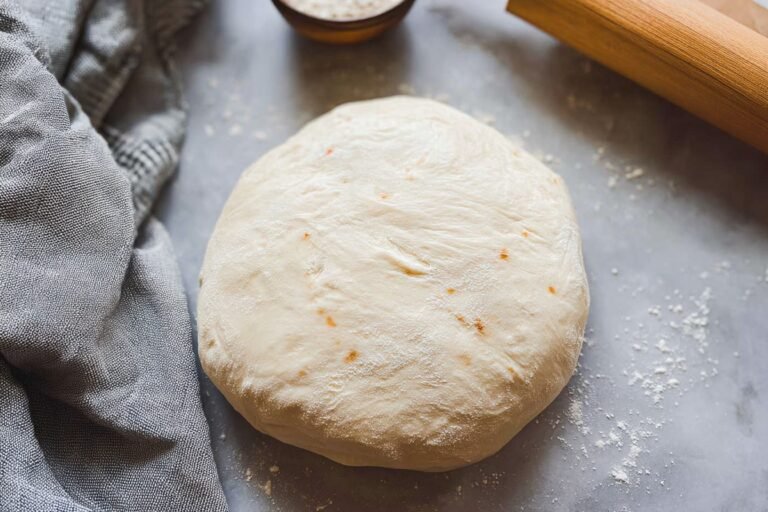
Dough
🥖 Master essential dough techniques to create a wide range of baked goods from breads to pastries with confidence.
🍞 Learn foundational skills that improve texture, rise, and flavor for every dough-based recipe you make.
- Total Time: Variable based on dough type and recipe steps
- Yield: Varies based on recipe and dough quantity
Ingredients
– 2.5 cups all-purpose flour Serves as the primary structure, providing carbohydrates and enabling gluten development for elasticity in yeast-based doughs.
– 1 teaspoon salt Enhances flavor and controls yeast activity, helping to balance the dough’s taste and texture.
– 1 teaspoon instant yeast Acts as a leavening agent, promoting rising through fermentation, which is essential for fluffy breads and requires proper temperature for best results.
– 1 cup warm water Hydrates the mixture, allowing ingredients to combine smoothly and supporting the dough’s pliability, with warmth aiding yeast activation.
– 2 tablespoons olive oil Adds fats for tenderness and moisture, preventing dryness and contributing to the overall richness of the final product.
Instructions
1-First Step: Gather and Mix Ingredients Start by assembling all ingredients on a clean workspace, ensuring everything is at room temperature for optimal results. For basic dough, combine 2.5 cups all-purpose flour, 1 teaspoon salt, and 1 teaspoon instant yeast in a large bowl, as this mixture forms the foundation. Gradually add 1 cup warm water and 2 tablespoons olive oil, stirring until a shaggy dough forms this step, which takes about 2-3 minutes, allows for even hydration and prepares the dough for kneading, adapting easily for gluten-free flours by using starch-based blends.
2-Second Step: Knead the Dough Turn the dough onto a floured surface and knead for 8-10 minutes until it becomes smooth and elastic, developing gluten that gives dough its structure. This process is crucial for yeast-based types, helping to trap air for rising, but for unleavened doughs, you can skip extended kneading. If the dough feels too sticky, add flour one tablespoon at a time, making it adaptable for different humidity levels or dietary needs like low-calorie versions with reduced oil.
3-Third Step: Allow Time for Rising Once kneaded, place the dough in a lightly oiled bowl, cover with a damp cloth, and let it rise in a warm spot for 1-2 hours until doubled in size this fermentation step enhances flavor and texture through yeast activity at around 75°F. For faster results with no-yeast doughs, skip this and move directly to shaping, which suits busy schedules. Temperature control here is key, as cooler environments slow the process, allowing for better gluten development in enriched doughs with eggs and fats.
4-Fourth Step: Shape and Cook the Dough After rising, punch down the dough to release gases, then shape it into your desired form, such as loaves or rolls, taking 5-10 minutes depending on the recipe. Cooking methods vary: bake at 375°F for 20-30 minutes for bread, or boil for pasta-style dough, ensuring even cooking. For laminated doughs, gently fold in fats to create layers, adapting for vegan options by using plant-based oils, and monitor timing to achieve the perfect texture.
5-Final Step: Cool and Use Allow the cooked dough to cool on a wire rack for 10-15 minutes to set its structure, preventing sogginess in items like pastries. This finishes the preparation, making the dough ready for serving or storage, with variations for different flours like rye or barley adding unique flavors. Total preparation time can range from a few minutes for simple doughs to several hours for complex ones, ensuring success with proper techniques for home bakers. For more on tools, check out our guide on essential baking tools to enhance your process.
Last Step:
Please leave a rating and comment letting us know how you liked this recipe! This helps our business to thrive and continue providing free, high-quality recipes for you.Notes
🧑🍳 Keep yeast doughs in a warm, draft-free place to promote proper rising.
🍰 Handle high-fat doughs gently to avoid developing toughness.
📏 Practice folding and rolling techniques carefully for laminated dough layers.
- Prep Time: Varies from a few minutes to several hours depending on dough type
- Rising or resting time: Varies (30 minutes to several hours)
- Cook Time: Varies depending on final product
- Category: Baking Fundamentals
- Method: Mixing, Kneading, Rising, Shaping, Cooking
- Cuisine: General Baking
- Diet: Varies (can be vegetarian, vegan, gluten-free depending on ingredients)