

Why You’ll Love This Tea Cakes
Tea cakes bring a touch of Southern charm to your kitchen, and they’re about to become your go-to treat for easy baking fun. These soft, buttery cookies mix the best of cake and cookie worlds, making them perfect for anyone wanting a simple yet satisfying dessert. Let me walk you through why this recipe stands out and why it’ll quickly become a favorite in your home.
- They’re incredibly straightforward to whip up, even if you’re new to baking.
- You get a boost of everyday nutrients without sacrificing flavor.
- They adapt easily to fit various lifestyles and tastes.
- That unique blend of flavors makes every bite feel special and comforting.
Ease of Preparation
Tea cakes come together in just minutes, with only 5 minutes of prep and 10 minutes of cooking, totaling a mere 15 minutes. This means you can bake a batch without spending hours in the kitchen, perfect for busy parents or students needing a quick snack. No fancy tools are required, just basic items like a mixer and baking sheet, making it simple for anyone to jump in and start. You’ll appreciate how effortless it is to create something homemade that tastes like it took all day.
Health Benefits
Each serving of tea cakes packs in useful nutrients, like 180 calories and 2g of protein, while keeping sugars at 12g for a balanced treat. Ingredients such as all-purpose flour and unsalted butter provide essential carbs and fats that give you energy without overloading on extras. For diet-conscious folks, this recipe offers a lighter option that still feels indulgent, helping you enjoy sweets while staying mindful of your wellness goals. It’s a smart choice for those watching their intake, blending taste with nutritional perks.
Versatility
Tea cakes adapt beautifully to different dietary needs, from vegan swaps to gluten-free versions, so everyone at your table can enjoy them. Whether you’re a working professional tweaking for low-calorie options or a family hosting a gathering, this recipe flexes to fit. You can mix in extras like spices or extracts to suit the season, making it ideal for baking enthusiasts and party hosts alike. This flexibility ensures tea cakes work for occasions big or small, from everyday snacks to special events.
Distinctive Flavor
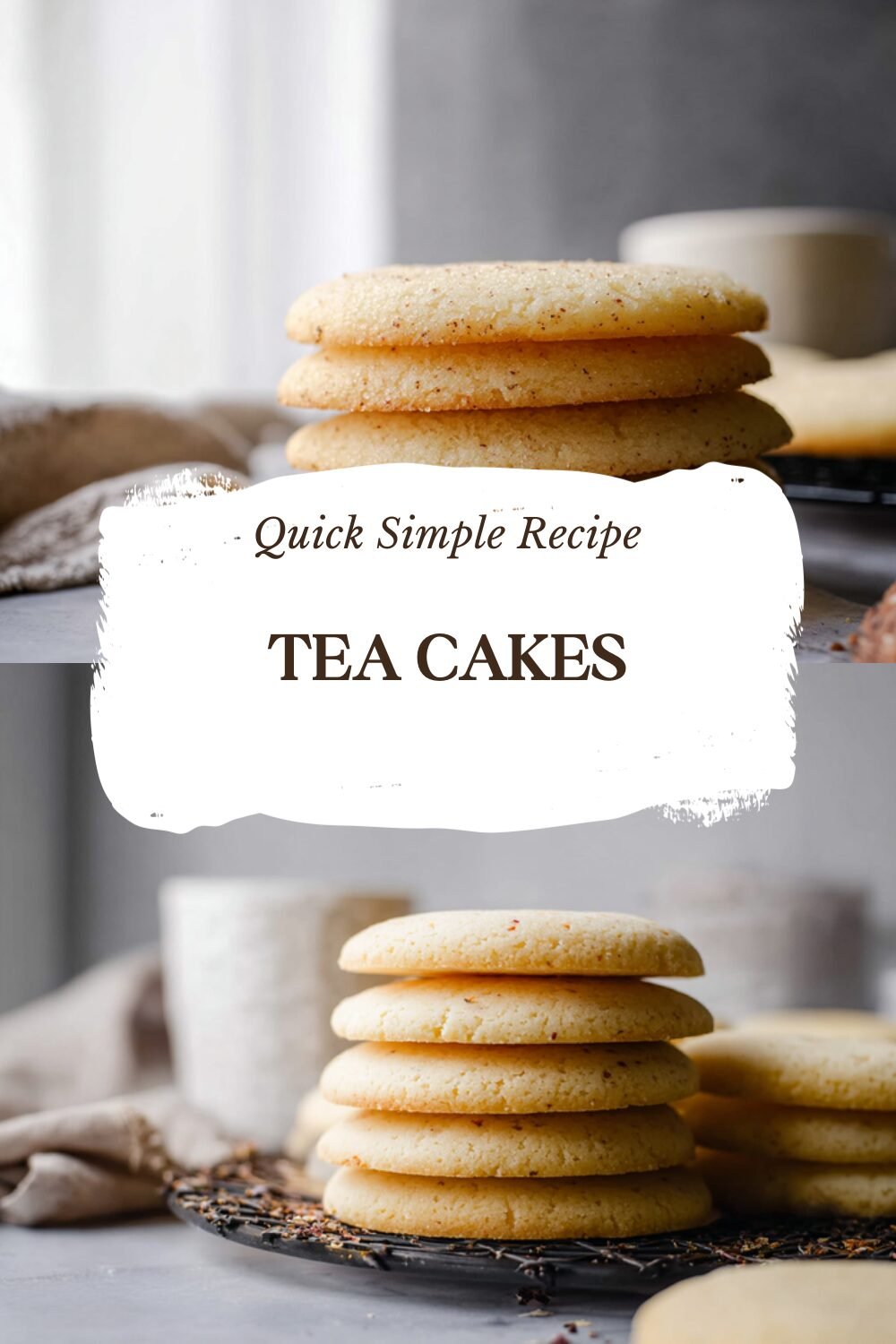
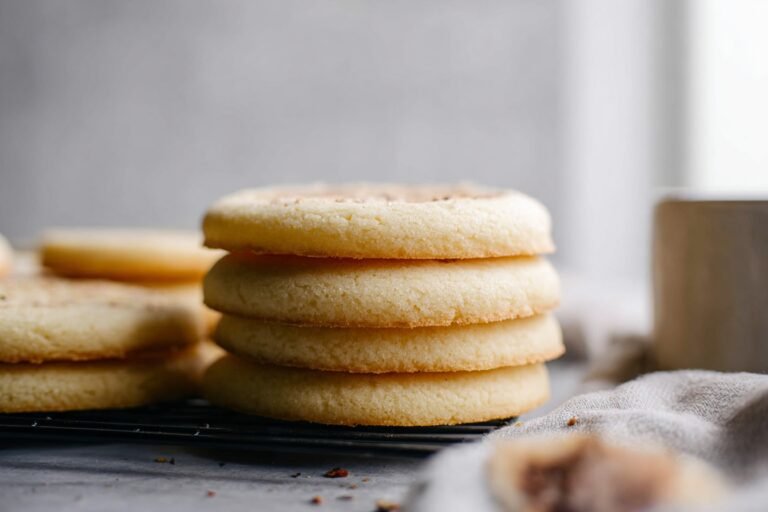
What sets tea cakes apart is their soft, buttery texture with a hint of vanilla and optional nutmeg, creating a warm, nostalgic taste that’s hard to resist. This blend echoes traditional Southern roots, passed down through generations for that authentic feel. Food lovers will love how they pair with drinks like tea or coffee, enhancing your daily routine with a simple yet memorable flavor. It’s this unique charm that makes tea cakes a standout recipe, perfect for creating lasting memories around the table. Explore more Southern recipes for delightful twists on classics.
Essential Ingredients for Tea Cakes
Gathering the right ingredients is key to making perfect tea cakes, and I’ve got everything listed out for you below. Each one plays a specific role to ensure your cookies turn out soft and delicious. Let’s break it down so you know exactly what you’re working with.
- 1 ½ cups all-purpose flour – This forms the base of the dough, providing structure and that tender crumb without making it too dense.
- ¼ teaspoon salt – It balances the sweetness and enhances the overall flavor, making sure every bite is just right.
- ¼ teaspoon baking soda – This helps the cookies rise gently, giving them a light, airy feel that keeps them from getting tough.
- 1 stick unsalted butter, room temperature – The star for that rich, buttery taste and soft texture, it creams beautifully with sugar for a fluffy result.
- ¾ cup granulated sugar – Adds just the right sweetness to make these cookies irresistible while helping with browning in the oven.
- 1 large egg, room temperature – Binds everything together and adds moisture for that cake-like consistency we love.
- 2 teaspoons pure vanilla extract – Infuses a warm, comforting flavor that ties all the ingredients into a cohesive, delicious treat.
- ¼ to ½ teaspoon ground nutmeg (optional) – Offers a subtle spice that can elevate the taste if you want a bit of extra warmth and depth.
Special Dietary Options
For those with specific needs, here are some easy swaps to keep your tea cakes enjoyable.
- Vegan: Swap the unsalted butter for a plant-based alternative like coconut oil or vegan margarine, and use a flax egg instead of the large egg to maintain that binding effect.
- Gluten-free: Replace the all-purpose flour with a gluten-free blend, keeping in mind it might slightly change the texture for a lighter result.
- Low-calorie: Opt for a sugar substitute in place of granulated sugar, such as stevia, to cut down on calories while preserving sweetness.
Remember, these changes help tea cakes fit various lifestyles without losing their charm. Check our baking tips guide for more ideas on adjustments.
How to Prepare the Perfect Tea Cakes: Step-by-Step Guide
Diving into making tea cakes is as easy as a chat over coffee, and I’ll guide you through each step with care. Start by getting all your ingredients ready to ensure everything goes smoothly from the beginning.
First Step: Prepare Your Dry Ingredients
Begin by whisking together 1 ½ cups all-purpose flour, ¼ teaspoon salt, and ¼ teaspoon baking soda in a medium bowl. This step combines them evenly, which helps avoid lumps later and sets the foundation for your dough. Take about a minute to mix well, and you’re ready to move on, adapting for gluten-free flour if needed for dietary preferences.
Second Step: Cream the Butter and Sugar
Next, in a mixer, beat 1 stick of unsalted butter at room temperature with ¾ cup granulated sugar on high speed until it’s fluffy and smooth, which takes about 4-5 minutes. This process incorporates air, making your tea cakes light and tender don’t rush it for the best results. If you’re watching calories, consider a sugar substitute here to keep things on track.
Third Step: Add the Wet Ingredients
Now, mix in 1 large egg at room temperature, 2 teaspoons pure vanilla extract, and ¼ to ½ teaspoon ground nutmeg if you’re using it, on medium speed until everything is well combined. This usually takes another 1-2 minutes and ensures the flavors blend perfectly. For vegan options, swap the egg with a flax egg to maintain that moisture without any issues.
Fourth Step: Combine Dry and Wet Mixtures
Slowly add the dry ingredients to the wet mixture in three additions on low speed, mixing just until incorporated each time to prevent overmixing. This keeps your tea cakes soft and not tough, and you might need to scrape the sides of the bowl for evenness. If you’re making a low-calorie version, check that your substitutes blend well at this stage.
Fifth Step: Chill the Dough
Transfer the dough to a freezer bag or cover the bowl and refrigerate for at least one hour to firm it up. Chilling makes shaping easier and helps the flavors develop, so don’t skip this for the best texture. This step is flexible; if you’re in a hurry, 30 minutes can work, but longer is ideal for that authentic feel.
Sixth Step: Preheat and Shape the Dough
Preheat your oven to 325 degrees Fahrenheit and line a baking sheet with parchment paper for even baking. Scoop tablespoon-sized portions of dough, roll them into balls, slightly flatten with your thumb, and place them on the sheet about 1½ inches apart to allow for spreading. This shaping step is where you can get creative, like adding a twist for different dietary needs.
Final Step: Bake and Cool
Bake the tea cakes for 9-11 minutes until the edges turn golden, then cool them on the pan for 5-10 minutes before removing and serving. This cooling time helps them firm up for easy handling while locking in that fresh-baked taste. Once done, enjoy them warm or store for later, adapting as needed for any variations you’ve chosen. For more on flavors, learn about extracts in baking from reliable sources.

Dietary Substitutions to Customize Your Tea Cakes
Protein and Main Component Alternatives
If you need to switch things up, try using gluten-free flour in place of all-purpose flour to keep the structure intact while accommodating gluten sensitivities. For those aiming for a lower-fat option, swap unsalted butter with a reduced-fat alternative or applesauce to maintain moisture without the extra calories. These changes ensure tea cakes stay versatile, fitting into various meal plans without losing their charm, and they take just moments to implement.
Vegetable, Sauce, and Seasoning Modifications
Feel free to add grated fruits like apples for a natural sweetness or swap vanilla extract with citrus zest for a fresh twist that brightens the flavor. If seasonings are your focus, reduce nutmeg and add cinnamon for a warmer profile, or omit it for a plain version. These tweaks make tea cakes adaptable for seasons or preferences, like using seasonal herbs for a unique touch in your baking routine.
Mastering Tea Cakes: Advanced Tips and Variations
Pro Cooking Techniques
To get pro results, always use room temperature ingredients for a smoother dough, and avoid overmixing to keep cookies tender. Experiment with chilling times for better shaping, and check your oven temperature with a thermometer for accuracy. These methods help elevate your baking game and make tea cakes a reliable favorite.
Flavor Variations
Try adding almond extract instead of vanilla for a nutty twist, or mix in chocolate chips for a decadent version. For seasonal flair, incorporate pumpkin spice during fall to change things up while keeping the base intact.
Presentation Tips
Arrange tea cakes on a platter with fresh fruits for a visually appealing display, and dust with powdered sugar for an extra touch. Simple plating can make them look store-bought, perfect for entertaining. Here, an external resource on butter’s health benefits might inspire your choices.
Make-Ahead Options
Prepare dough ahead and freeze it for up to three months, then bake as needed for busy days. This strategy saves time and keeps treats fresh, ideal for working professionals.
How to Store Tea Cakes: Best Practices
- Refrigeration: Keep them in an airtight container for up to 5-6 days to maintain softness, placing them in the fridge if your kitchen is warm.
- Freezing: Wrap individually and store in a freezer bag for up to three months, thawing at room temperature when ready.
- Reheating: Warm in the oven at a low temperature to refresh texture without drying them out, ensuring they taste freshly baked.
- Meal Prep Considerations: Bake in batches for easy grab-and-go snacks, storing portions for quick access during the week.
For more storage ideas, check an external guide on baking essentials.
FAQs: Frequently Asked Questions About Tea Cakes
What is a tea cake?
What’s the difference between a tea cake and a sugar cookie?
Why did my tea cakes turn out dry?
How do you keep tea cakes fresh?
Can I add different flavors to my tea cake recipe?
Tea Cakes
🍪 Delight in the soft, buttery texture of these authentic Southern Tea Cakes, a perfect treat blending the qualities of cake and cookie.
☕ Enjoy a classic Southern recipe that’s easy to make and pairs wonderfully with a warm cup of tea or coffee.
- Total Time: 15 minutes
- Yield: 18 cookies 1x
Ingredients
1 ½ cups all-purpose flour
¼ teaspoon salt
¼ teaspoon baking soda
1 stick unsalted butter, room temperature
¾ cup granulated sugar
1 large egg, room temperature
2 teaspoons pure vanilla extract
¼ to ½ teaspoon ground nutmeg (optional)
Instructions
First Step: Prepare Your Dry Ingredients Begin by whisking together 1 ½ cups all-purpose flour, ¼ teaspoon salt, and ¼ teaspoon baking soda in a medium bowl. This step combines them evenly, which helps avoid lumps later and sets the foundation for your dough. Take about a minute to mix well, and you’re ready to move on, adapting for gluten-free flour if needed for dietary preferences.
Second Step: Cream the Butter and Sugar Next, in a mixer, beat 1 stick of unsalted butter at room temperature with ¾ cup granulated sugar on high speed until it’s fluffy and smooth, which takes about 4-5 minutes. This process incorporates air, making your tea cakes light and tender don’t rush it for the best results. If you’re watching calories, consider a sugar substitute here to keep things on track.
Third Step: Add the Wet Ingredients Now, mix in 1 large egg at room temperature, 2 teaspoons pure vanilla extract, and ¼ to ½ teaspoon ground nutmeg if you’re using it, on medium speed until everything is well combined. This usually takes another 1-2 minutes and ensures the flavors blend perfectly. For vegan options, swap the egg with a flax egg to maintain that moisture without any issues.
Fourth Step: Combine Dry and Wet Mixtures Slowly add the dry ingredients to the wet mixture in three additions on low speed, mixing just until incorporated each time to prevent overmixing. This keeps your tea cakes soft and not tough, and you might need to scrape the sides of the bowl for evenness. If you’re making a low-calorie version, check that your substitutes blend well at this stage.
Fifth Step: Chill the Dough Transfer the dough to a freezer bag or cover the bowl and refrigerate for at least one hour to firm it up. Chilling makes shaping easier and helps the flavors develop, so don’t skip this for the best texture. This step is flexible; if you’re in a hurry, 30 minutes can work, but longer is ideal for that authentic feel.
Sixth Step: Preheat and Shape the Dough Preheat your oven to 325 degrees Fahrenheit and line a baking sheet with parchment paper for even baking. Scoop tablespoon-sized portions of dough, roll them into balls, slightly flatten with your thumb, and place them on the sheet about 1½ inches apart to allow for spreading. This shaping step is where you can get creative, like adding a twist for different dietary needs.
Final Step: Bake and Cool Bake the tea cakes for 9-11 minutes until the edges turn golden, then cool them on the pan for 5-10 minutes before removing and serving. This cooling time helps them firm up for easy handling while locking in that fresh-baked taste. Once done, enjoy them warm or store for later, adapting as needed for any variations you’ve chosen. For more on flavors, learn about extracts in baking from reliable sources.
Last Step:
Please leave a rating and comment letting us know how you liked this recipe! This helps our business to thrive and continue providing free, high-quality recipes for you.Notes
🌡️ Use room temperature ingredients for better dough consistency.
❄️ Refrigerate dough for at least one hour to make shaping easier.
👐 Shape dough with your hands using warmth to make it workable and avoid cracking.
- Prep Time: 5 minutes
- Cook Time: 10 minutes
- Category: Dessert
- Method: Baking
- Cuisine: Southern American
- Diet: Vegetarian
Nutrition
- Serving Size: 1 cookie
- Calories: 180
- Sugar: 12g
- Sodium: 78mg
- Fat: 8g
- Saturated Fat: 4g
- Carbohydrates: 24g
- Protein: 2g
- Cholesterol: 35mg