
Why You’ll Love This Basque Cheesecake
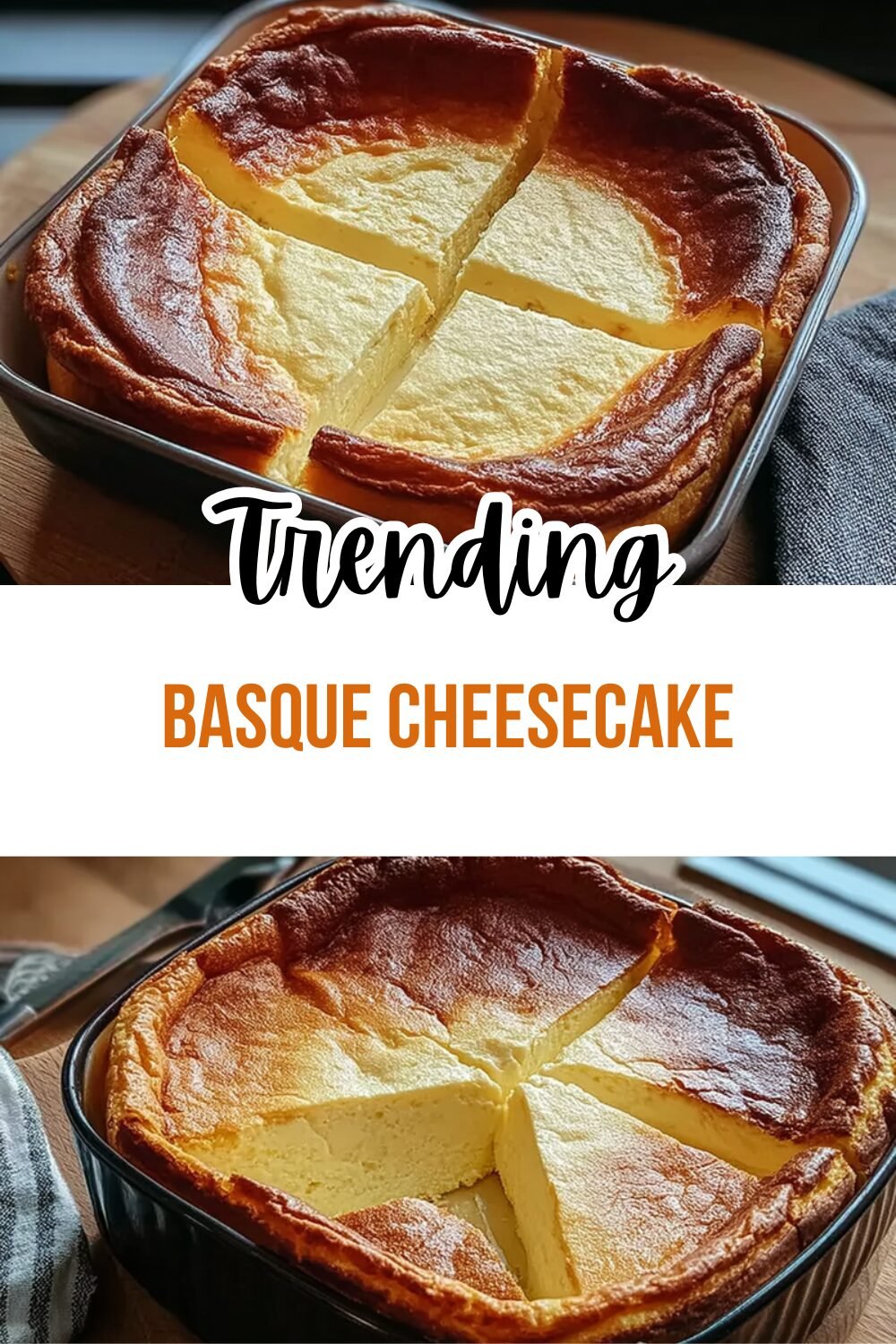
Imagine biting into a dessert that’s both creamy and satisfying, with a caramelized top that adds a delightful crunch. That’s exactly what Basque Cheesecake offers, making it a favorite among home cooks looking for something simple yet special. This recipe stands out for its easy preparation, health benefits, and more, turning it into a go-to option for bakers of all levels. If you’re a busy parent or a food enthusiast, Basque Cheesecake with its creamy texture and caramelized top can elevate your dessert game without much effort.
Ease of Preparation
This Basque Cheesecake recipe is straightforward and quick, perfect if you’re short on time. With just 15 minutes of prep and about 45 minutes of baking, you can have a stunning treat ready with minimal fuss. The steps are simple, using everyday ingredients and no fancy equipment, so it’s ideal for students or working professionals who want homemade goodness without a hassle.
Health Benefits
While it’s a rich dessert, Basque Cheesecake can fit into a balanced diet when enjoyed in moderation. Each serving packs in 7g of protein and vitamins like Vitamin A at 1283 IU, supporting overall wellness. For diet-conscious individuals, the nutritional profile about 398 calories per slice helps you savor a Basque Cheesecake recipe with creamy texture while keeping an eye on your intake.
Versatility
This recipe adapts easily to various needs, whether you’re baking for family events or dietary preferences. You can tweak it for different occasions, like making it gluten-free or vegan, which suits travelers or newlyweds experimenting in the kitchen. Its Basque Cheesecake with caramelized top shines in flexibility, letting you customize without losing that signature Basque texture.
Distinctive Flavor
What really makes this Basque Cheesecake special is its unique, caramel-like taste combined with a light, mousse-like interior. Originating from Spain’s Basque region, it offers a flavor that’s richer than a soufflé but lighter than traditional cheesecakes. This Basque Cheesecake recipe with creamy texture delivers a vanilla essence that feels indulgent yet fresh, perfect for party hosts aiming to impress guests.
Essential Ingredients for Basque Cheesecake
- Cream cheese 750 g – Provides the creamy structure and tang that forms the base of this Basque Cheesecake.
- Caster or superfine sugar 1 cup – Adds sweetness and helps achieve the caramelized top, though regular white sugar works too.
- Whipping cream 1 1/4 cups, slightly chilled – Contributes to the light, airy texture and ensures the cheesecake sets properly; must be full-fat for best results.
- Plain or all-purpose flour 1/4 cup – Acts as a thickening agent to give the Basque Cheesecake its perfect consistency.
- Vanilla bean extract or paste 1 teaspoon – Infuses a rich, authentic flavor that enhances the overall taste, avoiding imitation varieties for a true Basque essence.
- Lightly whisked eggs 3/4 cups plus 1 tablespoon (about 4-5 large eggs, measured by weight) – Binds the ingredients and helps with the creamy texture, crucial for the cheesecake’s structure.
Each ingredient plays a key role in creating that Basque Cheesecake with caramelized top. For instance, the cream cheese and whipping cream work together to deliver the creamy texture that makes this dessert so irresistible. Now, let’s look at special dietary options to make this recipe even more adaptable.
Special Dietary Options
- Vegan: Swap cream cheese with 750 g of vegan cream cheese for a plant-based alternative that maintains the creamy texture of Basque Cheesecake. Use aquafaba (about 3/4 cups plus 1 tablespoon) in place of eggs to act as a binder, and opt for coconut cream instead of whipping cream to keep the light, Basque-inspired feel.
- Gluten-free: Replace the 1/4 cup of plain flour with cornstarch or a gluten-free flour blend to ensure the Basque Cheesecake recipe with creamy texture remains intact without any gluten issues.
- Low-calorie: Try using a sugar alternative like erythritol for the 1 cup of sugar to cut down on calories, and consider reduced-fat cream cheese (though it may affect the set), paired with lighter whipping cream options for a Basque Cheesecake that’s kinder to your diet.
These swaps help keep the Basque Cheesecake’s signature caramelized top while accommodating different needs, making it a versatile choice for everyone from seniors to baking enthusiasts.
How to Prepare the Perfect Basque Cheesecake: Step-by-Step Guide
Diving into making Basque Cheesecake is like creating a simple magic trick in your kitchen. This guide walks you through each step for a Basque Cheesecake recipe with creamy texture that’s easy to follow, even if you’re new to baking. We’ll cover everything from prepping your space to baking and chilling, with tips for dietary tweaks along the way. Let’s get started and whip up that Basque Cheesecake with caramelized top you’ve been craving.
First Step: Initial Preparation
Begin by gathering your ingredients and tools to make the process smooth. Preheat your oven to 220°C / 425°F (or 200°C if using a fan-forced oven), and position the shelf in the middle for even baking. Prepare a 20cm/8″ springform pan by scrunching baking paper and fitting it inside to create those rustic sides no greasing needed here, which keeps things simple for busy parents or students.
Second Step: Mixing Techniques
Beat the 750 g of cream cheese on medium speed until it’s completely smooth, then add the 1 cup of sugar and beat on low speed until just incorporated to avoid overmixing. For vegan adaptations, use vegan cream cheese instead to keep that creamy texture. Slowly add the whisked eggs about 3/4 cups plus 1 tablespoon while beating on low, ensuring they’re just combined to prevent bubbles that could mar the Basque Cheesecake’s surface.
Third Step: Adding Cream and Thickening Agent
In a separate bowl, whisk the 1/4 cup of flour with about one-quarter of the 1 1/4 cups of whipping cream until it’s lump-free and paste-like, then slowly mix in the rest of the cream and 1 teaspoon of vanilla. For gluten-free versions, swap the flour for cornstarch here. Pour this mixture into the cream cheese batter while beating on low speed, aiming for a smooth, pourable consistency that promises a Basque Cheesecake with creamy texture.
Fourth Step: Transferring and Baking
Pour the batter into your prepared pan, give it a gentle bang on the counter to release any air bubbles, and pop any surface bubbles with a small knife. Bake at the preheated temperature for about 45 minutes, though it might take up to 65 minutes depending on your oven watch for that deeply golden, caramelized top. The center should stay jiggly like soft jelly when done, and for low-calorie swaps, use sugar alternatives but check baking time as it may vary.
Subsequent Steps: Cooling and Chilling
Once baked, cool the Basque Cheesecake on the counter for 2 hours to let it set partially. Then, refrigerate it uncovered for at least 8 hours or overnight. This step is key for that perfect Basque texture, and if you’re making a vegan version, ensure your substitutes chill well to maintain the creamy interior.
Final Step: Finishing Touches and Serving
After chilling, remove the Basque Cheesecake from the pan and slice it for serving. For dietary needs like gluten-free, the unmolding is straightforward. Serve it plain to enjoy the full flavor, and if you’re a party host, consider adding fresh fruit for a twist, though it’s best kept simple. This brings out the Basque Cheesecake recipe with creamy texture that everyone will love.

Dietary Substitutions to Customize Your Basque Cheesecake
Protein and Main Component Alternatives
If you’re out of cream cheese or following a specific diet, try swapping the 750 g of cream cheese with blended silken tofu for a vegan option, which keeps the Basque Cheesecake’s creamy texture intact. Use aquafaba instead of the eggs for binding, or go for reduced-fat dairy if you’re watching calories, though it might slightly change the set. These changes ensure your Basque Cheesecake with caramelized top still turns out great.
Vegetable, Sauce, and Seasoning Modifications
Add zesty lemon zest or fruit compotes as flavor boosters, which can enhance the Basque Cheesecake recipe without overpowering it. For sugar swaps, use alternatives in place of the 1 cup of sugar to make it lower-calorie, but adjust proportions to avoid affecting the caramelized top. These tweaks influence the flavor and texture, making your Basque Cheesecake adaptable for any occasion.
Mastering Basque Cheesecake: Advanced Tips and Variations
Pro Cooking Techniques
To get that perfect Basque Cheesecake with creamy texture, control your oven temperature carefully for even caramelization. Consider using a water bath to prevent over-browning, and always check with a thermometer for the right internal temp. These tips help troubleshoot issues like a runny center and ensure your Basque Cheesecake turns out just right.
Flavor Variations
Experiment with additions like chocolate for a fun twist on the classic Basque Cheesecake recipe. Try coffee infusions or citrus mixes to change things up, implementing them by folding in during the mixing step for a personalized version.
Presentation Tips
Garnish with fresh fruit or edible flowers to make your Basque Cheesecake visually appealing. Slice it neatly for serving, enhancing the overall experience with these simple touches.
Make-Ahead Options
Bake ahead and store slices for busy days, as this Basque Cheesecake recipe with creamy texture holds up well. This strategy works great for meal prep among working professionals.
How to Store Basque Cheesecake: Best Practices
Proper storage keeps your Basque Cheesecake fresh and delicious. For short-term, refrigerate it in an airtight container for up to 5 days, letting it rest at room temperature before serving. Freezing works for up to 3 months wrap slices individually and thaw overnight in the fridge to maintain that creamy texture.
FAQs: Frequently Asked Questions About Basque Cheesecake
What makes Basque Cheesecake different from regular cheesecake?
Can I substitute low-fat ingredients in Basque Cheesecake recipes?
How should I prepare the pan to get the classic Basque Cheesecake look?
How long and at what temperature should I bake Basque Cheesecake?
What is the best way to store leftover Basque Cheesecake?
Basque Cheesecake
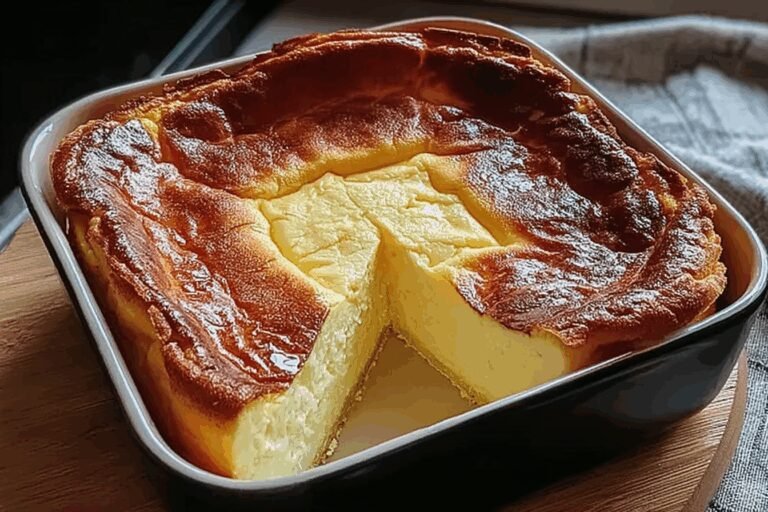
🧀 Discover the creamy texture and rich flavor of Basque Cheesecake with its signature caramelized top.
🔥 This crustless dessert offers a delicate, airy mousse-like interior for a lighter yet indulgent treat.
- Total Time: 11 hours
- Yield: 12 servings
Ingredients
– 750 g cream cheese Provides the creamy structure and tang that forms the base of this Basque Cheesecake.
– 1 cup caster or superfine sugar Adds sweetness and helps achieve the caramelized top, though regular white sugar works too.
– 1 1/4 cups slightly chilled whipping cream Contributes to the light, airy texture and ensures the cheesecake sets properly; must be full-fat for best results.
– 1/4 cup plain or all-purpose flour Acts as a thickening agent to give the Basque Cheesecake its perfect consistency.
– 1 teaspoon vanilla bean extract or paste Infuses a rich, authentic flavor that enhances the overall taste, avoiding imitation varieties for a true Basque essence.
– 3/4 cups plus 1 tablespoon lightly whisked eggs (about 4-5 large eggs, measured by weight) Binds the ingredients and helps with the creamy texture, crucial for the cheesecake’s structure.
Instructions
1-First Step: Initial Preparation: Begin by gathering your ingredients and tools to make the process smooth. Preheat your oven to 220°C / 425°F (or 200°C if using a fan-forced oven), and position the shelf in the middle for even baking. Prepare a 20cm/8” springform pan by scrunching baking paper and fitting it inside to create those rustic sides no greasing needed here, which keeps things simple for busy parents or students.
2-Second Step: Mixing Techniques: Beat the 750 g of cream cheese on medium speed until it’s completely smooth, then add the 1 cup of sugar and beat on low speed until just incorporated to avoid overmixing. For vegan adaptations, use vegan cream cheese instead to keep that creamy texture. Slowly add the whisked eggs about 3/4 cups plus 1 tablespoon while beating on low, ensuring they’re just combined to prevent bubbles that could mar the Basque Cheesecake’s surface.
3-Third Step: Adding Cream and Thickening Agent: In a separate bowl, whisk the 1/4 cup of flour with about one-quarter of the 1 1/4 cups of whipping cream until it’s lump-free and paste-like, then slowly mix in the rest of the cream and 1 teaspoon of vanilla. For gluten-free versions, swap the flour for cornstarch here. Pour this mixture into the cream cheese batter while beating on low speed, aiming for a smooth, pourable consistency that promises a Basque Cheesecake with creamy texture.
4-Fourth Step: Transferring and Baking: Pour the batter into your prepared pan, give it a gentle bang on the counter to release any air bubbles, and pop any surface bubbles with a small knife. Bake at the preheated temperature for about 45 minutes, though it might take up to 65 minutes depending on your oven watch for that deeply golden, caramelized top. The center should stay jiggly like soft jelly when done, and for low-calorie swaps, use sugar alternatives but check baking time as it may vary.
5-Subsequent Steps: Cooling and Chilling: Once baked, cool the Basque Cheesecake on the counter for 2 hours to let it set partially. Then, refrigerate it uncovered for at least 8 hours or overnight. This step is key for that perfect Basque texture, and if you’re making a vegan version, ensure your substitutes chill well to maintain the creamy interior.
6-Final Step: Finishing Touches and Serving: After chilling, remove the Basque Cheesecake from the pan and slice it for serving. For dietary needs like gluten-free, the unmolding is straightforward. Serve it plain to enjoy the full flavor, and if you’re a party host, consider adding fresh fruit for a twist, though it’s best kept simple. This brings out the Basque Cheesecake recipe with creamy texture that everyone will love.
Last Step:
Please leave a rating and comment letting us know how you liked this recipe! This helps our business to thrive and continue providing free, high-quality recipes for you.Notes
🥚 Measure eggs by weight or volume for consistent texture.
🌟 Use full-fat cream cheese and cream for proper setting.
📜 Scrunch parchment paper for signature nubbly sides and to prevent overcooking edges.
- Prep Time: 15 minutes
- Cooling and chilling time: 10 hours
- Cook Time: 45 minutes
- Category: Dessert
- Method: Baking
- Cuisine: Spanish
Nutrition
- Serving Size: 1 slice
- Calories: 398
- Sugar: 20g
- Sodium: 224mg
- Fat: 32g
- Saturated Fat: 19g
- Carbohydrates: 23g
- Protein: 7g
- Cholesterol: 146mg