
Why You’ll Love This Creamy Pasta
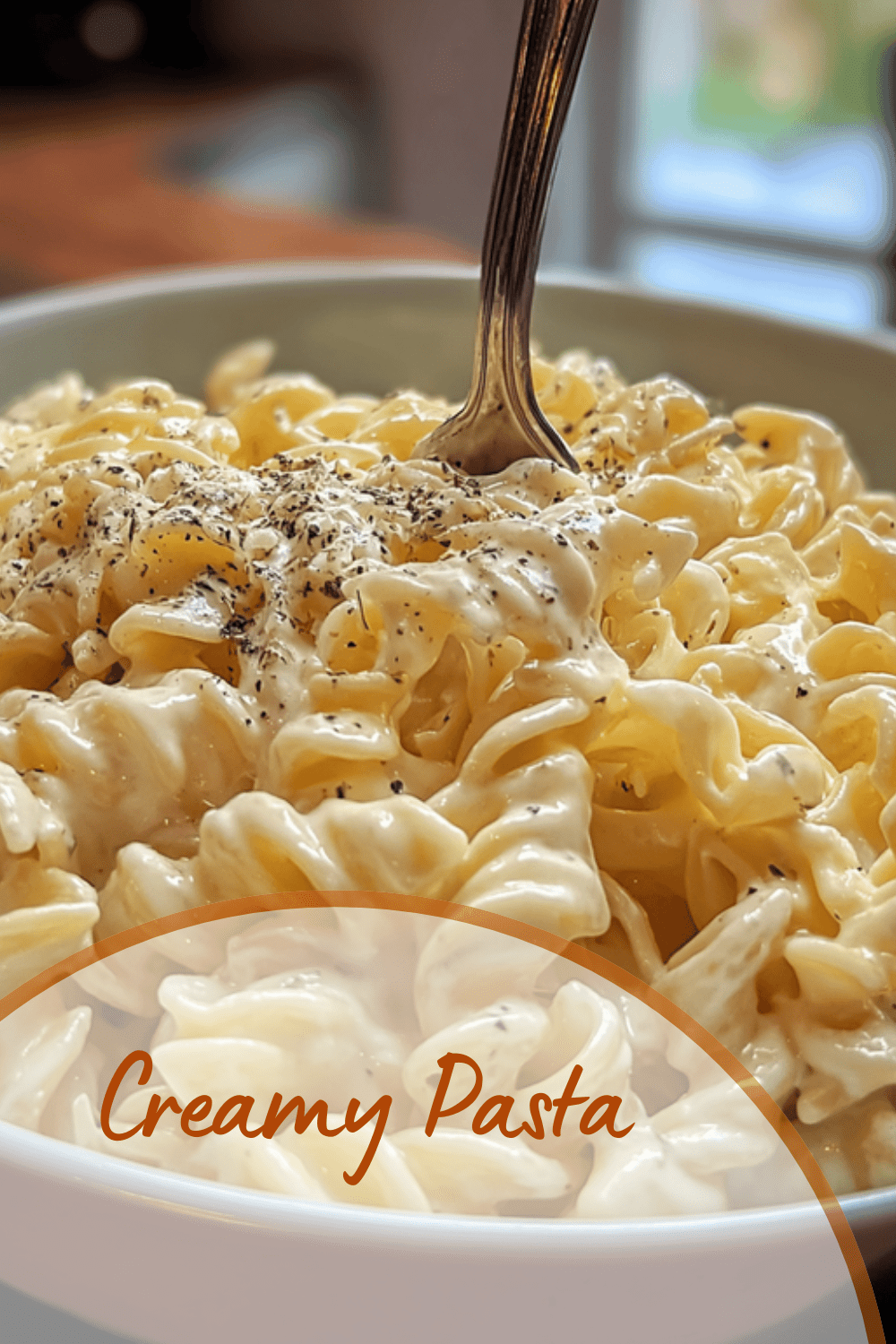
You know that moment when you’re starving and this pasta comes together in 20 minutes flat? Trust me, it’s the kind of dependable magic that makes weeknights feel special without any fuss. This creamy pasta recipe isn’t just another dinner option it’s quickly becoming your go-to meal for those days when time is short but you still want something truly satisfying.
“This creamy chicken pasta strikes the perfect balance between comfort food and weeknight practicality a rare find in today’s busy world.”
Ease of Preparation
This creamy pasta recipe is designed for simplicity and speed, requiring minimal ingredients and quick cooking time, perfect for busy weeknights. With just about 25 minutes from start to finish (10 minutes prep, 15 minutes cook), you’ll have a restaurant-quality meal on your table faster than you can order takeout. The straightforward techniques mean even cooking beginners can achieve impressive results without stress.
Health Benefits
Packed with nutritious ingredients, this dish offers a balance of proteins, healthy fats, and vitamins, supporting overall wellness and providing energy. The lean chicken provides quality protein to keep you satisfied, while garlic offers numerous health benefits. According to research, garlic contains compounds with potent medicinal properties. Plus, the balanced nature of this dish makes it a wholesome choice that doesn’t skimp on flavor.
Versatility
Adaptable to various dietary needs, this creamy pasta can be customized with plant-based proteins, gluten-free pasta, or low-calorie alternatives without compromising taste. Whether you’re cooking for picky eaters, accommodating dietary restrictions, or just using up what’s in your fridge, this recipe serves as the perfect foundation for culinary creativity.
Distinctive Flavor
The combination of rich, velvety sauce and carefully selected seasonings creates a memorable and satisfying flavor profile that stands out from typical pasta dishes. The bright lemon cuts through the richness while the aromatic rosemary adds depth that makes every bite interesting. This isn’t your average creamy pasta it’s a flavor experience that will have you coming back for seconds!
Essential Ingredients for Creamy Pasta with Rosemary and Lemon
The secret to an outstanding creamy pasta lies in the quality and combination of ingredients. With just a few key components, you can create a restaurant-worthy dish that brings comfort and satisfaction to your table. Let’s break down what makes this flavorful pasta sing.
Main Ingredients
- 200 grams dried pasta OR 300 grams fresh pasta
- 1 tablespoon olive oil
- 1 chicken breast (or 2 if preferred)
- 1 tablespoon flour
- 1 tablespoon butter
- 3 garlic cloves, finely chopped
- 1 tablespoon fresh rosemary leaves, roughly chopped
- ¾ cup cream (single or light cream recommended)
- 1 teaspoon black pepper
- 1 tablespoon fresh lemon juice
- 50 grams freshly grated parmesan cheese
- Lemon zest and extra rosemary (for garnish)
Ingredient Quality Matters
When preparing creamy pasta, the quality of your ingredients directly impacts the final result. Fresh garlic delivers a punch of flavor that pre-minced varieties simply can’t match, and freshly grated parmesan melts beautifully into the sauce, creating that luxurious texture we crave. Using fresh herbs like rosemary instead of dried brings vibrancy to the dish that makes all the difference in the final flavor profile.
The chicken you choose also plays a significant role. Opt for high-quality chicken breasts for the best results. According to nutrition experts, chicken is an excellent source of protein and various nutrients, making this dish not just delicious but nutritious as well.
Special Dietary Options
| Dietary Need | Substitution | Result |
|---|---|---|
| Vegan | Cream: Coconut cream Cheese: Nutritional yeast Chicken: Chickpeas or tofu | Plant-based creamy pasta with rich flavor |
| Gluten-free | Substitute traditional pasta with gluten-free pasta varieties | Same creamy texture without gluten |
| Dairy-free | Cream: Cashew or almond cream Cheese: Dairy-free parmesan alternative | Creamy texture without dairy products |
How to Prepare the Perfect Creamy Pasta: Step-by-Step Guide
Making restaurant-quality creamy pasta at home is easier than you might think. With these step-by-step instructions, you’ll master the technique and create a dish that impresses everyone at your table. Let’s walk through the process together to ensure your success!
Preparing the Pasta and Chicken
- Cook pasta in well-salted boiling water, undercooking dried pasta by 1 minute. Reserve 1 cup of pasta water, then drain pasta.
- Flatten chicken breast(s) to an even thickness (1-1.5 cm) using a rolling pin. Season with salt and pepper, then dust with flour.
- Heat olive oil in a frying pan over medium-high heat. Cook chicken for 2 minutes per side until cooked through. Wrap in foil and set aside.
When you undercook the pasta by just one minute, you’re giving it the perfect head start. The pasta will finish cooking in the sauce, absorbing those wonderful flavors while maintaining the ideal al dente texture. No one likes mushy pasta, and this technique ensures yours will be perfectly cooked every time!
Flattening the chicken to an even thickness is another crucial step that makes a huge difference. This ensures the chicken cooks evenly, so you don’t end up with dry edges and undercooked center. The flour coating helps create a beautiful golden crust and slightly thickens the sauce later on.
Crafting the Creamy Sauce
- In the same pan, melt butter over medium heat. Gently fry garlic for 1 minute without browning.
- Add rosemary and cook for 30 seconds.
- Pour in cream and bring to a gentle simmer (do not boil).
- Gradually add grated parmesan in 2-3 additions, stirring until melted each time.
- Quickly stir in black pepper and fresh lemon juice.
- Add ¼ cup reserved pasta water and simmer for 2-3 minutes to thicken.
“The key to a perfect creamy sauce is patience. Low and slow wins the race when it comes to achieving that velvety texture without separating.”
One of the biggest mistakes people make with cream sauces is cooking them at too high a temperature. This can cause the sauce to break or become grainy. Maintaining a gentle simmer is essential for achieving that smooth, velvety texture that makes creamy pasta so irresistible. The reserved pasta water is your secret weapon here it contains starches that help emulsify and thicken the sauce naturally.
Bringing It All Together
- Add cooked pasta to the sauce, toss well, and let bubble gently for 1-2 minutes.
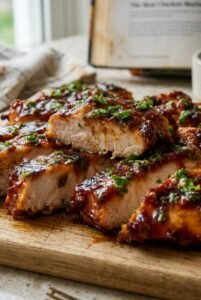
- Slice chicken and serve on top or mixed into the pasta. Garnish with extra rosemary, lemon zest, and additional parmesan if desired.
This final step is where the magic happens! As the pasta finishes cooking in the sauce, it absorbs all those wonderful flavors. The sauce clings to every strand, creating that restaurant-quality presentation that makes this dish feel special. Slicing the chicken and serving it on top allows everyone to see the beautiful cook on the meat, while mixing it in ensures every bite has both chicken and pasta.
Mastering Creamy Pasta: Tips and Tricks
Even simple recipes benefit from a few pro tips that take them from good to great. These techniques will help you perfect your creamy pasta game and ensure consistently delicious results every time you make this dish. Let’s dive into the details that make all the difference!
Cooking Techniques for Perfect Results
- Flatten chicken evenly for juicy, even cooking.
- Avoid boiling the cream sauce; maintain a gentle simmer.
- Undercook dried pasta by 1 minute so it finishes cooking in the sauce (stays al dente).
- Always reserve pasta water before draining to adjust sauce thickness.
- Use fresh garlic and freshly grated parmesan for best flavor and texture.
- Lemon juice is important for balancing the richness.
When it comes to achieving the perfect texture with your cream sauce, temperature control is everything. Cream can break or become grainy if subjected to high heat, which is why maintaining that gentle simmer is crucial. The pasta water you reserved earlier is your secret weapon for adjusting consistency thanks to its starch content, it helps thicken the sauce naturally while creating a silky texture that clings beautifully to the pasta.
Flavor Enhancements
The beauty of this creamy chicken pasta lies in its balance of flavors. The rich cream sauce gets brightened by fresh lemon juice, while the earthy rosemary adds complexity that makes the dish interesting. These elements work together to create a well-rounded flavor profile that keeps you coming back for another bite.
For an extra flavor boost, consider finishing the dish with a final drizzle of high-quality olive oil. This adds a fruity note that complements the richness of the cream and creates a luxurious mouthfeel. A pinch of flaky sea salt just before serving can also intensify all the other flavors and make the dish pop.
Variations and Customizations
Variations possible: Add vegetables like broccoli, zucchini, spinach, or crispy bacon. Substitute chicken thighs for breasts.
This recipe serves as an excellent foundation for culinary creativity. Adding vegetables not only boosts the nutritional profile but also introduces different textures and flavors. Broccoli holds up well in the creamy sauce, zucchini adds moisture, spinach wilts beautifully into the pasta, and crispy bacon brings a salty crunch that contrasts perfectly with the smooth sauce.
If you prefer dark meat, chicken thighs are an excellent substitute for breasts. They tend to be more forgiving when cooked and offer a richer flavor that complements the cream sauce beautifully. Simply adjust cooking time to ensure they’re cooked through but still juicy.

Dietary Substitutions to Customize Your Creamy Pasta
One of the best things about this creamy pasta recipe is how easily it adapts to different dietary needs and preferences. Whether you’re cooking for someone with specific dietary restrictions or just want to switch things up, these substitutions will help you create a delicious meal that everyone can enjoy. Let’s explore some options!
Protein and Main Component Alternatives
- Chicken breast can be replaced with tofu or tempeh for a vegetarian option.
- For a vegan version, try chickpeas or white beans as a protein source.
- Seafood such as shrimp or scallops can be substituted for chicken for a pescatarian variation.
- Use gluten-free pasta varieties to cater to gluten intolerance.
The versatility of this recipe means you can easily adapt it to different dietary preferences. For a vegetarian version, tofu or tempeh works wonderfully as they absorb the flavors of the sauce while providing that satisfying protein element. Simply press the tofu well to remove excess moisture, then cube and pan-fry until golden before adding to the pasta.
For those avoiding gluten, numerous high-quality pasta alternatives are available today. Brown rice pasta, quinoa pasta, or lentil-based pastas all work well with creamy sauces. Just remember to adjust cooking times according to package directions, as gluten-free pastas often cook more quickly than traditional wheat pasta.
Vegetable, Sauce, and Seasoning Modifications
| Element | Substitution | Benefit |
|---|---|---|
| Vegetables | Swap spinach for kale or arugula | Different nutrients and flavor profiles |
| Sauce Base | Use cashew or almond-based sauces | Dairy-free alternative with same creaminess |
| Herbs | Varied flavor profiles for different occasions | |
| Seasonings | Add red chili flakes or smoked paprika | Intensity and depth of flavor |
Dairy-Free and Vegan Options
For those avoiding dairy, this recipe can be easily transformed without sacrificing the creamy texture. Coconut cream works well as a substitute for dairy cream, though it will impart a subtle coconut flavor. If you prefer a neutral taste, soaked and blended cashews create an incredibly rich and creamy base that’s nearly indistinguishable from traditional cream sauces.
Nutritional yeast makes an excellent substitute for parmesan cheese, offering a cheesy, umami flavor that complements the dish beautifully. Combine it with a pinch of white miso paste for an extra depth of flavor that mimics the savory quality of aged cheese.
How to Store Creamy Pasta: Best Practices
Knowing how to properly store your creamy pasta ensures you can enjoy it later without compromising on taste or texture. These best practices will help you make the most of leftovers and even plan ahead for Stress-free meals during busy weeks. Let’s dive into the details!
Refrigeration Guidelines
Store creamy pasta in an airtight container in the refrigerator for up to 3 days to preserve freshness and prevent spoilage. When storing, make sure the pasta has cooled completely before sealing the container to prevent condensation from making the dish soggy. Glass containers are preferable as they don’t absorb odors and allow you to see the contents at a glance.
Freezing Options
For long-term storage, freeze the pasta without sauce separately, and freeze the sauce in small batches to maintain quality. Cream-based sauces can sometimes separate when frozen and reheated, so this method gives you the best results. When you’re ready to eat, simply reheat both components separately before combining. This approach maintains the creamy texture we all love in the original dish.
Reheating Techniques
Gently reheat pasta with a splash of milk or cream to restore creaminess, using low heat to avoid curdling. The best method is a gentle warm-up in a saucepan over low heat, stirring frequently. If the sauce seems too thick, add small amounts of the reserved pasta water (if you have any left) or fresh milk until you reach the desired consistency. Avoid the microwave if possible, as it tends to heat unevenly and can cause the sauce to separate.
Meal Prep Considerations
When batch cooking, portion pasta and sauce separately and combine just before serving to maintain optimal texture. This approach is particularly useful if you’re planning meals for the week ahead. You can prepare several portions of chicken, pasta, and sauce, then assemble freshly when ready to eat. This method ensures that your creamy pasta retains its quality and doesn’t become soggy or dry during storage.
FAQs: Frequently Asked Questions About Creamy Pasta
What pasta types work best with creamy sauces?
How should I store leftover creamy pasta to keep it fresh?
Which type of cream is best for making creamy pasta sauces?
Can I make creamy pasta sauce dairy-free or vegan?
How long does it take to make creamy pasta from scratch?
Creamy Pasta
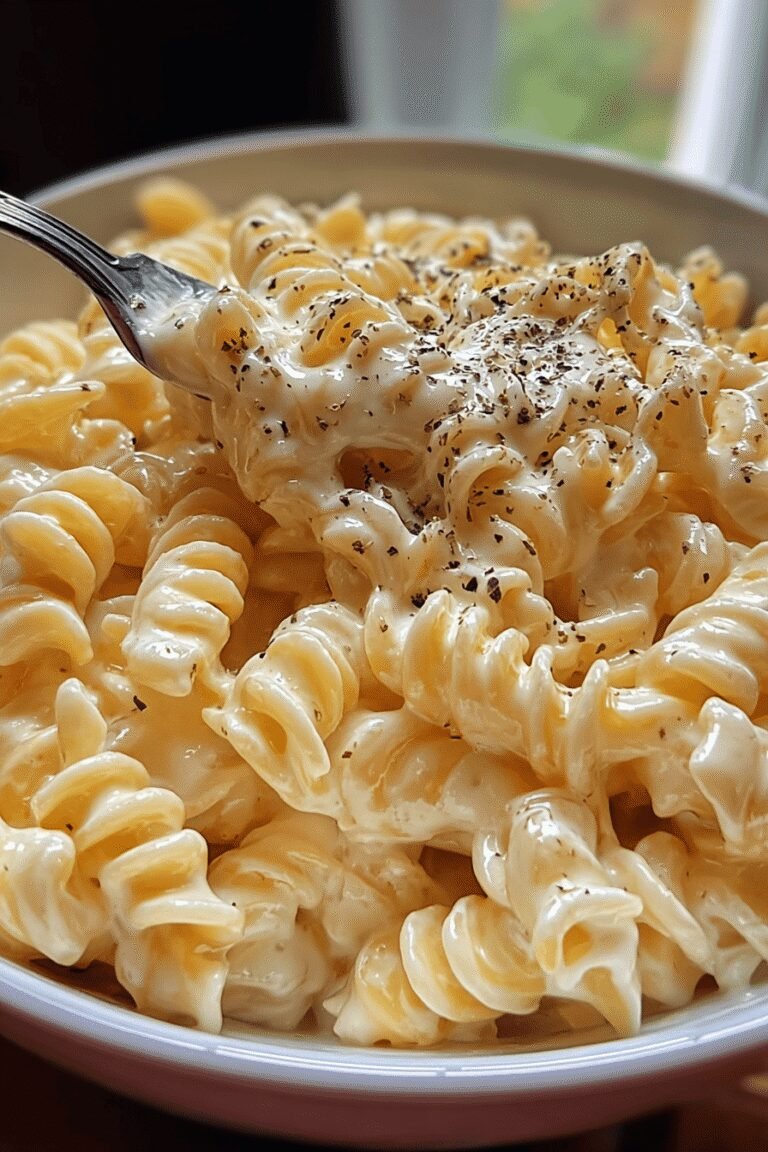
🍗 Creamy Chicken Pasta Recipe with Rich and Flavorful Sauce offers a comforting blend of tender chicken and creamy sauce that makes for a satisfying meal any day.
🍋 The addition of fresh rosemary and lemon juice brightens the dish, creating a perfect balance of rich and zesty flavors that elevate simple ingredients.
- Total Time: 25 minutes
- Yield: 2–3 servings 1x
Ingredients
200 grams dried pasta OR 300 grams fresh pasta
1 tablespoon olive oil
1 chicken breast (or 2 if preferred)
1 tablespoon flour
1 tablespoon butter
3 garlic cloves, finely chopped
1 tablespoon fresh rosemary leaves, roughly chopped
¾ cup cream (single or light cream recommended)
1 teaspoon black pepper
1 tablespoon fresh lemon juice
50 grams freshly grated parmesan cheese
Lemon zest and extra rosemary for garnish
Coconut cream for cream (vegan substitution)
Nutritional yeast for cheese (vegan substitution)
Chickpeas or tofu for chicken (vegan substitution)
Gluten-free pasta varieties for traditional pasta (gluten-free substitution)
Cashew or almond cream for cream (dairy-free substitution)
Dairy-free parmesan alternative for cheese (dairy-free substitution)
Instructions
1-Cook pasta in well-salted boiling water, undercooking dried pasta by 1 minute. Reserve 1 cup of pasta water, then drain pasta.
2-Flatten chicken breast(s) to an even thickness (1-1.5 cm) using a rolling pin. Season with salt and pepper, then dust with flour.
3-Heat olive oil in a frying pan over medium-high heat. Cook chicken for 2 minutes per side until cooked through. Wrap in foil and set aside.
4-In the same pan, melt butter over medium heat. Gently fry garlic for 1 minute without browning.
5-Add rosemary and cook for 30 seconds.
6-Pour in cream and bring to a gentle simmer (do not boil).
7-Gradually add grated parmesan in 2-3 additions, stirring until melted each time.
8-Quickly stir in black pepper and fresh lemon juice.
9-Add ¼ cup reserved pasta water and simmer for 2-3 minutes to thicken.
10-Add cooked pasta to the sauce, toss well, and let bubble gently for 1-2 minutes.
11-Slice chicken and serve on top or mixed into the pasta. Garnish with extra rosemary, lemon zest, and additional parmesan if desired.
Last Step:
Please leave a rating and comment letting us know how you liked this recipe! This helps our business to thrive and continue providing free, high-quality recipes for you.Notes
🍽️ Flatten chicken evenly for juicy, even cooking.
🔥 Avoid boiling the cream sauce; maintain a gentle simmer.
⏳ Undercook dried pasta by 1 minute so it finishes cooking in the sauce and stays al dente.
- Prep Time: 10 minutes
- Cook Time: 15 minutes
- Category: Main Dish, Pasta
- Method: Sautéing, Simmering
- Cuisine: Italian
Nutrition
- Serving Size: 1 serving