
Why You’ll Love This Freeze Lasagna
Freeze lasagna offers ease of preparation that makes it a go-to option for busy days. It’s packed with nutritious elements like proteins, vitamins, and fiber, helping you stay on track with your wellness goals. This versatile dish adapts to various dietary needs, whether you’re going vegan or gluten-free, and delivers a satisfying flavor with fresh herbs and quality cheese.
One of the best parts is how simple it is to whip up, saving you time in the kitchen without skimping on taste. You can tweak the recipe to fit your lifestyle, making it perfect for families or solo meals. Whether you’re new to cooking or a pro, this recipe will become a favorite for its balance of convenience and deliciousness.
Essential Ingredients for Freeze Lasagna
When putting together your freeze lasagna, start with these key items to ensure a hearty and flavorful result. Here’s a complete list of ingredients based on the recipe details, with exact measurements for clarity. This will help you gather everything needed without missing a beat.
- 12 lasagna noodles – For the layered base of the dish.
- 2 cups ricotta cheese – To add creaminess.
- 3 cups shredded mozzarella – For a melty, gooey finish.
- 2 cups marinara sauce – To provide robust flavor and moisture.
- 1 pound ground beef or plant-based meat substitute – As the protein source for heartiness.
- 1 tablespoon olive oil – For sautéing and boosting flavor.
For special dietary options, consider these adjustments to make the recipe work for everyone:
- Vegan: Choose plant-based ricotta and mozzarella alternatives, and swap ground beef with lentils or crumbled tofu.
- Gluten-free: Use gluten-free pasta sheets in place of regular lasagna noodles.
- Low-calorie: Go for reduced-fat cheeses and lean options like ground turkey or vegetable-based proteins.
How to Prepare the Perfect Freeze Lasagna: Step-by-Step Guide
First, gather and prepare your ingredients by chopping any vegetables, grating cheese, and pre-cooking the lasagna noodles according to the package instructions. This sets the stage for smooth assembly and helps avoid any last-minute rushes. Next, heat the olive oil in a skillet and cook the ground beef or substitute until it’s browned, then drain any excess fat to keep the dish from becoming too greasy.
Stir in the marinara sauce and let it simmer for about 5 minutes to blend the flavors together, creating a savory base. In your baking dish, start layering with a small amount of sauce at the bottom, followed by noodles, ricotta, mozzarella, and more sauce repeat these layers until everything is used. Once assembled, cover the dish tightly with foil to lock in moisture, which is key for freezing.
Final Steps and Freezing Tips
After assembling, allow the lasagna to cool completely if you’re baking it first, as this prevents freezer burn and keeps other items in your freezer safe. Wrap it tightly with plastic wrap and then aluminum foil to block out air, and don’t forget to label it with the contents, date, and reheating instructions for easy reference. Frozen lasagna can last up to three months, so use disposable aluminum pans or tempered glass dishes to avoid cracking during freezing.
For cooking from thawed, bake at 375°F (190°C) for 45-50 minutes. If it’s frozen, extend the time to about 90 minutes until heated through. To reheat properly, first defrost overnight in the refrigerator, then bring it to room temperature for around 30 minutes. Preheat your oven to 375°F (190°C), cover with foil, and bake for 60 to 70 minutes until it reaches an internal temperature of 165°F (74°C). Remove the foil and bake for another 10 minutes to brown the top, then let it rest for 10 minutes before serving for the best texture. For individual slices, defrost them, bring to room temperature, and bake at 350°F (175°C) for 30 minutes until heated through.
This method works well for dietary variations, like vegan or gluten-free, by adjusting ingredients while keeping the steps straightforward. Following these tips ensures your freeze lasagna turns out perfectly every time, making meal prep a breeze. To explore more easy meal ideas that pair well with this, check out our refreshing beverage recipes for a complete dining experience.

Dietary Substitutions to Customize Your Freeze Lasagna
One great way to make freeze lasagna your own is by swapping proteins and main components to fit different preferences. For instance, swap ground beef with ground turkey, lentils, or crumbled tofu if you’re aiming for a lighter or vegetarian version. You could also use shredded chicken or plant-based meat substitutes to add variety while keeping the dish hearty and satisfying.
When it comes to vegetables, sauces, and seasonings, get creative to boost nutrition and flavor. Add seasonal veggies like spinach, zucchini, or mushrooms for extra health benefits and texture. Try swapping marinara sauce with a creamy white sauce or a spicy arrabbiata if you want a different taste, and play with herbs like basil, oregano, or chili flakes to fine-tune the flavors.
These changes help accommodate various diets without losing the core appeal of freeze lasagna. Whether you’re cooking for health reasons or just experimenting, these tweaks keep things simple and effective. This flexibility makes the recipe a reliable choice for everyday meals.
Mastering Freeze Lasagna: Advanced Tips and Variations
To take your freeze lasagna to the next level, try combining ricotta and cottage cheese for better creaminess and to control moisture during freezing. This simple tweak can make the texture even more enjoyable after reheating. For flavor variations, mix in roasted garlic, sun-dried tomatoes, or fresh basil layers to add aromatic depth that elevates the overall taste.
Presentation matters too, so garnish with fresh parsley or grated cheese before serving to give it a polished look that impresses guests. If you’re planning ahead, assemble the lasagna fully and flash freeze it in portions for quick meals later. Cutting baked lasagna into portions before freezing makes storage easier and helps preserve texture, as mentioned in our freezing best practices.
These strategies turn a basic recipe into something special, ensuring it’s always a hit. Whether you’re freezing before baking to keep things fresh or experimenting with new ingredients, these tips make the process fun and rewarding. For more ideas on quick family meals, our refreshing beverage recipes can complement your lasagna dinners perfectly.
How to Store Freeze Lasagna: Best Practices
| Storage Method | Details | Tips |
|---|---|---|
| Refrigeration | Keep in an airtight container and use within 3-4 days. | Ideal for short-term storage to maintain freshness. |
| Freezing | Wrap tightly with plastic wrap and aluminum foil; store for up to 3 months. | Label with contents, date, and reheating instructions to avoid confusion. |
| Reheating | Thaw overnight in the fridge, then reheat covered at 350°F (175°C) until warm. | Use tempered glass or aluminum pans to prevent cracking during the process. |
Meal prep gets simpler when you assemble multiple portions and freeze them individually, allowing for easy grab-and-go options. Freezing before baking helps preserve the texture, so consider that for the best results. Always wrap tightly to block air and prevent freezer burn, making your freeze lasagna ready whenever you need it.
FAQs: Frequently Asked Questions About Freeze Lasagna
What is the best way to store lasagna before freezing?
How long can I keep lasagna frozen without losing quality?
Should I freeze lasagna before or after baking?
How do I thaw frozen lasagna safely?
Can freezing lasagna affect its taste or texture?
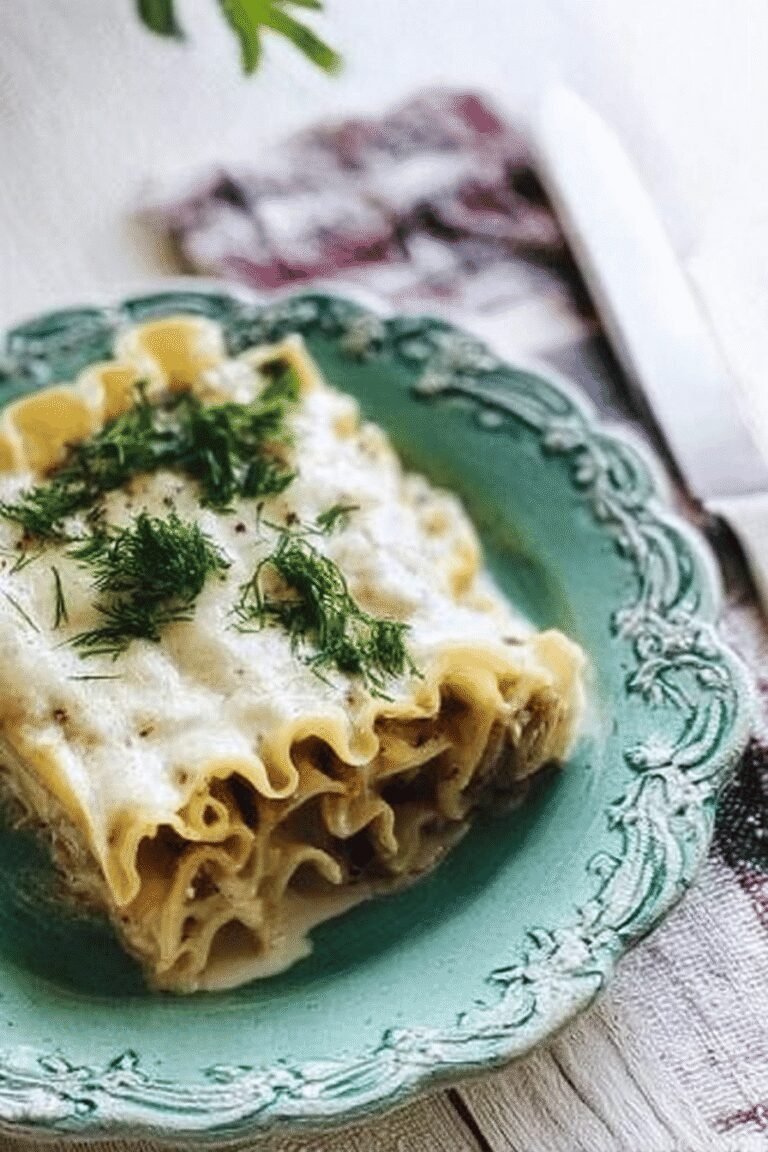
Freeze Lasagna
❄️ Learn how to freeze lasagna properly to preserve its flavor and texture for future meals.
🔥 This guide ensures perfect reheating so you can enjoy fresh-tasting lasagna anytime without compromising quality.
Ingredients
– 12 lasagna noodles for the layered base of the dish
– 2 cups ricotta cheese to add creaminess
– 3 cups shredded mozzarella for a melty, gooey finish
– 2 cups marinara sauce to provide robust flavor and moisture
– 1 pound ground beef or plant-based meat substitute as the protein source for heartiness
– 1 tablespoon olive oil for sautéing and boosting flavor
Instructions
1-First, gather and prepare your ingredients by chopping any vegetables, grating cheese, and pre-cooking the lasagna noodles according to the package instructions. This sets the stage for smooth assembly and helps avoid any last-minute rushes.
2-Next, heat the olive oil in a skillet and cook the ground beef or substitute until it’s browned, then drain any excess fat to keep the dish from becoming too greasy.
3-Stir in the marinara sauce and let it simmer for about 5 minutes to blend the flavors together, creating a savory base.
4-In your baking dish, start layering with a small amount of sauce at the bottom, followed by noodles, ricotta, mozzarella, and more sauce repeat these layers until everything is used. Once assembled, cover the dish tightly with foil to lock in moisture, which is key for freezing.
5-After assembling, allow the lasagna to cool completely if you’re baking it first, as this prevents freezer burn and keeps other items in your freezer safe. Wrap it tightly with plastic wrap and then aluminum foil to block out air, and don’t forget to label it with the contents, date, and reheating instructions for easy reference. Frozen lasagna can last up to three months, so use disposable aluminum pans or tempered glass dishes to avoid cracking during freezing.
6-For cooking from thawed, bake at 375°F (190°C) for 45-50 minutes. If it’s frozen, extend the time to about 90 minutes until heated through.
7-To reheat properly, first defrost overnight in the refrigerator, then bring it to room temperature for around 30 minutes. Preheat your oven to 375°F (190°C), cover with foil, and bake for 60 to 70 minutes until it reaches an internal temperature of 165°F (74°C). Remove the foil and bake for another 10 minutes to brown the top, then let it rest for 10 minutes before serving for the best texture. For individual slices, defrost them, bring to room temperature, and bake at 350°F (175°C) for 30 minutes until heated through.
Last Step:
Please leave a rating and comment letting us know how you liked this recipe! This helps our business to thrive and continue providing free, high-quality recipes for you.Notes
🛠️ Use disposable aluminum pans or tempered glass/ceramic dishes to avoid cracking during freezing or baking.
❄️ Freeze lasagna before baking to maintain texture if you prefer making it in advance.
📋 Clearly label containers with contents, freeze date, and reheating instructions for easy use.
⏳ Frozen lasagna is best consumed within three months for optimal flavor and quality.
- Category: Main Course
- Method: Freezing and Baking