

Discovering the Simplicity of Grilled Eggplant Recipes
When the warm weather arrives and the grill comes out, finding the perfect grill recipes becomes a top priority for many home cooks. Among the plethora of options available, grilled vegetables stand out as both flavorful and nutritious, with grilled eggplant recipes being a true standout. This simple yet delicious dish offers a unique combination of taste and health benefits that make it ideal for those seeking healthy grill recipes and grilling for beginners looking for an easy starting point.
Grilled eggplant brings together the smoky char from the grill with the creamy texture of this versatile vegetable. Whether you’re planning a backyard barbecue or just looking for a quick weekday dinner side, this grilled eggplant recipe delivers both simplicity and sophistication in under 30 minutes. The natural properties of eggplant make it especially suitable for grilling, as it holds up well to high heat while developing beautifully caramelized edges that enhance its mild flavor.
Why Grilled Eggplant Belongs on Your Plate
Including more grilled vegetables in your diet can transform ordinary meals into extraordinary culinary experiences, and eggplant is no exception. When grilled, eggplant undergoes a remarkable transformation, developing a smoky flavor and creamy texture that complements a wide range of dishes. Beyond its delicious taste, grilled eggplant offers numerous health advantages that make it a smart choice for health-conscious individuals.
According to research on the health benefits of eggplant, this purple powerhouse is low in calories while being high in fiber and packed with essential nutrients. It contains significant amounts of vitamins C and K, as well as B vitamins, potassium, and manganese. The deep purple skin is rich in antioxidants, particularly nasunin, which has been shown to protect brain cell membranes from free radical damage.
“Grilling vegetables brings out their natural sweetness while adding a delightful smoky dimension that can’t be achieved through other cooking methods.”
For those watching their heart health, grilled eggplant recipes offer a particularly appealing option. Eggplant is naturally low in fat, contains no cholesterol, and is very low in sodium, making it an excellent choice for those managing blood pressure or seeking to maintain heart health. The high fiber content also contributes to feelings of fullness, which can be beneficial for weight management goals.
Nutritional Breakdown of Eggplant
Understanding the nutritional profile of eggplant helps highlight why this vegetable deserves a regular spot in your grill recipes rotation. When prepared as a simple grilled dish without excessive oil or salt, eggplant offers maximum benefits with minimal calories:
| Nutrient | Benefit | Amount per 100g |
|---|---|---|
| Fiber | Digestive health, satiety | 3g |
| Potassium | Blood pressure management | 229mg |
| Manganese | Bone health, metabolism | 0.25mg |
| Vitamin K | Blood health, bone density | 3.5μg |
| Anthocyanins | Antioxidant protection | Varies by variety |
Essential Ingredients for Perfect Grilled Eggplant
Creating memorable grilled eggplant recipes doesn’t require a lengthy shopping list or specialty ingredients. In fact, the beauty of this dish lies in its simplicity. With just a few basic pantry staples, you can create a restaurant-quality side dish that will impress family and friends at your next gathering.
The key to exceptional healthy grill recipes is starting with quality ingredients. When selecting eggplant for grilling, look for fruits (yes, eggplant is technically a fruit!) that feel firm and heavy for their size. The skin should be smooth and glossy without any blemishes or soft spots. Smaller eggplants tend to be sweeter and have fewer seeds, making them ideal for grilling. However, larger globe eggplants work well too, especially when sliced thickly to withstand the heat of the grill.
Ingredient List for Basic Grilled Eggplant
The following ingredients will create a simple yet delicious base for your grilled eggplant recipes. Once you master this basic preparation, you can experiment with various seasonings and toppings to customize the flavor profile:
- Olive oil (as needed for grilling)
- 1 medium eggplant (peeled and sliced)
While the basic recipe requires just these two ingredients, you’ll likely want to enhance the flavor with seasonings. Consider adding:
- Salt and freshly ground black pepper
- Garlic powder or minced fresh garlic
- Dried herbs like oregano, thyme, or rosemary
- Red pepper flakes for heat
- Balsamic vinegar or lemon juice for brightness
For those looking to expand their repertoire of grilled vegetables, the same basic preparation method works wonderfully for zucchini, bell peppers, onions, and even thick slices of tomato. You might find that serving a colorful variety of grilled vegetables creates an impressive and healthy platter that’s perfect for entertaining.
Eggplant Varieties and Their Characteristics
When exploring grilled eggplant recipes, it’s helpful to understand that different eggplant varieties can yield slightly different results. The most common types you’ll find in grocery stores include:
- Globe or American eggplant: Large, purple, and oval-shaped; widely available and versatile
- Italian or baby eggplant: Smaller and more tender with fewer seeds; ideal for grilling whole
- Japanese or Asian eggplant: Long, thin, and deep purple; sweet flavor and delicate texture
- White eggplant: Cream-colored and often slightly smaller; milder flavor than purple varieties
- Chinese eggplant: Lighter purple than Italian varieties; has a delicate, sweet flavor
Each variety can be used to create wonderful grilled eggplant recipes, so don’t be afraid to experiment! Japanese eggplants, with their thinner shape, cook more quickly and offer a slightly sweeter taste, while globe eggplants, when cut into thick rounds, hold up beautifully to the grill’s heat and develop satisfying grill marks.
Step-by-Step Guide to Grilling Perfect Eggplant
Mastering grilled eggplant recipes is well within reach of grilling for beginners while still offering enough nuance to interest seasoned grill masters. The key lies in proper preparation and attention to a few critical details that can make the difference between good and great grilled eggplant.
Before diving into the steps, it’s worth noting that some people choose to salt their eggplant before grilling. This traditional technique, known as “degorging,” involves sprinkling salt on the sliced eggplant and letting it sit for about 20-30 minutes. The salt draws out moisture along with some of the compounds that can make eggplant taste bitter or cause it to absorb excessive oil. After this rest period, you simply rinse the slices, pat them dry, and proceed with seasoning and grilling. While this step isn’t absolutely necessary with modern eggplant varieties (which have been bred to be less bitter), it can still improve texture and reduce oil absorption.
Preparing Your Grill for Success
The foundation of all great grill recipes begins with proper grill setup. Whether you’re using a gas, charcoal, or electric grill, these preparation steps are crucial for achieving that perfect char and tenderness in your eggplant:
- Start with a clean grill Remove any food residue from previous grilling sessions. A clean grill prevents flavors from transferring and ensures even cooking without sticking.
- Preheat your grill Set your grill to medium-high heat (approximately 400°F or 200°C). Proper preheating is essential for creating those beautiful grill marks and preventing the eggplant from sticking.
- Oil the grates Once the grill is hot, use tongs to rub an oil-soaked paper towel over the grates. This creates a non-stick surface and helps achieve those classic crosshatch marks.
For those looking to expand their grilling skills, following a comprehensive ultimate grilling guide can provide additional techniques that will enhance all your grill recipes, including advanced methods for controlling temperature and managing flare-ups.
Slicing and Seasoning the Eggplant
The way you prepare the eggplant before it hits the grill significantly impacts the final result. Here’s how to slice and season for maximum flavor and perfect texture:
- Wash and dry the eggplant Remove any dirt from the skin, but wait to peel until slicing to preserve freshness.
- Peel the eggplant Remove the skin completely with a vegetable peeler for creamier texture, or create stripes by peeling every other strip for visual appeal.
- Slice evenly Cut the eggplant into slices about ½ inch thick. This thickness allows the eggplant to cook through without becoming mushy or drying out.
- Season generously Brush both sides of each slice with olive oil and season with salt and pepper. Don’t be afraid of seasoning eggplant benefits from robust flavoring.
“The secret to outstanding grilled eggplant lies in achieving that perfect balance between tenderness and caramelization when the edges are slightly charred and crispy while the interior remains creamy.”
The Grilling Process: From Cook to Perfection
With preparation complete, it’s time to focus on the grilling itself. These steps will guide you through the cooking process to ensure tender, flavorful eggplant with beautiful grill marks:
- Place the eggplant on the grill Arrange the slices in a single layer on the preheated, oiled grill grates. Leave space between slices for proper air circulation and easier flipping.
- Grill until marked and tender Cook for about 5-7 minutes on each side, depending on the heat of your grill and the thickness of your slices. Look for distinct grill marks and a golden-brown color.
- Flip with care Use a wide spatula to gently flip the eggplant slices. If you’ve properly oiled both the grates and the eggplant, flipping should be smooth without tearing the slices.
- Check for doneness The eggplant is ready when it’s tender when pierced with a fork but still holds its shape. The interior should be creamy and the exterior nicely caramelized.
- Remove from heat Transfer the grilled eggplant to a serving platter. If desired, finish with a final drizzle of olive oil, a sprinkle of fresh herbs, or a squeeze of lemon juice.
For those interested in exploring more healthy grill recipes, the same grilling technique works beautifully for other vegetables. Consider creating a colorful platter of grilled vegetables including zucchini, bell peppers, and onions alongside your eggplant for a complete side dish that celebrates summer’s bounty.
Serving Suggestions for Grilled Eggplant
The versatility of grilled eggplant recipes means they can be served in numerous ways, from a simple side dish to the star of the meal. Consider these serving suggestions to make the most of your grilled eggplant:
- As an appetizer, topped with fresh herbs, crumbled feta cheese, and a drizzle of balsamic glaze
- Layered in a sandwich with hummus, roasted red peppers, and fresh greens
- As a side to grilled meats or fish, complementing the main dish with its smoky flavor
- Chopped and added to pasta salads or grain bowls for extra texture and taste
- Served over polenta or couscous with a tomato-based sauce for a satisfying vegetarian main course
Advanced Techniques for Elevating Your Grilled Eggplant
Once you’ve mastered the basic recipe, it’s time to explore more creative approaches to grilled eggplant recipes. These advanced techniques and variations will help you unlock even more flavor potential and impress your guests with your grilling prowess.
One factor that makes eggplant such a versatile grilling vegetable is its ability to absorb and complement a wide range of flavors. From Mediterranean to Asian cuisines, eggplant serves as a perfect canvas for showcasing different seasonings and preparation methods. By understanding how different techniques affect the final dish, you can customize your grilled eggplant to suit any meal or preference.
Flavor Variations and Seasoning Combinations
Consider these distinct flavor profiles to transform your basic grilled eggplant into something extraordinary:
Mediterranean Style
Create a Mediterranean-inspired dish by brushing the eggplant with olive oil infused with garlic and herbs. After grilling, top with crumbled feta cheese, fresh mint, and a squeeze of lemon;
Asian-Inspired
Marinate the eggplant slices in a mixture of soy sauce, sesame oil, garlic, and ginger before grilling. Finish with a sprinkle of sesame seeds and finely sliced scallions.
Smoky Southwest
Season the eggplant with chili powder, cumin, and smoked paprika before grilling. Serve topped with diced avocado, fresh cilantro, and a dollop of Greek yogurt.
“Experimenting with different flavor profiles is one of the joys of working with grilled eggplant its mild flavor serves as the perfect backdrop for showcasing global seasonings.”
Grilling Techniques for Different Textures
The way you grill eggplant can dramatically affect its final texture. These techniques allow you to customize the dish based on your preferences:
- Direct-heat grilling Placing the eggplant directly over the heat source creates pronounced grill marks and a slightly firmer texture. This method works well for thicker slices and is perfect when you want the eggplant to maintain its shape in salads or sandwiches.
- Indirect-heat grilling Positioning the eggplant away from direct heat creates a gentler cooking process that results in exceptionally creamy, tender slices. This technique is ideal for larger eggplant halves stuffed with fillings.
- Grill-roasting whole eggplants Cooking an entire eggplant on the grill until the skin blackens and the interior becomes soft and smoky. Once cool, the flesh can be scooped out and used for dips like baba ganoush.
Each technique offers unique benefits, so don’t hesitate to experiment to find your preferred method. For those looking to expand their grill recipes repertoire, consider trying our delicious empanada recipe which pairs wonderfully with a side of grilled eggplant for a complete meal experience.
Storing and Reheating Grilled Eggplant
Proper storage ensures that leftover grilled eggplant maintains its delicious flavor and texture. Follow these guidelines for the best results:
- Refrigeration Store cooked grilled eggplant in an airtight container in the refrigerator for up to 3-4 days
- Freezing For longer storage, freeze in freezer-safe containers or bags for up to 3 months. Note that the texture may change slightly upon thawing
- Reheating Gently reheat in a skillet over medium heat, in a preheated oven at 350°F (175°C), or briefly on the grill. Avoid microwaving if possible, as this can make the eggplant soggy
Grilled eggplant can also be enjoyed cold in salads or sandwiches, making it an excellent option for meal prep. Consider grilling extra eggplant at the beginning of the week to use in various dishes throughout your meal plan.
Frequently Asked Questions About Grilled Eggplant Recipes
What are some easy ground chicken recipes for beginners?
How do you keep ground chicken moist and flavorful when cooking?
Can ground chicken be used as a healthy substitute for ground beef?
What safety tips should I follow when cooking with ground chicken?
What are creative ways to use ground chicken in meals besides burgers?
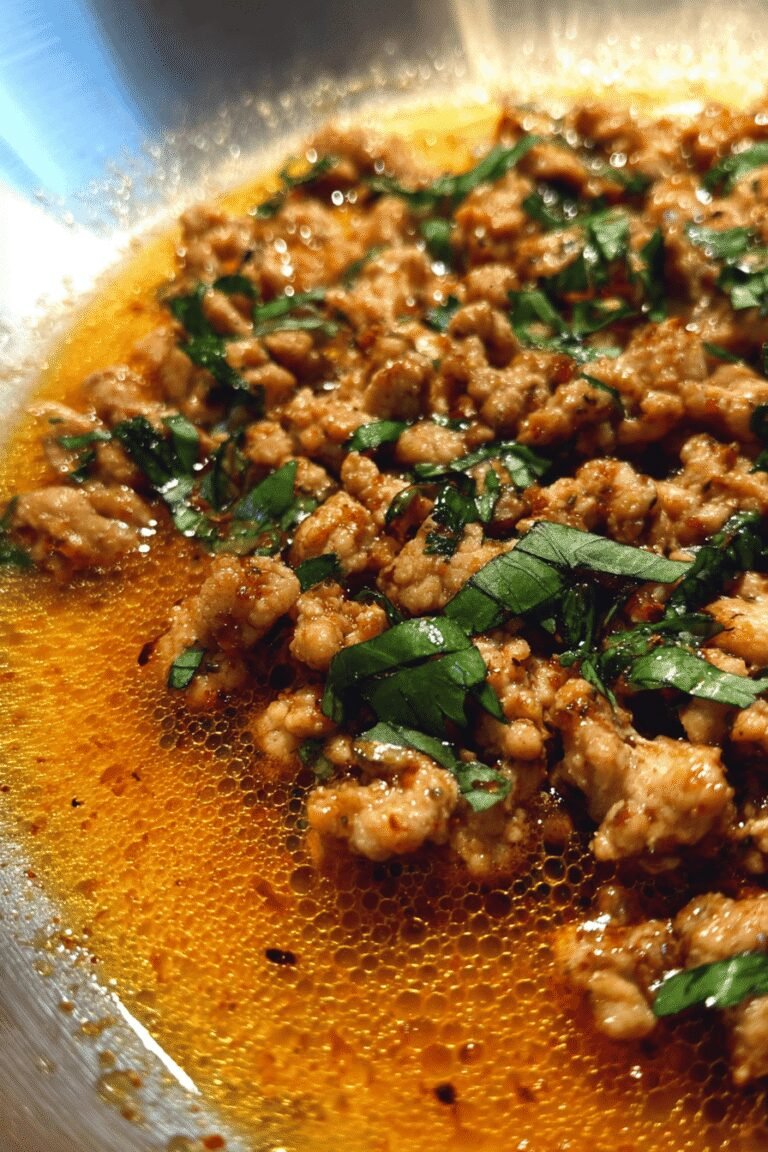
Ground Chicken Recipes
🍗 Sesame Ground Chicken Recipes for Quick and Flavorful Meals offer a lean, protein-packed dish that comes together quickly for busy weeknights.
🌿 The sweet and savory sesame sauce complements the chicken beautifully, making it perfect to serve over rice or noodles for a satisfying meal.
- Total Time: 15 minutes
- Yield: 4 servings
Ingredients
– Olive oil as needed for grilling
– 1 medium eggplant peeled and sliced
– Salt and freshly ground black pepper
– Garlic powder or minced fresh garlic
– Dried herbs like oregano, thyme, or rosemary
– Red pepper flakes for heat
– Balsamic vinegar or lemon juice for brightness
Instructions
1-Start with a clean grill Remove any food residue from previous grilling sessions. A clean grill prevents flavors from transferring and ensures even cooking without sticking.
2-Preheat your grill Set your grill to medium-high heat (approximately 400°F or 200°C). Proper preheating is essential for creating those beautiful grill marks and preventing the eggplant from sticking.
3-Oil the grates Once the grill is hot, use tongs to rub an oil-soaked paper towel over the grates. This creates a non-stick surface and helps achieve those classic crosshatch marks.
4-Wash and dry the eggplant Remove any dirt from the skin, but wait to peel until slicing to preserve freshness.
5-Peel the eggplant Remove the skin completely with a vegetable peeler for creamier texture, or create stripes by peeling every other strip for visual appeal.
6-Slice evenly Cut the eggplant into slices about ½ inch thick. This thickness allows the eggplant to cook through without becoming mushy or drying out.
7-Season generously Brush both sides of each slice with olive oil and season with salt and pepper. Don’t be afraid of seasoning eggplant benefits from robust flavoring.
8-Place the eggplant on the grill Arrange the slices in a single layer on the preheated, oiled grill grates. Leave space between slices for proper air circulation and easier flipping.
9-Grill until marked and tender Cook for about 5-7 minutes on each side, depending on the heat of your grill and the thickness of your slices. Look for distinct grill marks and a golden-brown color.
10-Flip with care Use a wide spatula to gently flip the eggplant slices. If you’ve properly oiled both the grates and the eggplant, flipping should be smooth without tearing the slices.
11-Check for doneness The eggplant is ready when it’s tender when pierced with a fork but still holds its shape. The interior should be creamy and the exterior nicely caramelized.
12-Remove from heat Transfer the grilled eggplant to a serving platter. If desired, finish with a final drizzle of olive oil, a sprinkle of fresh herbs, or a squeeze of lemon juice.
Last Step:
Please leave a rating and comment letting us know how you liked this recipe! This helps our business to thrive and continue providing free, high-quality recipes for you.Notes
🥦 Add vegetables like broccoli, snap peas, or shredded carrots for extra nutrition.
🍯 Adjust sweetness by reducing brown sugar or substituting with stevia-based sweeteners.
🍖 Substitute ground chicken with ground turkey, pork, or lean beef to vary the protein.
- Prep Time: 5 minutes
- Cook Time: 10 minutes
- Category: Main Dish
- Method: Sautéing, Simmering
- Cuisine: Asian-inspired
- Diet: High Protein
Nutrition
- Serving Size: 1 serving