
Why You’ll Love These Healthy Vegan Lunchbox Ideas
Creating balanced, enticing vegan lunches for children doesn’t have to be complicated. These healthy vegan lunchbox ideas are designed with busy parents in mind, offering nutritious options that kids will actually look forward to eating. Packing lunches can feel like a chore, but these tasty vegan lunch ideas will have your kids actually excited to open their lunch boxes and that’s a win for everyone at the table.These lunchbox ideas combine nutrition with kid-approved flavors, making plant-based eating both delicious and accessible for children.Ease of preparation is at the heart of these recipes. With minimal prep time and straightforward instructions, you can assemble satisfying lunches even on your busiest mornings. The ingredients are readily available, and many components can be prepared ahead of time to streamline your morning routine. Beyond convenience, these healthy vegan lunchbox ideas pack powerful nutritional benefits. Each meal provides a balance of macronutrients and micronutrients essential for growing bodies. From plant-based proteins that support muscle development to fiber-rich vegetables that aid digestion, these lunches fuel your child’s day without relying on processed ingredients. The versatility of these recipes makes them a valuable addition to any family’s meal rotation. Adapt them to seasonal produce availability, adjust portion sizes according to your child’s appetite, or modify ingredients based on preferences and dietary needs. Whether you’re catering to gluten sensitivities, nut allergies, or simply looking to add more variety to your child’s diet, these recipes can be customized while maintaining their nutritional integrity and delicious flavor profiles.
Essential Ingredients for Healthy Vegan Lunchbox Ideas
Creating nutritious vegan lunches for kids begins with having the right ingredients on hand. Below you’ll find the specific components for each recipe that forms the foundation of our healthy vegan lunchbox ideas.Roasted Veggies
- 2 cups mixed vegetables (e.g., broccoli, cauliflower, radishes)
- A drizzle of oil or broth
- A dash of sea salt
- Optional spices (garlic powder, oregano, smoked paprika)
Blanched Veggies
- 2 cups mixed vegetables
- A dash of salt
Cooked Pasta with Chopped Veggies
- 8 ounces pasta (gluten-free optional)
- 1 cup chopped fresh vegetables (e.g., zucchini, squash, broccoli)
- A dash of sea salt
Crispy Chickpeas
- 15 ounces canned chickpeas
- A drizzle of oil (optional)
- Sea salt
- Optional spices (garlic powder, oregano, dill, parsley, smoked paprika)
How to Prepare the Perfect Healthy Vegan Lunchbox Ideas: Step-by-Step Guide
Transforming these simple ingredients into appealing lunches requires just a few easy steps. Follow these instructions for each component to create nutritious additions to your child’s lunchbox.Preparing Roasted Veggies
- Cut vegetables into uniform bite-sized cubes.
- Toss with a drizzle of oil or broth and a dash of sea salt.
- Add optional spices if desired.
- Spread on a parchment-lined baking sheet in a single layer.
- Roast at 450°F (232°C) for 30-40 minutes until crispy and slightly browned.
Preparing Blanched Veggies
- Cut vegetables into large, uniform pieces.
- Prepare an ice water bath in a large bowl.
- Bring water to a boil in a pot with a dash of salt.
- Add vegetables and boil for 2-3 minutes until slightly tender but still crisp.
- Drain immediately and plunge into ice water to stop cooking and maintain crispness.
- Drain again before packing.
Preparing Cooked Pasta with Chopped Veggies
- Cook pasta according to package directions until al dente.
- Place chopped fresh vegetables in a strainer.
- Drain the cooked pasta over the vegetables to lightly blanch them with the hot water.
- Mix with vegan cheese and sea salt if desired.
Preparing Crispy Chickpeas
- Drain and rinse chickpeas (omit rinse if using oil).
- Toss with a drizzle of oil (if using), sea salt, and optional spices.
- Spread on a parchment-lined baking sheet in a single layer.
- Bake at 400°F (204°C) for 20-30 minutes until crispy, checking at 25 minutes to prevent burning.

Dietary Substitutions to Customize Your Healthy Vegan Lunchbox Ideas
These recipes are naturally versatile, allowing you to easily customize them based on your child’s preferences, nutritional needs, or ingredient availability. Making substitutions ensures these lunch ideas remain exciting while respecting individual dietary requirements.Protein and Main Component Alternatives
The base ingredients in these recipes already provide excellent plant-based protein, but variations can keep lunches interesting. Replace chickpeas with lentils or black beans to vary the protein source while maintaining similar textures and nutritional profiles. For children who enjoy firmer textures, consider adding tofu or tempeh to the lunchbox. These soy-based options offer higher protein content and take on flavors well when seasoned or marinated. If your child needs higher calorie content, increase the proportion of healthy fats from avocado or nuts. For lower-calorie options, focus more on vegetables and use minimal oil in preparations. Incorporating different protein sources can help expand your child’s palate while meeting nutritional needs.Vegetable, Sauce, and Seasoning Modifications
Seasonal vegetables should inspire your lunchbox creations. Swap spinach for kale or arugula based on what’s freshest at the market. During cooler months, root vegetables like carrots and sweet potatoes roast beautifully, while summer shines with zucchini and bell peppers. Encourage your child to try new vegetables by featuring them alongside familiar favorites. Dressings and sauces transform even simple ingredients into exciting meals. Experiment with different combinations like tahini dressing, balsamic vinaigrette, or simple lemon and olive oil. A small container of sauce can be packed separately to maintain ingredient freshness until lunchtime. Adjust seasoning to your child’s preferences while gradually introducing new flavors. Smoked paprika adds depth to roasted vegetables, while cumin gives an earthy note to chickpeas. Fresh herbs like cilantro or dill brighten flavors without adding sodium. For children transitioning from more processed foods, start with milder seasonings and gradually increase flavor complexity. The beauty of these healthy vegan lunchbox ideas lies in their adaptability. Use the basic recipes as templates rather than rigid rules, adjusting them based on your child’s evolving tastes and nutritional requirements.Mastering Healthy Vegan Lunchbox Ideas: Advanced Tips and Variations
Once you’ve mastered the basic recipes, these advanced techniques will elevate your lunchbox game while maintaining simple preparation methods. These professional tips help you maximize flavor, texture, and visual appeal without spending extra time in the kitchen. Pro cooking techniques can make even simple ingredients memorable. Toast quinoa before cooking to enhance its natural nuttiness and reduce any potential bitterness. Marinate tofu or tempeh overnight in a combination of tamari, nutritional yeast, and liquid smoke to develop deep flavors your child will love. When roasting vegetables, ensure they’re cut into uniform sizes for even cooking and maximum caramelization.Floralicious Flavor Combinations
Creating memorable meals involves balancing flavors and textures. Add roasted vegetables or nuts to grain-based lunches for textural contrast that makes eating more enjoyable. Incorporate spices like turmeric or curry powder to introduce your child to global flavors while providing anti-inflammatory benefits. Consider these tried-and-true flavor combinations:| Base Component | Flavor Additions | Texture Pairings |
|---|---|---|
| Roasted Chickpeas | Smoked paprika & garlic powder | Steamed brown rice & fresh spinach |
| Blanched Veggies | Lemon zest & dill | Quinoa & diced avocado |
| Cooked Pasta | Nutritional yeast & basil | Roasted broccoli & sunflower seeds |
Smart Presentation Tips
Presentation matters, especially for children. Use sectioned lunch containers to separate components and prevent flavors from mingling. This organization also helps maintain freshness and texture differences until mealtime. Small touches like a sprinkling of seeds, fresh herbs, or colorful vegetable ribbons make the meal visually appealing and exciting to eat.Bento-style lunches with colorful components arranged attractively encourage children to try new foods and eat a more balanced meal.
Strategic Make-Ahead Options
Preparing components in advance saves precious morning minutes. Cook grains and proteins on weekends, washing and chopping vegetables when you have extra time. Consider freezing individual portions of some components that freeze well, like chickpeas or cooked pasta, to have ready options during especially busy weeks. Assemble lunchboxes the night before or in the morning, adding items that might wilt or lose texture at the last minute. By implementing these advanced strategies, you’ll create lunches that are not only nutritionally complete but also exciting and appealing to your child. These techniques help ensure that healthy meals are met with enthusiasm rather than resistance.How to Store Healthy Vegan Lunchbox Ideas: Best Practices
Proper storage is essential for maintaining the freshness, safety, and appeal of vegan lunchbox components. These best practices ensure that the food remains delicious until lunchtime and help you streamline your meal preparation process. Refrigeration is the primary method for storing prepared lunch components. Keep meals in airtight containers in the refrigerator for up to 3 days to maintain freshness. Moisture-sensitive ingredients like crispy chickpeas should be stored separately from moist components to preserve their texture. For optimal organization, consider storing each component in individual containers, ready to combine when assembling the lunchbox. Freezing can extend the life of certain components while sacrificing minimal quality. Cooked grains like quinoa and rice freeze exceptionally well when stored properly in freezer-safe containers. Legumes like chickpeas and beans also maintain their texture after thawing. However, fresh vegetables with high water content and avocado should be added fresh to avoid undesirable texture changes. When planning your weekly meal prep, identify which components freeze well and prepare them in larger batches for future use. Reheating certain elements can transform them from good to great. Gently warm the quinoa and protein bases in the microwave or on the stove before packing in an insulated container to keep them warm until lunchtime. Be careful not to overheat avocado-based components, which can become bitter when heated. For families that prefer warm lunches, investing in a quality insulated food container can maintain serving temperatures for several hours. Meal prep considerations can make your lunch assembly process significantly more efficient. Designate specific days for washing and chopping vegetables, cooking grains, and preparing proteins. Creating an assembly line approach to lunch packing, where all components are ready to combine, reduces morning stress. Labeling containers with preparation dates ensures you use ingredients in their optimal freshness window, reducing food waste and ensuring quality. By implementing these storage strategies, you’ll maximize the efficiency of your meal preparation while ensuring that every lunchbox is fresh, safe, and appealing for your child.Building Complete and Appealing Lunches
Creating balanced vegan lunches that kids will love involves thoughtful combination of different food groups. These suggestions for mains, fruits and vegetables, and snacks will help you assemble complete meals that satisfy nutritional needs and taste preferences.Mains
Main dishes provide the foundation of a satisfying lunch. Include variety in your rotation with options like avocado sandwiches on whole grain bread, nut or sunflower butter banana rolls that offer protein and natural sweetness, or hummus and cucumber sandwiches that deliver creamy texture and refreshing crunch. Other family-pleasing options include vegan spinach quesadillas, colorful rice salads, and veggie burger nuggets that appeal to children’s preferences for familiar shapes and textures. For cold weather months, consider packing thermos-friendly options like chunky vegetable soups or hearty chili. During warmer seasons, refreshing options like bagel or rice cake sandwiches topped with fresh fruits and vegetables provide lighter alternatives. Mashed bean and avocado roll-ups in whole grain tortillas offer protein-rich options that are easy to eat. Creative takes on familiar favorites like pita or bagel pizzas with vegetable toppings transform dinner classics into exciting lunch options.Fruits & Veggies
Fruits and vegetables add essential vitamins, minerals, and fiber while contributing natural sweetness and appealing colors to the lunchbox. Bananas, apples, tangerines, berries, grapes, kiwi, and mango offer seasonal variety and natural sweetness. For convenience, choose fruits that require minimal preparation, like grapes and berries, or slice options like apples and toss with a little lemon juice to prevent browning. Vegetable options can include familiar choices like carrots and celery sticks alongside more adventurous selections like peas, zucchini, and raw or roasted broccoli and cauliflower. Cucumbers, green beans, asparagus, and roasted radishes offer different textures and flavors that keep lunch interesting. Thinly sliced lettuce or cabbage can add crunch to sandwiches and wraps, protecting bread from moist fillings while adding nutritional value. Include small containers of kid-friendly dips like hummus or fruit dip to make eating vegetables more enjoyable. The act of dipping transforms eating into an interactive activity, encouraging children to consume more vegetables than they might otherwise. Nut and seed butters also serve as excellent dip options that provide healthy fats and additional protein.Snacks & Treats
Completing the lunchbox with appropriate snacks satisfies hunger while providing nutritional value. Fresh or canned beans offer protein in a convenient form, while pretzels deliver satisfying crunch with minimal preparation. Dried fruit and seed mixes provide energy-dense options that don’t require refrigeration. Homemade trail mix allows you to control ingredients while catering to your child’s preferences. For children who enjoy carbs, dry cereal or granola bars offer familiar flavors while providing sustained energy. Apple butter sandwiches on small crackers or toasts deliver natural sweetness without refined sugars. The classic “ants on a log” celery sticks filled with nut butter and topped with raisins combines crunch, protein, and natural sweetness in a playful format that captivates children. Homemade baked goods like muffins or healthy breakfast cookies allow you to incorporate whole grains, fruits, and vegetables into treats that feel indulgent. Waffle sticks cut into manageable pieces offer a novel alternative to sandwiches. Raw snack bars or balls made from dates, nuts, and seeds provide nutrient-dense options that are easy to pack and eat. Freeze-dried fruit maintains nutritional value while offering a different texture experience than fresh fruit. Fruit and treat skewers transform simple ingredients into exciting presentations that children find irresistible. Thread grapes, melon cubes, and berries onto short skewers for a rainbow fruit option. The crispy chickpeas prepared using the recipe provided earlier serve as an excellent savory snack that replaces less nutritious chip options while providing protein and fiber.Packing Tips for Lunchbox Success
The way you pack lunches can significantly impact their appeal and freshness. Strategic packing ensures that different components maintain their optimal texture and temperature until lunchtime, making the meal more enjoyable for your child. Invest in quality lunchboxes with compartments to separate components and prevent mixing. This organization is especially important for maintaining the crispness of ingredients that might become soggy when combined. For children who appreciate visual variety, containers with multiple sections allow you to create a colorful, appetizing array of foods that makes lunch exciting to explore. Involve your child in the packing process to increase the likelihood that they’ll enjoy and eat their lunch. Allow them to select their favorite fruits and vegetables, or choose between two main dish options. Give them responsibility for packing their own container under your guidance, building independence and food literacy skills. When children participate in lunch preparation, they develop ownership of their food choices and are more likely to eat what they’ve helped create. Encourage your child to choose fun containers and special additions that increase lunchtime excitement. A small note, stickers, or a unique ice pack can transform an ordinary meal into a special experience. Some children enjoy picking cookie cutters to shape sandwiches or fruit slices, adding an element of creativity to their lunch. These small touches demonstrate care and attention that make the lunch experience more meaningful for your child. Preparing lunches together can become a bonding activity that makes the process easier and more enjoyable for everyone. Designate specific times during the week for lunch preparation, turning what might feel like a chore into quality time spent together. These shared experiences create positive associations with healthy food and provide opportunities to teach valuable nutrition and cooking skills that will serve your child throughout their life.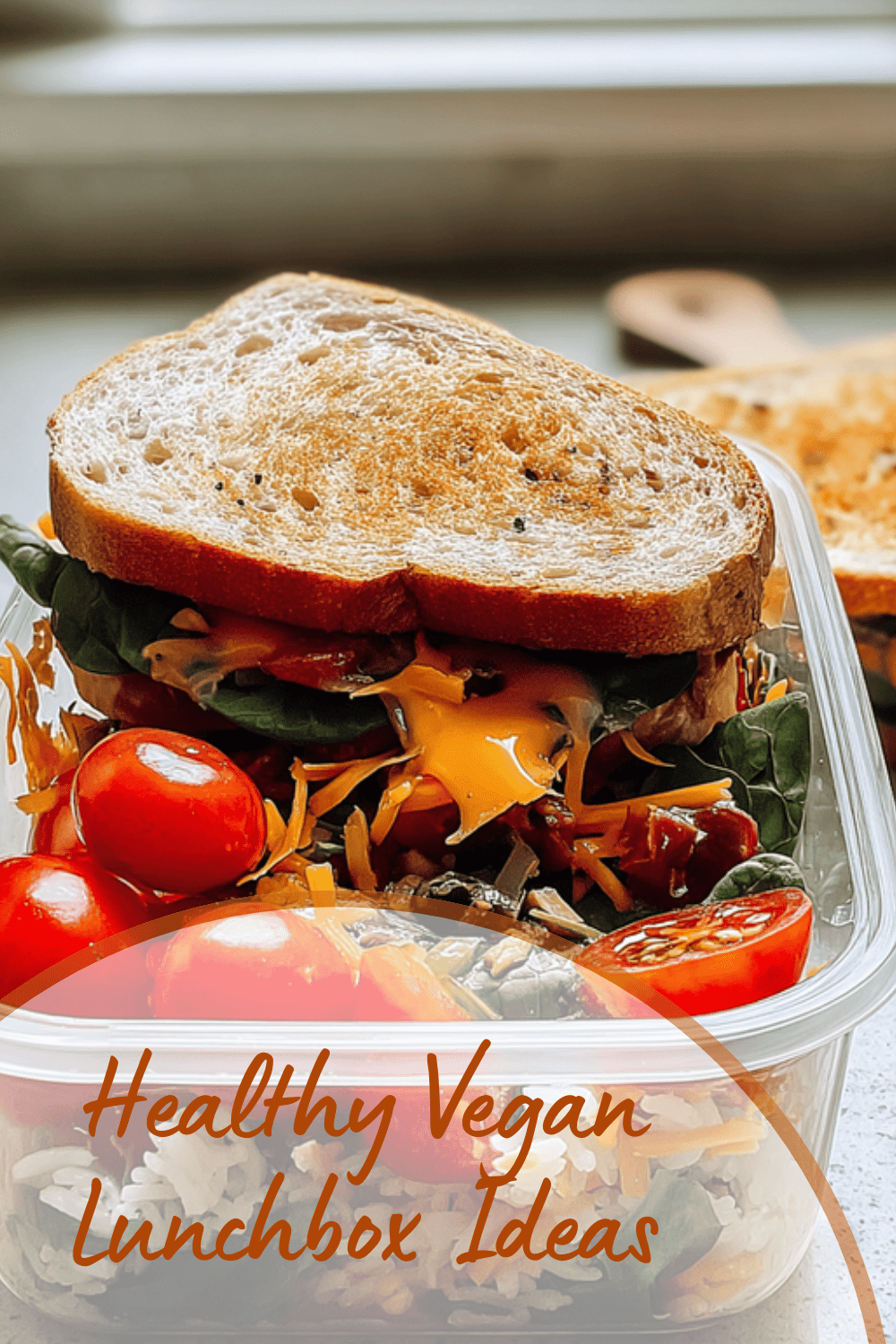
FAQs: Frequently Asked Questions About Healthy Vegan Lunchbox Ideas
What are some easy and healthy vegan lunchbox ideas for kids?
How can I make sure a vegan lunchbox is balanced and nutritious?
What are the best containers for packing vegan lunches to keep food fresh?
Can kids help prepare their own vegan lunchboxes?
How do I introduce more vegan meals into my family’s diet without making drastic changes?
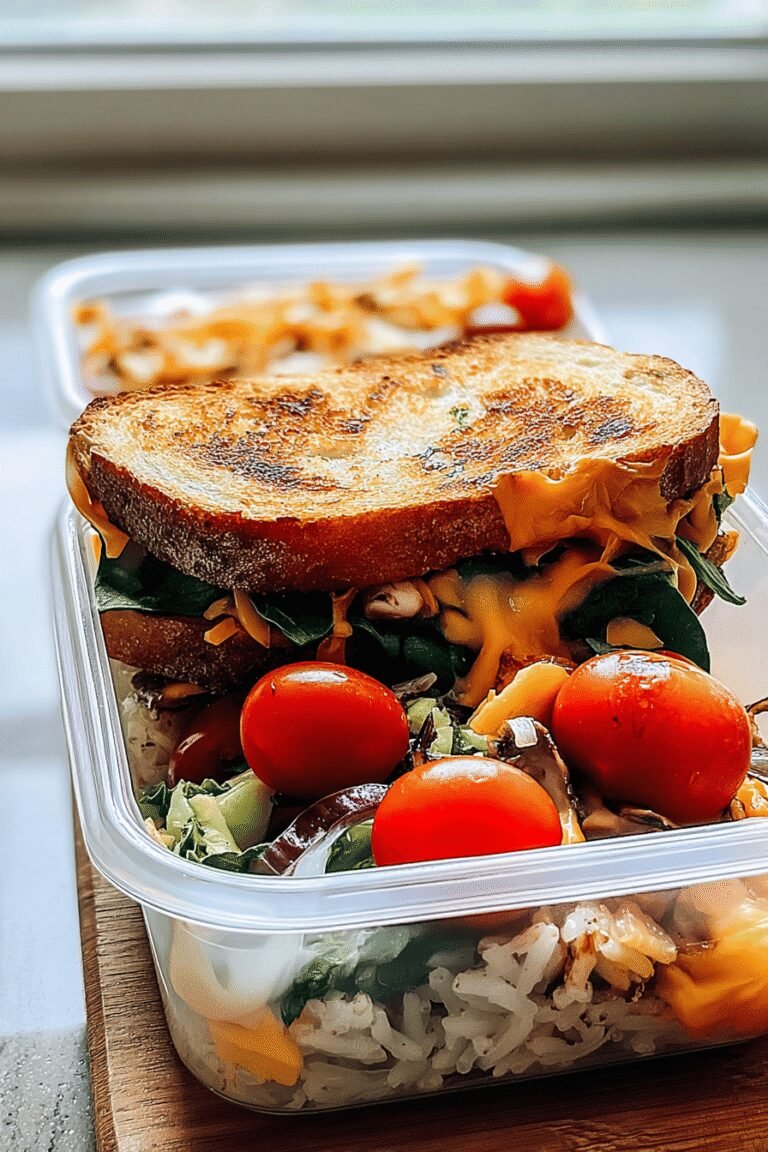
Healthy Vegan Lunchbox Ideas
🥗 Discover easy vegan lunch ideas for kids that are nutritious, tasty, and simple to prepare.
🌱 These recipes include colorful veggies and crispy chickpeas, encouraging healthy eating habits and variety in each lunchbox.
- Total Time: 35 minutes
- Yield: Multiple servings
Ingredients
– 2 cups mixed vegetables (e.g., broccoli, cauliflower, radishes)
– A drizzle of oil or broth
– A dash of sea salt
– Optional spices (garlic powder, oregano, smoked paprika)
– 2 cups mixed vegetables
– A dash of salt
– 8 ounces pasta (gluten-free optional)
– 1 cup chopped fresh vegetables (e.g., zucchini, squash, broccoli)
– A dash of sea salt
– 15 ounces canned chickpeas
– A drizzle of oil (optional)
– Sea salt
– Optional spices (garlic powder, oregano, dill, parsley, smoked paprika)
Instructions
1-Preparing Roasted Veggies: Cut vegetables into uniform bite-sized cubes.
Toss with a drizzle of oil or broth and a dash of sea salt.
Add optional spices if desired.
Spread on a parchment-lined baking sheet in a single layer.
Roast at 450°F (232°C) for 30-40 minutes until crispy and slightly browned.
2-Preparing Blanched Veggies: Cut vegetables into large, uniform pieces.
Prepare an ice water bath in a large bowl.
Bring water to a boil in a pot with a dash of salt.
Add vegetables and boil for 2-3 minutes until slightly tender but still crisp.
Drain immediately and plunge into ice water to stop cooking and maintain crispness.
Drain again before packing.
3-Preparing Cooked Pasta with Chopped Veggies: Cook pasta according to package directions until al dente.
Place chopped fresh vegetables in a strainer.
Drain the cooked pasta over the vegetables to lightly blanch them with the hot water.
Mix with vegan cheese and sea salt if desired.
4-Preparing Crispy Chickpeas: Drain and rinse chickpeas (omit rinse if using oil).
Toss with a drizzle of oil (if using), sea salt, and optional spices.
Spread on a parchment-lined baking sheet in a single layer.
Bake at 400°F (204°C) for 20-30 minutes until crispy, checking at 25 minutes to prevent burning.
Last Step:
Please leave a rating and comment letting us know how you liked this recipe! This helps our business to thrive and continue providing free, high-quality recipes for you.Notes
🕒 Prepare components ahead to save time during busy mornings.
🌈 Use a variety of colorful veggies to keep lunches exciting and visually appealing.
👧 Involve kids in choosing and assembling their lunchbox to encourage healthy eating habits.
- Prep Time: 5 minutes
- undefined: undefined
- Cook Time: 30 minutes
- Category: Lunch
- Method: Roasting, boiling, baking
- Cuisine: Vegan
- Diet: Vegan
Nutrition
- Serving Size: Varies
- Calories: 110 kcal
- Sugar: 0 g
- Sodium: 110 mg
- Fat: 1 g
- Saturated Fat: 0 g
- Carbohydrates: 21 g
- Fiber: 1.5 g
- Protein: 4 g
- Cholesterol: 0 mg