

Why You’ll Love This Hibachi Zucchini
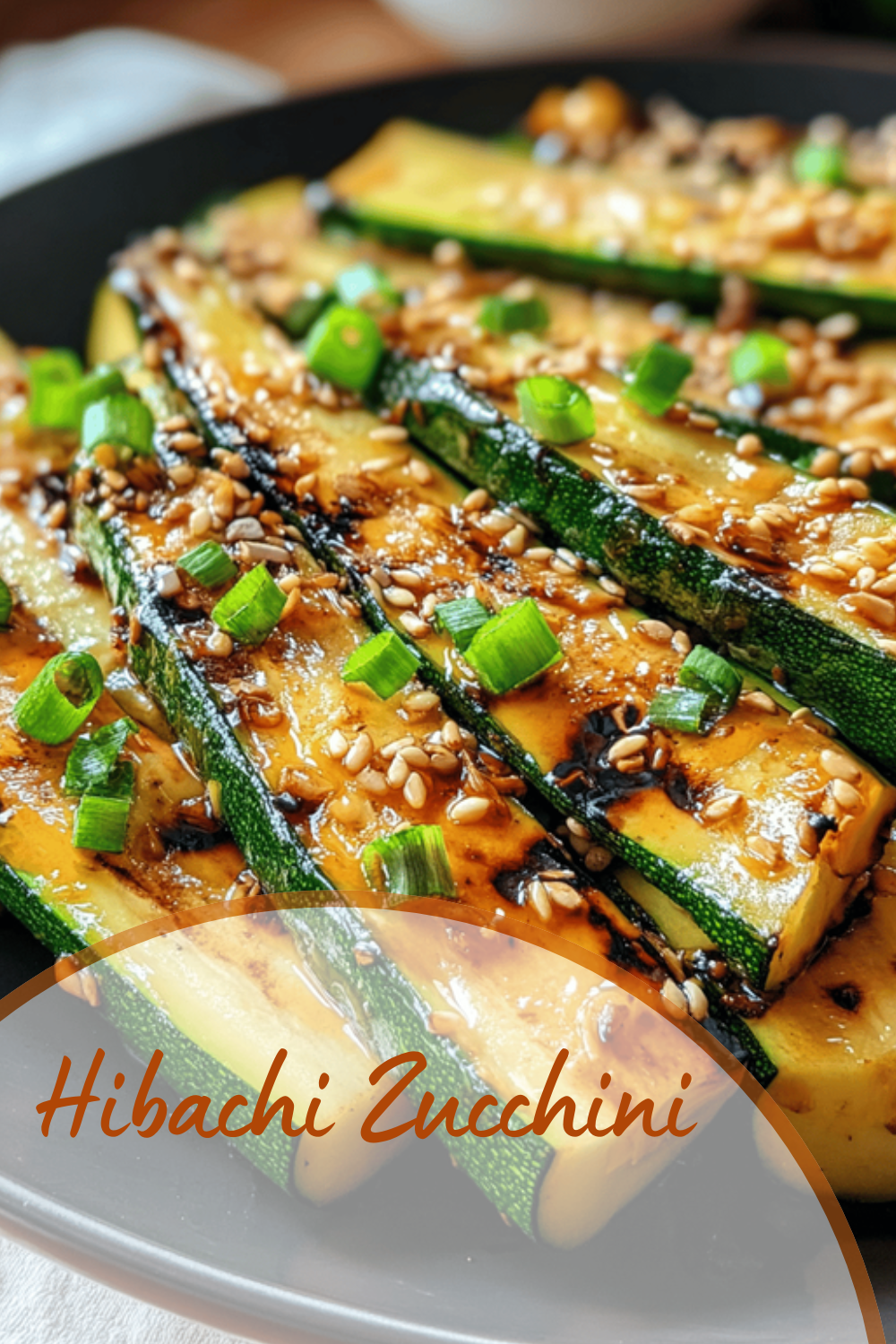
Hibachi Zucchini brings the authentic flavors of Japanese steakhouse cooking right to your kitchen. This simple yet incredibly flavorful dish combines the natural taste of fresh zucchini with seasonings that create that distinctive hibachi experience you love from restaurants.
• Ease of preparation: This hibachi zucchini recipe is incredibly simple to make, requiring minimal ingredients and a quick cooking time that fits perfectly into busy schedules. Its straightforward steps make it accessible for cooks of all skill levels.
• Health benefits: Hibachi zucchini is packed with nutritional advantages, offering a low-calorie, vitamin-rich dish that supports wellness and healthy eating habits. It promotes a balanced diet with its high fiber and antioxidant content.
• Versatility: This dish adapts well to different dietary needs, including vegan, gluten-free, and low-calorie options, making it suitable for a wide variety of meal plans and preferences.
• Distinctive flavor: The unique combination of seasonings and cooking methods gives hibachi zucchini its standout, mouthwatering taste that is both savory and fresh, making it a delightful addition to any meal.
Whether you’re a cooking novice or a seasoned chef, you’ll appreciate how this recipe transforms a simple vegetable into a restaurant-quality side dish that will have your family asking for seconds. Just like our refreshing Brazilian lemonade, this hibachi zucchini recipe brings together simple ingredients to create something truly special.
Essential Ingredients for Hibachi Zucchini
The success of this Hibachi Zucchini recipe lies in using fresh, quality ingredients that work together to create those authentic Japanese steakhouse flavors. Here’s what you’ll need to make this delicious side dish:
Main Ingredients:
- 2 large zucchini (green or yellow)
- 1 tablespoon oil
- 2 tablespoons butter (or replace with oil for vegan)
- 1 teaspoon minced ginger
- 1 teaspoon minced garlic
- 1 cup sliced onions
- 2 teaspoons soy sauce (tamari can be used for gluten-free)
- ¼ teaspoon salt
- ¼ teaspoon black pepper powder
- Chopped scallion greens and toasted white sesame seeds for garnish
Special Dietary Options:
- Vegan: Use tamari or coconut aminos instead of soy sauce for a plant-based alternative. Replace butter with additional oil.
- Gluten-free: Ensure gluten-free soy sauce or tamari is used to avoid gluten.
- Low-calorie: Substitute butter and oil with cooking spray to reduce fat content.
The key to authentic hibachi flavor lies in the balance between the fresh zucchini, aromatic ginger and garlic, and the umami richness of soy sauce. Don’t skip the sesame seed garnish – it adds the perfect finishing touch!
How to Prepare the Perfect Hibachi Zucchini: Step-by-Step Guide
Creating restaurant-quality Hibachi Zucchini at home is straightforward when you follow these simple steps. The entire process takes just about 20 minutes, making it a perfect side dish for weeknight dinners or special occasions.
Preparation Steps:
- Prepare the zucchini: Rinse and dry zucchini thoroughly. Trim ½ inch from both ends. Cut the unpeeled zucchini into 2-inch long batons about 8 mm thick. This size is perfect for quick, even cooking.
- Heat the pan: Heat oil and butter in a large wok or skillet over medium-high heat. The combination of oil and butter helps achieve that perfect sear while preventing burning.
- Sauté aromatics: Add minced ginger and garlic to the hot pan, sautéing for just 4-5 seconds to release their flavors without burning. This quick cooking prevents the garlic from becoming bitter.
- Cook the vegetables: Add zucchini batons and sliced onions to the pan. Sauté for one minute, tossing frequently to coat with the aromatic oil.
- Season the dish: Add soy sauce, salt, and black pepper powder, mixing well to ensure all pieces are evenly seasoned.
- Finish cooking: Cook uncovered for 6-8 minutes, stirring frequently, until the liquid evaporates and zucchini is slightly charred. Be careful not to overcook as this can make the zucchini mushy.
- Garnish and serve: Remove from heat and transfer to a serving dish. Garnish with chopped scallion greens and toasted white sesame seeds before serving hot.
Cooking Time Table
| Step | Time Required | Total Time |
|---|---|---|
| Preparation (washing, cutting) | 5 minutes | 5 minutes |
| Cooking aromatics (garlic, ginger) | 5 seconds | 5 minutes and 5 seconds |
| Sautéing vegetables | 1 minute | 6 minutes and 5 seconds |
| Seasoning and finishing | 8 minutes | 14 minutes and 5 seconds |
| Garnishing and serving | 1 minute | 15 minutes and 5 seconds |
The key to perfect Hibachi Zucchini is maintaining high heat and constant movement in the pan. This technique, similar to traditional Japanese stir-fry methods, ensures each piece gets that characteristic slight char and tender-crisp texture without becoming soggy.

Dietary Substitutions to Customize Your Hibachi Zucchini
One of the best things about this Hibachi Zucchini recipe is its versatility. Whether you’re following a specific dietary plan or simply want to experiment with different flavors, there are numerous substitutions you can make.
Protein and Main Component Alternatives:
- Tofu: Use firm tofu for a plant-based protein boost, suitable for vegan diets. Cube and pan-fry the tofu separately before adding to the zucchini.
- Chicken breast: For non-vegetarian options, add thinly sliced grilled chicken. Cook the chicken first, then set aside while cooking the zucchini, and combine at the end.
- Shrimp: Incorporate quick-cooking shrimp for added seafood flavor. Add during the last 2-3 minutes of cooking to prevent rubbery texture.
Vegetable, Sauce, and Seasoning Modifications:
- Vegetables: Substitute or add mushrooms, bell peppers, broccoli, or snow peas to diversify texture and nutrients. Add other vegetables at appropriate times based on their cooking requirements.
- Sauces: Experiment with coconut aminos for gluten-free and low-sodium alternatives. Teriyaki sauce can replace some of the soy sauce for a sweeter profile.
- Seasonings: Add chili flakes or lemon zest for a spicy or citrus twist; adjust according to taste and dietary sensitivities. Garlic powder can replace fresh garlic in a pinch.
These substitutions allow you to transform the basic Hibachi Zucchini recipe into a meal that perfectly aligns with your dietary needs and flavor preferences while maintaining the essential characteristics that make this dish so special.
Mastering Hibachi Zucchini: Advanced Tips and Variations
Once you’ve mastered the basic Hibachi Zucchini recipe, you might want to take your skills to the next level. These advanced tips and variations will help you create restaurant-quality results with personal touches that make the dish uniquely yours.
Pro Cooking Techniques
- Use a carbon steel wok or cast-iron skillet to achieve the perfect sear and caramelization. These materials retain heat better and distribute it more evenly than regular stainless steel pans.
- Preheat your pan thoroughly before adding ingredients. A properly heated pan prevents sticking and helps create the desired char on the zucchini.
- Work with small batches to avoid overcrowding the pan. Cooking too much zucchini at once lowers the pan’s temperature and causes steaming rather than stir-frying.
- Toss the ingredients using a sharp, upward flicking motion with your wrist. This technique ensures even cooking and prevents burning.
Flavor Variations
- Add a splash of rice vinegar towards the end of cooking for a subtle tang that balances the rich flavors.
- Incorporate Japanese seven-spice (shichimi togarashi) for a complex, slightly spicy flavor profile.
- Try adding a small amount of mirin (Japanese sweet rice wine) for a gentle sweetness that complements the saltiness of the soy sauce.
- For a smoky flavor, add a pinch of smoked paprika or a few drops of liquid smoke.
Presentation Tips
- Serve on a warmed plate to maintain temperature longer.
- Arrange zucchini pieces neatly rather than piling them haphazardly. Japanese cuisine often emphasizes beautiful presentation.
- Add color contrast with garnishes like red pepper flakes or finely diced red bell pepper.
- Consider serving in traditional Japanese tableware if available to enhance the dining experience.
Make-Ahead Options
- Prepare zucchini slices and aromatics ahead of time and store them separately in the refrigerator for up to 2 days.
- Mix your seasoning blend in advance to streamline the cooking process.
- Toast sesame seeds ahead and store in an airtight container to preserve their crunch.
- For meal prep, cook the zucchini slightly less than desired and finish with a quick reheat before serving to maintain texture.
With these advanced techniques, your Hibachi Zucchini will go from a simple side dish to a standout element of your meal that might just become the most requested recipe in your household.
How to Store Hibachi Zucchini: Best Practices
While Hibachi Zucchini is best enjoyed fresh from the pan, sometimes you’ll have leftovers or want to prepare components ahead of time. Follow these storage guidelines to maintain the best possible flavor and texture.
Refrigeration
Store hibachi zucchini in an airtight container in the refrigerator for up to 3 days to maintain freshness. Allow it to cool to room temperature before sealing the container to prevent excess moisture buildup, which can make the zucchini soggy.
Freezing
To freeze, place cooled zucchini in a freezer-safe container or bag, removing excess air. Use within 1 month for best quality. Note that the texture will change somewhat when frozen and thawed, becoming softer than when fresh. For best results, consider undercooking the zucchini slightly if you plan to freeze it.
Reheating
Reheat gently in a skillet over medium heat or in the microwave briefly. When using a skillet, add a small amount of oil or water to prevent sticking and restore moisture. Microwave for just 1-2 minutes, checking frequently to avoid overcooking.
Meal Prep Considerations
- Portion the zucchini into individual servings for easy grab-and-go meals.
- Store sauces and garnishes separately to keep the dish vibrant.
- Consider packing the zucchini alongside complementary dishes like rice or protein for complete meals.
- Label containers with preparation dates to track freshness.
Proper storage ensures that your Hibachi Zucchini remains delicious and safe to eat, even when prepared in advance. These practices help maintain the dish’s distinctive texture and flavor profile.
FAQs: Frequently Asked Questions About Hibachi Zucchini
How do I prepare zucchini for hibachi cooking?
Can I mix other vegetables with zucchini on a hibachi grill?
What sauces pair well with hibachi-style zucchini?
Is hibachi zucchini a healthy option for a meal?
How long does hibachi zucchini take to cook, and how can I tell when it’s done?
Hibachi Zucchini
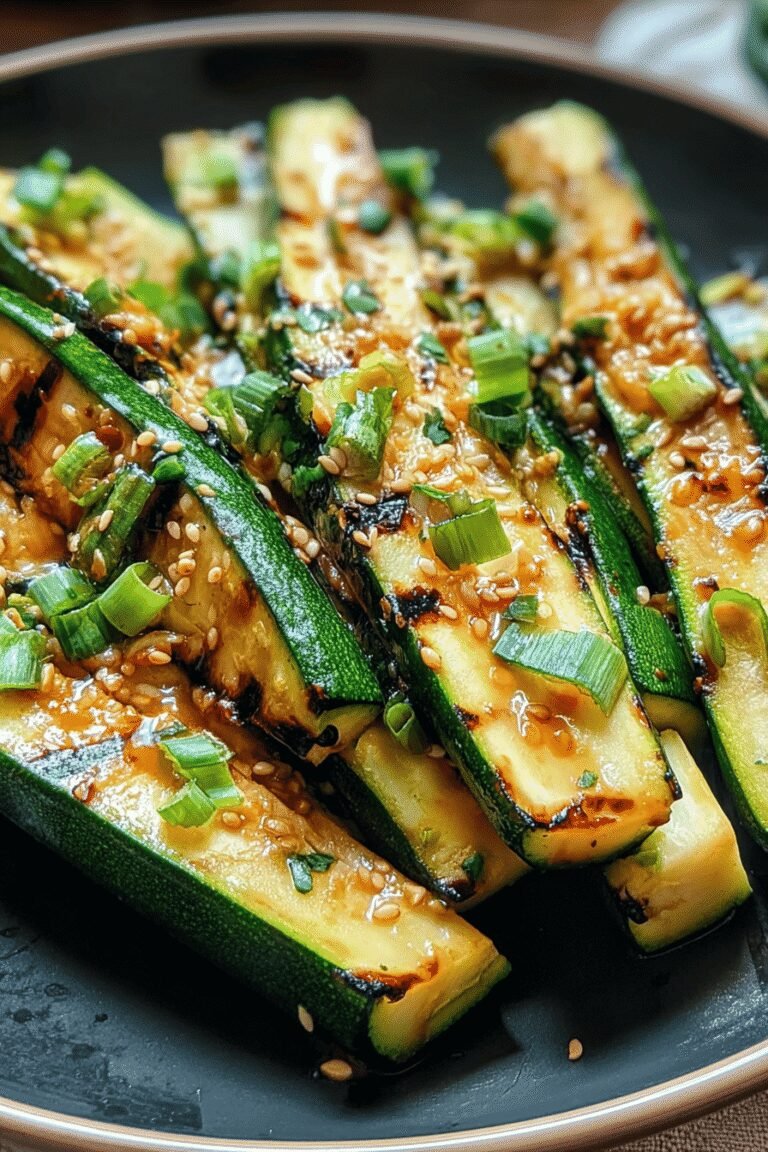
🥒 Savor the authentic taste of Japanese steakhouse cuisine with this quick and flavorful hibachi zucchini recipe.
🍳 This dish offers a perfect balance of tender zucchini, aromatic ginger, and savory soy sauce for a deliciously simple side.
- Total Time: 20 minutes
- Yield: 4 servings
Ingredients
– 2 large zucchini (green or yellow)
– 1 tablespoon oil
– 2 tablespoons butter (or replace with oil for vegan)
– 1 teaspoon minced ginger
– 1 teaspoon minced garlic
– 1 cup sliced onions
– 2 teaspoons soy sauce (tamari can be used for gluten-free)
– ¼ teaspoon salt
– ¼ teaspoon black pepper powder
– Chopped scallion greens for garnish
– Toasted white sesame seeds for garnish
Instructions
1-Prepare the zucchini: Rinse and dry zucchini thoroughly. Trim ½ inch from both ends. Cut the unpeeled zucchini into 2-inch long batons about 8 mm thick. This size is perfect for quick, even cooking.
2-Heat the pan: Heat oil and butter in a large wok or skillet over medium-high heat. The combination of oil and butter helps achieve that perfect sear while preventing burning.
3-Sauté aromatics: Add minced ginger and garlic to the hot pan, sautéing for just 4-5 seconds to release their flavors without burning. This quick cooking prevents the garlic from becoming bitter.
4-Cook the vegetables: Add zucchini batons and sliced onions to the pan. Sauté for one minute, tossing frequently to coat with the aromatic oil.
5-Season the dish: Add soy sauce, salt, and black pepper powder, mixing well to ensure all pieces are evenly seasoned.
6-Finish cooking: Cook uncovered for 6-8 minutes, stirring frequently, until the liquid evaporates and zucchini is slightly charred. Be careful not to overcook as this can make the zucchini mushy.
7-Garnish and serve: Remove from heat and transfer to a serving dish. Garnish with chopped scallion greens and toasted white sesame seeds before serving hot.
Last Step:
Please leave a rating and comment letting us know how you liked this recipe! This helps our business to thrive and continue providing free, high-quality recipes for you.Notes
🌟 Choose firm, dark green zucchini without bruises; yellow zucchini can be used as a substitute.
🧑🍳 For variation, try using toasted sesame oil instead of neutral oil or add teriyaki sauce for extra flavor.
🥦 You can add other vegetables like bell peppers, broccoli, mushrooms, or snow peas for variety and more color.
- Prep Time: 5 minutes
- Cook Time: 15 minutes
- Category: Side Dish
- Method: Sautéing
- Cuisine: Japanese
- Diet: Vegetarian, Vegan option
Nutrition
- Serving Size: 1/2 cup