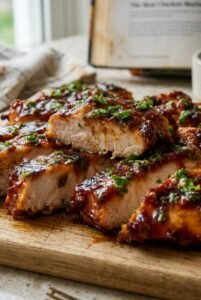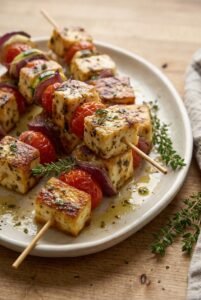

Why You’ll Love These High-Protein Low-Calorie Meals
High-Protein Low-Calorie Meals are a smart choice when you want dinner to feel filling without piling on extra calories. This collection of 81 recipes gives you plenty of healthy, protein-packed dinner ideas made with chicken, beef, pork, fish, tofu, and eggs. It is a practical fit for busy parents, students, working professionals, seniors, and anyone who wants simple meals that taste good and support better eating habits.
- Easy to make: Most of these high protein recipes use simple steps, common pantry ingredients, and quick cooking methods like baking, grilling, stir-frying, or air frying.
- Good for weight goals: These low calorie dinners can help you stay full longer, support muscle maintenance, and make it easier to manage portions without feeling deprived.
- Flexible for many diets: You can mix and match chicken, beef, fish, tofu, or eggs, then swap vegetables and seasonings to fit your needs.
- Big flavor, light feel: Garlic, lemon, herbs, spices, and quick sauces keep these protein rich meals tasty without depending on heavy cream or extra oil.
For readers who want more nutrition guidance, this helpful article from the University of Kansas Medical Center on protein benefits is a useful starting point. It explains why protein matters for everyday meals and how it fits into a balanced routine.
These easy high protein low calorie meals are built for real life, not complicated meal prep plans that take all night.
Essential Ingredients for High-Protein Low-Calorie Meals
The best part of these simple high protein dinner ideas is that the ingredient list stays practical. You do not need fancy items to build a filling plate. A mix of lean protein, vegetables, light seasoning, and a smart sauce is usually enough.
Main Ingredients
- 1 pound boneless, skinless chicken breast – Lean, fast-cooking, and rich in protein.
- 1 pound extra-lean ground beef – Great for skillet meals, bowls, and stuffed peppers.
- 1 pound pork tenderloin – A tender, low-fat option that cooks well in the oven.
- 1 pound white fish such as cod or tilapia – Mild flavor and quick baking time.
- 1 pound salmon – A protein-rich choice with healthy fats.
- 14 ounces firm tofu – A plant-based protein that absorbs flavor well.
- 8 large eggs – A budget-friendly protein source for breakfast-for-dinner meals or frittatas.
- 2 cups broccoli florets – Adds volume, fiber, and color.
- 2 cups spinach – Wilts quickly into skillets, soups, and casseroles.
- 2 medium zucchini, sliced – A light vegetable that works well in stir-fries and sheet-pan meals.
- 1 red bell pepper, sliced – Brings sweetness and crunch.
- 1 yellow onion, diced – Adds flavor base to many low calorie dinners.
- 2 tablespoons olive oil – Use lightly for cooking and roasting.
- 2 cloves garlic, minced – Gives strong flavor with almost no calories.
- 1 lemon, juiced – Brightens lean protein and seafood dishes.
- 1 teaspoon salt – Use to season in moderation.
- 1 teaspoon black pepper – Adds sharp, simple flavor.
- 1 teaspoon paprika – Works well with chicken, pork, and beef.
- 1 teaspoon dried oregano – Adds herb flavor to Mediterranean-style meals.
- 1 teaspoon chili powder – Great for taco bowls and spicy skillet meals.
Special Dietary Options
- Vegan: Swap chicken, beef, pork, fish, and eggs for tofu, tempeh, edamame, or chickpeas.
- Gluten-free: Use naturally gluten-free sauces like tamari, coconut aminos, or plain herbs and spices.
- Low-calorie: Choose spray oil, broth-based sauces, and extra vegetables instead of heavy cheese or cream.
Recipe Snapshot Table
| Category | Best Choices | Why It Works |
|---|---|---|
| Lean protein | Chicken breast, fish, tofu, eggs | High in protein and easy to keep light |
| Heartier protein | Lean beef, pork tenderloin, salmon | Good for richer flavor while staying balanced |
| Veggie base | Broccoli, spinach, zucchini, bell pepper | Adds volume and nutrients without many calories |
| Flavor boosters | Garlic, lemon, paprika, oregano, chili powder | Helps meals taste bold without heavy sauces |
How to Prepare the Perfect High-Protein Low-Calorie Meals: Step-by-Step Guide
Making these meals at home is simple once you follow a basic plan. The same formula works for many high protein low calorie dinner recipes, so you can change the protein and vegetables based on what you already have. If you get the prep done first, dinner comes together fast and cleanup stays easy.
First Step: Gather and prep everything
Wash the vegetables, trim the protein, and measure out the seasonings. Cut chicken, pork, or beef into even pieces so they cook at the same speed. If you are using tofu, press out extra moisture first so it browns better. This small prep step makes the rest of the cooking much smoother.
Second Step: Season the protein well
Place the protein in a bowl and coat it with salt, pepper, garlic, paprika, oregano, or chili powder depending on the flavor you want. Add lemon juice for brightness or a spoonful of yogurt-based marinade if you want extra tenderness. Keep the coating light so the meal stays in the low calorie range.
Third Step: Start cooking with high heat or a hot oven
For sheet-pan meals, heat the oven to 400°F. For skillet meals, warm a nonstick pan over medium-high heat. Cook chicken breast for about 18 to 22 minutes in the oven, pork tenderloin for about 20 to 25 minutes, and fish for about 10 to 12 minutes. Ground beef usually cooks in 7 to 10 minutes in a skillet. Tofu browns in about 10 to 15 minutes, depending on the cut.
Fourth Step: Add vegetables at the right time
Sturdy vegetables like broccoli and zucchini can go in the oven or pan with the protein. Softer vegetables like spinach should be added near the end so they do not overcook. If you want the meal to feel bigger without adding many calories, use extra vegetables and keep the sauce light.
Fifth Step: Build a simple sauce or finish
A quick sauce can tie the meal together. Try lemon juice, broth, garlic, and herbs for a light pan sauce. You can also use salsa, mustard, hot sauce, or a splash of low-sodium soy sauce. Keep added sugar and heavy cream low so the dish still fits the high protein low calorie meals goal.
Final Step: Check doneness and serve right away
Use a thermometer when possible. Chicken should reach 165°F, pork 145°F, fish should flake easily, and ground beef should be fully cooked. Serve the meal hot with a side of vegetables, cauliflower rice, or a simple salad. If you want another practical kitchen guide, you may also like this detailed baking soda vs baking powder guide for understanding common pantry ingredients used in many home recipes.
A good high-protein dinner does not need a long ingredient list. It just needs smart prep, lean protein, and enough seasoning to keep every bite interesting.
Protein and Main Component Alternatives
One reason people like high protein recipes is that they are easy to change based on what is in the fridge. If you run out of one ingredient or want a different taste, a simple swap keeps dinner on track. This is especially helpful for home cooks who need low calorie dinners without extra grocery runs.
Best protein swaps
- Chicken breast: Swap with turkey breast, shrimp, or extra-firm tofu for a leaner meal.
- Ground beef: Use lean ground turkey, ground chicken, or lentils if you want something lighter.
- Pork tenderloin: Replace with chicken tenderloins or boneless fish fillets for a quicker cook time.
- White fish: Try salmon, tuna steaks, or shrimp when you want more richness.
- Tofu: Swap with tempeh or edamame for a different plant-based texture.
- Eggs: Use egg whites, liquid egg whites, or a mix of eggs and cottage cheese for a higher protein count.
How to keep the meal light
When swapping proteins, choose cuts that are naturally lean and easy to portion. Trim visible fat from beef or pork. Choose fish that bakes quickly instead of breaded options. For plant-based meals, press tofu well and cook it in a nonstick pan with a small amount of oil or spray. This keeps easy high protein low calorie meals simple and consistent.
When you want more variety
Do not feel tied to one protein every week. A meal plan can rotate chicken one night, fish the next, and tofu or eggs later in the week. That keeps dinner from getting boring while still supporting protein rich meals with lower calories. It also helps busy families stick with healthy routines because the food still feels familiar.
Vegetable, Sauce, and Seasoning Modifications
Vegetables, sauces, and spices do a lot of the work in these meals. They give you variety without making the dish heavy. If your goal is quick low calorie high protein recipes that still taste exciting, this section is where the real flavor comes from.
Vegetable swaps
- Broccoli: Try cauliflower, green beans, or Brussels sprouts.
- Spinach: Use kale, arugula, or Swiss chard.
- Zucchini: Swap with mushrooms, eggplant, or asparagus.
- Bell pepper: Use snap peas, carrots, or cherry tomatoes.
- Onion: Replace with shallots or leeks for a milder taste.
Light sauce ideas
- Lemon garlic sauce: Lemon juice, garlic, broth, and parsley.
- Quick tomato sauce: Crushed tomatoes, basil, and red pepper flakes.
- Asian-style drizzle: Low-sodium soy sauce or tamari, ginger, garlic, and a little honey if needed.
- Mustard herb sauce: Dijon mustard, water, garlic, and chopped herbs.
- Salsa finish: Great on chicken bowls, egg skillets, and beef taco plates.
Seasoning changes by mood
Want a smoky meal? Use paprika, cumin, and chili powder. Want a fresh meal? Use lemon zest, parsley, dill, and garlic. Want something cozy? Try oregano, thyme, and black pepper. These simple switches make simple high protein dinner ideas feel new without adding a lot of calories.
Small changes in seasoning can make a basic dinner feel fresh enough to repeat all week.
Mastering High-Protein Low-Calorie Meals: Advanced Tips and Variations
Once you know the basics, you can start building better dinners with less effort. These tips help home cooks save time, cut waste, and keep meals interesting. They also work well for meal prep, family dinners, and anyone who likes having ready-to-go protein rich meals in the fridge.
Pro cooking techniques
- Use a hot pan: A hot skillet gives chicken, beef, and tofu better browning.
- Do not overcrowd: Cook in batches if needed so food sears instead of steaming.
- Cut evenly: Same-size pieces cook at the same speed.
- Rest the protein: Let meat sit for a few minutes before slicing so juices stay inside.
- Use a thermometer: This takes the guesswork out of doneness.
Flavor variations
Try Mediterranean chicken with lemon, oregano, and tomatoes. Make a beef and broccoli skillet with garlic and soy sauce. Go with pork tenderloin and roasted apples for a lighter sweet-and-savory option. For fish, use a chili-lime rub and serve with cabbage slaw. For tofu, try ginger, garlic, and sesame with a side of steamed greens. These high protein dinners can move in many directions without getting hard to make.
Presentation tips
Serve the protein on a bed of vegetables to make the plate look full and bright. Add a lemon wedge, fresh herbs, or a spoon of salsa on top. If you are making dinners for guests, arrange the food in a shallow bowl or on a wide plate so the colors stand out. Even a simple meal looks better when the vegetables are layered neatly.
Make-ahead options
Cook a few proteins at the start of the week and store them in separate containers. Roast a tray of vegetables while the oven is already on. Mix a small batch of seasoning in advance so you can season fast on busy nights. This approach is great for students, working professionals, and parents who need quick dinners that do not taste repetitive.
How to Store High-Protein Low-Calorie Meals: Best Practices
Leftovers can save a lot of time if you store them the right way. These meals usually keep well because lean protein and vegetables reheat nicely when handled properly. A little planning now means a faster dinner later.
Refrigeration
Place cooled leftovers in airtight containers and store them in the fridge for up to 3 to 4 days. Keep sauce separate when possible so the food does not get soggy. Label containers with the date if you are batch cooking several meals at once.
Freezing
Many high protein low calorie meals freeze well, especially cooked chicken, beef, pork, fish, tofu, and vegetable mixes without delicate sauces. Freeze in single portions for easier lunches or dinners. Use freezer-safe containers or bags, and remove as much air as possible before sealing.
Reheating
Reheat in the microwave with a splash of water or broth if needed. For the oven, cover the meal lightly so it does not dry out. Fish and tofu usually reheat best at lower heat for a short time. Stir halfway through when reheating skillet meals so everything warms evenly.
Meal prep considerations
If you want to meal prep for several days, keep proteins, vegetables, and sauces in separate containers. This helps the food stay fresh and keeps textures better. It also makes it easier to mix and match different high protein recipes through the week without getting bored.
FAQs About High-Protein Low-Calorie Meals
What are high protein low calorie meals?
Why choose high protein low calorie meals for weight loss?
What are easy high protein low calorie breakfast ideas?
What high protein low calorie snacks can I eat?
How do I make high protein low calorie dinners at home?
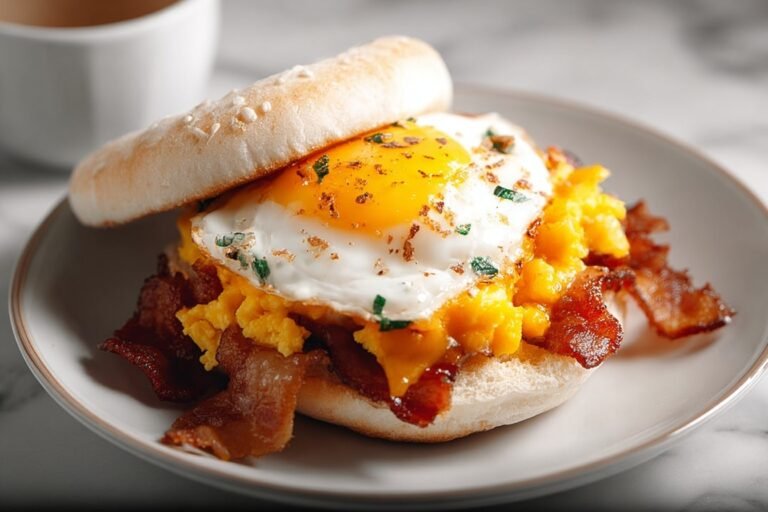
High-Protein Low-Calorie Meals
💪 Fuel your fitness goals with 80 simple high-protein dinner ideas packed with lean meats, fish, tofu, and eggs for muscle repair and lasting fullness.
🥗 Enjoy low-calorie, quick-prep meals that make healthy eating easy and delicious for busy weeknights.
- Total Time: 35 minutes
- Yield: 4 servings
Ingredients
– 1 pound boneless, skinless chicken breast
– 1 pound extra-lean ground beef
– 1 pound pork tenderloin
– 1 pound white fish such as cod or tilapia
– 1 pound salmon
– 14 ounces firm tofu
– 8 large eggs
– 2 cups broccoli florets
– 2 cups spinach
– 2 medium zucchini, sliced
– 1 red bell pepper, sliced
– 1 yellow onion, diced
– 2 tablespoons olive oil
– 2 cloves garlic, minced
– 1 lemon, juiced
– 1 teaspoon salt
– 1 teaspoon black pepper
– 1 teaspoon paprika
– 1 teaspoon dried oregano
– 1 teaspoon chili powder
Instructions
1-First Step: Gather and prep everything Wash the vegetables, trim the protein, and measure out the seasonings. Cut chicken, pork, or beef into even pieces so they cook at the same speed. If you are using tofu, press out extra moisture first so it browns better. This small prep step makes the rest of the cooking much smoother.
2-Second Step: Season the protein well Place the protein in a bowl and coat it with salt, pepper, garlic, paprika, oregano, or chili powder depending on the flavor you want. Add lemon juice for brightness or a spoonful of yogurt-based marinade if you want extra tenderness. Keep the coating light so the meal stays in the low calorie range.
3-Third Step: Start cooking with high heat or a hot oven For sheet-pan meals, heat the oven to 400°F. For skillet meals, warm a nonstick pan over medium-high heat. Cook chicken breast for about 18 to 22 minutes in the oven, pork tenderloin for about 20 to 25 minutes, and fish for about 10 to 12 minutes. Ground beef usually cooks in 7 to 10 minutes in a skillet. Tofu browns in about 10 to 15 minutes, depending on the cut.
4-Fourth Step: Add vegetables at the right time Sturdy vegetables like broccoli and zucchini can go in the oven or pan with the protein. Softer vegetables like spinach should be added near the end so they do not overcook. If you want the meal to feel bigger without adding many calories, use extra vegetables and keep the sauce light.
5-Fifth Step: Build a simple sauce or finish A quick sauce can tie the meal together. Try lemon juice, broth, garlic, and herbs for a light pan sauce. You can also use salsa, mustard, hot sauce, or a splash of low-sodium soy sauce. Keep added sugar and heavy cream low so the dish still fits the high protein low calorie meals goal.
6-Final Step: Check doneness and serve right away Use a thermometer when possible. Chicken should reach 165°F, pork 145°F, fish should flake easily, and ground beef should be fully cooked. Serve the meal hot with a side of vegetables, cauliflower rice, or a simple salad. If you want another practical kitchen guide, you may also like this detailed baking soda vs baking powder guide for understanding common pantry ingredients used in many home recipes.
Last Step:
Please leave a rating and comment letting us know how you liked this recipe! This helps our business to thrive and continue providing free, high-quality recipes for you.Notes
💪 Opt for lean proteins like chicken breast or turkey to keep calories low while maximizing protein.
⏲️ Prep multiple batches ahead for easy grab-and-go high-protein dinners throughout the week.
🥦 Load up on non-starchy veggies like broccoli to add volume, fiber, and nutrients without extra calories.
- Prep Time: 10 minutes
- Cook Time: 25 minutes
- Category: Dinner
- Method: Baking
- Cuisine: American
- Diet: High-Protein
Nutrition
- Serving Size: 1 chicken breast with 1 cup broccoli
- Calories: 350 kcal
- Sugar: 3g
- Sodium: 400mg
- Fat: 15g
- Saturated Fat: 3g
- Unsaturated Fat: 10g
- Trans Fat: 0g
- Carbohydrates: 10g
- Fiber: 4g
- Protein: 40g
- Cholesterol: 120mg