

Why You’ll Love This Homemade Cream Chicken Soup Recipe
There’s nothing quite as comforting as a warm bowl of homemade cream chicken soup on a chilly day. This easy recipe delivers that classic, creamy flavor you love from canned versions but with so many benefits that make it a standout dish. Ready in just 15 minutes from start to finish, this soup is perfect for those busy weeknights when you need something comforting but don’t have hours to spend in the kitchen.
When it comes to preparing this homemade cream chicken soup recipe, you’ll appreciate the simplicity of the process. With minimal ingredients and straightforward techniques, even beginner cooks can achieve restaurant-quality results. The roux-based method ensures a perfectly smooth consistency without any lumps, while the carefully selected seasonings create that familiar, comforting flavor profile we all crave.
Health benefits abound with this homemade version too. Unlike store-bought alternatives, you control exactly what goes into your soup no preservatives, no excess sodium, and no artificial ingredients. The base of chicken broth provides hydration and essential nutrients, while the moderate use of butter and milk creates richness without being overly indulgent. This soup becomes a nourishing meal that satisfies both your taste buds and your well-being.
The versatility of this recipe makes it a kitchen staple you’ll turn to again and again. Serve it as a standalone meal with crusty bread, pair it with a salad for a light lunch, or use it as a base for casseroles and other dishes. You can easily customize it to suit your preferences adding extra vegetables, incorporating cooked chicken pieces, or adjusting the seasonings to create your perfect bowl. When hosting, consider accompanying it with refreshing beverages that balance its richness.
What truly sets this homemade cream chicken soup recipe apart is its distinctive flavor. The combination of celery salt, onion powder, and garlic powder creates a symphony of savory notes that far surpasses anything you’ll find in a can. Each spoonful delivers the perfect balance of creamy texture and well-developed flavor, making it a dish your family will request time and time again.
Essential Ingredients for Homemade Cream Chicken Soup Recipe
Creating a delicious homemade cream chicken soup starts with gathering the right ingredients. This recipe uses simple pantry staples that work together to create that perfect creamy texture and comforting flavor. Here’s everything you’ll need to make this easy soup:
- 4 Tablespoons Butter
- ½ cup + 2 Tablespoons Flour
- 2 cups Chicken Broth
- 1 chicken bouillon cube (optional) OR 1 teaspoon chicken bouillon paste (optional)
- 1 cup milk, preferably whole
- 1/3 teaspoon celery salt
- 1/3 teaspoon onion powder
- 1/3 teaspoon garlic powder
- 1/3 teaspoon salt
- 1/3 teaspoon pepper
The foundation of this recipe is the butter and flour mixture, which creates a roux that thickens the soup to just the right consistency. I recommend using unsalted butter so you can better control the sodium level in your soup. The combination of both chicken broth and milk provides liquid with different flavor profiles the broth adds depth while the milk contributes creaminess.
When selecting chicken broth, you have options. While this recipe works with store-bought broth, I sometimes make my own for even better flavor. If using store-bought broth, consider adding the optional chicken bouillon cube or paste to amplify the chicken flavor. For those watching sodium intake, low-sodium broth is a great option.
The blend of spices is simple but effective. Celery salt brings that distinctive celery flavor without having to chop fresh celery, while onion and garlic powders provide aromatic backbone. Regular salt and pepper finish off the seasoning, but remember you can always adjust these to taste at the end.
For the milk component, whole milk is preferred as its higher fat content contributes to a richer, creamier texture. However, you can substitute with lower-fat milk if needed just be aware that the soup won’t be quite as rich. If you’re feeling adventurous, try adding cooked, shredded chicken to transform this soup base into a heartier meal!
How to Prepare the Perfect Homemade Cream Chicken Soup Recipe: Step-by-Step Guide
Making this homemade cream chicken soup recipe is surprisingly simple and fast. With just a few basic techniques, you’ll have a creamy, delicious soup ready to enjoy in no time. Follow these steps for perfect results every time:
- Melt butter in a saucepan over medium heat until fully melted and foaming.
- Gradually sprinkle in the flour and whisk continuously for 3-5 minutes until it resembles wet sand. Remove from heat.
- Add about 1/3 of the chicken broth and whisk well. Repeat until all broth is gradually incorporated.
- Temper the milk by microwaving it for 45 seconds, then slowly add it to the saucepan while whisking constantly.
- Add all seasonings (celery salt, onion powder, garlic powder, salt, pepper) and return the saucepan to medium-high heat.
- Whisk continuously until the soup thickens.
- Remove from heat immediately once thickened (it will continue to thicken as it cools). For an ultra-smooth texture, strain the mixture.
The key to a successful roux is patience. When melting your butter, make sure it’s completely melted and beginning to foam before adding the flour. This ensures the flour will properly combine with the fat, creating the base for your thickener. As you whisk the flour into the butter, continue cooking for 3-5 minutes this raw flour taste will disappear, leaving behind a nutty aroma.
When adding the liquids, temperature control is crucial. By removing the pan from heat before incorporating the broth and milk, you prevent lumps from forming. Adding the liquid gradually about one-third at a time and whisking thoroughly between additions ensures a smooth consistency. Don’t rush this step; taking your time here pays off with a velvety texture later.
Tempering the milk is another technique that makes a big difference. Heating the milk briefly in the microwave before adding it to the hot roux prevents the milk from curdling and helps it incorporate more smoothly. As you add the milk, do so slowly while whisking constantly to maintain that perfect consistency.
As your soup approaches its final stage, continuous whisking is essential. This not only prevents scorching on the bottom of the pan but also ensures that every part of the soup thickens evenly. Remove the pan from the heat as soon as it reaches your desired thickness, remembering that it will continue to thicken slightly as it cools. For the smoothest possible texture, pour the soup through a fine-mesh strainer before serving to catch any potential lumps.
Preparation Time
One of the best aspects of this homemade cream chicken soup recipe is how quickly it comes together. Here’s the time breakdown for this recipe:
- Prep Time: 5 minutes
- Cook Time: 10 minutes
- Total Time: 15 minutes
In just a quarter of an hour, you can have a delicious, homemade soup ready to serve. This makes it perfect for last-minute meals or when you need something comforting but don’t have much time to spare in the kitchen.

Dietary Substitutions to Customize Your Homemade Cream Chicken Soup Recipe
This homemade cream chicken soup recipe is wonderfully adaptable to various dietary needs and preferences. Whether you’re looking to reduce calories, avoid dairy, or accommodate other restrictions, these substitutions will help you create a version that works for you while maintaining that delicious creamy texture and comforting flavor.
Dairy-Free Alternatives
If you need to make this soup dairy-free, several options work beautifully. Replace the butter with an equal amount of coconut oil or a dairy-free butter alternative. For the milk component, try unsweetened almond milk, oat milk, or coconut milk (light version works best to avoid overpowering coconut flavor). The roux technique remains the same, though you may notice a slight difference in flavor profile depending on your chosen substitutions.
Gluten-Free Modifications
Making this homemade cream chicken soup recipe gluten-free is simple. Replace the all-purpose flour with an equal amount of gluten-free all-purpose flour blend or rice flour. These starches will still create a proper thickening action when combined with fat. Ensure that your chicken broth and any optional bouillon are certified gluten-free, as some products contain hidden gluten.
Lower-Sodium Adaptations
For those monitoring sodium intake, this recipe can easily be adjusted. Begin by using unsalted butter instead of regular butter, then select a low-sodium or no-sodium-added chicken broth. Reduce or eliminate the additional salt in the recipe, relying instead on herbs and spices for flavor. The celery salt can be replaced with ground celery seed to maintain that savory note without the extra sodium.
Lower-Calorie Options
To lighten up this soup while keeping it creamy, substitute the whole milk with unsweetened almond milk or skim milk. For an even lower-calorie version, replace half the milk with low-sodium chicken broth though this will result in a thinner consistency. The butter can be reduced to 2 tablespoons, or replaced with a butter alternative spray to further cut calories.
These substitutions demonstrate the flexibility of this homemade cream chicken soup recipe, allowing you to customize it to meet your specific dietary needs while still enjoying a comforting, delicious bowl of soup.
Mastering Homemade Cream Chicken Soup Recipe: Advanced Tips and Variations
Once you’ve mastered the basic homemade cream chicken soup recipe, you might enjoy elevating it with these professional tips and creative variations. These techniques and additions will help you achieve restaurant-quality results and transform a simple soup into something truly special.
Pro Cooking Techniques
For an even deeper flavor base, try sautéing finely diced onions, celery, and carrots in the butter before adding the flour to make the roux. This variation of the classic mirepoix will add complexity and nutrients to your soup. Another professional technique is to deglaze the pan with a splash of dry white wine after cooking the roux but before adding the broth. The wine will lift any flavorful browned bits from the bottom of the pan, adding an extra layer of flavor complexity.
If you prefer an exceptionally smooth soup, use an immersion blender to lightly puree the soup at the end. For the best texture, blend only about half the soup, leaving the rest with its original consistency. This creates a creamy base while maintaining some texture variance in each spoonful.
Flavor Variations
The basic recipe serves as an excellent canvas for flavor experimentation. For a smoky twist, add 1/2 teaspoon of smoked paprika along with the other seasonings. A pinch of cayenne pepper can introduce subtle heat without overpowering the dish. Those who enjoy herbal notes might try adding 1 teaspoon of chopped fresh thyme or rosemary during the last few minutes of cooking.
For an Asian-inspired variation, substitute 1 tablespoon of the regular flour with cornstarch and add 1 teaspoon of grated ginger and 1 tablespoon of soy sauce (reducing the salt accordingly). This creates a completely different flavor profile while maintaining the comforting creamy texture.
Presentation Tips
The visual appeal of your soup can be enhanced with simple garnishes. A sprinkle of fresh chopped parsley, chives, or dill adds color and freshness. A light drizzle of cream or high-quality olive oil creates an elegant finish. For added texture, consider topping with toasted almonds, croutons, or crispy fried onions.
Serving the soup in pre-warmed bowls helps maintain temperature longer. If hosting, consider setting up a “soup bar” with various toppings so guests can customize their own bowls. This interactive approach makes mealtime more engaging and memorable.
Seasonal Adaptations
Embrace seasonal produce by incorporating different vegetables. In spring, add fresh asparagus tips or peas. Summer welcomes corn and bell peppers. Autumn pairs perfectly with butternut squash or mushrooms, while winter benefits from hearty additions like potatoes or parsnips. These seasonal additions not only vary the flavor profile but also connect your cooking to the natural rhythm of the year.
These advanced techniques and variations allow you to transform this simple homemade cream chicken soup recipe into countless different dishes, each suited to different tastes, occasions, and seasons.
How to Store Homemade Cream Chicken Soup Recipe: Best Practices
Proper storage of your homemade cream chicken soup ensures you can enjoy its delicious flavor even days after preparation. Following these best practices will maintain quality, flavor, and food safety while extending the life of your soup.
Refrigeration Guidelines
To store your soup in the refrigerator, allow it to cool to room temperature for no more than two hours before transferring it to an airtight container. Proper cooling prevents harmful bacterial growth. Once securely stored, your homemade cream chicken soup will maintain optimal quality for up to one week in the refrigerator. The soup may thicken further as it cools, which is normal.
Freezing Instructions
For longer storage, freezing is an excellent option. Portion the cooled soup into freezer-safe containers or heavy-duty freezer bags, leaving about half an inch of headspace to allow for expansion during freezing. Label each container with the contents and date. This homemade cream chicken soup can be frozen for up to four months without significant loss of quality.
Despite what you might find in stores, this soup cannot be safely canned at home due to its dairy content. Home canning of milk-based products carries a risk of botulism and other foodborne illnesses, so refrigeration or freezing are the only safe storage methods for this and similar cream-based soups.
Reheating Techniques
When ready to enjoy your stored soup, proper reheating is key to maintaining its original creamy texture and flavor. For refrigerated soup, transfer it to a saucepan and warm over medium-low heat, stirring occasionally. You may need to add a small amount of milk or broth to restore the original consistency. For frozen soup, thaw overnight in the refrigerator before reheating using the same method.
Avoid using the microwave for reheating this soup whenever possible, as it tends to create hot spots and can cause the dairy components to separate. If microwaving is your only option, use 50% power and stir every minute until heated through.
Meal Prep Considerations
This homemade cream chicken soup recipe is excellent for meal prep. Prepare a larger batch and portion it into individual servings for quick lunches or easy dinners throughout the week. When portioning, consider how each serving will be reheated smaller portions reheat more quickly and evenly than larger volumes.
For the best meal prep experience, keep garnishes separate until ready to serve. Store fresh herbs, croutons, or other toppings in small containers or bags to maintain their texture and freshness.
By following these storage guidelines, you can extend the enjoyment of your homemade cream chicken soup well beyond its initial preparation, reducing food waste and providing convenient, delicious meals whenever you need them.
Nutritional Information
Understanding the nutritional profile of your food helps you make informed choices about your diet. Here’s the detailed nutritional information for this homemade cream chicken soup recipe per serving:
| Nutrient | Amount |
|---|---|
| Calories | 434 kcal |
| Carbohydrates | 38 g |
| Protein | 9 g |
| Fat | 28 g |
| Saturated Fat | 17 g |
| Cholesterol | 72 mg |
| Sodium | 2008 mg |
| Potassium | 391 mg |
| Fiber | 1 g |
| Sugar | 6 g |
| Vitamin A | 897 IU |
| Vitamin C | 16 mg |
| Calcium | 165 mg |
| Iron | 2 mg |
As shown, this soup provides a substantial amount of energy primarily from fats and carbohydrates, which is typical for creamy soups. The protein content comes mostly from the milk and chicken broth. Those monitoring sodium intake should note the relatively high sodium content, primarily from the chicken broth, which can be reduced by using low-sodium broth and decreasing or eliminating the additional salt.
The soup contains beneficial nutrients like Vitamin A, Vitamin C, calcium, and iron, making it a nutritionally balanced choice when consumed in moderation. For a lower-calorie version, consider using less butter and substituting whole milk with a lower-fat alternative.
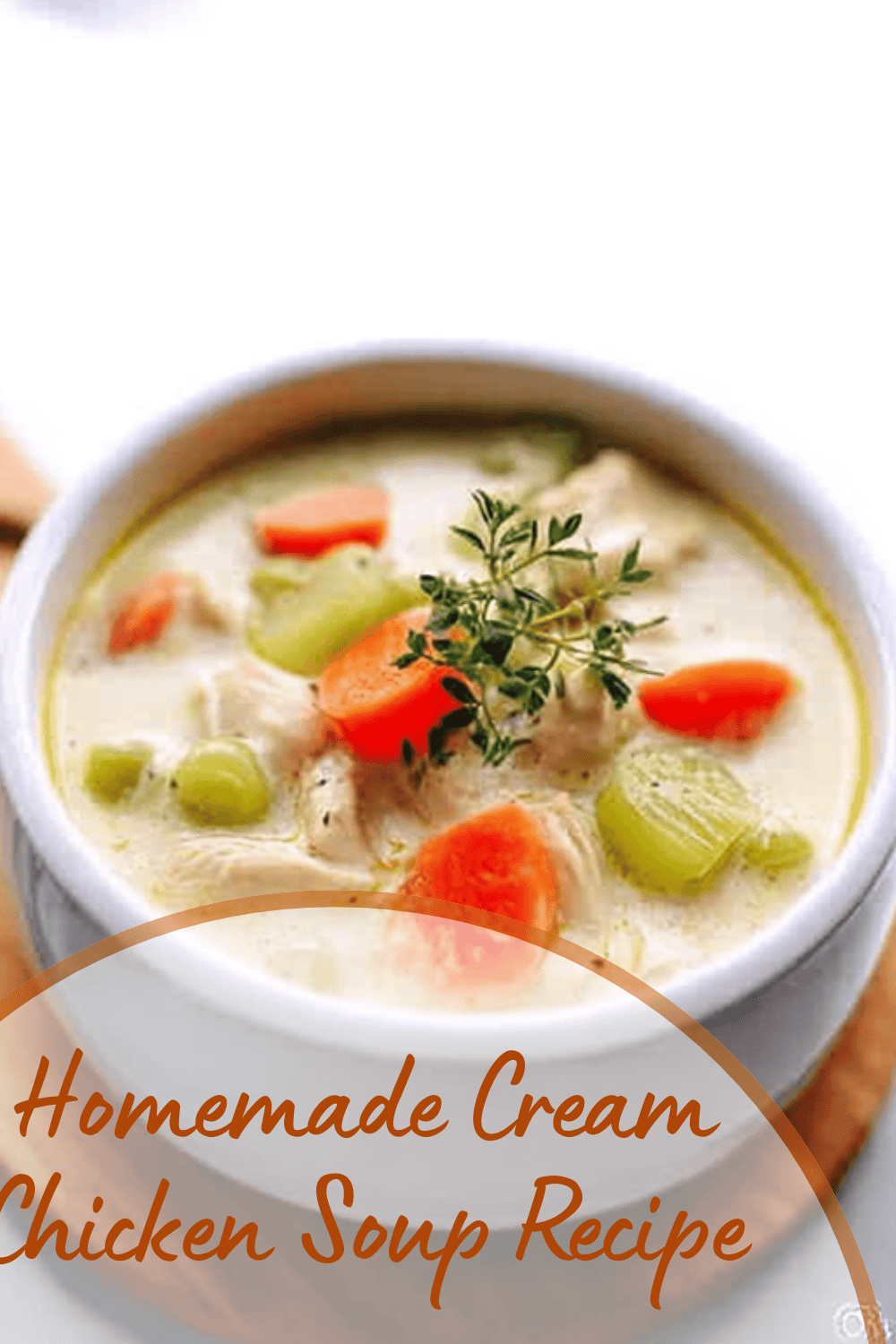
FAQs: Frequently Asked Questions About Homemade Cream Chicken Soup Recipe
How do I make homemade cream chicken soup from scratch?
Can I use leftover chicken in homemade cream chicken soup?
What are good vegetables to add to cream chicken soup?
How can I make cream chicken soup thicker without cream?
Is homemade cream chicken soup healthy compared to canned versions?
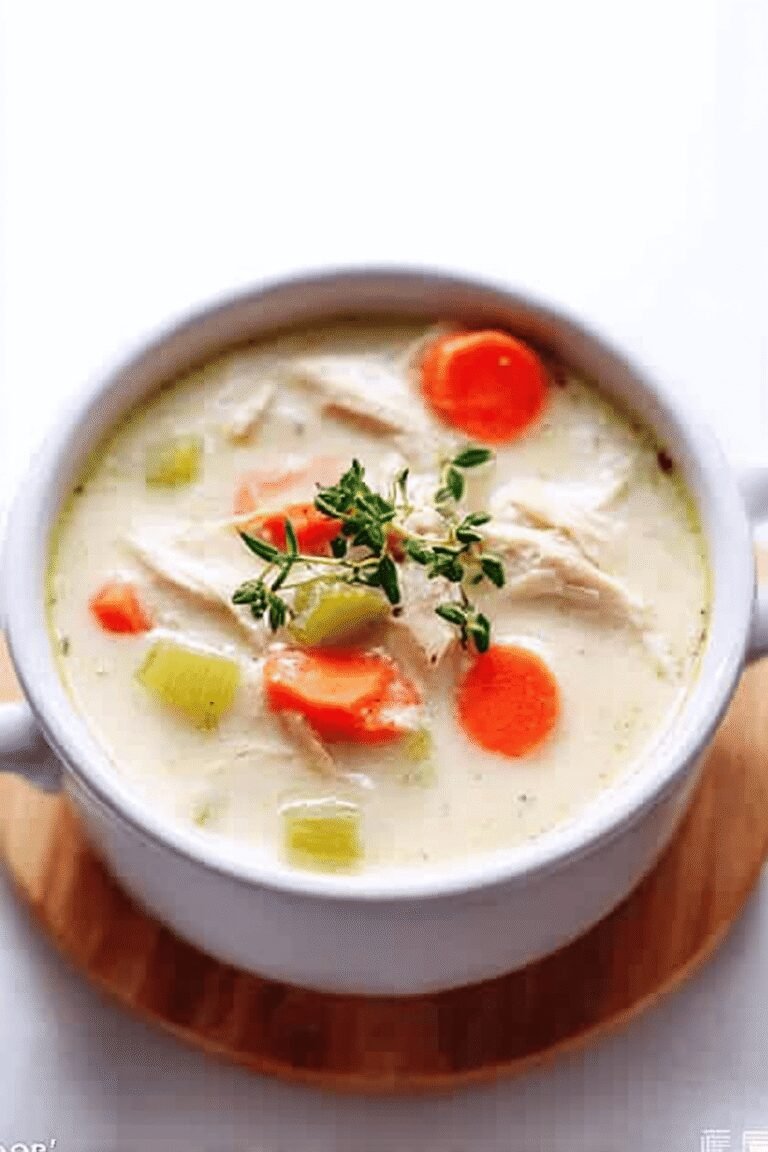
Homemade Cream Chicken Soup Recipe
🍲 A rich and creamy homemade soup that’s ready in minutes and beats any store-bought version
🍗 Perfect comfort food that brings warmth and satisfaction to any mealtime
- Total Time: 15 minutes
- Yield: 4 servings
Ingredients
– 4 Tablespoons Butter
– ½ cup + 2 Tablespoons Flour
– 2 cups Chicken Broth
– 1 chicken bouillon cube or 1 teaspoon chicken bouillon paste (optional)
– 1 cup milk, preferably whole
– 1/3 teaspoon celery salt
– 1/3 teaspoon onion powder
– 1/3 teaspoon garlic powder
– 1/3 teaspoon salt
– 1/3 teaspoon pepper
Instructions
1-Melt butter: Melt butter in a saucepan over medium heat until fully melted and foaming.
2-Gradually sprinkle in the flour: Gradually sprinkle in the flour and whisk continuously for 3-5 minutes until it resembles wet sand. Remove from heat.
3-Add about 1/3 of the chicken broth: Add about 1/3 of the chicken broth and whisk well. Repeat until all broth is gradually incorporated.
4-Temper the milk: Temper the milk by microwaving it for 45 seconds, then slowly add it to the saucepan while whisking constantly.
5-Add all seasonings: Add all seasonings (celery salt, onion powder, garlic powder, salt, pepper) and return the saucepan to medium-high heat.
6-Whisk continuously: Whisk continuously until the soup thickens.
7-Remove from heat: Remove from heat immediately once thickened (it will continue to thicken as it cools). For an ultra-smooth texture, strain the mixture.
Last Step:
Please leave a rating and comment letting us know how you liked this recipe! This helps our business to thrive and continue providing free, high-quality recipes for you.Notes
🧂 For reduced sodium, use unsalted butter and low-sodium chicken broth
🥫 Store leftovers in an airtight container in the refrigerator for up to 1 week or freeze for up to 4 months
✨ Adding the optional chicken bouillon enhances the chicken flavor, especially with store-bought broth
- Prep Time: 5 minutes
- Cook Time: 10 minutes
- Category: Soup
- Method: Stovetop
- Cuisine: American
Nutrition
- Serving Size: 1 cup
- Calories: 434
- Sugar: 6
- Sodium: 2008
- Fat: 28
- Saturated Fat: 17
- Unsaturated Fat: 11
- Trans Fat: 0
- Carbohydrates: 38
- Fiber: 1
- Protein: 9
- Cholesterol: 72