
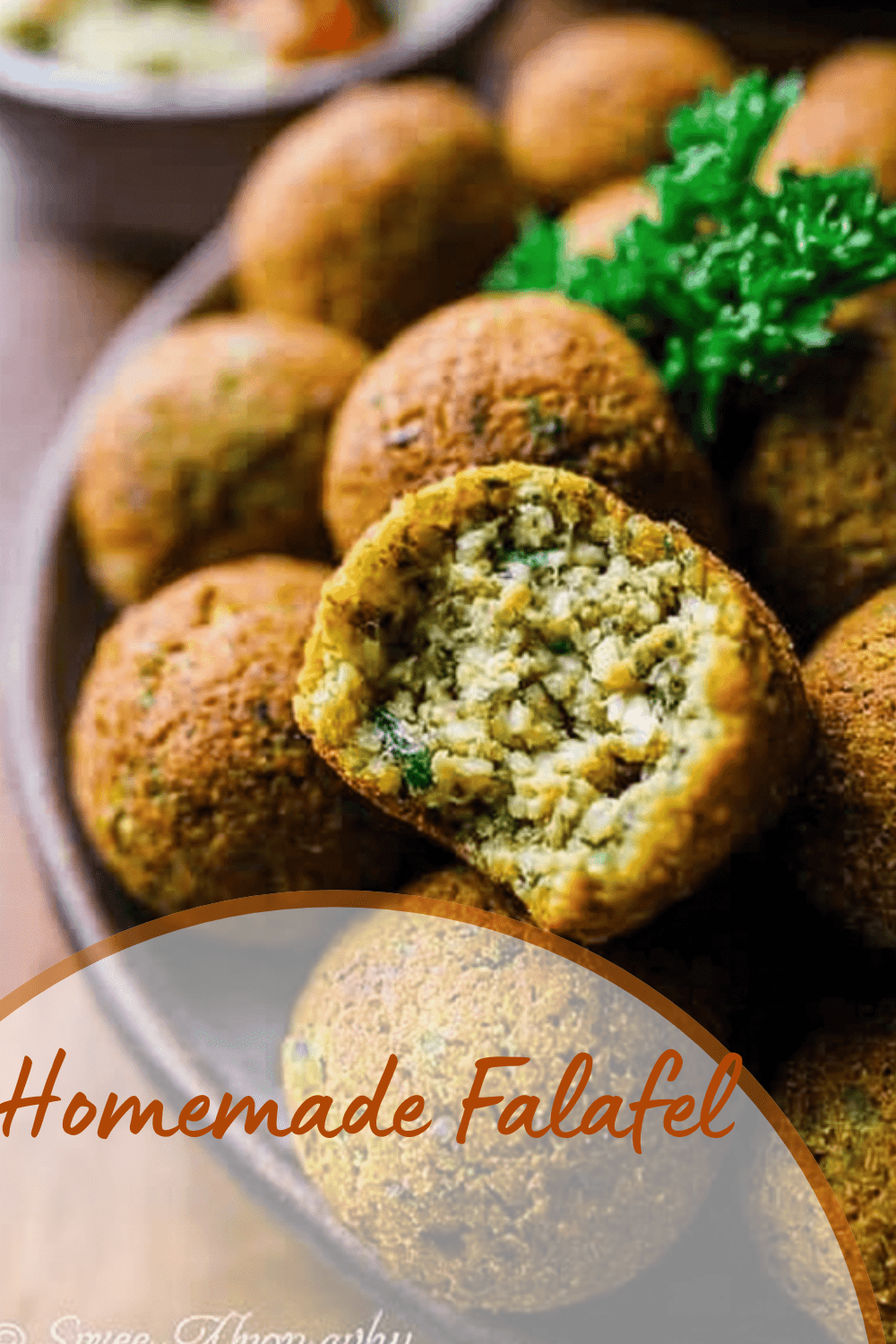
Why You’ll Love This Homemade Falafel
Imagine enjoying crispy, golden bites that burst with fresh herbs and spices, effortlessly prepared in your own kitchen. Homemade falafel offers a simple way to bring authentic flavors to your table, making it a favorite for anyone wanting nutritious meals without much fuss. It’s not only easy to make but also aligns with various lifestyles, turning everyday ingredients into something truly special.
This homemade falafel stands out because it’s packed with plant-based goodness from chickpeas, providing a hearty option that fuels your day. Whether you’re a busy parent grabbing a quick dinner or a food enthusiast exploring new tastes, this recipe adapts to your needs while keeping things straightforward and delicious. By using fresh herbs and spices, you get that authentic taste right at home, making every bite memorable and satisfying.
One of the best parts is how this recipe fits into different routines, from students needing fast meals to diet-conscious folks seeking healthy choices. I’ve tried this myself on busy nights, and it always hits the spot, proving that good food doesn’t have to take hours. Plus, with its natural vegan and gluten-free base, it’s versatile enough for family gatherings or solo dinners.
Ease of Preparation
This homemade falafel recipe is simple and quick to prepare, requiring minimal ingredients and straightforward steps that make cooking hassle-free, perfect for busy weeknights. You’ll spend just a bit of time soaking the chickpeas and blending the mix, leaving more time to relax. The process feels rewarding, like creating a little homemade magic without overwhelming your schedule.
Health Benefits
Packed with plant-based proteins, fiber, and essential nutrients, homemade falafel supports a balanced diet and promotes wellness while avoiding processed additives. Chickpeas provide steady energy, helping you stay full longer, which is great for travelers or working professionals on the go. It’s a smart choice that nourishes without the guilt, fitting seamlessly into diets for seniors or those watching their intake.
Versatility and Distinctive Flavor
Adaptable to various dietary preferences, this falafel can be made vegan, gluten-free, or low-calorie, making it suitable for a wide range of meal plans. The unique combination of fresh herbs, spices, and chickpeas creates a rich, authentic taste that outshines store-bought options. For more seafood-inspired twists, you might try a spicy prawn recipe on the same blog for variety in your meals.
Essential Ingredients for Homemade Falafel
Gathering the right ingredients is key to nailing this homemade falafel, and they’re mostly fresh items you might already have or easily find. Start with dried chickpeas as the base, since they create that perfect texture when soaked properly. Let’s break down what you need to make this recipe shine, ensuring everything is measured out clearly for success.
Focusing on quality herbs and spices brings out the best flavors, making your falafel burst with freshness. Remember, sticking to the quantities helps avoid common pitfalls, like a mixture that’s too wet or bland. For a deeper dive into chickpea benefits, check out this resource on chickpea nutrition.
Main Ingredients
- 2 cups dried chickpeas (do not use canned or cooked chickpeas)
- 1/2 teaspoon baking soda
- 1 cup fresh parsley leaves, stems removed
- 3/4 cup fresh cilantro leaves, stems removed
- 1/2 cup fresh dill, stems removed
- 1 small onion, quartered
- 7 to 8 garlic cloves, peeled
- Salt to taste
- 1 tablespoon ground black pepper
- 1 tablespoon ground cumin
- 1 tablespoon ground coriander
- 1 teaspoon cayenne pepper (optional)
- 1 teaspoon baking powder
- 2 tablespoons toasted sesame seeds
- Oil for frying (enough to fill a medium saucepan about 3 inches deep)
Optional Falafel Sandwich Fixings
- Pita pockets (quantity as needed)
- Chopped or diced English cucumbers (quantity as desired)
- Chopped or diced tomatoes (quantity as desired)
- Baby arugula (quantity as desired)
- Pickles (quantity as desired)
These ingredients ensure your falafel is flavorful and customizable, with options for special diets like vegan or gluten-free. For more tips on fresh herbs, they play a big role in enhancing taste, so don’t skip them.
Special Dietary Options
| Dietary Need | Adaptation |
|---|---|
| Vegan | Naturally vegan without eggs or dairy |
| Gluten-free | Use gluten-free options if binding agents are added |
| Low-calorie | Bake instead of frying and reduce oil amount |
How to Prepare the Perfect Homemade Falafel: Step-by-Step Guide
Diving into making homemade falafel is easier than you think, and following these steps ensures great results every time. Start with soaking the chickpeas, as this sets the foundation for that ideal texture. Let’s walk through it so you can feel confident in your kitchen.
I’ve made this recipe on weekends for family brunches, and it always turns out amazing with a bit of planning. The key is to keep things moving smoothly from prep to plate, incorporating the directions for authentic flavor. Remember, patience with soaking and chilling makes all the difference in the final product.
First Steps: Soaking and Mixing
Begin by soaking 2 cups of dried chickpeas with 1/2 teaspoon of baking soda in water that covers them by at least 2 inches for 18 to 24 hours. After soaking, drain and pat dry the chickpeas to remove excess moisture. In a food processor, combine the soaked chickpeas, 1 cup fresh parsley leaves (stems removed), 3/4 cup fresh cilantro leaves (stems removed), 1/2 cup fresh dill (stems removed), 1 small onion (quartered), 7 to 8 garlic cloves (peeled), salt to taste, 1 tablespoon ground black pepper, 1 tablespoon ground cumin, 1 tablespoon ground coriander, and 1 teaspoon cayenne pepper (if using). Pulse until the mixture is coarse and well combined.
Chilling and Shaping
Transfer the mixture to a container, cover, and refrigerate for at least 1 hour or overnight to help it firm up. Before cooking, stir in 1 teaspoon baking powder and 2 tablespoons toasted sesame seeds for a fluffy interior. Form the mixture into 1/2-inch thick patties or balls, using wet hands to prevent sticking and ensure even shapes.
Cooking Methods
For frying, heat oil in a medium saucepan to about 3 inches deep over medium-high heat until it reaches approximately 375 degrees Fahrenheit. Fry the patties in batches for 3 to 5 minutes, or until golden brown and crispy, avoiding overcrowding the pan. Drain on paper towels and serve hot.
This method creates that crave-worthy crunch, but if you prefer baking, preheat the oven to 350 degrees Fahrenheit, lightly oil a baking sheet, and brush the patties with olive oil. Bake for 15 to 20 minutes, turning halfway, until cooked through and lightly browned.
Adaptations include baking for a low-calorie version or using gluten-free agents if needed, making this guide flexible for all. Total approximate active time, excluding soaking and refrigeration, is about 50 minutes.

Dietary Substitutions to Customize Your Homemade Falafel
One of the joys of homemade falafel is tweaking it to fit your tastes or needs, and simple swaps can make a big difference. Whether you’re avoiding certain ingredients or just experimenting, these changes keep the dish delicious. Let’s explore how to personalize it without losing that authentic vibe.
For instance, if you’re out of chickpeas, trying alternatives can add fun variety. Always test a small batch first to ensure the texture holds up during cooking.
Protein and Main Component Alternatives
- Substitute chickpeas with fava beans for a different texture and flavor.
- Use white beans or lentils as an alternative base for protein.
Vegetable, Sauce, and Seasoning Modifications
- Swap parsley with cilantro or mint to vary flavor profiles.
- Use tahini sauce, yogurt-based dips, or spicy harissa as accompanying sauces.
- Season with smoked paprika, chili flakes, or sumac for creative twists.
These substitutions help accommodate dietary preferences and enhance the overall experience, making homemade falafel even more adaptable.
Mastering Homemade Falafel: Advanced Tips and Variations
Once you’ve got the basics down, elevating your falafel game is all about fine-tuning techniques and getting creative. These pro tips can turn your everyday recipe into something impressive for parties or special meals. Let’s dive into ways to make it even better.
I’ve experimented with these variations for family events, and they always get compliments for the extra flair. Adding unique elements keeps things exciting while staying true to the core recipe.
- Pro cooking techniques: For extra crispiness, incorporate ice water into the mixture or double-fry the falafel.
- Flavor variations: Add roasted red peppers, sun-dried tomatoes, or feta cheese for unique tastes.
- Presentation tips: Serve on a bed of fresh greens, drizzle with vibrant sauces, and garnish with chopped herbs.
- Make-ahead options: Prepare and shape falafel balls in advance, freeze on trays, then store for quick use later.
These strategies ensure your homemade falafel is not only tasty but also convenient for busy lifestyles.
How to Store Homemade Falafel: Best Practices
Keeping your homemade falafel fresh means it’s ready whenever you crave it, and proper storage is key to maintaining that crispiness. Whether you’re prepping ahead or saving leftovers, these steps help preserve flavor and texture. It’s a simple way to make meal planning easier for everyone.
- Refrigeration: Store cooked falafel in an airtight container in the refrigerator for up to 3 days.
- Freezing: Freeze uncooked falafel balls on a baking sheet before transferring to freezer bags for up to 3 months.
- Reheating: Reheat frozen or refrigerated falafel in an oven or air fryer at 350 degrees Fahrenheit for 5-10 minutes.
- Meal prep considerations: Cook a large batch and portion for meals throughout the week.
For more recipe ideas, consider exploring a spicy prawn dish that pairs well with falafel varieties.
FAQs: Frequently Asked Questions About Homemade Falafel
What ingredients do I need to make homemade falafel?
Can I use canned chickpeas instead of dry chickpeas for falafel?
How do I prevent falafel from falling apart when frying?
Can falafel be baked instead of fried, and how do I do it?
Is homemade falafel gluten-free and suitable for vegans?
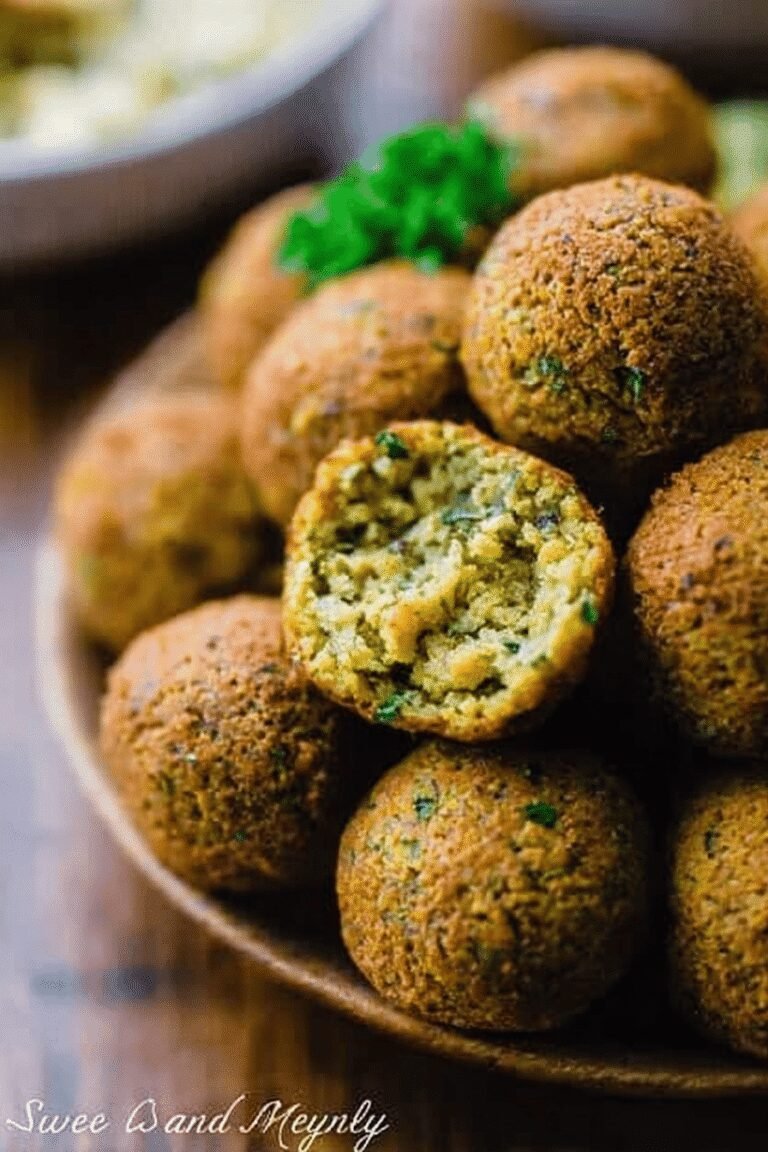
Homemade Falafel
🌱 Discover how to make falafel from scratch using easy ingredients for a crispy, flavorful, and nutritious dish.
🍽️ This step-by-step guide simplifies the process, helping you create authentic falafel perfect for meals or sandwiches.
- Total Time: 50 minutes active time (excluding soaking and refrigeration)
- Yield: About 20–25 falafel patties 1x
Ingredients
2 cups dried chickpeas (do not use canned or cooked chickpeas)
1/2 teaspoon baking soda
1 cup fresh parsley leaves, stems removed
3/4 cup fresh cilantro leaves, stems removed
1/2 cup fresh dill, stems removed
1 small onion, quartered
7 to 8 garlic cloves, peeled
Salt to taste
1 tablespoon ground black pepper
1 tablespoon ground cumin
1 tablespoon ground coriander
1 teaspoon cayenne pepper (optional)
1 teaspoon baking powder
2 tablespoons toasted sesame seeds
Oil for frying (enough to fill a medium saucepan about 3 inches deep)
Pita pockets (quantity as needed)
Chopped or diced English cucumbers (quantity as desired)
Chopped or diced tomatoes (quantity as desired)
Baby arugula (quantity as desired)
Pickles (quantity as desired)
Instructions
1-First Steps: Soaking and Mixing: Begin by soaking 2 cups of dried chickpeas with 1/2 teaspoon of baking soda in water that covers them by at least 2 inches for 18 to 24 hours. After soaking, drain and pat dry the chickpeas to remove excess moisture. In a food processor, combine the soaked chickpeas, 1 cup fresh parsley leaves (stems removed), 3/4 cup fresh cilantro leaves (stems removed), 1/2 cup fresh dill (stems removed), 1 small onion (quartered), 7 to 8 garlic cloves (peeled), salt to taste, 1 tablespoon ground black pepper, 1 tablespoon ground cumin, 1 tablespoon ground coriander, and 1 teaspoon cayenne pepper (if using). Pulse until the mixture is coarse and well combined.
2-Chilling and Shaping: Transfer the mixture to a container, cover, and refrigerate for at least 1 hour or overnight to help it firm up. Before cooking, stir in 1 teaspoon baking powder and 2 tablespoons toasted sesame seeds for a fluffy interior. Form the mixture into 1/2-inch thick patties or balls, using wet hands to prevent sticking and ensure even shapes.
3-Cooking Methods: For frying, heat oil in a medium saucepan to about 3 inches deep over medium-high heat until it reaches approximately 375 degrees Fahrenheit. Fry the patties in batches for 3 to 5 minutes, or until golden brown and crispy, avoiding overcrowding the pan. Drain on paper towels and serve hot.
Baking alternative method: This method creates that crave-worthy crunch, but if you prefer baking, preheat the oven to 350 degrees Fahrenheit, lightly oil a baking sheet, and brush the patties with olive oil. Bake for 15 to 20 minutes, turning halfway, until cooked through and lightly browned.
Last Step:
Please leave a rating and comment letting us know how you liked this recipe! This helps our business to thrive and continue providing free, high-quality recipes for you.Notes
🌾 Use dried chickpeas soaked 18 to 24 hours for best texture and binding.
🔥 Fry in oil at 375°F and avoid overcrowding to maintain crispiness.
❄️ Shape patties and freeze uncooked for up to 1 month; cook from frozen by frying or baking.
- Prep Time: 30 minutes
- Refrigeration Time: 1 hour
- Cook Time: 20 minutes
- Category: Appetizer
- Method: Frying or Baking
- Cuisine: Middle Eastern
- Diet: Vegan
Nutrition
- Serving Size: 1 falafel patty