

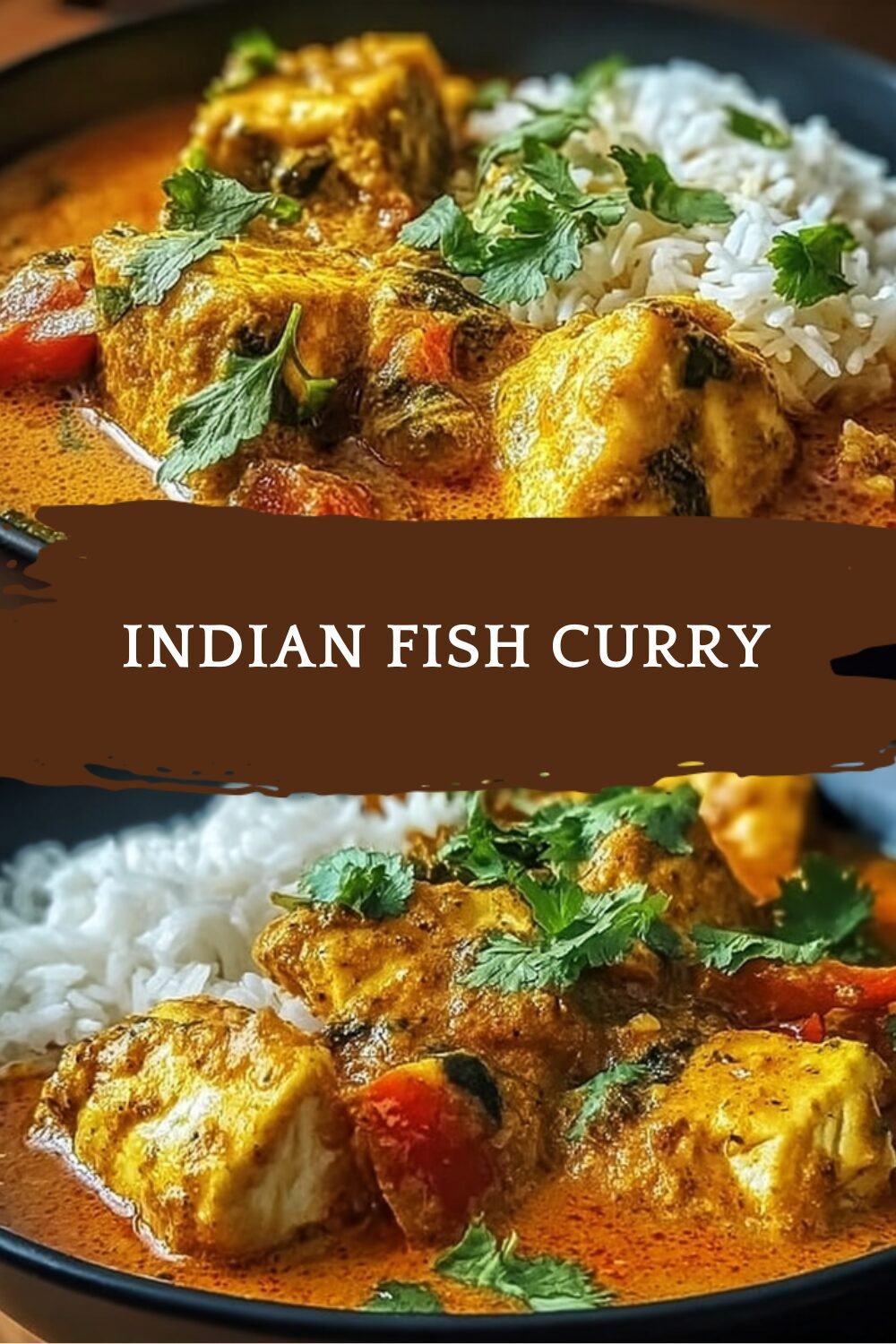
Why You’ll Love This Indian Fish Curry
This Indian fish curry recipe combines simple steps with bold flavors, making it a go-to choice for home cooks looking for a delicious meal. It highlights fresh fish marinated in spices and simmered in a rich masala, bringing authentic Indian tastes to your table without much fuss. You’ll appreciate how it delivers a wholesome dish that fits into busy schedules while offering plenty of health perks.
- Ease of preparation: This recipe comes together in about 40 minutes, with just 10 minutes of prep, which makes it perfect for busy parents or working professionals. The straightforward steps involve basic chopping and blending, so beginners can follow along easily. You’ll find Indian fish curry a breeze to make on weeknights when time is short but you still want a satisfying meal.
- Health benefits: Packed with nutrients, this dish provides around 35 grams of protein per serving and includes vitamins A and C from the fresh tomatoes and spices. The fish adds heart-healthy omega-3s, while potassium and iron from the ingredients help support overall wellness. For diet-conscious individuals, it’s a balanced option with only 309 calories per serving, making it great for maintaining energy without excess fats.
- Versatility: Adapt this Indian fish curry to fit various dietary needs, like using plant-based substitutes for a vegan version or adjusting spices for a milder taste. It works for family dinners or parties, and you can pair it with rice, roti, or even a light salad. Travelers and food enthusiasts will enjoy experimenting with different fish types to recreate regional flavors from around the world.
- Distinctive flavor: The blend of Kashmiri red chili powder, cumin seeds, and curry leaves creates a warm, aromatic profile that sets Indian fish curry apart. This recipe balances spicy, tangy, and creamy notes, especially with the optional fennel seeds adding a subtle sweetness. It’s a dish that brings excitement to everyday eating, perfect for newlyweds or seniors seeking flavorful yet comforting food.
Overall, this recipe stands out for its ability to deliver authentic Indian flavors with minimal effort, making it a favorite among home cooks. Whether you’re a student rushing through meals or a party host impressing guests, Indian fish curry offers something for everyone. For ideas on refreshing beverages to serve alongside, check out our Brazilian lemonade recipe that pairs wonderfully with spicy dishes.
Essential Ingredients for Indian Fish Curry
Gathering the right ingredients is key to crafting a tasty Indian fish curry. Below is a detailed list of everything you need, organized by category for clarity. Each item includes precise measurements and a brief explanation of its role, helping you understand how it contributes to the final dish.
Main Ingredients
- 500 grams of firm fish (such as mackerel, tilapia, snapper, mahi mahi, halibut, catfish, cod, grouper, barramundi, pompano, basa, or seer fish, boneless or bone-in, with skin cleaned) – This is the star of the dish, providing a hearty protein base that absorbs spices well and offers a flaky texture.
- 1 tablespoon ginger garlic paste (for the marinade) – Adds a pungent, aromatic flavor that helps tenderize the fish and infuses it with depth.
- ½ teaspoon turmeric (for the marinade) – Brings a bright yellow color and anti-inflammatory benefits, while enhancing the overall earthiness of the curry.
- 1 teaspoon Kashmiri red chili powder (for the marinade) – Provides a mild heat and vibrant red hue without overwhelming spiciness, making the dish family-friendly.
- 1 teaspoon salt (for the marinade) – Seasons the fish perfectly, balancing the spices and drawing out natural flavors during marination.
- 1 teaspoon cumin seeds (for the masala paste) – Releases a nutty aroma when toasted, forming the foundation of the spice blend.
- 2 medium onions (approximately 200 grams, chopped) – Form the base of the masala, adding sweetness and body as they caramelize.
- 1 tablespoon ginger garlic paste (for the masala paste) – Reinforces the flavorful base, creating a robust paste that ties everything together.
- 3 medium ripe tomatoes (approximately 300 grams, chopped) – Contribute acidity and juiciness, helping to create a thick, tangy sauce.
- 1 teaspoon salt (for the masala paste) – Enhances the taste of the vegetables and spices, ensuring a well-seasoned curry.
- 1 teaspoon Kashmiri red chili powder (for the masala paste) – Adds more color and gentle heat, building layers in the flavor profile.
- ½ teaspoon turmeric (for the masala paste) – Boosts the curry’s warmth and health benefits, working alongside other spices.
- 1 teaspoon fennel seeds (optional, for the masala paste) – Imparts a slight licorice note for added complexity, though it can be skipped if desired.
- ½ cup grated coconut (or 200 ml coconut milk, or ¼ cup/50 grams cashew nuts, for the masala paste) – Provides creaminess and richness; coconut milk makes the curry silky, while cashew nuts offer a nutty thickness.
- 2 tablespoons oil (for the curry) – Used for frying and sautéing, it helps develop flavors without adding extra calories.
- 10-15 curry leaves (or 1 bay leaf, for the curry) – Infuse a fresh, citrusy aroma that elevates the authenticity of Indian fish curry.
- 2 green chilies (slit, for the curry) – Bring a fresh kick of heat, adjustable based on your spice tolerance.
- 1 teaspoon garam masala (or curry powder, for the curry) – Adds warm, aromatic spices that round out the dish’s flavor.
- 1-2 cups (240-480 ml) water (for the curry) – Adjusts the consistency of the gravy, making it easier to simmer the fish without drying out.
Special Dietary Options
- Vegan: Replace the fish with 500 grams of firm tofu or chunks of eggplant to keep the dish plant-based while maintaining texture.
- Gluten-free: This recipe is naturally gluten-free, so ensure all spices and oils are from gluten-free sources, and serve with gluten-free sides like rice.
- Low-calorie: Use only 1 tablespoon of oil total and opt for low-fat coconut milk to cut down on fats, keeping the calorie count under 250 per serving.
For more on how spices enhance health, see this guide on the health benefits of Indian spices.
How to Prepare the Perfect Indian Fish Curry: Step-by-Step Guide
Making Indian fish curry at home is straightforward and rewarding, with each step building on the last for a flavorful result. Start by gathering your ingredients and prepping your workspace to make the process smooth. This guide uses the provided directions, adapted for clarity and ease, ensuring even beginners can create a delicious meal.
First Step: Marinate the Fish
Begin by combining 500 grams of fish with 1 tablespoon ginger garlic paste, ½ teaspoon turmeric, 1 teaspoon Kashmiri red chili powder, and 1 teaspoon salt in a bowl. Mix everything well and let it sit for 15-20 minutes to absorb the flavors. This step helps the fish develop a rich taste and reduces any fishy odor, making it ideal for family meals.
Second Step: Lightly Fry the Fish
Heat 1 tablespoon of oil in a pan over medium heat, then add the marinated fish pieces. Fry them for 2-3 minutes on each side until they turn lightly golden. Once done, remove the fish and set it aside; this quick fry locks in flavors and prepares the fish for the curry without overcooking it.
Third Step: Prepare the Masala Paste
In the same pan, heat another 1 tablespoon of oil and add 1 teaspoon cumin seeds. Let them splutter, then stir in 2 chopped onions (200 grams) and sauté for 5-7 minutes until golden. Next, add 1 tablespoon ginger garlic paste and 3 chopped tomatoes (300 grams), along with 1 teaspoon salt, and cook for 4-5 minutes until the tomatoes soften. Now, mix in ½ cup grated coconut (or 200 ml coconut milk or 50 grams cashew nuts), 1 teaspoon fennel seeds if using, 1 teaspoon Kashmiri red chili powder, and ½ teaspoon turmeric. Cook for another 5 minutes until fragrant.
Fourth Step: Blend the Masala
Let the mixture cool slightly, then blend it in a blender with ½ cup (120 ml) water to achieve your preferred texture, whether smooth or slightly chunky. This creates a base that forms the heart of the Indian fish curry, allowing spices to meld perfectly. Adjust the water based on how thick you want the paste, which affects the final gravy’s consistency.
Fifth Step: Cook the Curry
In a separate pan, heat 1 tablespoon oil over medium heat and add 10-15 curry leaves and 2 slit green chilies, sautéing for 1 minute. Stir in the blended masala paste and 1 teaspoon garam masala, and if you want more heat, add an extra ½ teaspoon Kashmiri red chili powder. Pour in 1-2 cups (240-480 ml) water to form the gravy and simmer for 10-15 minutes until the sauce thickens and oil separates on the surface, signaling rich flavors.
Sixth Step: Add the Fish
Gently place the fried fish pieces into the curry and cook for 5-7 minutes, turning them once to ensure even cooking. This step is crucial for infusing the fish with the masala without breaking it apart, resulting in tender pieces that are fully cooked. For dietary adaptations, you can use tofu here for a vegan twist, keeping the cooking time similar.
Final Step: Finish and Serve
Garnish the curry with 2 tablespoons chopped coriander leaves if desired, then serve it hot with rice or roti. The total preparation takes about 10 minutes, and cooking is around 30 minutes, making this Indian fish curry a quick yet impressive option. Remember, the fish is done when it flakes easily, and for those watching calories, pair it with a light side like a fresh salad.
This recipe not only delivers authentic flavors but also allows for variations based on what you have on hand, like substituting coconut milk for cashew nuts. For insights into fish nutrition, visit this resource on the health benefits of fish.

Dietary Substitutions to Customize Your Indian Fish Curry
Protein and Main Component Alternatives
Swapping the main protein in Indian fish curry can make it suit different tastes or restrictions. For instance, if fish isn’t available, try using 500 grams of chicken or paneer for a similar texture that holds up in the masala. Vegetarians might opt for 500 grams of chickpeas or potatoes, which absorb spices well and keep the dish hearty. These changes ensure the recipe remains versatile for busy parents or students seeking quick adaptations.
Vegetable, Sauce, and Seasoning Modifications
Adjusting vegetables can refresh the curry based on seasons or preferences; add 200 grams of bell peppers or spinach for extra nutrients. For the sauce, replace coconut milk with 100-200 ml of yogurt to lighten it, or use 1 teaspoon tamarind paste for a tangier twist. Seasonings like garam masala can be swapped for milder options if needed, making Indian fish curry adaptable for food enthusiasts or those with dietary limits.
Mastering Indian Fish Curry: Advanced Tips and Variations
Pro Cooking Techniques
To elevate your Indian fish curry, focus on techniques like toasting spices before blending for deeper flavors. Use a heavy-bottomed pan to prevent sticking, and simmer the gravy for at least 10 minutes to thicken it properly. These methods help maintain the fish’s texture, making the dish more enjoyable for baking enthusiasts or party hosts.
Flavor Variations
Experiment with combinations like adding 1 teaspoon of mustard seeds for a nutty twist or incorporating fresh herbs for brightness. You can also try a coconut-free version using cashew nuts for creaminess, which suits diet-conscious individuals looking to vary their meals.
Presentation Tips
Garnish with lemon wedges and cilantro for a vibrant look that appeals to travelers and newlyweds. Serve in bowls with colorful sides to make it visually appealing for family gatherings.
Make-Ahead Options
Prep the masala paste in advance and store it for up to two days, or freeze the curry base for busy weeks. This strategy works well for working professionals needing quick meals without losing quality.
How to Store Indian Fish Curry: Best Practices
Refrigeration
Store leftovers in an airtight container in the fridge for up to 2 days to keep flavors fresh. Always cool the curry completely before refrigerating to avoid bacterial growth, making it safe for quick meals.
Freezing
Freeze the sauce separately from the fish for up to a month; use freezer-safe bags for easy storage. Thaw in the fridge overnight to preserve the curry’s texture and taste.
Reheating
Reheat gently on the stove over low heat, adding a splash of water if needed. Avoid microwaving fish directly to prevent it from becoming tough, ensuring meals retain their appeal.
Meal Prep Considerations
Double the recipe for batch cooking and portion it out for the week, focusing on separating components for better quality.
FAQs: Frequently Asked Questions About Indian Fish Curry
What types of fish work best for making Indian fish curry?
Can I substitute ginger garlic paste if I don’t have it on hand?
Is it necessary to use coconut milk in Indian fish curry, or are there alternatives?
How can I tell when the fish is fully cooked in the curry?
Can Indian fish curry be frozen and reheated without losing quality?
Indian Fish Curry
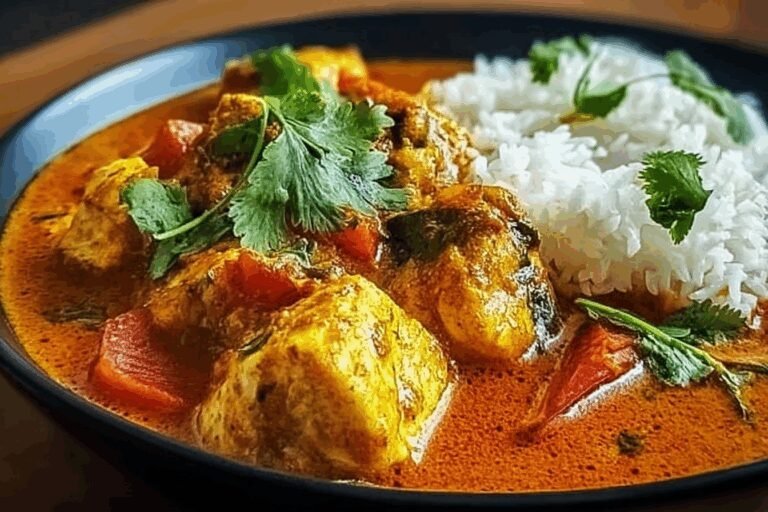
🐟 This Fish Curry features authentic Indian masala flavors combined with tender fish for a rich and satisfying dish.
🌶 The aromatic spices and creamy coconut provide a perfect balance of heat and flavor, making it irresistible and nutritious.
- Total Time: 40 minutes
- Yield: 4 servings 1x
Ingredients
500 grams firm fish
1 tablespoon ginger garlic paste for the marinade
½ teaspoon turmeric for the marinade
1 teaspoon Kashmiri red chili powder for the marinade
1 teaspoon salt for the marinade
1 teaspoon cumin seeds for the masala paste
2 medium onions (approximately 200 grams, chopped)
1 tablespoon ginger garlic paste for the masala paste
3 medium ripe tomatoes (approximately 300 grams, chopped)
1 teaspoon salt for the masala paste
1 teaspoon Kashmiri red chili powder for the masala paste
½ teaspoon turmeric for the masala paste
1 teaspoon fennel seeds (optional, for the masala paste)
½ cup grated coconut (or 200 ml coconut milk, or ¼ cup/50 grams cashew nuts, for the masala paste)
2 tablespoons oil for the curry
10–15 curry leaves (or 1 bay leaf, for the curry)
2 green chilies (slit, for the curry)
1 teaspoon garam masala (or curry powder, for the curry)
1–2 cups (240–480 ml) water for the curry
Instructions
1-First Step: Marinate the Fish: Begin by combining 500 grams of fish with 1 tablespoon ginger garlic paste, ½ teaspoon turmeric, 1 teaspoon Kashmiri red chili powder, and 1 teaspoon salt in a bowl. Mix everything well and let it sit for 15-20 minutes to absorb the flavors. This step helps the fish develop a rich taste and reduces any fishy odor, making it ideal for family meals.
2-Second Step: Lightly Fry the Fish: Heat 1 tablespoon of oil in a pan over medium heat, then add the marinated fish pieces. Fry them for 2-3 minutes on each side until they turn lightly golden. Once done, remove the fish and set it aside; this quick fry locks in flavors and prepares the fish for the curry without overcooking it.
3-Third Step: Prepare the Masala Paste: In the same pan, heat another 1 tablespoon of oil and add 1 teaspoon cumin seeds. Let them splutter, then stir in 2 chopped onions (200 grams) and sauté for 5-7 minutes until golden. Next, add 1 tablespoon ginger garlic paste and 3 chopped tomatoes (300 grams), along with 1 teaspoon salt, and cook for 4-5 minutes until the tomatoes soften. Now, mix in ½ cup grated coconut (or 200 ml coconut milk or 50 grams cashew nuts), 1 teaspoon fennel seeds if using, 1 teaspoon Kashmiri red chili powder, and ½ teaspoon turmeric. Cook for another 5 minutes until fragrant.
4-Fourth Step: Blend the Masala: Let the mixture cool slightly, then blend it in a blender with ½ cup (120 ml) water to achieve your preferred texture, whether smooth or slightly chunky. This creates a base that forms the heart of the Indian fish curry, allowing spices to meld perfectly. Adjust the water based on how thick you want the paste, which affects the final gravy’s consistency.
5-Fifth Step: Cook the Curry: In a separate pan, heat 1 tablespoon oil over medium heat and add 10-15 curry leaves and 2 slit green chilies, sautéing for 1 minute. Stir in the blended masala paste and 1 teaspoon garam masala, and if you want more heat, add an extra ½ teaspoon Kashmiri red chili powder. Pour in 1-2 cups (240-480 ml) water to form the gravy and simmer for 10-15 minutes until the sauce thickens and oil separates on the surface, signaling rich flavors.
6-Sixth Step: Add the Fish: Gently place the fried fish pieces into the curry and cook for 5-7 minutes, turning them once to ensure even cooking. This step is crucial for infusing the fish with the masala without breaking it apart, resulting in tender pieces that are fully cooked. For dietary adaptations, you can use tofu here for a vegan twist, keeping the cooking time similar.
7-Final Step: Finish and Serve: Garnish the curry with 2 tablespoons chopped coriander leaves if desired, then serve it hot with rice or roti. The total preparation takes about 10 minutes, and cooking is around 30 minutes, making this Indian fish curry a quick yet impressive option. Remember, the fish is done when it flakes easily, and for those watching calories, pair it with a light side like a fresh salad.
Last Step:
Please leave a rating and comment letting us know how you liked this recipe! This helps our business to thrive and continue providing free, high-quality recipes for you.Notes
🐟 Pan-fry marinated fish to reduce fishy smell before adding to curry.
🔪 Blend masala paste to preferred consistency; use 1/2 cup water to adjust texture.
🌿 Use fresh curry leaves for best flavor; substitute with bay leaf if needed.
🥥 Substitute grated coconut with cashew nuts; adjust coconut milk quantity to prevent diluting flavor.
🍋 Add tamarind paste or lemon juice for additional sourness if desired.
🌰 Fennel seeds add sweetness but are optional.
🍛 Ensure gravy is thick before adding fish to prevent disintegration.
❄️ Store fish separately from curry if freezing to maintain texture.
- Prep Time: 10 minutes
- Cook Time: 30 minutes
- Category: Main Dish
- Method: Sautéing and Simmering
- Cuisine: Indian
Nutrition
- Serving Size: 1 serving
- Calories: 309
- Sugar: 4 g
- Sodium: 171 mg
- Fat: 13 g
- Saturated Fat: 2 g
- Trans Fat: 0 g
- Carbohydrates: 11 g
- Fiber: 3 g
- Protein: 35 g