
Why You’ll Love This Japanese Souffle Pancakes Recipe
If you’ve been scrolling through social media, you’ve likely seen those impossibly tall, fluffy Japanese souffle pancakes that look too good to be true. But what if I told you that you could recreate these cloud-like delights in your own kitchen? This Japanese souffle pancakes recipe brings the café experience home, delivering an extraordinary breakfast that feels special without requiring professional expertise.
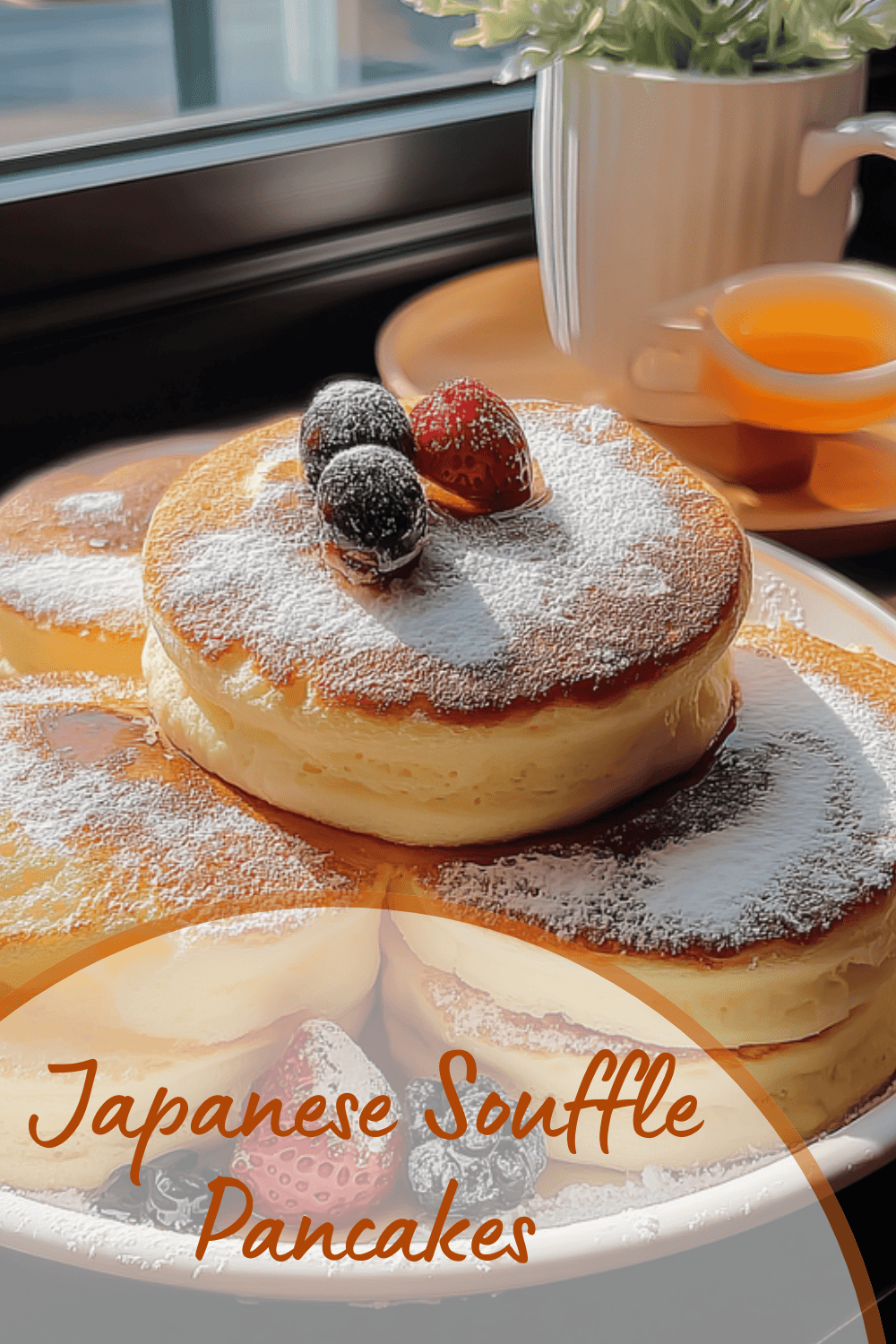
Unlike traditional pancakes, these Japanese souffle pancakes stand tall with an airy, melt-in-your-mouth texture that will transform your breakfast routine. The magic lies in the technique of whipping egg whites to stiff peaks and incorporating them into the batter, creating those signature fluffy pancakes that have taken the internet by storm.
What Makes These Pancakes Special
Japanese souffle pancakes are more than just a breakfast item they’re an experience. Here’s why this recipe stands out:
- Exceptional texture: The light texture pancakes achieve their height from whipped egg whites, creating a souffle-like consistency that literally melts in your mouth.
- Visual appeal: These pancakes are incredibly tall (1-2 inches high) and beautifully golden, making them perfect for impressing family or friends.
- Restaurant quality at home: You no longer need to visit a specialty café to enjoy these treats. With this recipe, you can make them any time the craving strikes.
- Versatile for any occasion: Whether it’s a leisurely weekend brunch, a special celebration, or when you just want to treat yourself, these pancakes fit the bill perfectly.
Perfect for Every Skill Level
“Don’t let the elegant appearance intimidate you! Japanese souffle pancakes are surprisingly approachable, even for beginners. The key is patience and attention to detail, not advanced culinary skills.”
This recipe breaks down the process into manageable steps, guiding you through each stage with clear instructions. Even if you’ve never whipped egg whites before, you’ll find the guidance you need to succeed.
For those looking to expand their breakfast repertoire, these pancakes offer a delightful challenge with rewarding results. Once you master the technique, you’ll be making these fluffy wonders regularly!
Essential Ingredients for Japanese Souffle Pancakes
Creating the perfect Japanese souffle pancakes starts with quality ingredients. This recipe uses simple pantry staples that work together to create those signature fluffy pancakes. Let’s break down what you’ll need:
Ingredients List
- 4 eggs, separated
- 1/4 cup granulated sugar
- 1/2 cup all-purpose flour (apple flour can be substituted)
- 1/2 teaspoon baking powder
- 1 pinch of salt
- 3 tablespoons whole milk (other milk types can be substituted)
- 1/2 teaspoon vanilla extract
- 4 tablespoons water (for cooking during the process)
- Butter (for greasing the pan)
The Role of Each Ingredient
Building the Structure
The combination of flour, baking powder, and a pinch of salt creates the structural foundation of your pancakes. When combined with the other ingredients, this mixture yields just the right balance of tenderness and stability to support those impressive heights.
Creating the Fluffiness
The secret weapon in this Japanese souffle pancakes recipe is the egg whites. When whipped to stiff peaks and folded into the batter, they create countless air bubbles that expand during cooking, resulting in that coveted light texture pancakes are famous for.
Adding Flavor and Richness
While these pancakes are known for their texture, their subtle flavor comes from the egg yolks, sugar, milk, and vanilla extract. This combination provides just the right amount of sweetness and depth without overwhelming the delicate structure.
Preparation Time Overview
| Task | Time Required |
|---|---|
| Prep Time | 10 minutes |
| Cook Time | 30 minutes |
| Total Time | 40 minutes |
| Yield | Approximately 10 pancakes |
When learning how to make fluffy Japanese souffle pancakes, having all your ingredients measured and ready before you start will make the process smoother. This technique, known as mise en place, is especially important for recipes with time-sensitive components like whipped egg whites.
How to Prepare the Perfect Japanese Souffle Pancakes: Step-by-Step Guide
Ready to dive into making these incredible Japanese souffle pancakes? Follow these detailed steps to achieve picture-perfect results every time. Remember, patience is key with this recipe!
Step 1: Preparing the Egg Yolk Mixture
In a medium bowl, whisk together the egg yolks, milk, and vanilla extract until smooth and well combined. This mixture forms the flavor base of your pancakes.
Step 2: Creating the Batter Base
Add the all-purpose flour, baking powder, and salt to the egg yolk mixture. Mix well until smooth and no lumps remain. Set this aside while you prepare the egg whites.
Step 3: Whipping the Egg Whites
“The success of these pancakes largely depends on properly whipped egg whites. Make sure your mixing bowl and beaters are completely clean and dry any grease can prevent the whites from reaching stiff peaks.”
Using an electric mixer, beat the egg whites until frothy. Gradually add the granulated sugar and continue beating until stiff, glossy peaks form. You should be able to turn the bowl upside down without the egg whites sliding out.
Step 4: Combining the Mixtures
Gently fold about one-third of the stiff egg whites into the egg yolk batter until just combined. Carefully fold in the remaining egg whites, preserving as much air as possible. Use a gentle motion, rotating the bowl and folding from bottom to top rather than stirring.
Step 5: Preparing the Pan
Heat a 12-inch deep-sided skillet over low heat. Melt a small amount of butter to grease the pan. The low heat is essential you want the pan to be hot enough to cook the pancakes but not so hot that they burn before the inside is cooked through.
Step 6: Shaping the Pancakes
Use a cookie scoop or spoon to place 4-5 scoops of batter, spaced apart, into the skillet. Add a second layer of scoops directly on top of the first layer for each pancake. They should look like small mountains of batter.
Step 7: First Round of Cooking
Pour 1 tablespoon of water into a hot, empty area of the skillet (away from the batter). Immediately cover the skillet with a lid and set a timer for 2 minutes. The water will create steam that helps cook the pancakes from the sides and top.
Step 8: Adding the Final Layer
Remove the lid. Add one more scoop of batter onto the top of each pancake. Cover the skillet again and cook on low-medium heat for 5-6 minutes.
Step 9: Checking for Golden Brown Bottoms
Uncover the skillet and check if the pancake bottoms are golden brown. If not browned enough, slightly increase the heat and cook for a brief additional time. Be careful not to burn them!
Step 10: Flipping and Finishing
Carefully flip each pancake. This can be tricky as they are delicate. Sprinkle another 1 tablespoon of water into the empty skillet area. Cover and cook for an additional 4 minutes, or until pancakes are golden brown on both sides and cooked through.
Step 11: Completing the Batch
Repeat the cooking process with any remaining batter. Remember to maintain low heat and add water to create steam for each new batch.
Step 12: Serving Your Masterpieces
Serve immediately with your preferred toppings. These souffle pancakes are best enjoyed fresh, as they may deflate slightly as they cool. If you have leftovers, store them in an airtight container at room temperature.
Mastering Japanese Souffle Pancakes: Advanced Tips and Variations
Once you’ve mastered the basic Japanese souffle pancakes recipe, you might want to take your skills to the next level. These advanced tips and variations will help you create professional-quality pancakes right in your own kitchen.
Critical Techniques for Perfect Pancakes
When learning how to make fluffy Japanese souffle pancakes, paying attention to these specific techniques can make all the difference:
- Room temperature eggs: Eggs separate more easily when at room temperature, and the whites whip up better. Take them out of the refrigerator about 30 minutes before you start.
- Clean equipment is non-negotiable: Any trace of fat or grease will prevent your egg whites from reaching maximum volume. Wipe your bowl and beaters with vinegar or lemon juice, then rinse and dry thoroughly.
- Fold like a pro: Use a rubber spatula and a gentle, folding motion. Cut down through the middle of the batter, bring the spatula across the bottom, and turn it over while rotating the bowl. Repeat until just combined.
- Low and slow wins the race: Cooking on low heat for a longer time ensures the inside cooks through without burning the outside. This patience is what creates the perfect light texture pancakes are known for.
Flavor Variations to Try
While classic Japanese souffle pancakes are delicious on their own, these variations can add exciting new dimensions to your breakfast table:
Matcha Green Tea Pancakes
Add 1 tablespoon of matcha powder to the flour mixture before combining with the egg yolks. The earthy flavor pairs beautifully with the light texture of these pancakes. Top with red bean paste and whipped cream for an authentic Japanese experience.
Chocolate Delight
Fold 2 tablespoons of cocoa powder into the egg yolk mixture along with the flour. The chocolate flavor infuses throughout the pancake, creating a decadent treat that’s perfect with fresh berries and a dusting of powdered sugar.
Citrus Infusion
Add the zest of one lemon or orange to the egg yolk mixture. The bright citrus notes cut through the richness and make these pancakes exceptionally refreshing, especially when served with fruit compote.
Presentation Ideas to Impress
Japanese souffle pancakes are naturally beautiful, but these presentation tips will make them look like they came from a high-end café:
- Stack with care: Gently stack 2-3 pancakes atop each other, slightly offset, to create a show-stopping tower.
- Add height with whipped cream: Dollop freshly whipped cream on top the extra height makes the pancakes even more impressive.
- Colorful toppings: Arrange fresh berries, sliced bananas, or seasonal fruit in a visually pleasing pattern on and around the pancakes.
- Drizzle strategically: Rather than drowning the pancakes in syrup, use a squeeze bottle to create elegant patterns with maple syrup, chocolate sauce, or fruit coulis.

Dietary Substitutions to Customize Your Japanese Souffle Pancakes
One of the wonderful things about recipes is their adaptability. Whether you’re following specific dietary guidelines or simply working with what you have on hand, these substitutions will help you customize your Japanese souffle pancakes without sacrificing that signature fluffy texture.
Ingredient Swaps for Common Restrictions
Making Vegan Japanese Souffle Pancakes
Creating vegan souffle pancakes might seem challenging, but it’s absolutely doable:
- Egg replacement: Use aquafaba (the liquid from chickpea cans) as a substitute for egg whites. 3 tablespoons of aquafaba typically equals one egg white. Whip it just as you would egg whites until stiff peaks form.
- Yolk replacement: Mix 1 tablespoon of ground flaxseed with 3 tablespoons of water for each egg yolk needed. Let it sit for 5 minutes to thicken before using.
- Dairy alternatives: Replace whole milk with plant-based options like almond milk, soy milk, or oat milk. Use a dairy-free butter substitute or coconut oil for greasing the pan.
Gluten-Free Adaptations
Gluten-free Japanese souffle pancakes can be just as fluffy as their traditional counterparts:
- Flour alternatives: Substitute all-purpose flour with a 1-to-1 gluten-free baking blend that contains xanthan gum. This helps maintain structure and prevents a gritty texture.
- Apple flour option: As mentioned in the ingredients, apple flour can be used as an alternative to all-purpose flour for a unique flavor and nutrient profile.
- Other considerations: Verify that your baking powder is gluten-free, as some brands may contain wheat starch as an anti-caking agent.
Lower-Calorie Modifications
If you’re looking to lighten up these pancakes:
- Sugar reduction: Cut the sugar to 2 tablespoons without significantly affecting texture. For a zero-calorie option, consider using a granular sweetener designed for baking.
- Dairy adjustments: Substitute whole milk with skim milk or unsweetened almond milk. This reduces calories while maintaining the liquid ratio needed for proper batter consistency.
- Egg modifications: Use two egg whites and only one yolk to reduce fat and calories while still enough binding agents and richness.
Flavor Modifications for All Preferences
Beyond dietary needs, you might want to adjust the flavor profile of your pancakes:
Spicing It Up
Add 1/2 teaspoon of cinnamon or pumpkin spice to the flour mixture for a warm, comforting flavor that’s perfect for autumn mornings. For a more adventurous twist, try a pinch of cardamom or nutmeg.
Savory Variations
Reduce the sugar to 1 tablespoon and add herbs like chives or dill to the batter. Serve these savory pancakes with smoked salmon and cream cheese for brunch, or with avocado and a sprinkle of sea salt.
How to Store Japanese Souffle Pancakes: Best Practices
One question many people have about Japanese souffle pancakes is how to store them properly. Since these delights are best enjoyed fresh, storage requires some special attention to maintain their signature light texture.
Short-Term Storage Solutions
If you plan to eat your leftovers within a day or two:
- Room temperature storage: Place completely cooled pancakes in an airtight container at room temperature for up to 24 hours. Avoid refrigeration if possible, as it can make the pancakes denser.
- Moisture retention: Place a sheet of parchment paper between layers of pancakes to prevent sticking and maintain their delicate structure.
- Avoid stacking while warm: Never stack or store souffle pancakes while they’re still warm, as this will cause them to steam and deflate.
Long-Term Freezing Guidelines
For longer storage, freezing is your best option:
| Step | Action | Purpose |
|---|---|---|
| 1 | Cool completely | Prevents condensation and ice crystals |
| 2 | Flash freeze on a baking sheet | Prevents pancakes from sticking together |
| 3 | Transfer to freezer bags | Saves space in the freezer |
| 4 | Remove excess air | Prevents freezer burn |
| 5 | Label with date | Helps track freshness |
When properly stored in the freezer, Japanese souffle pancakes can last up to one month while maintaining reasonable quality.
Reheating Techniques for Best Results
Reheating these delicate pancakes requires a gentle touch to restore their fluffy texture:
Stovetop Method (Best Results)
Warm a non-stick skillet over low heat. Add the frozen or refrigerated pancakes and cover with a lid. Heat for 2-3 minutes per side until warmed through. This method helps restore some of the original fluffiness.
Toaster or Toaster Oven Method
Place refrigerated (not frozen) pancakes in a toaster or toaster oven on a low setting. Toast for 1-2 minutes until warmed through. This method works well for restoring a slightly crisp exterior.
Steaming Method
Place pancakes in a steamer basket over simmering water for 1-2 minutes. This method helps rehydrate the pancakes and restores some of their original moisture and fluffiness.
Avoid using the microwave if possible, as it tends to make souffle pancakes rubbery and can cause them to deflate further.
FAQs: Frequently Asked Questions About Japanese Souffle Pancakes
What makes Japanese souffle pancakes different from regular pancakes?
How can I make Japanese souffle pancakes at home without special molds?
What kitchen tools are essential for making Japanese souffle pancakes?
Can I store leftover Japanese souffle pancakes, and how should I reheat them?
Are Japanese souffle pancakes traditionally served with specific toppings?
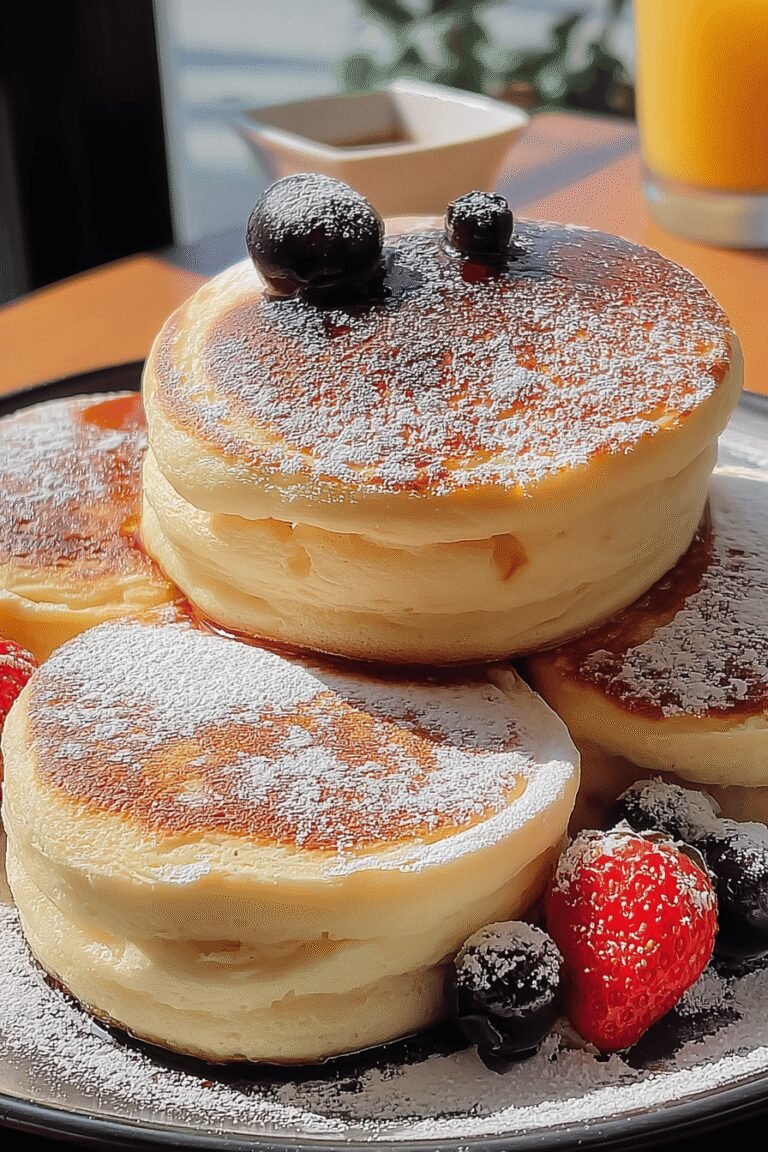
Japanese Souffle Pancakes
🥞 Japanese Souffle Pancakes are incredibly fluffy and airy, perfect for a light and indulgent breakfast treat.
🍯 The gentle steaming technique and whipped egg whites create a soft texture that melts in your mouth, making them a delightful choice to impress your guests.
- Total Time: 40 minutes
- Yield: Approximately 10 pancakes 1x
Ingredients
4 eggs, separated
1/4 cup granulated sugar
1/2 cup all-purpose flour (apple flour can be substituted)
1/2 teaspoon baking powder
1 pinch of salt
3 tablespoons whole milk (other milk types can be substituted)
1/2 teaspoon vanilla extract
4 tablespoons water for cooking during the process
Butter for greasing the pan
Instructions
1-Step 1: Preparing the Egg Yolk Mixture: In a medium bowl, whisk together the egg yolks, milk, and vanilla extract until smooth and well combined. This mixture forms the flavor base of your pancakes.
2-Step 2: Creating the Batter Base: Add the all-purpose flour, baking powder, and salt to the egg yolk mixture. Mix well until smooth and no lumps remain. Set this aside while you prepare the egg whites.
3-Step 3: Whipping the Egg Whites: “The success of these pancakes largely depends on properly whipped egg whites. Make sure your mixing bowl and beaters are completely clean and dry any grease can prevent the whites from reaching stiff peaks.” Using an electric mixer, beat the egg whites until frothy. Gradually add the granulated sugar and continue beating until stiff, glossy peaks form. You should be able to turn the bowl upside down without the egg whites sliding out.
4-Step 4: Combining the Mixtures: Gently fold about one-third of the stiff egg whites into the egg yolk batter until just combined. Carefully fold in the remaining egg whites, preserving as much air as possible. Use a gentle motion, rotating the bowl and folding from bottom to top rather than stirring.
5-Step 5: Preparing the Pan: Heat a 12-inch deep-sided skillet over low heat. Melt a small amount of butter to grease the pan. The low heat is essential you want the pan to be hot enough to cook the pancakes but not so hot that they burn before the inside is cooked through.
6-Step 6: Shaping the Pancakes: Use a cookie scoop or spoon to place 4-5 scoops of batter, spaced apart, into the skillet. Add a second layer of scoops directly on top of the first layer for each pancake. They should look like small mountains of batter.
7-Step 7: First Round of Cooking: Pour 1 tablespoon of water into a hot, empty area of the skillet (away from the batter). Immediately cover the skillet with a lid and set a timer for 2 minutes. The water will create steam that helps cook the pancakes from the sides and top.
8-Step 8: Adding the Final Layer: Remove the lid. Add one more scoop of batter onto the top of each pancake. Cover the skillet again and cook on low-medium heat for 5-6 minutes.
9-Step 9: Checking for Golden Brown Bottoms: Uncover the skillet and check if the pancake bottoms are golden brown. If not browned enough, slightly increase the heat and cook for a brief additional time. Be careful not to burn them!
10-Step 10: Flipping and Finishing: Carefully flip each pancake. This can be tricky as they are delicate. Sprinkle another 1 tablespoon of water into the empty skillet area. Cover and cook for an additional 4 minutes, or until pancakes are golden brown on both sides and cooked through.
11-Step 11: Completing the Batch: Repeat the cooking process with any remaining batter. Remember to maintain low heat and add water to create steam for each new batch.
12-Step 12: Serving Your Masterpieces: Serve immediately with your preferred toppings. These souffle pancakes are best enjoyed fresh, as they may deflate slightly as they cool. If you have leftovers, store them in an airtight container at room temperature.
Last Step:
Please leave a rating and comment letting us know how you liked this recipe! This helps our business to thrive and continue providing free, high-quality recipes for you.Notes
🥄 Achieving stiff egg white peaks is crucial; ensure mixing bowls and beaters are completely clean and grease-free.
🔥 Cooking must be done over very low heat initially to prevent burning before the inside is cooked.
💧 Adding water to the skillet and covering creates essential steam that helps cook the pancakes evenly and prevents excessive deflation.
- Prep Time: 10 minutes
- undefined: undefined
- Cook Time: 30 minutes
- Category: Breakfast
- Method: Whipping and steaming
- Cuisine: Japanese
- Diet: Vegetarian
Nutrition
- Serving Size: 1 pancake
- Calories: 90 kcal
- Sugar: 6 g
- Sodium: 50 mg
- Fat: 3 g
- Saturated Fat: 2 g
- Unsaturated Fat: 1 g
- Trans Fat: 0 g
- Carbohydrates: 12 g
- Fiber: 0.3 g
- Protein: 3 g
- Cholesterol: 110 mg