
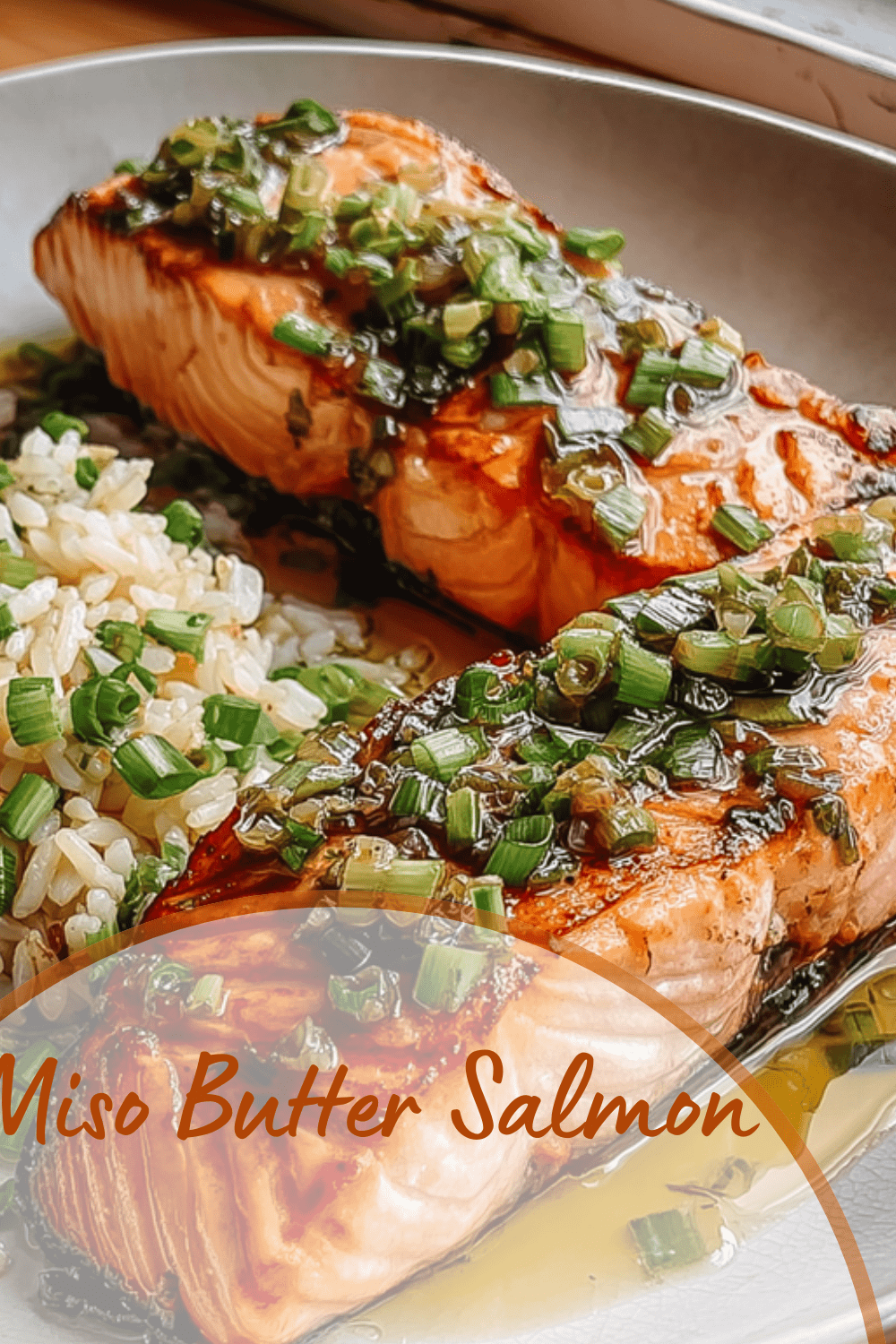
Why You’ll Love This Miso Butter Salmon
Miso butter salmon is a delightful dish that perfectly balances sweet and savory flavors, creating an unforgettable dining experience. When you take your first bite, you’ll fall in love with how the rich umami taste of miso paste combines with creamy butter to create a luxurious coating that caramelizes beautifully during cooking.
The ease of preparation makes this miso butter salmon recipe remarkably simple to make, with a quick cooking time that fits perfectly into busy schedules. The method involves minimal steps and straightforward ingredients, making it accessible for both novice and experienced cooks. You’ll spend just minutes preparing this dish before letting the oven or air fryer do the work.
This restaurant-quality dish comes together in under 40 minutes, making it perfect for both weeknight dinners and special occasions when you want to impress without spending hours in the kitchen.
Beyond its incredible taste, this dish offers impressive health benefits. Rich in omega-3 fatty acids and essential nutrients, miso butter salmon supports heart health and boosts immunity. The combination of salmon and miso paste offers a nutritious, wellness-enhancing meal that’s both delicious and guilt-free. According to Healthline, regular consumption of salmon may help reduce the risk of several chronic conditions, including heart disease.
What really makes this recipe special is its versatility. This dish adapts effortlessly to various dietary needs, including gluten-free and low-calorie diets. By swapping ingredients or adjusting portions, it can cater to a wide range of nutritional preferences without sacrificing flavor. You’ll appreciate how easily you can modify miso butter salmon to suit your specific dietary requirements.
The distinctive flavor profile sets this dish apart from typical seafood recipes. The unique blend of savory miso and rich butter infuses the salmon with a deep umami taste that stands out. This distinctive flavor ensures a memorable dining experience every time you prepare it. As research suggests, miso not only adds flavor but also provides beneficial probiotics and antioxidants.
Essential Ingredients for Miso Butter Salmon
The magic of miso butter salmon lies in its carefully selected ingredients, each contributing its unique character to the final dish. When you use high-quality components, you ensure that every bite delivers maximum flavor and nutritional value.
Required Ingredients
Here’s everything you’ll need to create this sensational dish:
- Salmon: Four 6 oz fillets (skin-on or skinless)
- Unsalted butter: 6 tablespoons (softened)
- White miso paste: 3 tablespoons
- Brown sugar: 1 tablespoon (light or dark)
- Fresh ginger: 2 teaspoons (grated)
- Garlic: 1-2 cloves (minced)
- Green onions: 2 tablespoons (thinly sliced)
Ingredient Spotlight: Understanding Key Components
Salmon serves as the star of this dish, providing a firm yet tender texture that perfectly absorbs the miso butter mixture. Opt for high-quality, wild-caught salmon if possible, as it generally contains more omega-3 fatty acids and has a richer flavor than farm-raised varieties. Keeping the skin on helps retain moisture during cooking and becomes wonderfully crispy when prepared properly.
White miso paste offers a mellow, slightly sweet flavor that’s perfect for this recipe. It’s made from fermented soybeans and rice, creating a complex umami flavor profile without being overly strong. If you want a more intense taste, red miso can be substituted, though it will significantly change the character of the dish.
The butter serves multiple purposes: it adds richness, helps carry the flavors from the miso and aromatics, and contributes to the beautifully caramelized finish. Using unsalted butter allows you to control the salt content more precisely, especially important when savory miso paste is already contributing significant saltiness.
Special Dietary Options
If you need to adapt this recipe for specific dietary requirements, consider these options:
| Dietary Need | Substitution | Notes |
|---|---|---|
| Vegan | Use firm tofu or tempeh instead of salmon | Substitute butter with plant-based margarines; increase cooking time slightly |
| Gluten-free | Ensure miso paste is certified gluten-free | Most white miso is naturally gluten-free, but always check labels |
| Low-calorie | Reduce butter quantity by half | Add a splash of water or rice vinegar to maintain moisture |
| Low-sodium | Use salt-free butter or reduce miso paste | Compensate with additional aromatics like ginger and garlic |
How to Prepare the Perfect Miso Butter Salmon: Step-by-Step Guide
Creating the perfect miso butter salmon is simpler than you might think. With these detailed instructions, you’ll be able to achieve restaurant-quality results in your own kitchen. The entire process takes approximately 39 minutes from start to finish, including preparation and cooking time.
Prepare the Miso Butter Compound
In a medium bowl, combine 6 tablespoons softened unsalted butter, 3 tablespoons white miso paste, 1 tablespoon brown sugar, 2 teaspoons grated fresh ginger, 1-2 cloves minced garlic, and 2 tablespoons thinly sliced green onions. Mash with a fork until thoroughly mixed and completely combined. The mixture should be smooth with small pieces of visible aromatics.
The miso butter can be prepared ahead and stored refrigerated for up to 5 days. When ready to use, let it soften at room temperature for about 15-20 minutes to make it easier to spread over the salmon.
Prepare and Coat the Salmon
Take your four 6 oz salmon fillets and pat them dry with paper towels. This step ensures that the miso butter will adhere properly and promotes better browning during cooking. Let the salmon sit at room temperature for about 15 minutes before proceeding, which helps it cook more evenly.
Divide the miso butter evenly over the surface of each salmon fillet, spreading to cover completely. If your fillets have skin, place them skin-side down on your baking sheet or air fryer basket. The butter will melt during cooking, infusing the fish with flavor and creating a delicious glaze.
Choose Your Cooking Method
This recipe offers two convenient cooking methods, both yielding excellent results with slightly different textures. The choice between oven and air fryer depends on your equipment and personal preference.
Oven Method
- Preheat oven to 375°F (190°C).
- Place salmon in a baking dish or oven-safe skillet.
- Bake for 12-15 minutes until the salmon is opaque and nearly cooked through.
- Finish by broiling on high for 1-2 minutes to caramelize the top, watching closely to prevent burning.
Air Fryer Method
- Preheat air fryer to 400°F (200°C).
- Line the basket with parchment paper or foil for easy cleanup.
- Place salmon fillets in the basket without overcrowding.
- Cook for 9-10 minutes without turning the fish.
The air fryer method produces a slightly more caramelized exterior in less time, while the oven method offers more space if you’re cooking multiple fillets or larger quantities. Both methods yield tender, flaky salmon with a flavorful miso butter crust.
Final Touches and Serving
Once cooked, immediately transfer the salmon to a serving platter using a spatula. Be gentle, as the fish will be delicate and flaky. Drizzle with any remaining miso butter from the pan.
Garnish with additional thinly sliced green onions and a sprinkle of sesame seeds for color and texture contrast. Serve immediately with steamed rice and vegetables for a complete meal. If you’re looking for the perfect beverage to pair with this dish, try our refreshing Brazilian Lemonade Recipe for a delightful contrast to the rich salmon.
The combination of the sweet and savory salmon with light, fluffy rice creates a satisfying meal that will please even the pickiest eaters. The slight char on the exterior of the fish provides textural contrast to the flaky interior, making every bite interesting and enjoyable.

Dietary Substitutions to Customize Your Miso Butter Salmon
One of the best features of this miso butter salmon recipe is its adaptability. Whether you’re following specific dietary guidelines or simply want to experiment with different flavors, these substitutions will help you customize the dish to your liking while maintaining its essential character.
Protein and Main Component Alternatives
If you’re not a fan of salmon or simply want to switch things up, consider these alternatives:
- Replace salmon with firm tofu or tempeh for a vegan option. These plant-based proteins absorb the miso butter flavor beautifully.
- Try cod as a fish alternative for a milder flavor and flakier texture that still works well with the rich miso butter.
- Halibut makes an excellent substitute, offering a meatier texture that stands up well to the bold flavors of the miso butter.
- Chicken thighs or breasts can be used in a pinch, though you’ll need to adjust cooking times significantly.
Vegetable, Sauce, and Seasoning Modifications
The miso butter sauce itself can be modified to suit your taste preferences or dietary needs:
- For a dairy-free version, replace butter with equal parts coconut oil or your favorite plant-based butter alternative.
- Add a tablespoon of rice vinegar or mirin to the miso butter for additional depth and a touch of acidity.
- Incorporate a teaspoon of sriracha or chili flakes for a spicy kick that balances the sweetness of the miso butter.
- For a nutty flavor boost, add a teaspoon of toasted sesame oil to the butter mixture.
- If miso paste is unavailable, you can substitute with a mixture of soy sauce and a small amount of tahini, though the flavor profile will change.
These substitutions allow the recipe to cater to different dietary needs and preferences while retaining the distinctive miso butter flavor that makes this dish so special. Don’t be afraid to experiment and find the combination that works best for your palate and dietary requirements.
Mastering Miso Butter Salmon: Advanced Tips and Variations
Once you’ve mastered the basic preparation of miso butter salmon, you might want to take your skills to the next level. These advanced techniques and creative variations will help you customize the dish further and develop your cooking prowess.
Pro Cooking Techniques
For consistently perfect results, consider these professional methods:
- Use a meat thermometer to ensure salmon reaches 125°F (52°C) for medium-rare, which is the ideal temperature for moist and tender fish.
- Try sous vide cooking by vacuum-sealing the salmon with the miso butter and cooking at 122°F (50°C) for 30 minutes, then finishing under the broiler for a caramelized crust.
- For a restaurant-quality sear, start with a very hot cast-iron skillet, cook the salmon skin-side down for 2-3 minutes until crispy, then flip and transfer to a preheated oven to finish cooking.
- When broiling, position the oven rack about 6 inches from the heat source to ensure even caramelization without burning.
The key to perfectly cooked salmon is removing it from the heat just before it’s completely done. The residual heat will continue cooking the fish for another minute or two after it’s removed from the oven or air fryer.
Flavor Variations to Explore
The basic miso butter recipe can be customized in countless ways to create new taste experiences:
| Variation | Ingredients to Add | Flavor Profile |
|---|---|---|
| Citrus Miso | Add 2 tsp orange or yuzu zest | Bright, tangy, and refreshing |
| Herbal Miso | Mix in 1 tbsp chopped dill or cilantro | Fresh and herbaceous |
| Spicy Miso | Incorporate 1 tsp gochujang or togarashi | Warm with a lingering heat |
| Savory Miso | Add 1 tbsp finely chopped mushrooms | Deep, earthy, and complex |
Presentation Tips
How you plate your miso butter salmon can elevate the dining experience:
- Serve fillets on a bed of steamed rice with vegetables strategically placed for color contrast.
- Add a sprinkle of black sesame seeds in addition to white ones for visual interest.
- Drizzle the plate lightly with a reduction of soy sauce and mirin for extra flavor and an elegant look.
- Consider using Japanese-inspired tableware for an authentic presentation that complements the flavors.
Make-Ahead Options
For busy weeknights or entertaining, these preparation strategies can save you time:
- Prepare the miso butter up to 5 days in advance and store it in the refrigerator.
- Portion and freeze uncooked salmon fillets with miso butter; when ready to cook, simply thaw and cook as directed.
- Miso butter also freezes beautifully form it into a log using parchment paper and slice as needed.
- For dinner parties, mise en place all ingredients beforehand so you can focus on cooking and hosting.
How to Store Miso Butter Salmon: Best Practices
Properly storing your miso butter salmon ensures you can enjoy any leftovers safely and maintain the best possible quality. Follow these guidelines to make the most of your delicious creation.
Refrigeration Guidelines
To store your leftover miso butter salmon in the refrigerator:
- Allow the salmon to cool to room temperature for no more than 2 hours after cooking.
- Place the fish in an airtight container or wrap it tightly with aluminum foil or plastic wrap.
- Refrigerate promptly and consume within 2-3 days for optimal freshness and food safety.
- When ready to eat, reheat gently to maintain texture and moisture.
Freezing Instructions
For longer storage, freezing is an excellent option:
- Wrap individual salmon fillets tightly in plastic wrap, removing as much air as possible.
- Place the wrapped fillets in a freezer bag or airtight container designed for freezing.
- Label with the date and contents for easy identification later.
- Store in the freezer for up to 1 month for the best quality.
- Thaw overnight in the refrigerator before reheating.
Reheating Methods
Reheating your stored salmon properly is crucial for maintaining its quality:
- Oven method: Preheat to 275°F (135°C), place salmon in a baking dish with a splash of water or broth, and heat for 10-15 minutes until warmed through.
- Sous vide method (for the best results): Reheat in a water bath at 120°F (49°C) for 30 minutes.
- Cold preparations: The salmon works wonderfully in salads or sushi bowls without reheating, preserving its texture.
- Avoid microwave reheating when possible, as it tends to unevenly cook and can dry out the salmon.
FAQs: Frequently Asked Questions About Miso Butter Salmon
Where can I buy miso paste for making miso butter salmon?
How do you make miso butter for salmon at home?
What side dishes pair well with miso butter salmon?
Can miso butter salmon be prepared ahead of time?
Are there any health benefits to cooking with miso butter on salmon?
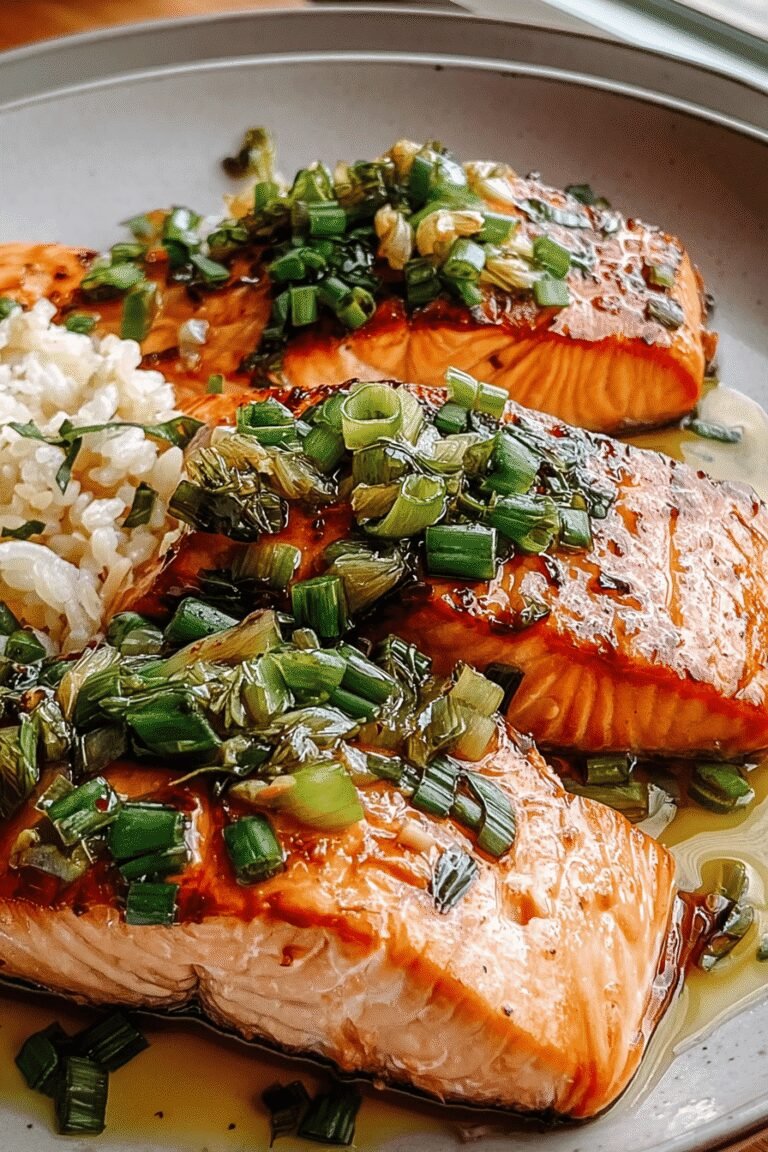
Miso Butter Salmon
🐟 Enjoy a rich and flavorful dinner with tender salmon glazed in a savory miso butter sauce.
🍽️ This recipe is simple yet elegant, blending sweet and umami notes for a perfectly balanced meal.
- Total Time: 39 minutes
- Yield: 4 servings
Ingredients
– Four 6 oz salmon fillets (skin-on or skinless)
– 6 tablespoons unsalted butter (softened)
– 3 tablespoons white miso paste
– 1 tablespoon brown sugar (light or dark)
– 2 teaspoons fresh ginger (grated)
– 1-2 cloves garlic (minced)
– 2 tablespoons green onions (thinly sliced)
Instructions
1-Prepare the Miso Butter Compound: In a medium bowl, combine 6 tablespoons softened unsalted butter, 3 tablespoons white miso paste, 1 tablespoon brown sugar, 2 teaspoons grated fresh ginger, 1-2 cloves minced garlic, and 2 tablespoons thinly sliced green onions. Mash with a fork until thoroughly mixed and completely combined. The mixture should be smooth with small pieces of visible aromatics.
2-Prepare and Coat the Salmon: Take your four 6 oz salmon fillets and pat them dry with paper towels. This step ensures that the miso butter will adhere properly and promotes better browning during cooking. Let the salmon sit at room temperature for about 15 minutes before proceeding, which helps it cook more evenly.
Divide the miso butter evenly over the surface of each salmon fillet, spreading to cover completely. If your fillets have skin, place them skin-side down on your baking sheet or air fryer basket. The butter will melt during cooking, infusing the fish with flavor and creating a delicious glaze.
3-Choose Your Cooking Method: This recipe offers two convenient cooking methods, both yielding excellent results with slightly different textures. The choice between oven and air fryer depends on your equipment and personal preference.
4-Oven Method:
1. Preheat oven to 375°F (190°C).
2. Place salmon in a baking dish or oven-safe skillet.
3. Bake for 12-15 minutes until the salmon is opaque and nearly cooked through.
4. Finish by broiling on high for 1-2 minutes to caramelize the top, watching closely to prevent burning.
5-Air Fryer Method:
1. Preheat air fryer to 400°F (200°C).
2. Line the basket with parchment paper or foil for easy cleanup.
3. Place salmon fillets in the basket without overcrowding.
4. Cook for 9-10 minutes without turning the fish.
6-Final Touches and Serving: Once cooked, immediately transfer the salmon to a serving platter using a spatula. Be gentle, as the fish will be delicate and flaky. Drizzle with any remaining miso butter from the pan.
Garnish with additional thinly sliced green onions and a sprinkle of sesame seeds for color and texture contrast. Serve immediately with steamed rice and vegetables for a complete meal. If you’re looking for the perfect beverage to pair with this dish, try our refreshing Brazilian Lemonade Recipe for a delightful contrast to the rich salmon.
Last Step:
Please leave a rating and comment letting us know how you liked this recipe! This helps our business to thrive and continue providing free, high-quality recipes for you.Notes
🐠 Use high-quality, wild-caught salmon for best flavor.
🧂 Keeping the skin on helps retain moisture during cooking.
🥄 Prepare miso butter ahead and refrigerate up to 5 days; soften before use.
- Prep Time: 15 minutes
- Cook Time: 15 minutes
- Category: Main Dish
- Method: Baking or Air Frying
- Cuisine: Japanese
Nutrition
- Serving Size: 1 fillet
- Calories: 431 kcal
- Sugar: 4 g
- Sodium: 554 mg
- Fat: 29 g
- Saturated Fat: 13 g
- Unsaturated Fat: 13 g
- Trans Fat: 1 g
- Carbohydrates: 7 g
- Fiber: 1 g
- Protein: 36 g
- Cholesterol: 139 mg