
Why You’ll Love This Pumpkin Bread
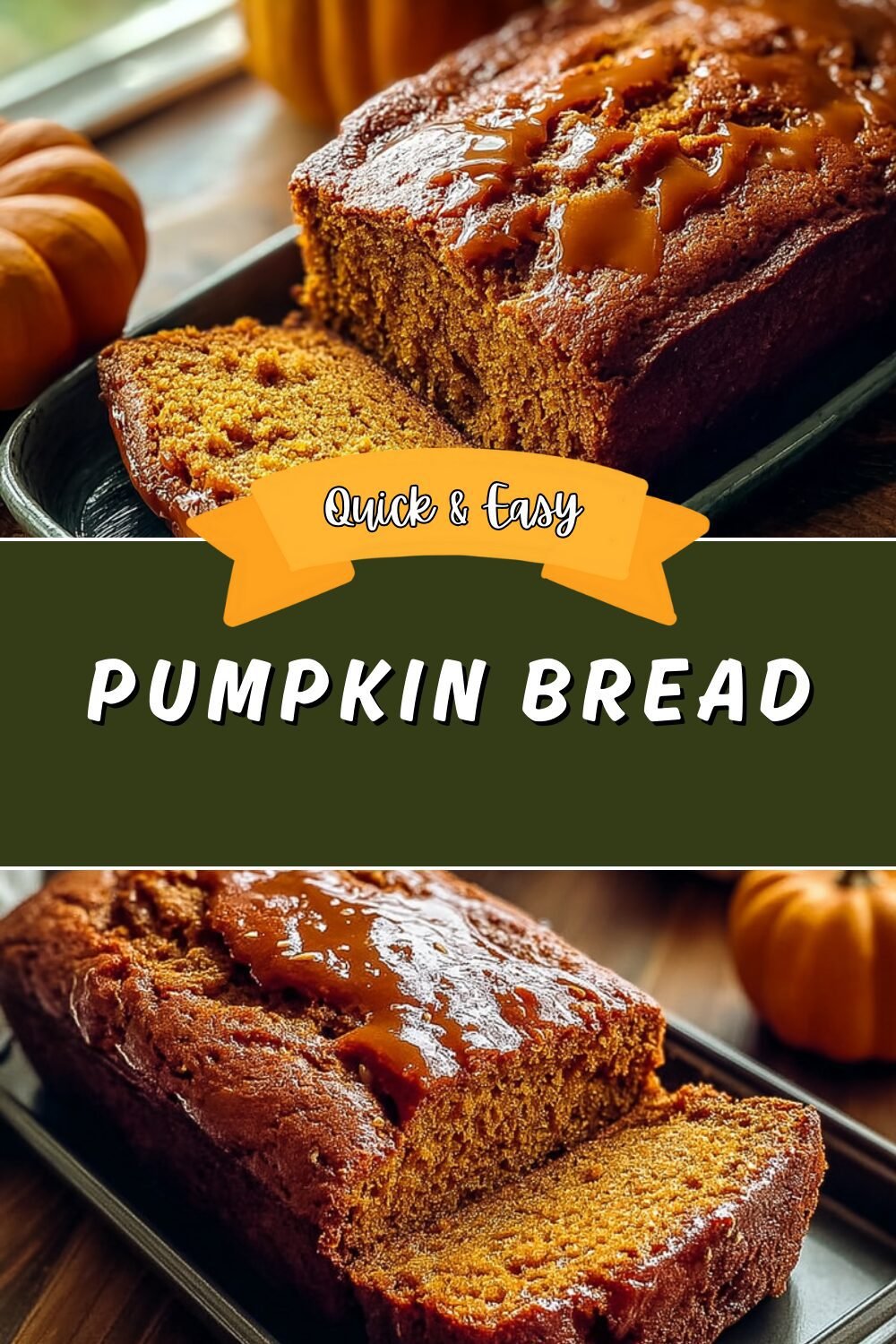
Pumpkin bread is a timeless favorite that brings comfort to any kitchen, especially during cooler months when the flavors of fall shine through. This recipe stands out for its straightforward approach, delivering moist, spiced slices that feel like a warm hug in loaf form. Let’s dive into what makes this pumpkin bread recipe so appealing to home cooks and baking enthusiasts alike.
- Ease of preparation: One of the best things about this pumpkin bread is how simple it is to whip up, even if you’re short on time. With just 20 minutes of prep and about 65 minutes of baking, you can have two fresh loaves ready without needing advanced skills or fancy tools. This makes it perfect for busy parents, students, or working professionals looking for a quick yet rewarding bake.
- Health benefits: Packed with nutrients from pumpkin, this pumpkin bread offers fiber and vitamins that support daily wellness. Each slice provides around 1 gram of fiber and essential nutrients like vitamin A, which can aid digestion and immune health. Options for lighter versions, such as using whole-grain flour, appeal to diet-conscious individuals seeking a treat that’s both tasty and nourishing.
- Versatility: This pumpkin bread recipe adapts easily to various needs, making it ideal for different lifestyles. You can tweak it for vegan or gluten-free diets by swapping ingredients, or add mix-ins like nuts for extra texture. Baking enthusiasts and party hosts will love how it fits family gatherings or quick snacks, proving flexible for travelers and newlyweds too.
- Distinctive flavor: The blend of spices like cinnamon, nutmeg, and cloves gives this pumpkin bread its depth and warmth, creating a balance of sweet and earthy notes. The pumpkin adds a creamy texture that contrasts with the loaf’s tender crumb, making every bite feel special. It’s no wonder food enthusiasts keep coming back to recipes like this for that signature pumpkin quick bread taste.
Overall, this pumpkin bread recipe combines ease, health perks, adaptability, and flavor in a way that enhances any meal. Whether you’re enjoying it fresh or trying new variations, it’s a staple that brings people together.
Essential Ingredients for Pumpkin Bread
Gathering the right ingredients is key to making delicious pumpkin bread that captures all the warmth and flavor you’re after. This section breaks down each item with its precise measurements and why it matters, helping you build the perfect loaf. We’ll use a classic recipe that yields two loaves, ensuring you have plenty to share or freeze.
- 2 cups all-purpose flour, spooned into measuring cup and leveled-off: Provides the structure and base for the loaf, helping it hold its shape without being too dense.
- ½ teaspoon salt: Balances the sweetness and enhances the overall flavor of the pumpkin bread.
- 1 teaspoon baking soda: Acts as a leavening agent to help the bread rise and achieve a light texture.
- ½ teaspoon baking powder: Works with baking soda to add extra lift and ensure the loaf bakes evenly.
- 1 teaspoon ground cloves: Adds a warm, spicy note that complements the pumpkin’s natural sweetness.
- 1 teaspoon ground cinnamon: Brings a familiar autumn spice that defines the flavor of spiced pumpkin cake.
- 1 teaspoon ground nutmeg: Contributes a nutty warmth that rounds out the spice profile in your pumpkin loaf.
- 1½ sticks (¾ cup) unsalted butter, softened: Offers richness and tenderness, allowing the batter to cream properly for a fluffy result.
- 2 cups sugar: Provides sweetness and helps with browning, giving the crust a delightful golden finish.
- 2 large eggs: Serves as a binding agent and adds lift, contributing to the bread’s moist and airy texture.
- 1 (15-oz) can 100% pure pumpkin: Supplies moisture, fiber, and the main flavor that makes this pumpkin bread recipes so special.
For special dietary options, consider these swaps to customize your pumpkin bread:
- Autumn smoothie recipes on our site might inspire vegan adaptations: Use flax or chia egg (1 tbsp ground seed mixed with 3 tbsp water per egg) for binding in vegan baking.
- Gluten-free: Opt for a gluten-free flour blend (equal amount to all-purpose flour) and add 1 teaspoon xanthan gum if not included, to maintain structure in your pumpkin quick bread.
- Low-calorie: Swap sugar with a lighter sweetener like stevia (adjust to taste) or replace half the butter with applesauce for reduced fat without losing moisture.
How to Prepare the Perfect Pumpkin Bread: Step-by-Step Guide
Getting ready to bake pumpkin bread is an exciting process that anyone can master with these clear steps. This guide uses a classic recipe to create two moist loaves, incorporating precise timings and temperatures for the best results. We’ll also cover adaptations for different dietary needs to make your pumpkin bread versatile and delicious.
First Step: Preheat and Prepare Your Pans
Start by preheating your oven to 325°F and adjusting the rack to the middle position for even baking. Generously grease two 8 x 4-inch loaf pans with butter and dust them with flour, or use a baking spray with flour to prevent sticking. This step takes about 5 minutes and ensures your loaves release easily after baking, which is crucial for a clean finish on your pumpkin bread.
Second Step: Mix the Dry Ingredients
In a medium bowl, combine 2 cups all-purpose flour, ½ teaspoon salt, 1 teaspoon baking soda, ½ teaspoon baking powder, 1 teaspoon ground cloves, 1 teaspoon ground cinnamon, and 1 teaspoon ground nutmeg. Whisk these together well and set the bowl aside this usually takes 2 minutes and allows the spices to blend evenly for that signature pumpkin bread flavor. For gluten-free versions, swap the flour for a gluten-free blend and add xanthan gum as needed to keep the batter from becoming too dense.
Third Step: Cream the Wet Ingredients
In a large bowl, use an electric mixer to beat 1½ sticks (¾ cup) softened unsalted butter and 2 cups sugar on medium speed until just blended, about 1-2 minutes. Add the 2 large eggs one at a time, beating well after each addition until the mixture is light and fluffy, which might take another 2 minutes. Then, beat in the 15-oz can of pure pumpkin; it’s normal if the mixture looks grainy at this point. For vegan adaptations, replace eggs with flax eggs and use vegan butter to keep the texture rich and tender.
Fourth Step: Combine Wet and Dry Mixtures
Now, add the dry ingredients to the wet mixture and mix on low speed until just combined, about 1 minute to avoid overmixing and keep the bread light. Pour the batter evenly into the prepared pans, filling them about two-thirds full for proper rising. If making a low-calorie version, reduce oil or butter swaps here, like using applesauce, and note that baking times may increase slightly for denser batters.
Fifth Step: Bake the Loaves
Bake the loaves for 65 to 75 minutes, or until a cake tester inserted in the center comes out clean check around the 60-minute mark to prevent overbrowning. The internal temperature should reach about 200°F for doneness. For high-altitude or denser gluten-free batters, you might need to extend the bake time by 5-10 minutes and lower the oven temperature slightly to ensure even cooking.
Sixth Step: Cool and Serve
Let the loaves cool in the pans for about 10 minutes, then transfer them to a wire rack to cool completely, which takes around 1 hour. Once cooled, slice and enjoy; for the best texture, toast slices the day after baking. Adaptations like lower-sugar adjustments can be checked by tasting the batter, and always adjust bake times if using substitutes that affect moisture, such as in vegan or low-fat versions.

Dietary Substitutions to Customize Your Pumpkin Bread
Protein and Main Component Alternatives
Customizing pumpkin bread for different diets starts with swapping key proteins and structure builders. For eggs, try a flax or chia egg (1 tbsp ground seed plus 3 tbsp water per egg) to keep things vegan while maintaining binding. Swap dairy milk with almond or oat milk, noting that higher-fat options improve the crumb in your pumpkin loaf variations.
Butter can be replaced with neutral oil or vegan margarine in a 1:1 ratio, but use solidified coconut oil for better creaming. For wheat flour, use gluten-free blends with binding agents like xanthan gum, and adjust quantities slightly for moisture denser substitutes might need extra liquid and longer bake times.
Vegetable, Sauce, and Seasoning Modifications
Enhance your pumpkin bread by varying the veggies and seasonings for seasonal flair. Blend pumpkin with sweet potato or carrot puree in a 1:1 ratio to change moisture levels and add nutrients, which could slightly alter baking time. Add applesauce for extra sweetness and moisture in low-fat versions, or incorporate citrus zest for a bright twist that pairs well with spices.
Spice swaps like using pumpkin pie spice instead of individual ones can simplify prep, while omitting nuts for allergies keeps it safe fruit purees can add texture without fat. These changes might make the loaf denser, so check for doneness a few minutes earlier, especially in gluten-free or vegan adaptations.
Mastering Pumpkin Bread: Advanced Tips and Variations
Taking your pumpkin bread to the next level involves smart techniques and fun twists. Try folding the batter gently to avoid overmixing, which keeps the texture light rest the batter for 10 minutes before baking for even better results. Use a thermometer to check internal temperature and tent with foil if the top browns too fast, adjusting for humid kitchens by reducing bake time slightly.
For flavor variations, experiment with brown butter for a nutty depth or add a maple and toasted pecan swirl for extra indulgence. Presentation ideas include glazing with cream cheese or drizzling maple, and garnishing with seeds for a polished look perfect for gifting or serving at parties.
Make-ahead options are a game-changer; par-bake loaves and finish later, or freeze batter for up to a month. Storing sliced portions in airtight bags helps with meal prep, and reheating in a low oven retains moisture for fresh-tasting pumpkin bread every time.
How to Store Pumpkin Bread: Best Practices
Proper storage keeps your pumpkin bread fresh and flavorful for days. For short-term needs, wrap it tightly or use an airtight container at room temperature for up to 3 days refrigerate for 5-7 days if it includes fresh ingredients, but let it warm up before serving to avoid condensation.
Freezing works great for longer storage; wrap whole loaves or slices in plastic wrap and foil, then freeze for up to 3 months. Thaw overnight in the fridge and refresh in a 300°F oven for 8-12 minutes to maintain quality.
For meal prep, portion into bags for easy grab-and-go, and consider vacuum-sealing for gifting these methods ensure your pumpkin bread stays moist and ready whenever you need it.
FAQs: Frequently Asked Questions About Pumpkin Bread
Can I add nuts or dried fruit to pumpkin bread without changing the recipe?
Is it better to use oil or butter in pumpkin bread recipes?
How should pumpkin puree be prepared for pumpkin bread?
Can I make pumpkin bread gluten-free?
What’s the best way to store pumpkin bread to keep it fresh?
Pumpkin Bread
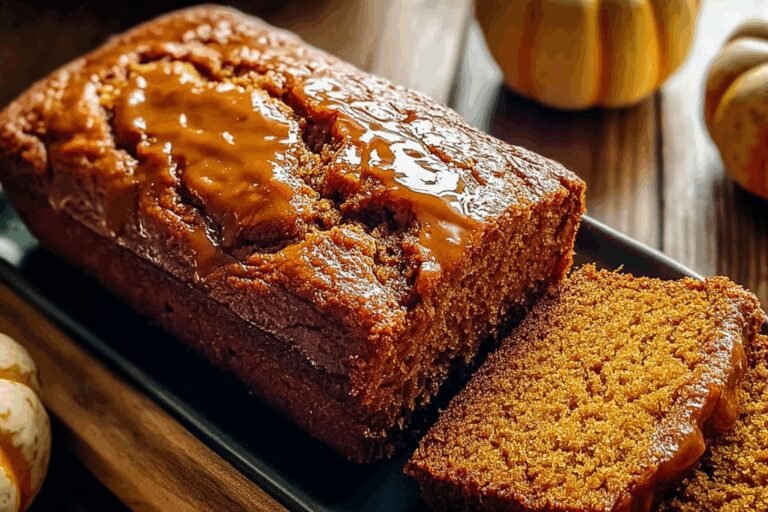
🎃 These Pumpkin Bread Recipes bring warmth and seasonal flavor to your kitchen, perfect for cozy mornings or afternoons.
🍞 The moist, spiced bread is easy to make and yields delightful loaves that freeze well for future enjoyment.
- Total Time: 1 hour 30 minutes
- Yield: 2 loaves (about 24 slices) 1x
Ingredients
2 cups all-purpose flour Provides the structure and base for the loaf, helping it hold its shape without being too dense.
½ teaspoon salt Balances the sweetness and enhances the overall flavor of the pumpkin bread.
1 teaspoon baking soda Acts as a leavening agent to help the bread rise and achieve a light texture.
½ teaspoon baking powder Works with baking soda to add extra lift and ensure the loaf bakes evenly.
1 teaspoon ground cloves Adds a warm, spicy note that complements the pumpkin’s natural sweetness.
1 teaspoon ground cinnamon Brings a familiar autumn spice that defines the flavor of spiced pumpkin cake.
1 teaspoon ground nutmeg Contributes a nutty warmth that rounds out the spice profile in your pumpkin loaf.
1½ sticks (¾ cup) unsalted butter, softened Offers richness and tenderness, allowing the batter to cream properly for a fluffy result.
2 cups sugar Provides sweetness and helps with browning, giving the crust a delightful golden finish.
2 large eggs Serves as a binding agent and adds lift, contributing to the bread’s moist and airy texture.
1 (15-oz) can 100% pure pumpkin Supplies moisture, fiber, and the main flavor that makes this pumpkin bread recipes so special.
Instructions
1-First Step: Preheat and Prepare Your Pans Start by preheating your oven to 325°F and adjusting the rack to the middle position for even baking. Generously grease two 8 x 4-inch loaf pans with butter and dust them with flour, or use a baking spray with flour to prevent sticking. This step takes about 5 minutes and ensures your loaves release easily after baking, which is crucial for a clean finish on your pumpkin bread.
2-Second Step: Mix the Dry Ingredients In a medium bowl, combine 2 cups all-purpose flour, ½ teaspoon salt, 1 teaspoon baking soda, ½ teaspoon baking powder, 1 teaspoon ground cloves, 1 teaspoon ground cinnamon, and 1 teaspoon ground nutmeg. Whisk these together well and set the bowl aside this usually takes 2 minutes and allows the spices to blend evenly for that signature pumpkin bread flavor. For gluten-free versions, swap the flour for a gluten-free blend and add xanthan gum as needed to keep the batter from becoming too dense.
3-Third Step: Cream the Wet Ingredients In a large bowl, use an electric mixer to beat 1½ sticks (¾ cup) softened unsalted butter and 2 cups sugar on medium speed until just blended, about 1-2 minutes. Add the 2 large eggs one at a time, beating well after each addition until the mixture is light and fluffy, which might take another 2 minutes. Then, beat in the 15-oz can of pure pumpkin; it’s normal if the mixture looks grainy at this point. For vegan adaptations, replace eggs with flax eggs and use vegan butter to keep the texture rich and tender.
4-Fourth Step: Combine Wet and Dry Mixtures Now, add the dry ingredients to the wet mixture and mix on low speed until just combined, about 1 minute to avoid overmixing and keep the bread light. Pour the batter evenly into the prepared pans, filling them about two-thirds full for proper rising. If making a low-calorie version, reduce oil or butter swaps here, like using applesauce, and note that baking times may increase slightly for denser batters.
5-Fifth Step: Bake the Loaves Bake the loaves for 65 to 75 minutes, or until a cake tester inserted in the center comes out clean check around the 60-minute mark to prevent overbrowning. The internal temperature should reach about 200°F for doneness. For high-altitude or denser gluten-free batters, you might need to extend the bake time by 5-10 minutes and lower the oven temperature slightly to ensure even cooking.
6-Sixth Step: Cool and Serve Let the loaves cool in the pans for about 10 minutes, then transfer them to a wire rack to cool completely, which takes around 1 hour. Once cooled, slice and enjoy; for the best texture, toast slices the day after baking. Adaptations like lower-sugar adjustments can be checked by tasting the batter, and always adjust bake times if using substitutes that affect moisture, such as in vegan or low-fat versions.
Last Step:
Please leave a rating and comment letting us know how you liked this recipe! This helps our business to thrive and continue providing free, high-quality recipes for you.Notes
🧈 Use softened unsalted butter to cream properly with sugar.
🎃 Don’t worry if mixture looks curdled after adding pumpkin; it’s normal.
❄️ Loaves freeze well for up to 3 months wrapped tightly and thawed before serving.
- Prep Time: 20 minutes
- Cook Time: 65 minutes
- Category: Baking
- Method: Mixing, Baking
- Cuisine: American
Nutrition
- Serving Size: 1 slice
- Calories: 166
- Sugar: 17g
- Sodium: 117mg
- Fat: 6g
- Saturated Fat: 4g
- Carbohydrates: 26g
- Fiber: 1g
- Protein: 2g
- Cholesterol: 31mg