

Why You’ll Love These Refrigerator Dill Pickles
If you want a quick homemade pickle that tastes fresh, crisp, and bright, Refrigerator Dill Pickles are a total win. They come together fast, they do not need canning, and they fit right into busy weeknights, school lunches, and snack cravings. What’s not to love about a jar of tangy pickles ready in your fridge?
- Easy to make: This recipe takes just 15 minutes of hands-on time, with no water bath canning or special equipment needed. A saucepan, mason jars, and a fridge are all you need.
- Good for light eating: Each serving is low in calories and brings a crunchy, flavorful bite with only 26 calories per serving. That makes them a smart snack for people watching portions.
- Very flexible: You can use pickling cucumbers, Persian cucumbers, or even regular cucumbers if that is what you have on hand. You can also add other vegetables like carrots, cauliflower, asparagus, or green beans.
- Bold flavor: Fresh dill, smashed garlic, peppercorns, and a simple vinegar brine give these pickles that classic deli-style taste. They get better after a few days in the fridge, which makes them great for planning ahead.
These pickles are the kind of recipe that makes you feel like a kitchen hero, even if it is your first time making homemade pickles.
They also pair beautifully with sandwiches, burgers, rice bowls, and picnic plates. If you like make-ahead sides, this recipe fits right in with other easy meal prep favorites. For more cozy recipes that work well alongside simple homemade sides, you might also like this comforting Brunswick stew or this hearty cowboy cornbread casserole.
Essential Ingredients for Refrigerator Dill Pickles
Here is the full ingredient list for this quick pickles recipe. Every item matters, and each one helps build crunch, flavor, and that classic dill pickle taste.
- 12 pickling cucumbers (quantity can vary depending on size) – These give you the best crunch and hold up well in the brine.
- 4 cups water – This softens the vinegar a little and helps create the pickle brine.
- 2 cups white vinegar – This brings the tang and acidic bite that makes refrigerator dill pickles taste so lively.
- 2 tablespoons kosher salt – Salt adds flavor and helps the cucumbers pickle properly.
- 1 teaspoon sugar – Just a little sugar balances the sharp vinegar flavor.
- 1 bunch fresh dill (amount can vary based on preference, thick stems removed) – Fresh dill gives the pickles their signature herbal flavor.
- 1 head garlic (skins removed, cloves smashed) – Garlic adds bold savory notes and makes the brine more flavorful.
- 1 tablespoon peppercorn kernels – Peppercorns add gentle spice and extra aroma.
Special dietary options
- Vegan: This recipe is naturally vegan because it uses only vegetables, herbs, vinegar, salt, and sugar.
- Gluten-free: The ingredients are naturally gluten-free as written.
- Low-calorie: Stick with the core ingredients and skip extra sugar if you want an even lighter batch. You can also add more cucumber and less brine for smaller portions.
If you want to read more about the benefits of pickles and cucumbers, this is a helpful outside resource from Cleveland Clinic on the surprising health benefits of pickles.
How to Prepare the Perfect Refrigerator Dill Pickles: Step-by-Step Guide
First Step: Wash and slice the cucumbers
Start by washing the cucumbers thoroughly under cool running water. This removes dirt and any residue from the skin. Then slice them into 1/4-inch thick rounds or cut them into spears, depending on how you like to eat your pickles.
If you want faster flavor absorption, slicing is the best move. Whole cucumbers can be used too, but they need more time in the brine and may not taste as bold right away. For the crunchiest results, pickling cucumbers are the top choice, but Persian cucumbers or regular cucumbers can work if that is what is available.
Second Step: Prep the garlic and dill
Remove the skins from the garlic cloves and smash them gently with the flat side of a knife. You do not need to mince them. Smashing helps release flavor without making the garlic too intense in one spot. Next, pull the fresh dill from the thick stems and keep the tender fronds.
This is a good moment to adjust the herb amount to taste. If you love dill, use a generous handful. If you want a lighter herbal note, a smaller bunch still works well. The same goes for garlic. More garlic means a stronger, punchier pickle.
Third Step: Sanitize the mason jars
Clean jars are important anytime you are making refrigerator pickles. Wash your mason jars and lids with hot soapy water, then rinse well. If you want an extra layer of care, sanitize them using your preferred method and let them air dry.
Using clean jars helps keep the pickles fresh in the refrigerator and lowers the chance of unwanted bacteria. This is especially helpful if you plan to store the pickles for several weeks.
Fourth Step: Make the brine
Grab a saucepan and combine 4 cups water, 2 cups white vinegar, 2 tablespoons kosher salt, and 1 teaspoon sugar. Place the pan over medium heat and bring it to a boil just long enough to dissolve the salt and sugar. Stir if needed so everything blends well.
Once dissolved, remove the brine from the heat and let it cool to room temperature. This matters because hot brine can soften the cucumbers too quickly. A cooled brine helps the pickles keep more of their crunch.
For the best texture, always let the brine cool before pouring it over the cucumbers.
Fifth Step: Pack the jars
Layer the sliced cucumbers in the jars with the fresh dill, smashed garlic, and peppercorn kernels. Do not pack the jars too tightly. The brine needs to flow around the cucumbers so every piece gets seasoned evenly.
If you are adding extra vegetables, pack them in with the cucumbers now. Try green beans, carrot sticks, cauliflower florets, or asparagus spears. They all work nicely in a quick pickle brine and add fun variety to your fridge.
Sixth Step: Pour in the brine and seal
Slowly pour the cooled brine over the cucumber mixture until everything is fully covered. If needed, gently press the contents down with a clean utensil so the liquid reaches every piece. Leave a little space at the top of each jar, then seal with airtight lids.
Make sure the cucumbers stay submerged. That helps them pickle evenly and stay crisp. If you notice anything floating above the brine, press it back down with a clean spoon before sealing the jar.
Final Step: Chill and wait for flavor
Place the sealed jars in the refrigerator for at least one week before eating. The pickles will taste good earlier, but they reach much better flavor after a full week. If you can wait 10 to 14 days, the taste gets even deeper and more balanced.
This recipe makes about 18 servings, and the pickles will keep in the refrigerator for 4 to 6 weeks. Many people find they are best within a couple of months, though the crunch is strongest earlier on. When you are ready to serve, use clean utensils every time so the brine stays fresh longer.
| Recipe Detail | Amount |
|---|---|
| Preparation time | 15 minutes |
| Prep time | 10 minutes |
| Cook time | 5 minutes |
| Yield | About 18 servings |
| Chill time | At least 1 week |

Dietary Substitutions to Customize Your Refrigerator Dill Pickles
Protein and main component alternatives
Since Refrigerator Dill Pickles do not use protein as a main ingredient, the easiest swaps are really about the cucumbers themselves. Pickling cucumbers are best for crunch, but Persian cucumbers are a great middle ground. Regular cucumbers can work too, though they tend to be softer because they hold more water.
If you want a different texture, try cutting the cucumbers into spears instead of slices. Spears feel heartier and are great for snacking. Whole cucumbers are also an option, but they take longer to absorb the brine, so they are better if you are willing to wait.
Vegetable, sauce, and seasoning modifications
You can change the seasoning profile with simple swaps. Apple cider vinegar works in place of white vinegar if you want a fruitier tang. You can also add mustard seeds, coriander seeds, bay leaf, or dill seed for more depth.
For mixed pickles, add green beans, carrots, cauliflower, or asparagus to the jars. These vegetables soak up the dill brine nicely and give you a colorful mix. If you like a stronger garlic flavor, use more smashed cloves. If you prefer a softer dill note, use a little less fresh dill.
When making substitutions, keep the water and vinegar ratio close to the original recipe so the pickles stay safely acidic and taste balanced.
Mastering Refrigerator Dill Pickles: Advanced Tips and Variations
Pro cooking techniques
For the best crunch, start with firm cucumbers that are small to medium in size. Avoid cucumbers with yellow spots or soft spots, because those can turn mushy faster. Trimming the blossom ends is a smart move too, since that helps remove enzymes that can soften pickles.
If you want deeper flavor, let the jars sit in the fridge for closer to 10 to 14 days before opening. The brine keeps working during that time, and the garlic and dill become more noticeable. Using a clean fork or spoon every time also helps prevent spoilage.
Flavor variations
Try mixing peppercorns with mustard seeds for a more classic deli pickle flavor. Coriander seeds add a light citrus note, while bay leaf gives the brine a gentle earthy edge. For a brighter twist, swap white vinegar for apple cider vinegar and keep the rest of the recipe the same.
You can also turn this into a mixed vegetable pickle jar. A combo of cucumber slices, carrot sticks, and cauliflower florets looks beautiful and tastes great. It is a simple way to make one batch feel new every time.
Presentation tips
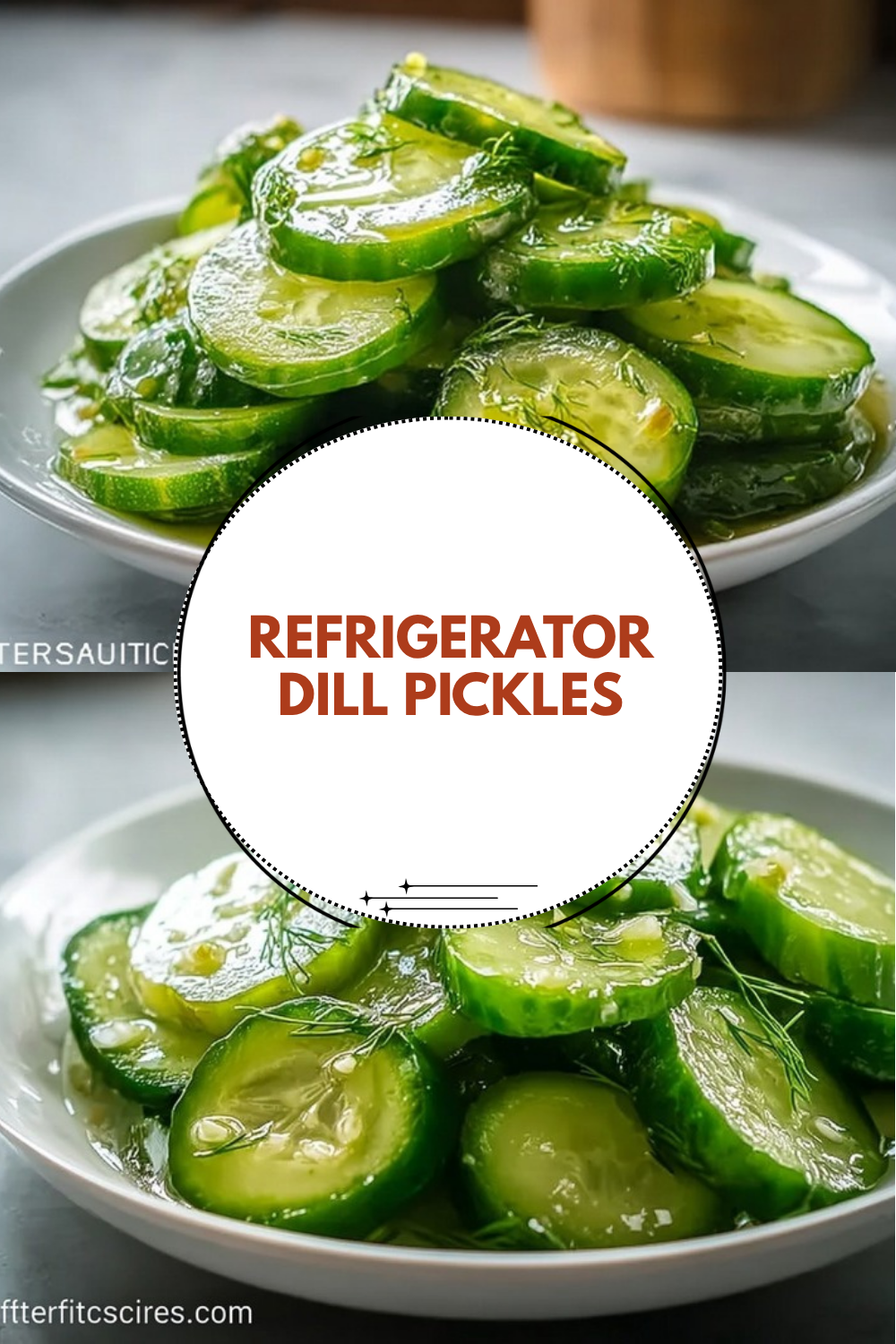
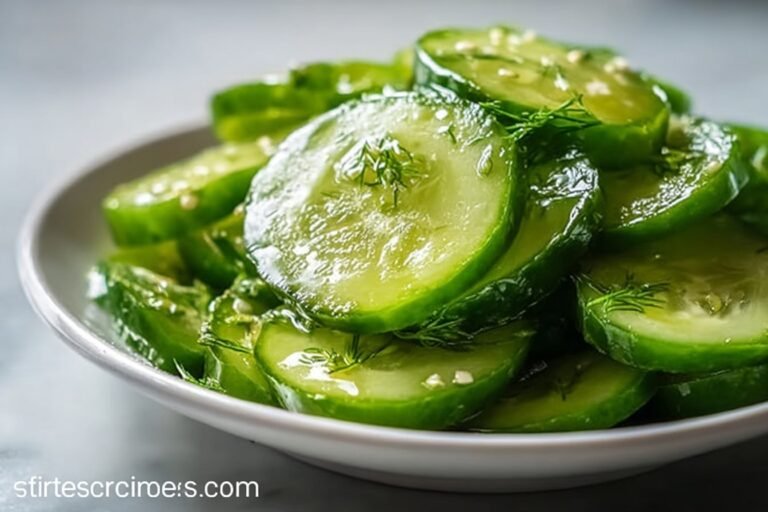
Serve the pickles chilled in a small bowl with a sprinkle of fresh dill on top. For party platters, add them beside sandwiches, burgers, cheese boards, or grilled meats. Their bright green color adds a fresh look to almost any spread.
Make-ahead options
This recipe is perfect for busy schedules because the jars do the work while you handle everything else. Make a batch on Sunday, and they will be ready for weekday lunches, snack plates, or weekend gatherings. You can also make several jars at once so you always have something crisp in the fridge.
If you enjoy easy make-ahead food, you may also like pairing these pickles with slow cooker creamy chicken broccoli rice for a simple dinner or serving them next to air fryer tilapia for a light meal.
How to Store Refrigerator Dill Pickles: Best Practices
Refrigeration
Store your Refrigerator Dill Pickles in sealed jars in the fridge as soon as they are made. They should stay fresh for 4 to 6 weeks, and many batches taste best within the first couple of months. For the most crunch, eat them within 1 month.
Freezing
Freezing is not the best choice for whole pickles because the texture can turn soft after thawing. If you want to freeze anything, sliced cucumbers do better than whole ones, but the result will still be less crisp than fresh refrigerated pickles. For most home cooks, the fridge is the best storage method.
Reheating
You do not need to reheat refrigerator pickles. Serve them cold straight from the jar. If you ever want them at room temperature for a sandwich or platter, let the portion sit out briefly, but do not leave the whole jar unrefrigerated for long.
Meal prep considerations
For batch prep, label each jar with the date it was made. Use clean utensils every time you remove pickles from the jar. If you want to reuse the brine, strain it first and keep it cold, then use it for a new batch only with very clean jars and tools.
FAQs: Frequently Asked Questions About Refrigerator Dill Pickles
Where can I find pickling cucumbers for refrigerator dill pickles?
Can I use regular cucumbers instead of pickling cucumbers for refrigerator dill pickles?
How long do refrigerator dill pickles last?
Can I reuse the brine from refrigerator dill pickles?
Can I add other vegetables to refrigerator dill pickle brine?
Refrigerator Dill Pickles
🥒 Enjoy crunchy, tangy homemade dill pickles without the hassle of canning – ready in just one week!
🫙 Low-calorie snack packed with probiotics, customizable, and perfect for burgers, salads, or snacking.
- Total Time: 20 minutes + 1 week
- Yield: 18 servings
Ingredients
– 12 pickling cucumbers
– 4 cups water
– 2 cups white vinegar
– 2 tablespoons kosher salt
– 1 teaspoon sugar
– 1 bunch fresh dill
– 1 head garlic
– 1 tablespoon peppercorn kernels
Instructions
1-First Step: Wash and slice the cucumbers Start by washing the cucumbers thoroughly under cool running water. This removes dirt and any residue from the skin. Then slice them into 1/4-inch thick rounds or cut them into spears, depending on how you like to eat your pickles. If you want faster flavor absorption, slicing is the best move. Whole cucumbers can be used too, but they need more time in the brine and may not taste as bold right away. For the crunchiest results, pickling cucumbers are the top choice, but Persian cucumbers or regular cucumbers can work if that is what is available.
2-Second Step: Prep the garlic and dill Remove the skins from the garlic cloves and smash them gently with the flat side of a knife. You do not need to mince them. Smashing helps release flavor without making the garlic too intense in one spot. Next, pull the fresh dill from the thick stems and keep the tender fronds. This is a good moment to adjust the herb amount to taste. If you love dill, use a generous handful. If you want a lighter herbal note, a smaller bunch still works well. The same goes for garlic. More garlic means a stronger, punchier pickle.
3-Third Step: Sanitize the mason jars Clean jars are important anytime you are making refrigerator pickles. Wash your mason jars and lids with hot soapy water, then rinse well. If you want an extra layer of care, sanitize them using your preferred method and let them air dry. Using clean jars helps keep the pickles fresh in the refrigerator and lowers the chance of unwanted bacteria. This is especially helpful if you plan to store the pickles for several weeks.
4-Fourth Step: Make the brine Grab a saucepan and combine 4 cups water, 2 cups white vinegar, 2 tablespoons kosher salt, and 1 teaspoon sugar. Place the pan over medium heat and bring it to a boil just long enough to dissolve the salt and sugar. Stir if needed so everything blends well. Once dissolved, remove the brine from the heat and let it cool to room temperature. This matters because hot brine can soften the cucumbers too quickly. A cooled brine helps the pickles keep more of their crunch. For the best texture, always let the brine cool before pouring it over the cucumbers.
5-Fifth Step: Pack the jars Layer the sliced cucumbers in the jars with the fresh dill, smashed garlic, and peppercorn kernels. Do not pack the jars too tightly. The brine needs to flow around the cucumbers so every piece gets seasoned evenly. If you are adding extra vegetables, pack them in with the cucumbers now. Try green beans, carrot sticks, cauliflower florets, or asparagus spears. They all work nicely in a quick pickle brine and add fun variety to your fridge.
6-Sixth Step: Pour in the brine and seal Slowly pour the cooled brine over the cucumber mixture until everything is fully covered. If needed, gently press the contents down with a clean utensil so the liquid reaches every piece. Leave a little space at the top of each jar, then seal with airtight lids. Make sure the cucumbers stay submerged. That helps them pickle evenly and stay crisp. If you notice anything floating above the brine, press it back down with a clean spoon before sealing the jar.
7-Final Step: Chill and wait for flavor Place the sealed jars in the refrigerator for at least one week before eating. The pickles will taste good earlier, but they reach much better flavor after a full week. If you can wait 10 to 14 days, the taste gets even deeper and more balanced. This recipe makes about 18 servings, and the pickles will keep in the refrigerator for 4 to 6 weeks. Many people find they are best within a couple of months, though the crunch is strongest earlier on. When you are ready to serve, use clean utensils every time so the brine stays fresh longer.
Last Step:
Please leave a rating and comment letting us know how you liked this recipe! This helps our business to thrive and continue providing free, high-quality recipes for you.Notes
🥒 Use pickling cucumbers for maximum crunch; Persian cucumbers work but may soften faster.
🌿 Customize with mustard seeds, dill seeds, bay leaves, or other veggies like carrots or green beans.
❄️ Store in fridge up to 4-6 weeks; flavors peak after 1-2 weeks and best within 2 months.
- Prep Time: 15 minutes
- Pickling Time: 1 week
- Cook Time: 5 minutes
- Category: Side Dish
- Method: Pickling
- Cuisine: American
- Diet: Vegan, Gluten-Free, Low-Calorie
Nutrition
- Serving Size: ¼ cup
- Calories: 26 kcal
- Sugar: 2g
- Sodium: 781mg
- Fat: 0g
- Saturated Fat: 0g
- Unsaturated Fat: 0g
- Trans Fat: 0g
- Carbohydrates: 3g
- Fiber: 1g
- Protein: 0.5g
- Cholesterol: 0mg