

Why You’ll Love This Roux
Roux forms the backbone of many classic dishes, offering a simple yet effective way to thicken sauces and soups. Ease of preparation makes this recipe ideal for home cooks, as it requires basic ingredients and takes little time to make. Its adaptability allows for customizations that suit various dietary needs without losing the rich flavor.
Beyond its practicality, roux provides health benefits depending on the ingredients chosen, such as using vegetable oils for unsaturated fats. This mixture enhances meals with a nutty depth that can transform everyday cooking into something special for busy parents and food enthusiasts alike.
Nutritional Information highlights that roux is calorie-dense from carbohydrates in the flour and fats in the base, making it a staple that supports balanced eating when used thoughtfully. For those watching their diet, options like gluten-free flour can keep it versatile and inclusive for everyone from students to seniors.
Benefits in Daily Cooking
One key advantage is how roux can be prepared in advance and stored, saving time for working professionals. Its distinctive flavor profile adds a gourmet touch to gravies and stews, appealing to baking enthusiasts and party hosts. Overall, mastering roux opens up endless possibilities for creative meal preparation.
Essential Ingredients for Roux
- Equal parts by weight of flour – serves as the thickening agent, ensuring the roux reaches the right consistency.
- Equal parts by weight of fat, which can include butter for a rich taste, lard for traditional options, oil such as vegetable oil especially for dark roux, or drippings from meat, poultry, or bacon to add specific flavors depending on the cuisine.
- All-purpose flour (1 cup) – provides structure and body, acting as the core component in this mixture.
- Butter (1/2 cup) – delivers richness and helps cook the flour evenly for a smooth base.
- Oil (2 tablespoons) – offers an optional addition for higher heat cooking or to meet dietary preferences, enhancing versatility.
Special Dietary Options allow for easy modifications: for vegan choices, substitute butter with plant-based margarine or coconut oil. For gluten-free versions, use gluten-free flour blends to maintain thickening power. Low-calorie adaptations include replacing butter with light olive oil or broth to reduce fat while keeping the flavor intact.
This comprehensive list ensures every item needed is covered, making it straightforward for readers to gather exact quantities. By emphasizing equal parts by weight, cooks can adjust based on their recipe scale, promoting precision in home kitchens.
How to Prepare the Perfect Roux: Step-by-Step Guide
First, gather all ingredients and measure precisely to ensure consistency, using a heavy-bottomed saucepan for even heat distribution as per the directions provided. Heat the fat in a pan until melted if necessary, then add the flour and stir continuously to blend until smooth. This initial step sets the foundation for a successful roux.
Second, melt butter or the chosen fat over medium heat until fully liquid but not browned; for vegan or low-calorie options, use plant-based margarine or oil instead. Third, gradually add flour to the molten fat, stirring constantly with a wooden spoon or whisk to avoid lumps and achieve the desired smoothness. Continue this process as outlined in the directions to cook the mixture.
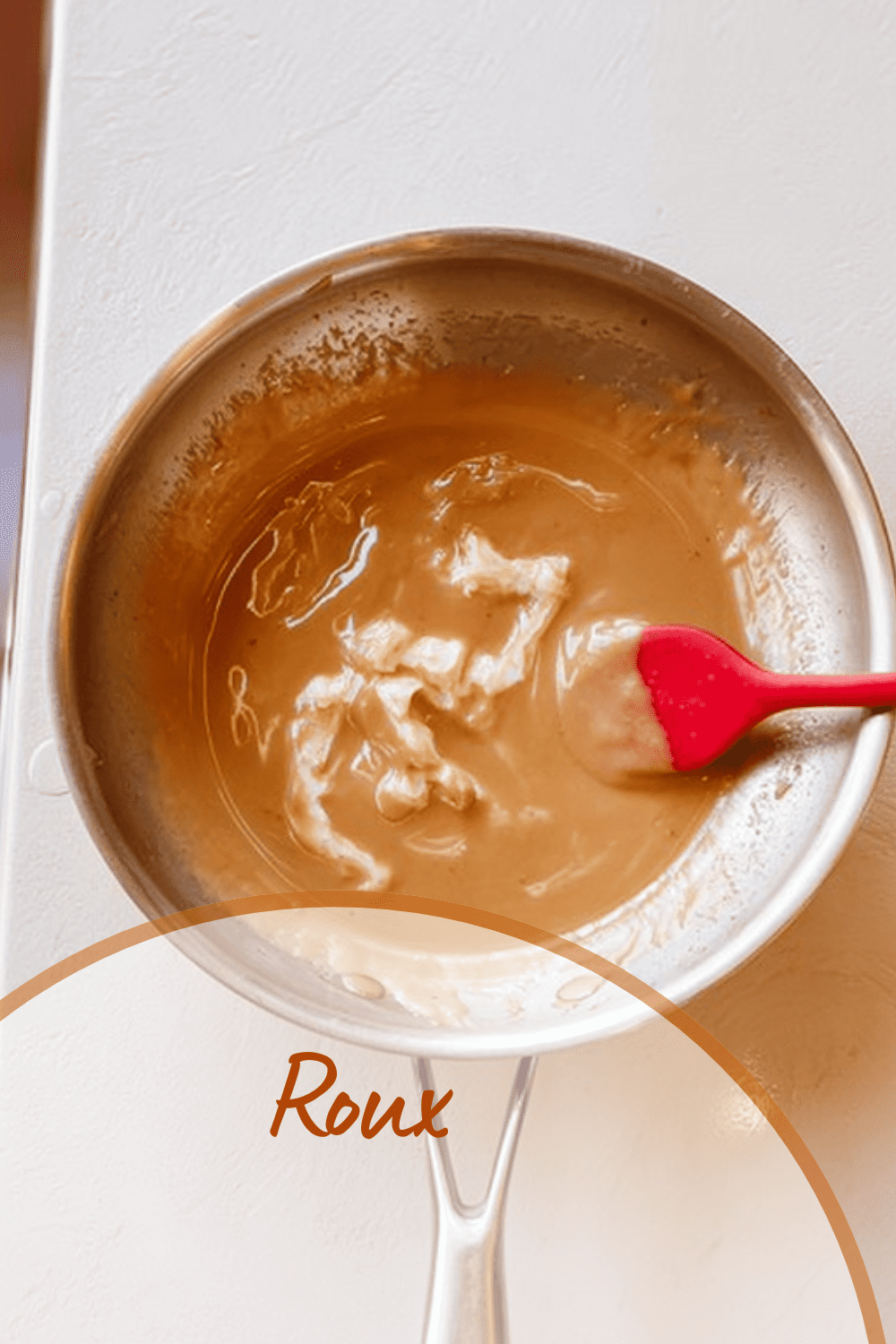
Fourth, keep stirring and cooking for 3-5 minutes, depending on the desired color from white to deep brown, while ensuring not to burn the roux, which can develop a bitter taste. A darker roux, taking 15 minutes or more for flavors to build, has less thickening power, so adjust based on your recipe needs. Fifth, if adapting for specific diets, maintain a gentle simmer for the best results.
Final Touches
Sixth, remove the roux from heat and let it cool slightly before adding to sauces or soups for effective thickening. Here is a quick table to summarize cooking times based on roux color for better reference:
| Roux Color | Approximate Time | Key Characteristics |
|---|---|---|
| White | 2-3 minutes | Light flavor, high thickening power |
| Blonde | 5-6 minutes | Nuttier taste, balanced use |
| Brown | 8-15 minutes | Richer flavor, less thickening |
Final step: store any leftovers or use immediately, adjusting the fat-to-flour ratio as needed for your dish.

Dietary Substitutions to Customize Your Roux
Protein and main component alternatives include replacing traditional fats with plant oils like avocado or olive oil for vegan-friendly roux. For gluten intolerance, swap all-purpose flour with rice flour or chickpea flour to keep the mixture effective. These changes help adapt roux for various needs, drawing from tips like using vegetable oil for its higher smoke point.
Vegetable, sauce, and seasoning modifications involve adding ingredients such as mushrooms or bell peppers to enhance the roux in regional dishes. Use gluten-free sauces and reduced-sodium seasonings to tailor it further, while adjusting herbs based on seasonal availability. Stir constantly to avoid lumps, as recommended, ensuring even cooking for the best results.
According to nutritional information, opting for unsaturated fats from oils can improve the health profile. For refreshing recipe ideas that might complement your cooking, explore related techniques that incorporate similar principles of balancing flavors.
Mastering Roux: Advanced Tips and Variations
Pro cooking techniques involve cooking the roux slowly and stirring continuously to prevent burning and achieve a silky texture, using a heavy-bottomed pan for better heat control. Flavor variations allow you to experiment with additions like smoked paprika or garlic to create unique profiles, building on the idea that darker roux offers richer tastes. Prepare roux ahead and store it as a time-saver, adjusting quantities based on desired thickening power.
- Use vegetable oil for dark roux to avoid burning due to its high smoke point.
- Choose fats like bacon drippings for a smoky flavor, enhancing dishes with depth.
- Avoid burning by monitoring heat, as it leads to bitterness; combine with onions or garlic for regional twists.
- Experiment with brown roux for more complex flavors in sauces and gravies.
- For external insights, this resource offers additional guidance on roux preparation.
Presentation tips include using roux as a base for vibrant sauces, garnishing with fresh herbs for visual appeal. Make-ahead options let you freeze portions for later, maintaining freshness and texture for busy schedules.
How to Store Roux: Best Practices
Refrigeration keeps roux fresh in an airtight container for up to one week, preserving its quality for future use. Freezing works well by portioning into freezer-safe bags or containers, allowing storage for up to three months with easy thawing. Reheating requires gentle warming over low heat, stirring frequently to restore smoothness without risk of burning.
Meal prep considerations involve batch-cooking roux in manageable amounts, making it simple to incorporate into weekly meals. This method ensures consistent flavor and texture, drawing from tips that emphasize preparing in advance to save time. For those exploring more, this guide provides deeper insights into its role in flavorful dishes.
Long-Term Storage Tips
Always label containers with dates to track freshness, and avoid repeated thawing to maintain integrity. These practices make roux a reliable kitchen staple for home cooks and food enthusiasts alike.
FAQs: Frequently Asked Questions About Roux
What is a roux and why is it used in cooking?
How do you make a basic roux at home?
Can I use oils other than butter to make a roux?
How do I know when a roux is ready to be used in my recipe?
What are common mistakes to avoid when making a roux?

Roux
🧈 Learn how to make roux, a versatile foundation for many sauces and dishes, enhancing flavor and texture.
🍳 Master the technique of cooking roux to different colors to achieve varying tastes and thickening powers for your recipes.
- Total Time: 5 to 15 minutes depending on desired color
- Yield: Varies depending on amount made
Ingredients
Equal parts by weight of flour serves as the thickening agent
Equal parts by weight of fat, which can include butter for a rich taste, lard for traditional options, oil such as vegetable oil especially for dark roux, or drippings from meat, poultry, or bacon to add specific flavors depending on the cuisine
1 cup all-purpose flour provides structure and body, acting as the core component in this mixture
1/2 cup butter delivers richness and helps cook the flour evenly for a smooth base
2 tablespoons oil offers an optional addition for higher heat cooking or to meet dietary preferences, enhancing versatility
Instructions
1-First, gather all ingredients and measure precisely to ensure consistency, using a heavy-bottomed saucepan for even heat distribution as per the directions provided. Heat the fat in a pan until melted if necessary, then add the flour and stir continuously to blend until smooth. This initial step sets the foundation for a successful roux.
2-Second, melt butter or the chosen fat over medium heat until fully liquid but not browned; for vegan or low-calorie options, use plant-based margarine or oil instead.
3-Third, gradually add flour to the molten fat, stirring constantly with a wooden spoon or whisk to avoid lumps and achieve the desired smoothness. Continue this process as outlined in the directions to cook the mixture.
4-Fourth, keep stirring and cooking for 3-5 minutes, depending on the desired color from white to deep brown, while ensuring not to burn the roux, which can develop a bitter taste. A darker roux, taking 15 minutes or more for flavors to build, has less thickening power, so adjust based on your recipe needs.
5-Fifth, if adapting for specific diets, maintain a gentle simmer for the best results.
6-Sixth, remove the roux from heat and let it cool slightly before adding to sauces or soups for effective thickening. Here is a quick table to summarize cooking times based on roux color for better reference:
Final step: store any leftovers or use immediately, adjusting the fat-to-flour ratio as needed for your dish.
Last Step:
Please leave a rating and comment letting us know how you liked this recipe! This helps our business to thrive and continue providing free, high-quality recipes for you.Notes
🧈 Use vegetable oil for dark roux due to its higher smoke point to prevent burning.
🍲 Stir constantly to avoid lumps and ensure even cooking.
⚖️ The darker the roux, the less thickening power it has, so adjust quantities accordingly.
- Prep Time: 5 to 15 minutes depending on desired color
- Cook Time: 5 to 15 minutes depending on desired color
- Category: Sauce Base, Cooking Technique
- Method: Cooking, Stirring
- Cuisine: Various