
Why You’ll Love This Salmon Varieties
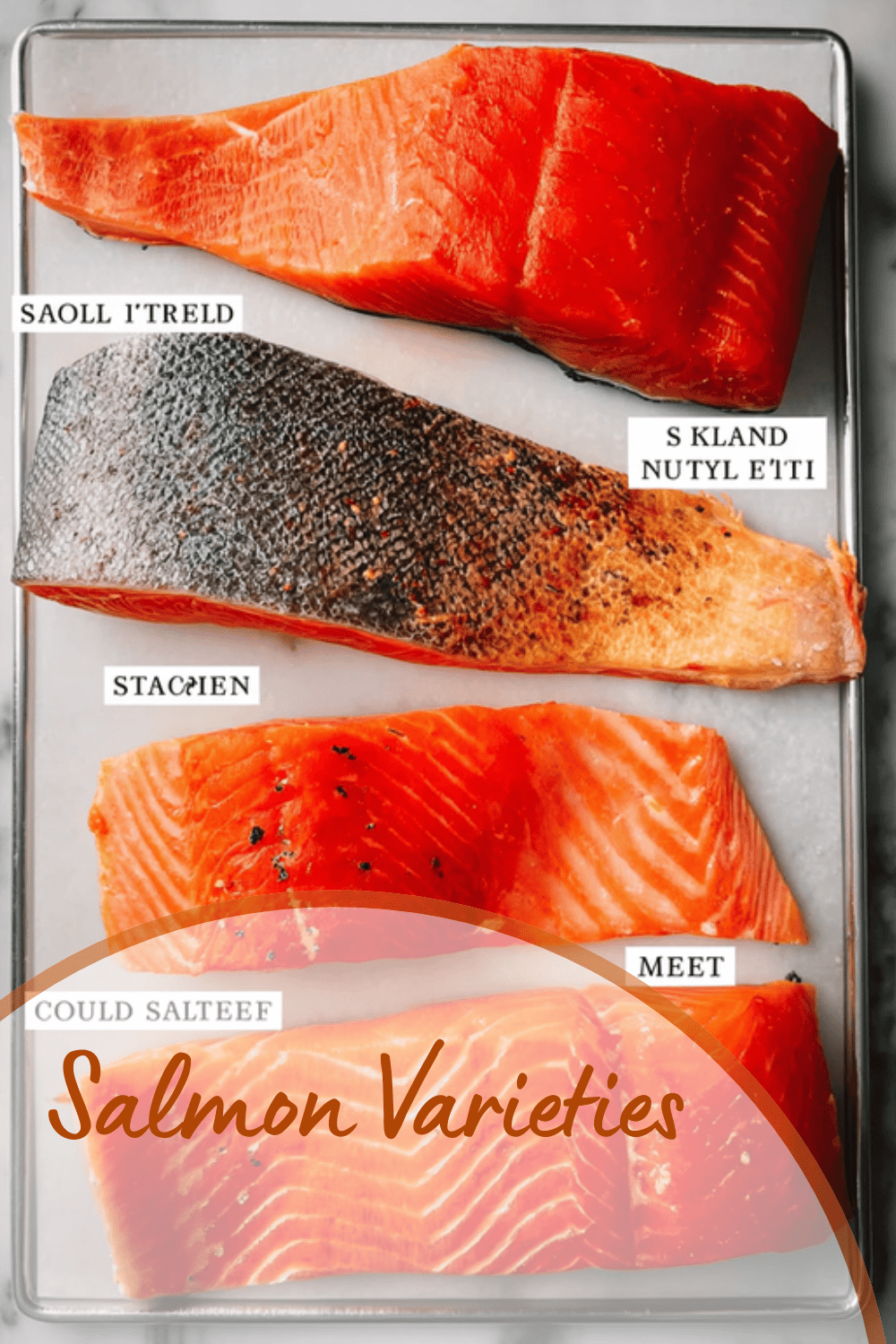
Salmon varieties bring an exciting mix of flavors and health perks to your table, making them a favorite for home cooks and health-minded families. Each type, like the firm Sockeye with its rich taste or the moist Coho that’s great for grilling, offers something special that fits busy lifestyles and diverse tastes. Picture preparing a quick meal that’s not only delicious but also packed with omega-3 fatty acids to support heart and brain health, all in under 20 minutes.
These fish are incredibly adaptable, allowing you to bake, grill, or smoke them based on what suits your dietary needs, such as vegan swaps or low-calorie options. Plus, their nutritional benefits go beyond omega-3s, including vitamin D and selenium that help with overall wellness. Salmon varieties truly make everyday meals feel fresh and exciting without much effort.
- Ease of preparation: These salmon types are simple to prepare, needing few ingredients and quick cooking times, perfect for busy weeknights.
- Health benefits: Loaded with omega-3 fatty acids, proteins, and essential nutrients, these varieties promote heart health and overall wellness.
- Versatility: You can adapt them for different diets by grilling, baking, or pan-searing, and pair with various sides for vegan, gluten-free, or low-calorie choices.
- Distinctive flavor: Each salmon variety brings a unique taste, boosted by simple seasonings, to make your dish stand out.
To dive deeper into how different salmon types can enhance your meals, consider exploring a simple drink recipe that pairs well, like the one in our guide to refreshing citrus beverages. This adds a fun twist to your salmon dishes with bright flavors.
Essential Ingredients for Salmon Varieties
This section outlines the key items you’ll need to create dishes with salmon varieties, pulling from the details provided. We’ll focus on the main ingredients to ensure you have everything ready for a straightforward preparation.
Main Ingredients List
- 4 salmon fillets (6 oz each) – The base of the dish, offering rich protein and omega-3 fatty acids.
- 2 tbsp olive oil – Helps in cooking and enhances the natural flavors of the salmon.
- 1 lemon, juiced – Adds a fresh, tangy note that balances the richness.
- 2 cloves garlic, minced – Brings aromatic depth to the preparation.
- Salt and black pepper to taste – Essential for basic seasoning and flavor enhancement.
Special Dietary Options
- For vegan options: Use marinated tofu or tempeh as a plant-based protein substitute.
- For gluten-free needs: Make sure all sauces and seasonings are certified gluten-free.
- For low-calorie versions: Swap olive oil with cooking spray and serve with steamed vegetables.
| Ingredient Category | Purpose |
|---|---|
| Main Protein | Provides essential nutrients like omega-3s |
| Seasonings | Enhances taste without overpowering |
| Dietary Swaps | Allows customization for different diets |
How to Prepare the Perfect Salmon Varieties: Step-by-Step Guide
Getting started with salmon varieties is straightforward and rewarding, whether you’re grilling the firm Sockeye or roasting the delicate Coho. These fish are anadromous, meaning they begin in freshwater, grow in the ocean, and return to spawn, which adds to their unique appeal in the kitchen. Follow these steps to create a meal that’s both nutritious and full of flavor, with preparation times ranging from 10 to 30 minutes based on the species.
First Steps
First, preheat your oven to 400°F (200°C). Rinse the salmon fillets and pat them dry with paper towels to ensure they cook evenly and absorb seasonings well.
- Season the salmon with salt, pepper, lemon juice, and minced garlic for a burst of fresh taste.
- Drizzle with olive oil to add moisture and help the flavors meld.
- Place the fillets on a baking sheet lined with parchment paper for easy cleanup and to prevent sticking.
Cooking and Finishing
Bake in the preheated oven for 12-15 minutes or until the salmon is opaque and flakes easily, keeping in mind that smaller varieties like Pink salmon might need less time. For other methods, such as grilling Coho or smoking King salmon, adjust based on their textures and fat content to preserve that rich, buttery quality.
Once done, garnish with fresh herbs and serve with sides that complement the fish’s natural taste, like citrus or vegetables. This approach highlights the distinct characteristics of each salmon type, from the mild flavor of Keta to the savory depth of Sockeye.

Dietary Substitutions to Customize Your Salmon Varieties
Making salmon varieties work for your lifestyle is easy with a few smart swaps, especially since these fish offer options for everyone from busy parents to diet-conscious folks. For instance, if you’re dealing with allergies or preferences, you can replace salmon with other proteins while still enjoying the health benefits like high omega-3 levels.
- Protein alternatives: Swap salmon with chicken breast, tofu, or tempeh to fit dietary needs, ensuring everything cooks properly for safety and taste.
- Vegetable and seasoning changes: Try adding seasonal veggies like asparagus or zucchini, and use dairy-free or gluten-free sauces to keep things flexible.
This way, you can tailor the dish to various restrictions without losing the essence of salmon’s nutritional profile, such as its vitamin D and antioxidants.
Mastering Salmon Varieties: Advanced Tips and Variations
Taking your salmon dishes to the next level involves exploring advanced techniques that bring out the best in each variety, from the lean Keta to the fatty King salmon. Remember, these fish vary by season and location, so their availability can influence your choices and enhance freshness.
Pro Techniques and Flavors
Use methods like sous vide for even cooking or smoking to add a deep, smoky flavor that pairs well with their natural textures. Experiment with marinades, such as Asian-inspired ones for a zesty kick or Mediterranean herbs for a fresh twist.
- Flavor ideas: Try spicy Cajun seasoning on Coho or simple garlic and herbs on Pink salmon to highlight their soft texture.
- Presentation tricks: Arrange with colorful veggies or citrus slices to make your plate look as good as it tastes.
- Make-ahead strategies: Marinate salmon ahead and store it right to save time while boosting flavors for your next meal.
When selecting wild-caught Pacific salmon, look for firm, moist flesh and bright colors to ensure top quality and the full benefits of omega-3 fatty acids.
How to Store Salmon Varieties: Best Practices
Proper storage keeps your salmon varieties fresh and safe, preserving their nutritional value like selenium and protein for longer. Since salmon is anadromous and seasonal, handling it correctly right after purchase helps maintain its rich flavors and textures.
- Refrigeration tips: Keep cooked salmon in an airtight container in the fridge for up to 3 days to avoid spoilage.
- Freezing methods: Wrap it tightly in plastic and foil or use vacuum sealing for up to 2 months, ideal for King salmon’s larger portions.
- Reheating advice: Warm it gently in the oven or microwave at low heat to keep the texture moist and flavorful.
- Meal prep ideas: Portion out your cooked salmon and cool it quickly before storing to make weeknight dinners easy and healthy.
This approach works well for all types, from the quick-cooking Pink salmon to the hearty Sockeye, ensuring you get the most out of their health benefits.
FAQs: Frequently Asked Questions About Salmon Varieties
What are the main types of wild Pacific salmon found in North America?
How can I tell the difference between sockeye and kokanee salmon?
Why is coho salmon often recommended for grilling?
What unique features help identify king salmon when they enter freshwater?
What health benefits does eating salmon provide?
Salmon Varieties
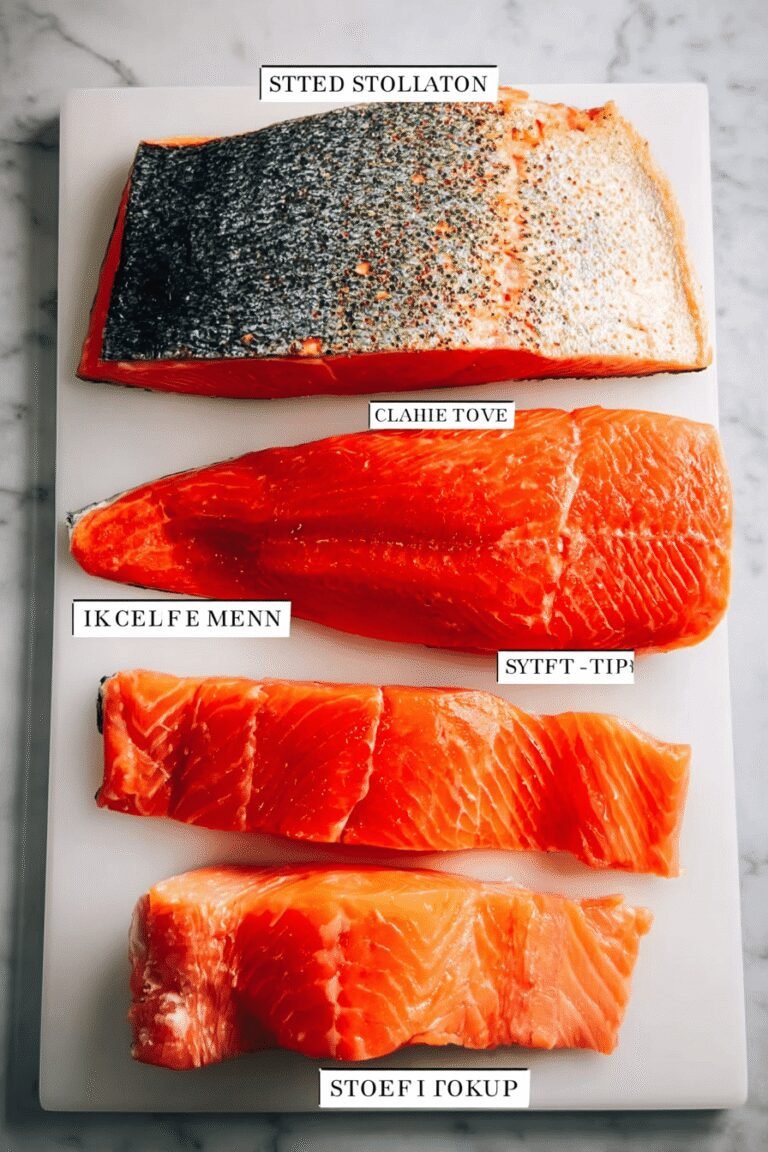
🐟 Learn to identify and enjoy the five popular salmon varieties, each with unique flavors and textures.
🥗 Discover the health benefits and cooking methods that make salmon a nutritious and versatile choice for meals.
Ingredients
– 4 salmon fillets (6 oz each) for the base of the dish, offering rich protein and omega-3 fatty acids
– 2 tbsp olive oil for cooking and flavor enhancement
– 1 lemon, juiced for a fresh, tangy note
– 2 cloves garlic, minced for aromatic depth
– Salt and black pepper to taste for seasoning
Instructions
1-First: preheat your oven to 400°F (200°C). Rinse the salmon fillets and pat them dry with paper towels to ensure they cook evenly and absorb seasonings well.
2-Season the salmon with salt, pepper, lemon juice, and minced garlic for a burst of fresh taste.
3-Drizzle with olive oil to add moisture and help the flavors meld.
4-Place the fillets on a baking sheet lined with parchment paper for easy cleanup and to prevent sticking.
5-Bake in the preheated oven for 12-15 minutes or until the salmon is opaque and flakes easily, keeping in mind that smaller varieties like Pink salmon might need less time.
6-For other methods, such as grilling Coho or smoking King salmon, adjust based on their textures and fat content to preserve that rich, buttery quality.
7-Once done, garnish with fresh herbs and serve with sides that complement the fish’s natural taste, like citrus or vegetables.
Last Step:
Please leave a rating and comment letting us know how you liked this recipe! This helps our business to thrive and continue providing free, high-quality recipes for you.Notes
🌿 Choose wild-caught Pacific salmon for optimal flavor and nutritional benefits.
🐠 Store salmon properly to maintain freshness and quality; freeze if not cooking immediately.
🍋 Enhance salmon’s natural taste by pairing with citrus, fresh herbs, and vegetables.
- Category: Seafood, Fish Guide
- Method: Various cooking methods such as grilling, baking, poaching, smoking
- Cuisine: Various
- Diet: High-protein, rich in omega-3 fatty acids