

Why You’ll Love This Small Batch Refrigerator Pickles Recipe
If you have been craving Small Batch Refrigerator Pickles that are crisp, tangy, and ready without any canning drama, this recipe is going to be a new favorite. It is quick, flexible, and perfect when you want just enough pickles for sandwiches, snack plates, burgers, or late-night bites.
- Easy preparation: This recipe takes just 15 minutes total, with 10 minutes of prep and 5 minutes of cook time. You simply heat the brine, cool it, pack the jar, and let the fridge do the rest. No water bath, no special canning setup, and no complicated steps.
- Great for lighter eating: Refrigerator dill pickles can be a smart choice for people watching calories, since cucumbers are naturally low in calories and bring a fresh crunch. For a quick read on cucumber nutrition, you can check this guide to the health benefits of cucumbers.
- Flexible for many diets: These Small Batch Refrigerator Pickles are naturally vegetarian and vegan, and they can be adjusted with different spices or vinegars depending on what you like. If you want a sharper bite, add more vinegar. If you want a milder taste, keep the 1:2 vinegar to water ratio as written.
- Big flavor in a small jar: The mix of garlic, dill, salt, sugar, and vinegar creates that classic deli-style pickle flavor fast. Waiting 2 to 3 days gives the cucumbers time to soak up the brine, so the taste gets better with a little patience.
These pickles are one of those recipes that feels fancy but is actually super simple. I love making them when I want something bright and crunchy in the fridge fast!
They also fit into busy schedules really well. Home cooks, students, parents, and working professionals can make a jar in minutes and enjoy it all week. Since the batch is small, you do not have to worry about wasting ingredients, which makes it a great low-stress recipe.
For another easy make-ahead idea that works well for meals, try serving these pickles alongside a hearty dish like garlic butter pork chops. The cool, tangy crunch balances rich savory food beautifully.
Essential Ingredients for Small Batch Refrigerator Pickles
Here is everything you need for this simple Small Batch Refrigerator Pickles recipe. I am keeping this ingredient list exact so you can make the brine and pickle batch without guessing.
- 1 cup water – Forms the base of the brine and helps mellow the vinegar.
- 1/2 cup white vinegar – Adds the tangy pickle flavor and helps preserve the cucumbers in the fridge.
- 1 teaspoon salt – Brings out the flavor and supports that classic pickle taste.
- 1 teaspoon sugar – Balances the sharpness of the vinegar and rounds out the brine.
- 1/2 pound cucumbers – The star of the recipe; use pickling cucumbers if possible for the best crunch.
- 3 garlic cloves – Add bold savory flavor to the jar.
- 4 to 5 dill sprigs – Give the pickles that fresh, classic dill aroma and taste.
Ingredient notes and easy swaps
Pickling cucumbers work best because they stay crisp longer. If you only have regular cucumbers, they will still work, but the texture may soften a little faster. Fresh dill gives the brightest flavor, though dried dill can stand in when needed. Jarred garlic can also replace fresh garlic if that is what you have on hand.
The brine uses a 1:2 vinegar to water ratio, which keeps the pickles balanced and tangy without being too harsh. If you like a punchier pickle, you can move closer to a 1:1 ratio. If you want something gentler, use a little more water next time.
Special dietary options
- Vegan: This recipe is already vegan as written.
- Gluten-free: The ingredient list is naturally gluten-free, as long as your vinegar and spices are labeled gluten-free if needed.
- Low-calorie: Keep the sugar at 1 teaspoon or reduce it slightly for a lighter brine.
| Ingredient | Purpose | Easy swap |
|---|---|---|
| White vinegar | Adds tang and helps preserve texture | Apple cider vinegar |
| Dill sprigs | Classic dill pickle flavor | Dried dill |
| Garlic cloves | Savory depth | Jarred garlic |
| Cucumbers | Main crunch factor | Pickling cucumbers preferred |
How to Prepare the Perfect Small Batch Refrigerator Pickles: Step-by-Step Guide
Making Small Batch Refrigerator Pickles is honestly one of the easiest kitchen projects ever. The full process is short, the ingredients are simple, and the flavor payoff is huge. If you have ever wanted homemade pickles without the wait or the canning tools, this is the recipe for you.
First Step: Make the brine
Start by combining 1 cup water, 1/2 cup white vinegar, 1 teaspoon salt, and 1 teaspoon sugar in a small pot. Place the pot over medium heat and bring the mixture to a boil, stirring just enough to dissolve the salt and sugar. This takes only about 5 minutes.
Once the brine boils, remove it from the heat and let it cool completely. This step matters because hot brine can make the cucumbers soften too quickly. Cooling the liquid first helps keep the pickles crisp and fresh tasting.
Second Step: Prep the cucumbers
While the brine cools, take 1/2 pound cucumbers and cut them into your preferred shape. You can make spears, chips, coins, or even chunky sticks. Try to keep the pieces similar in size so they pickle at the same pace.
If you are using pickling cucumbers, you may want to leave the skin on for extra crunch. If the cucumbers are store-bought and waxed, give them a good wash before slicing. For a firmer texture, slice them a little thicker instead of paper thin.
Third Step: Pack the jar
Add the cucumber pieces to a clean jar, then tuck in 3 garlic cloves and 4 to 5 dill sprigs. If you want to add extra flavor, this is also the time to drop in peppercorns, mustard seeds, or even a small pinch of red pepper flakes.
Pack everything in snugly, but do not crush the cucumbers. A tight pack helps the brine cover the vegetables better and gives the pickles a more even flavor. Clean utensils and jars are important here, especially since these pickles are stored in the fridge rather than processed through canning.
Fourth Step: Pour and chill
When the brine is fully cooled, pour it over the cucumbers, garlic, and dill in the jar. Make sure the vegetables are mostly covered. If needed, give the jar a gentle shake to release trapped air bubbles and help the liquid settle around the cucumbers.
Seal the jar with a lid and place it in the refrigerator. The pickles will be ready after at least 24 hours, but the flavor gets much better after 2 to 3 days. That waiting time lets the brine soak into the cucumbers and gives you a brighter, more balanced pickle.
Final Step: Taste and serve
After the first day, taste one pickle to see where the flavor is. If it is still a little mild, wait another day or two. If you like a softer vinegar bite, this recipe already gives you that classic tang. Serve them cold right from the jar, or use them to add crunch to sandwiches, burgers, grain bowls, and snack trays.
Quick tip: Always use clean utensils when removing pickles from the jar. That small habit helps keep the brine fresh and lowers the risk of bacteria getting into the container.
If you are planning a full meal, these pickles pair nicely with comforting dishes like slow cooker creamy chicken broccoli rice. The crisp bite cuts through richer foods and adds a nice fresh contrast.

Dietary Substitutions to Customize Your Small Batch Refrigerator Pickles
Protein and main component alternatives
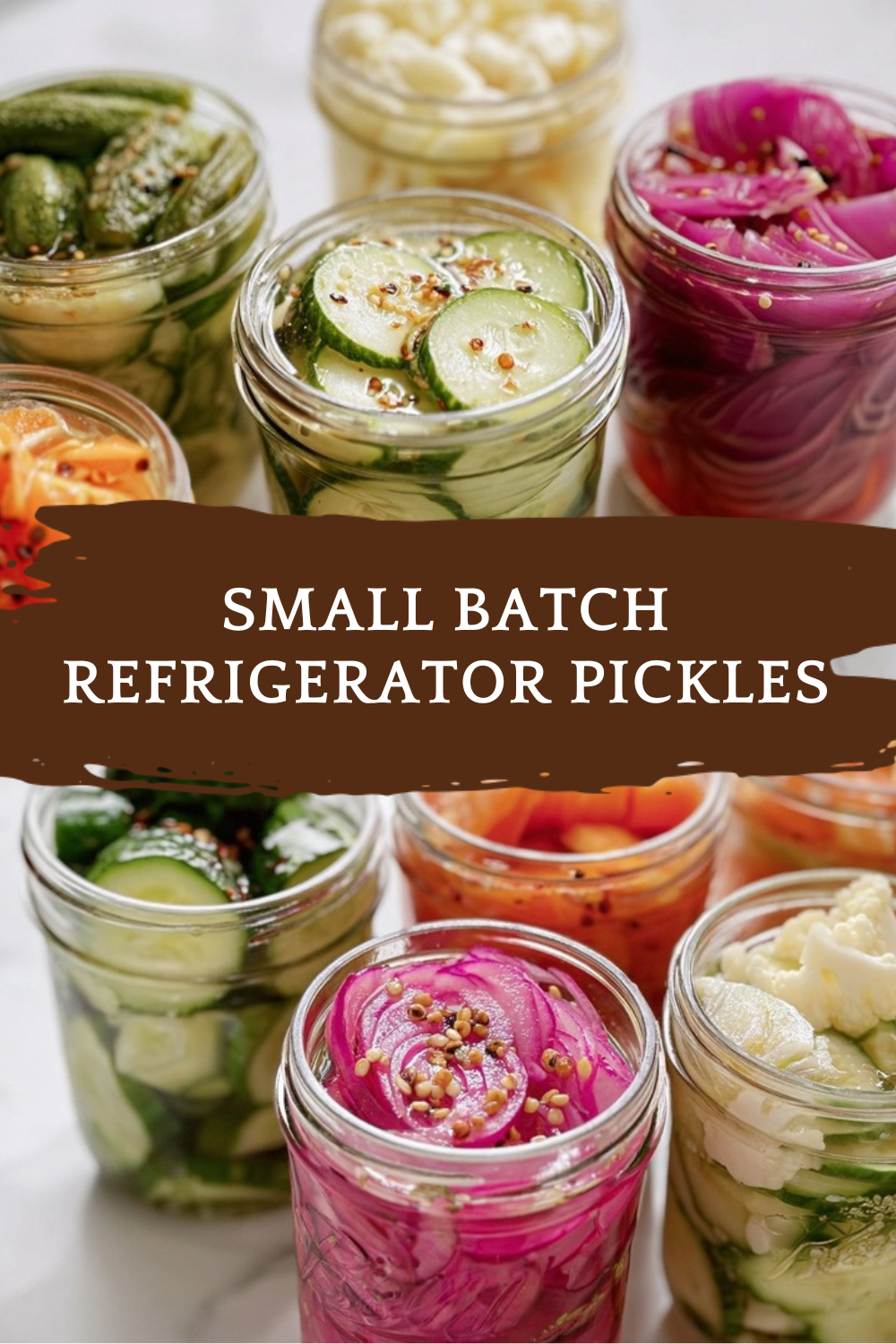
Since Small Batch Refrigerator Pickles are centered on cucumbers, there is no protein in the recipe to swap out. Instead, think of this section as a place to adjust the main vegetable. You can use sliced carrots, green beans, cauliflower florets, thin onion strips, or even radishes in the same brine. These all work well in a small batch and give you a fun mix of textures.
If you want a mixed jar, keep the vegetable pieces fairly small so the brine can reach them quickly. Softer vegetables may pickle faster than cucumbers, so check them after 24 hours if you are trying a new combo.
Vegetable, sauce, and seasoning modifications
For a stronger flavor, add peppercorns, mustard seeds, chili flakes, or coriander seeds. For a more delicate jar, keep the recipe simple with just garlic and dill. You can also swap white vinegar for apple cider vinegar if you want a slightly fruitier note.
People who like less sweetness can cut the sugar down a bit or leave it as written for balance. If you prefer a brighter, sharper pickle, increase the vinegar slightly next time. Because this is a refrigerator pickle recipe, you have room to test and adjust without the pressure of canning.
Mastering Small Batch Refrigerator Pickles: Advanced Tips and Variations
Once you have made a batch or two of Small Batch Refrigerator Pickles, it gets fun to play around with the flavor. The base recipe is simple, but there are lots of easy ways to make it your own. A few small changes can give you a very different jar each time.
Pro cooking techniques
Use the freshest cucumbers you can find, since fresher cucumbers usually stay crisper in the brine. Choose pickling cucumbers when possible because they are naturally firmer and have fewer seeds. If your cucumbers are very large, slice them into thinner pieces so the brine can move through them faster.
Another helpful trick is to cool the brine fully before pouring it over the vegetables. That small step makes a big difference in texture. It also helps the garlic and dill flavor stay clean and bright.
Flavor variations
Try adding mustard seeds for a deli-style touch or peppercorns for a little warm spice. A pinch of red pepper flakes gives the jar a gentle kick. If you like a more aromatic pickle, add a bay leaf or a few coriander seeds.
You can also switch the herb profile. Fresh dill gives classic flavor, while dried dill offers a more pantry-friendly option. Jarred garlic is a handy backup when you are short on fresh cloves.
Presentation tips
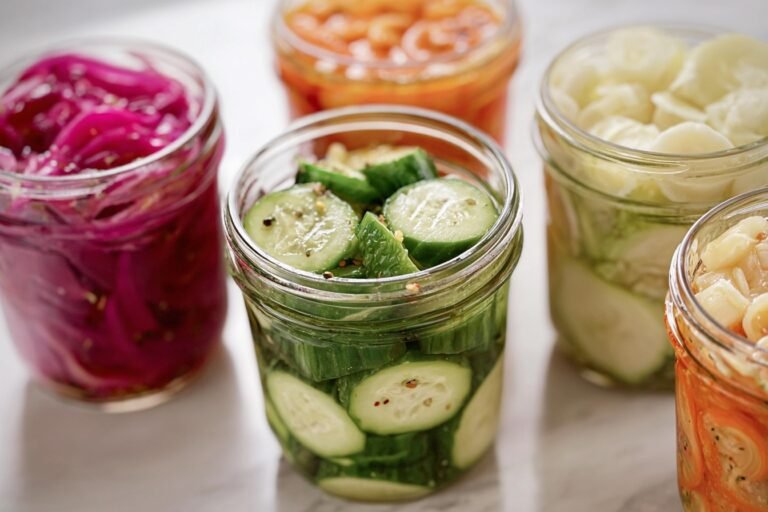
Serve the pickles in a small glass bowl or on a snack tray with sandwiches, cheese, or crackers. The bright green color and fresh dill look beautiful in clear jars. If you are hosting, label the jar with the date so you know when it will hit peak flavor.
Make-ahead options
This recipe is great for planning ahead because the pickles actually improve after a couple of days. Make the jar on a Sunday and you will have a ready-to-go snack or sandwich topping later in the week. If you want to keep the fridge stocked, make a fresh small batch every week and reuse the brine once or twice with new vegetables.
For more helpful food inspiration from a fermented-food angle, this look at the health benefits of fermented foods is a nice read.
How to Store Small Batch Refrigerator Pickles: Best Practices
Storing Small Batch Refrigerator Pickles the right way helps them stay crisp and tasty for as long as possible. Since this is a refrigerator recipe and not a shelf-stable canned pickle, cold storage matters a lot.
Refrigeration
Keep the jar sealed tightly in the fridge at around 35 to 40 degrees Fahrenheit. Stored this way, the pickles can last up to 2 months, although they are usually at their best within the first month. After that, they may begin to soften a little, even though they are still safe if they smell and look normal.
Freezing
Freezing is not a good option for this recipe. Cucumbers lose their crunch once thawed, so the texture changes too much. If you want to make pickles ahead, it is better to keep them refrigerated and make smaller batches as needed.
Meal prep considerations
Because the batch is small, this recipe works well for weekly meal prep. Add a spoonful to lunches, serve them with wraps, or set them out with dinner. If you plan to reuse the brine, add fresh vegetables to the leftover liquid and wait a few more days for the new batch to absorb the flavor.
FAQs: Frequently Asked Questions About Small Batch Refrigerator Pickles
How long do small batch refrigerator pickles take to be ready?
How long do small batch refrigerator pickles last in the fridge?
Do small batch refrigerator pickles require glass jars?
What vinegar to water ratio works for small batch refrigerator pickles?
Can you reuse brine from small batch refrigerator pickles?
Small Batch Refrigerator Pickles
🥒 Crisp, tangy homemade dill pickles in small batches – perfect for fresh crunch without canning hassle or big commitments.
❄️ Quick fridge pickles ready in days, low-cal snack loaded with probiotics for gut health and endless burger toppings.
- Total Time: 2 days 15 minutes
- Yield: 1 pint jar (4-6 servings)
Ingredients
– 1 cup water
– 1/2 cup white vinegar
– 1 teaspoon salt
– 1 teaspoon sugar
– 1/2 pound cucumbers
– 3 garlic cloves
– 4 to 5 dill sprigs
Instructions
1-First Step: Make the brine Start by combining 1 cup water, 1/2 cup white vinegar, 1 teaspoon salt, and 1 teaspoon sugar in a small pot. Place the pot over medium heat and bring the mixture to a boil, stirring just enough to dissolve the salt and sugar. This takes only about 5 minutes. Once the brine boils, remove it from the heat and let it cool completely. This step matters because hot brine can make the cucumbers soften too quickly. Cooling the liquid first helps keep the pickles crisp and fresh tasting.
2-Second Step: Prep the cucumbers While the brine cools, take 1/2 pound cucumbers and cut them into your preferred shape. You can make spears, chips, coins, or even chunky sticks. Try to keep the pieces similar in size so they pickle at the same pace. If you are using pickling cucumbers, you may want to leave the skin on for extra crunch. If the cucumbers are store-bought and waxed, give them a good wash before slicing. For a firmer texture, slice them a little thicker instead of paper thin.
3-Third Step: Pack the jar Add the cucumber pieces to a clean jar, then tuck in 3 garlic cloves and 4 to 5 dill sprigs. If you want to add extra flavor, this is also the time to drop in peppercorns, mustard seeds, or even a small pinch of red pepper flakes. Pack everything in snugly, but do not crush the cucumbers. A tight pack helps the brine cover the vegetables better and gives the pickles a more even flavor. Clean utensils and jars are important here, especially since these pickles are stored in the fridge rather than processed through canning.
4-Fourth Step: Pour and chill When the brine is fully cooled, pour it over the cucumbers, garlic, and dill in the jar. Make sure the vegetables are mostly covered. If needed, give the jar a gentle shake to release trapped air bubbles and help the liquid settle around the cucumbers. Seal the jar with a lid and place it in the refrigerator. The pickles will be ready after at least 24 hours, but the flavor gets much better after 2 to 3 days. That waiting time lets the brine soak into the cucumbers and gives you a brighter, more balanced pickle.
5-Final Step: Taste and serve After the first day, taste one pickle to see where the flavor is. If it is still a little mild, wait another day or two. If you like a softer vinegar bite, this recipe already gives you that classic tang. Serve them cold right from the jar, or use them to add crunch to sandwiches, burgers, grain bowls, and snack trays.
Last Step:
Please leave a rating and comment letting us know how you liked this recipe! This helps our business to thrive and continue providing free, high-quality recipes for you.Notes
🥒 Always use pickling cucumbers for superior crispness and texture.
🌶️ Customize brine with peppercorns, mustard seeds, or red pepper flakes for extra flavor.
🧼 Use clean utensils every time to prevent contamination and extend fridge life up to 2 months.
- Prep Time: 10 minutes
- Refrigeration: 2-3 days
- Cook Time: 5 minutes
- Category: Condiments
- Method: Quick Pickling
- Cuisine: American
- Diet: Vegan, Gluten-Free, Low-Calorie
Nutrition
- Serving Size: 5 spears
- Calories: 25 kcal
- Sugar: 2g
- Sodium: 500mg
- Fat: 0g
- Saturated Fat: 0g
- Unsaturated Fat: 0g
- Trans Fat: 0g
- Carbohydrates: 4g
- Fiber: 1g
- Protein: 1g
- Cholesterol: 0mg