
Why You’ll Love This Sushi Rice
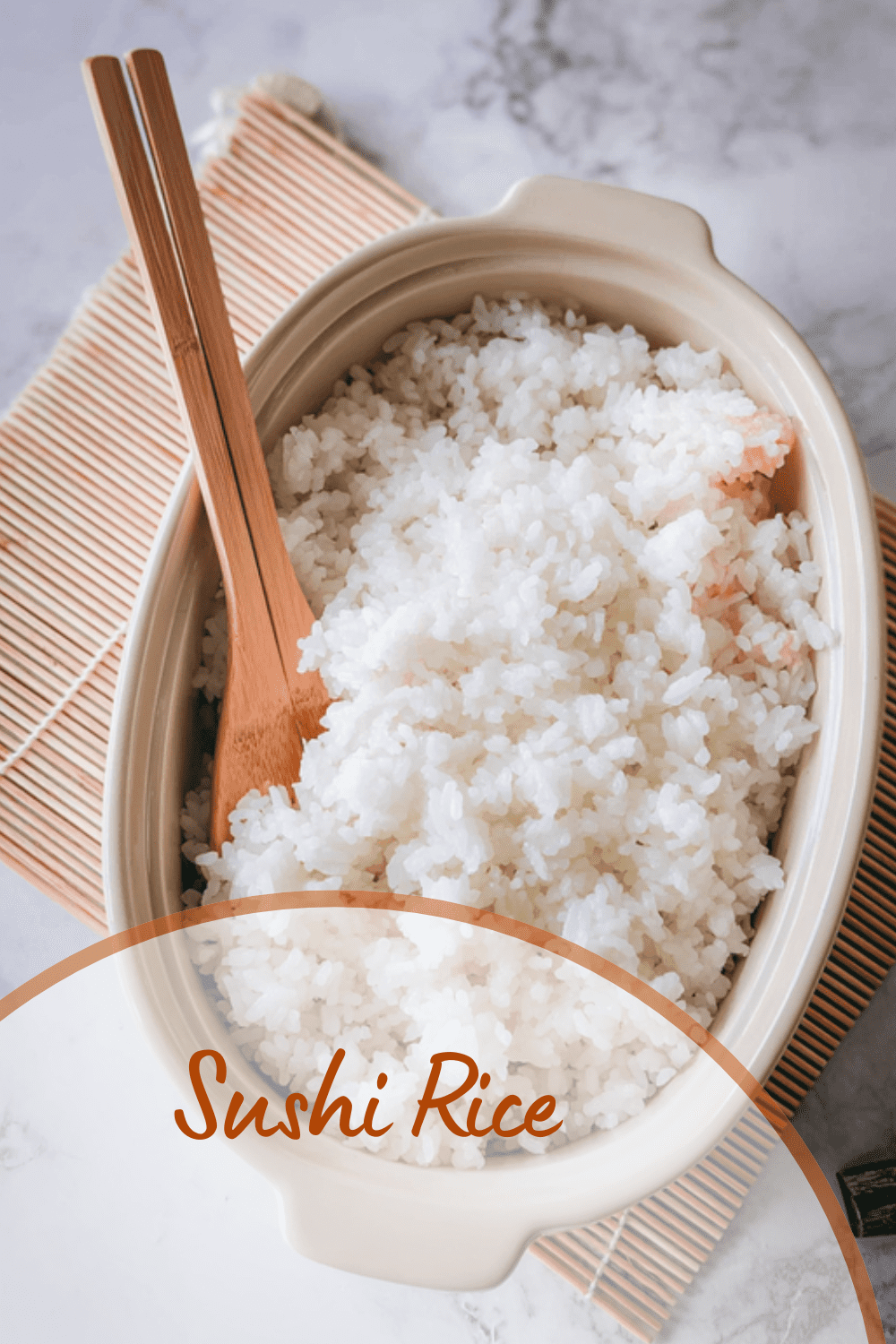
Alright, friends, if you’re new to making sushi at home, let’s talk about why this sushi rice recipe is a game-changer. It’s super easy to whip up, taking just about 35 minutes from start to finish, so even if you’re a busy parent or working professional, you can fit it into your day without stress. The result is perfectly sticky and flavored grains that make your homemade sushi rolls hold together just right and taste amazing every time.
One big plus is how this sushi rice supports your wellness goals. It’s made with simple ingredients like short-grain rice, which offers a good dose of carbs for energy, plus a touch of vinegar and sugar that keeps things balanced without overloading on extras. For folks who are diet-conscious, it’s naturally vegan and gluten-free, making it a hit for various needs like low-calorie meals or family dinners.
What really sets this sushi rice apart is its unique flavor from the seasoning mix think tangy rice vinegar mixed with just the right amount of sweetness and salt. This recipe yields about 4 cups of cooked rice, so it’s versatile for everything from sushi to rice bowls, and it’s packed with nutrients that make it a smart choice for food enthusiasts. If you’re looking to add more excitement to your meals, this sushi rice is sure to become a staple in your kitchen.
Essential Ingredients for Sushi Rice
When it comes to making the perfect sushi rice, having the right ingredients is key to getting that sticky, flavorful texture. Let’s break down what you’ll need, so you can gather everything before you start. This isn’t just any rice dish using short-grain sushi rice ensures the grains stay plump and firm, which is what makes how to make sushi rice so satisfying.
Ingredients List
- 2 cups sushi rice (short-grain, plump, firm-textured)
- 2 cups water (or 2 1/4 cups for stovetop method)
- 4-inch square kombu (dried seaweed), optional
- 1/4 cup rice vinegar (unseasoned)
- 4 teaspoons sugar or a natural sweetener like honey
- 1 teaspoon fine sea salt (reduce amount if using table salt)
These ingredients come together to create a sushi rice that’s full of flavor and just the right stickiness. For special diets, you can swap in organic sugar for vegan options or check that your rice vinegar is gluten-free, which makes this recipe adaptable for everyone from students to baking enthusiasts.
How to Prepare the Perfect Sushi Rice: Step-by-Step Guide
Getting sushi rice just right is all about following simple steps that lead to those perfect sticky grains. Start by rinsing the rice to wash away extra starch, which helps prevent mushy results. Let’s dive into each part so you can nail this essential step for your sushi rice recipe tips.
First Step: Prepare Your Rice
Rinse the 2 cups of sushi rice thoroughly under cold water until the water runs clear, then drain it well. This step is crucial for removing excess starch and ensuring your rice has the ideal texture for sticky rice. Soaking the rice for 20-30 minutes is optional, but it can help with even cooking if you have time.
Cooking Methods
There are a few ways to cook the rice, depending on what you have at home. For a rice cooker, stir the rice and 2 cups of water together, place the optional 4-inch square kombu on top, and cook according to your device’s instructions before discarding the kombu.
If you’re using a pressure cooker, follow the same setup and pressure cook on high for 5 minutes, then let it natural release for 10 minutes, quick release any remaining pressure, and discard the kombu.
For stovetop, stir the rice and 2 1/4 cups of water in a saucepan, add the kombu on top, cover it, bring to a simmer over medium-high heat, then reduce to medium-low and cook for 16-18 minutes until the liquid is absorbed and the rice is tender. Remove from heat, keep covered, and let it steam for 10 minutes before discarding the kombu.
Seasoning and Finishing
While the rice cooks, heat the 1/4 cup rice vinegar, 4 teaspoons sugar or honey, and 1 teaspoon fine sea salt in a small pan or microwave until the sugar dissolves. Once the rice is done, transfer it right away to a large mixing bowl and drizzle the vinegar mixture evenly over it.
Gently fold the rice using slicing and lifting motions to mix in the seasoning without crushing the grains this keeps the texture light and perfect for sushi rice types. Cover the rice with a damp towel touching the surface to prevent it from drying out, and let it cool to room temperature. At this point, your seasoned sushi rice recipe is ready to use or store.
This method not only creates a perfect sticky sushi rice but also allows for customization based on your needs. For instance, try pairing it with refreshing drink ideas like a simple lemonade for a balanced meal.

Dietary Substitutions to Customize Your Sushi Rice
Making sushi rice work for your lifestyle is easy with a few smart swaps, especially if you’re dealing with dietary restrictions. Start by thinking about protein options if you’re going vegan, swap in tofu or grilled veggies instead of traditional fish. For non-vegans, adding cooked chicken can keep things hearty without losing that sticky rice feel.
When it comes to veggies and sauces, fresh cucumber can replace pickled ginger for a milder taste, or use tamari instead of soy sauce to make it gluten-free. If you’re watching your sodium, opt for low-sodium versions of salt or sauces to keep the flavor just right in your short grain rice dishes.
These changes help make your sushi rice recipe tips versatile for busy parents or diet-conscious folks. You can adjust the vinegar mixture by reducing sugar for a low-calorie option, ensuring everyone from food enthusiasts to seniors enjoys a tasty, personalized meal.
Mastering Sushi Rice: Advanced Tips and Variations
Once you’ve got the basics down, let’s level up your sushi rice with some pro moves. Using a rice cooker or pressure cooker is often the easiest way to get that spot-on texture, as they handle the cooking just right for sushi rice types. Experiment with soaking times to tweak the firmness 20-30 minutes can make a difference if you prefer your grains a bit chewier.
Flavor and Presentation Ideas
For flavor twists, mix in toasted sesame seeds or a splash of yuzu juice to add a fresh kick to your seasoned sushi rice recipe. To make it look as good as it tastes, try molding the rice with bamboo mats or garnishing with herbs for a restaurant-style finish.
If you’re prepping ahead, cool the rice on a large baking sheet instead of a traditional wooden tub to speed things up. Remember, gentle folding is key to keeping the grains intact, and you can store extra sushi vinegar in the fridge for quick use later. For more recipe inspiration, check out this perfect sushi rice guide to refine your skills even further.
| Tip Category | Description |
|---|---|
| Cooking Technique | Use high-pressure for faster results or steaming for enhanced texture. |
| Flavor Add-ins | Try wasabi or sesame for a unique twist on your sticky rice. |
How to Store Sushi Rice: Best Practices
Keeping your sushi rice fresh doesn’t have to be tricky, especially if you’re meal prepping for the week. Pop it in an airtight container in the fridge for up to 24 hours to lock in that moisture and flavor. For longer storage, freeze it in portion bags so you can thaw just what you need.
When it’s time to reheat, use a steamer or microwave with a damp cloth to bring back that soft texture without drying it out. This approach works great for busy schedules, letting you quickly assemble sushi rolls or bowls anytime. Plus, it’s a handy tip for travelers who want to pack homemade meals.
FAQs: Frequently Asked Questions About Sushi Rice
How do I prepare sushi rice for the best texture?
Can I store leftover sushi rice and how should I reheat it?
What is the ideal ratio of vinegar to rice for sushi seasoning?
Is sushi rice different from regular rice, and why should I use it?
Can I prepare sushi rice vinegar in advance and how should I store it?
Sushi Rice
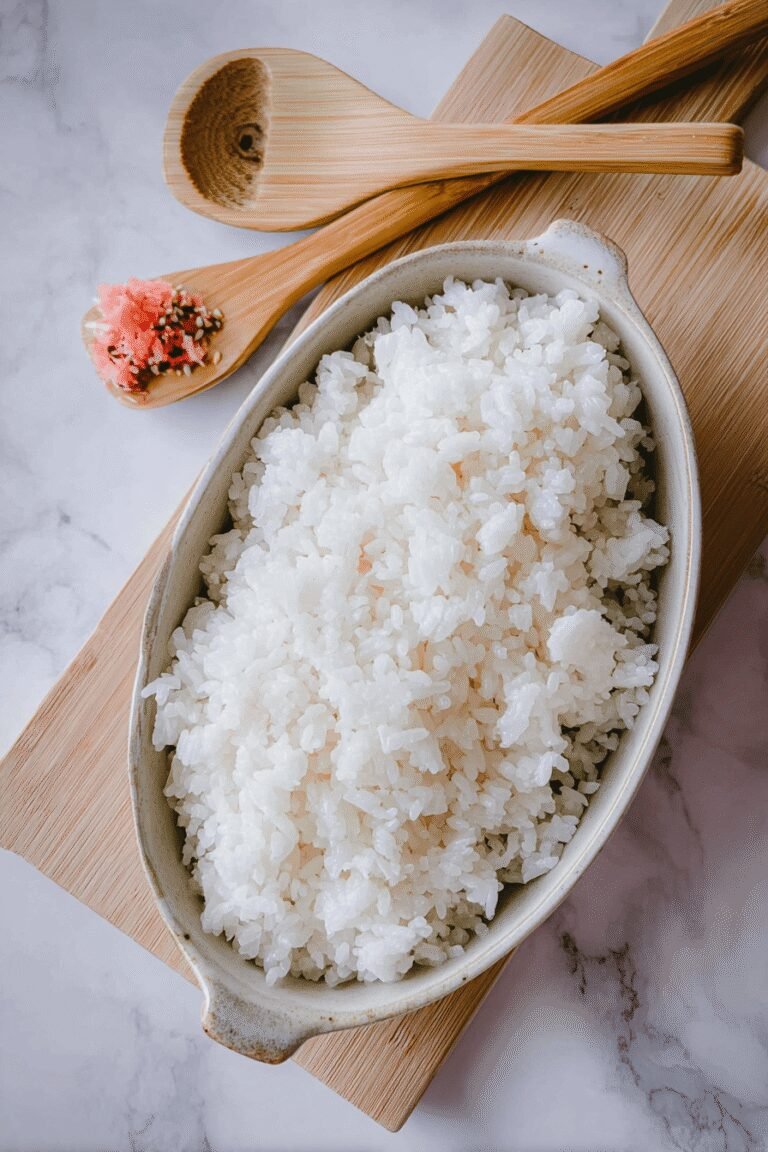
🍚 Master the art of perfect sushi rice with this recipe for sticky and flavorful grains.
🍣 Ideal for sushi lovers, this recipe ensures your rice has the ideal texture and taste every time.
- Total Time: 35 minutes
- Yield: About 4 cups cooked sushi rice
Ingredients
– 2 cups sushi rice (short-grain, plump, firm-textured)
– 2 cups water (or 2 1/4 cups for stovetop method)
– 4-inch square kombu (dried seaweed), optional
– 1/4 cup rice vinegar (unseasoned)
– 4 teaspoons sugar or a natural sweetener like honey
– 1 teaspoon fine sea salt (reduce amount if using table salt)
Instructions
1-First Step: Prepare Your Rice: Rinse the 2 cups of sushi rice thoroughly under cold water until the water runs clear, then drain it well. This step is crucial for removing excess starch and ensuring your rice has the ideal texture for sticky rice. Soaking the rice for 20-30 minutes is optional, but it can help with even cooking if you have time.
2-Cooking Methods: There are a few ways to cook the rice, depending on what you have at home. For a rice cooker, stir the rice and 2 cups of water together, place the optional 4-inch square kombu on top, and cook according to your device’s instructions before discarding the kombu.
If you’re using a pressure cooker, follow the same setup and pressure cook on high for 5 minutes, then let it natural release for 10 minutes, quick release any remaining pressure, and discard the kombu.
For stovetop, stir the rice and 2 1/4 cups of water in a saucepan, add the kombu on top, cover it, bring to a simmer over medium-high heat, then reduce to medium-low and cook for 16-18 minutes until the liquid is absorbed and the rice is tender. Remove from heat, keep covered, and let it steam for 10 minutes before discarding the kombu.
3-Seasoning and Finishing: While the rice cooks, heat the 1/4 cup rice vinegar, 4 teaspoons sugar or honey, and 1 teaspoon fine sea salt in a small pan or microwave until the sugar dissolves. Once the rice is done, transfer it right away to a large mixing bowl and drizzle the vinegar mixture evenly over it.
Gently fold the rice using slicing and lifting motions to mix in the seasoning without crushing the grains this keeps the texture light and perfect for sushi rice types. Cover the rice with a damp towel touching the surface to prevent it from drying out, and let it cool to room temperature. At this point, your seasoned sushi rice recipe is ready to use or store.
Last Step:
Please leave a rating and comment letting us know how you liked this recipe! This helps our business to thrive and continue providing free, high-quality recipes for you.Notes
🍙 Use authentic short-grain sushi rice labeled for best texture.
🍶 Fold rice gently to preserve grain integrity and prevent mushiness.
🌿 Kombu adds umami flavor but can be omitted if unavailable.
- Prep Time: 5 minutes
- Cook Time: 30 minutes
- Cook Time: 30 minutes
- Category: Side Dish
- Method: Cooking, Folding
- Cuisine: Japanese