

Why You’ll Love This Thai Chicken Coconut Curry
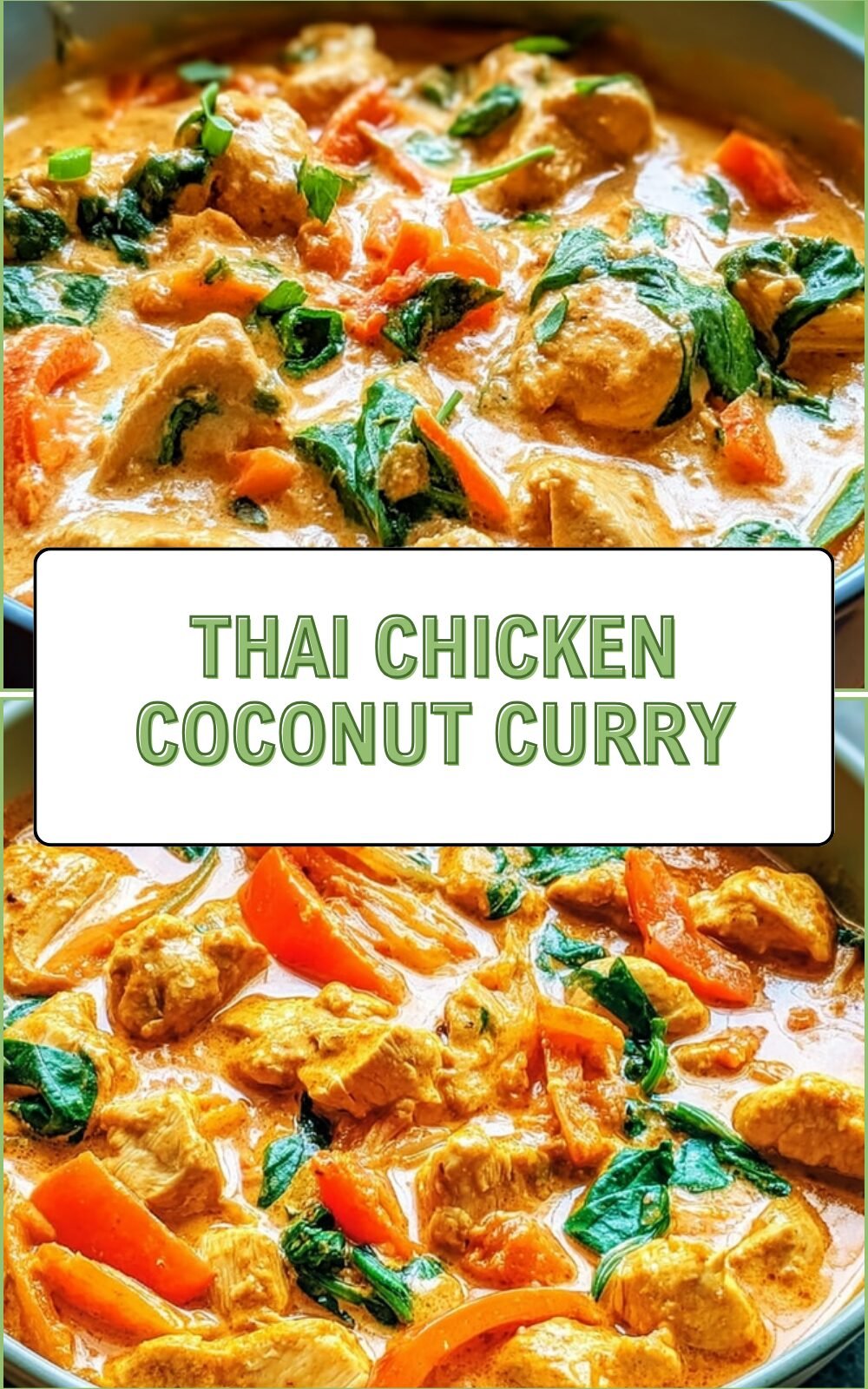
This Thai Chicken Coconut Curry is a quick and flavorful dish that’s perfect for anyone seeking a simple yet satisfying meal. It’s ready in just about 20 minutes, making it an ideal choice for busy evenings when you want something tasty without spending hours in the kitchen. With its naturally gluten-free profile and low-calorie count of around 141 calories per serving, this recipe stands out as a healthy option that fits various dietary needs.
- Ease of preparation: One of the best parts about this Thai Chicken Coconut Curry is how straightforward it is to make, requiring just one skillet and minimal steps. You’ll love how it comes together in around 20 minutes with basic chopping and stirring, allowing even beginner home cooks to create a delicious meal without stress. This makes your Thai Chicken Coconut Curry a fantastic weeknight staple that saves time while delivering that creamy, spicy curry goodness.
- Health benefits: Packed with fresh veggies like spinach and carrots, this coconut curry offers a nutritious boost that’s low in carbs at just 4 grams per serving without rice. It’s a great way to enjoy a low-calorie dish that supports overall wellness, featuring ingredients like coconut milk that provide healthy fats and anti-inflammatory spices from the Thai red curry paste. For those watching their diet, Thai Chicken Coconut Curry becomes a smart, flavorful choice that keeps meals light and nourishing.
- Versatility: This recipe adapts easily to different tastes and restrictions, whether you’re going vegan or need gluten-free options. You can swap proteins or vegetables based on what’s in your fridge, making it a flexible dish for families with varied preferences. Its adaptability ensures that your coconut chicken curry can be a go-to meal for students, busy parents, or anyone exploring new flavors while sticking to their dietary goals.
- Distinctive flavor: What really sets this Thai Chicken Coconut Curry apart is the rich, creamy sauce made from coconut milk and Thai spices that create a perfect balance of heat and tang. The fresh lime juice and cilantro add a bright, aromatic finish that makes every bite exciting and unique. You’ll find this spicy curry dish not only comforting but also full of the authentic tastes that make Thai coconut curry a favorite among food enthusiasts.
Overall, this recipe combines simplicity, nutrition, and bold flavors to create a meal that’s both accessible and exciting. Whether you’re a working professional looking for a quick dinner or a food enthusiast experimenting with new recipes, Thai Chicken Coconut Curry is sure to become a regular in your kitchen.
Essential Ingredients for Thai Chicken Coconut Curry
Main Ingredients
- 2 to 3 tablespoons coconut oil (or olive oil as a substitute) – Provides the base for sautéing and adds a subtle nutty flavor that enhances the overall richness of the Thai Chicken Coconut Curry.
- 1 medium/large sweet onion, diced small – Adds sweetness and depth, forming the aromatic foundation that builds the flavorful profile of this coconut curry dish.
- 1 pound boneless skinless chicken breast, diced – Serves as the lean protein base, offering a tender texture and absorbing the spices for a hearty feel in your Thai Chicken Coconut Curry.
- 3 cloves garlic, finely minced or pressed – Infuses a pungent aroma and sharp taste, essential for the authentic Thai spices that make this creamy curry sauce irresistible.
- 2 to 3 teaspoons ground ginger, or 1 tablespoon fresh ginger, chopped – Brings warmth and zest, complementing the Thai coconut curry with its spicy undertones and health benefits.
- 2 teaspoons ground coriander – Adds earthy notes that deepen the flavor complexity, making your chicken curry more vibrant and well-rounded.
- 1 can (approximately 13.5 ounces) lite coconut milk (or full-fat for a richer result) – Forms the creamy base of the sauce, providing creaminess and a tropical twist to the Thai Chicken Coconut Curry.
- 1 to 1 ½ cups shredded carrots – Contributes sweetness and crunch, while adding nutritional value like vitamins to this low-carb coconut chicken curry.
- 1 to 3 tablespoons Thai curry paste (or curry powder) – Delivers the signature heat and spice, defining the bold character of this Thai coconut curry recipe.
- 1 teaspoon kosher salt – Balances the flavors and enhances the natural tastes of the ingredients in your creamy curry sauce.
- ½ teaspoon freshly ground black pepper – Adds a slight kick and depth, rounding out the seasoning in this spicy Thai Chicken Coconut Curry.
- About 3 cups fresh spinach leaves – Provides a nutritious green element that wilts beautifully, adding volume and health benefits to the dish.
- 1 tablespoon lime juice – Brightens the flavors with acidity, giving your Thai Chicken Coconut Curry a fresh, tangy finish.
- 1 to 2 tablespoons brown sugar (optional, for sweetness) – Helps adjust the sweetness, balancing the heat from the curry paste in this coconut curry.
- ¼ cup fresh cilantro, chopped (for garnish) – Offers a burst of herbal freshness, perfect for topping off your completed Thai Chicken Coconut Curry.
- Optional for serving: Rice, quinoa, or naan (not included in the base recipe) – Complements the meal by soaking up the sauce, though they’re not part of the core ingredients.
Special Dietary Options
- Vegan options: For a plant-based version of Thai Chicken Coconut Curry, swap the chicken with 1 pound firm tofu or tempeh, use full-fat coconut cream instead of lite coconut milk for creaminess, and opt for a vegan fish sauce alternative like soy-based versions to maintain that umami flavor.
- Gluten-free options: This recipe is naturally gluten-free, but ensure your Thai curry paste is certified gluten-free; if needed, use tamari in place of any soy-based ingredients to keep your coconut chicken curry safe for gluten-sensitive diets.
- Low-calorie options: To lighten things up, choose lite coconut milk, lean chicken breast, and increase vegetables like shredded carrots to 2 cups for more fiber, helping keep the calorie count low in this Thai coconut curry dish.
How to Prepare the Perfect Thai Chicken Coconut Curry: Step-by-Step Guide
This Thai Chicken Coconut Curry comes together quickly in one skillet, making it a breeze for home cooks. Follow these steps to create a creamy and spicy dish that’s full of flavor. We’ll incorporate adaptations for different diets along the way to keep it versatile.
First Step: Heat 2 to 3 tablespoons of coconut oil in a large skillet over medium-high heat, then add 1 medium or large diced sweet onion and sauté for about 5 minutes until it softens. This step builds the base flavor, and for a vegan version, you can use the same oil but prepare tofu separately to avoid sogginess.
Second Step: Add 1 pound of diced boneless skinless chicken breast to the skillet and cook for about 5 minutes until it’s fully cooked through, stirring frequently to ensure even browning. If you’re making a pescatarian adaptation, swap in shrimp and reduce the cooking time to 2-3 minutes to prevent overcooking, while adjusting the Thai curry paste for a milder flavor.
Third Step: Stir in 3 cloves of finely minced garlic, 2 to 3 teaspoons of ground ginger (or 1 tablespoon fresh chopped ginger), and 2 teaspoons of ground coriander, then cook for about 1 minute until the mixture becomes fragrant. This aromatic step is key for the Thai spices; for low-calorie preferences, use fresh ginger to add zest without extra calories, and ensure your curry paste is light if watching fat intake.
Fourth Step: Pour in 1 can of lite coconut milk, 1 to 1 ½ cups of shredded carrots, 1 to 3 tablespoons of Thai curry paste, 1 teaspoon of kosher salt, and ½ teaspoon of freshly ground black pepper; reduce the heat to medium and let it simmer for 5 minutes or until the sauce thickens slightly. Here, you can adjust for gluten-free needs by checking the curry paste label, and for vegetarian variations, add more veggies like bell peppers to bulk it up without meat.
Fifth Step: Mix in about 3 cups of fresh spinach leaves and 1 tablespoon of lime juice, then cook for 1 to 2 minutes until the spinach wilts and incorporates into the sauce. This adds freshness and nutrition; if making it spicier, add extra curry paste here, or for a milder version, reduce it initially and taste as you go.
Sixth Step: Taste the curry and adjust seasoning with 1 to 2 tablespoons of brown sugar if desired, plus more Thai curry paste, salt, or pepper to balance the flavors. This is a good point for substitutions, like using chickpeas for a vegan twist or light coconut milk for lower calories, ensuring the sauce remains creamy without splitting.
Final Step: Garnish with ¼ cup of chopped fresh cilantro and serve warm, optionally with rice, quinoa, or naan. For meal prep, portion it for reheating, and remember to stir in a splash of water if it’s thickened for variations, try adding extra vegetables like cauliflower to enhance the Thai Chicken Coconut Curry’s texture and nutrition.

Dietary Substitutions to Customize Your Thai Chicken Coconut Curry
Protein and Main Component Alternatives
When adapting Thai Chicken Coconut Curry, switching the main protein can make it suit various diets. For a vegan option, use 1 pound of firm, pressed tofu; cut it into cubes and cook for 3-4 minutes to avoid it breaking apart, which adds a chewy texture and absorbs the creamy curry sauce well.
For pescatarian choices, swap in 1 pound of shrimp or firm fish, reducing cooking time to 2-3 minutes to keep it tender, and adjust seasoning by adding less curry paste to prevent overpowering the delicate flavors. If using lean turkey, replace the chicken with 1 pound diced turkey and increase simmering time by 2 minutes for full cooking, as it can dry out if overdone, offering a lighter protein alternative.
Seitan works great for a high-protein vegan version use 1 pound and marinate it briefly in the curry paste mix before adding, but note it contains gluten so it’s not suitable for those with intolerances. These swaps help maintain the dish’s balance while considering allergens like dairy or nuts in the curry paste.
Vegetable, Sauce, and Seasoning Modifications
Customizing vegetables in Thai Chicken Coconut Curry lets you use seasonal picks, like swapping shredded carrots for 1 ½ cups of bell peppers or snap peas for a crunchier bite, which adds more vitamins and keeps the dish low-carb. For higher-fiber options, increase spinach to 4 cups or add eggplant, adjusting simmer time by 2-3 minutes to ensure everything cooks evenly without watering down the sauce.
In terms of sauce, opt for lite coconut milk to reduce calories or coconut cream for extra richness, and use tamari instead of salt for a gluten-free twist, which enhances umami without altering the creamy consistency. Seasoning tweaks include reducing Thai curry paste to 1 tablespoon for milder heat or adding fresh chilies for more spice, and substituting lime juice with lemon if needed, always tasting to keep the flavor harmonious.
For aroma, incorporate kaffir lime leaves or extra cilantro, but if fish sauce is desired (though not in the original), use a vegan alternative and adjust quantities to maintain the sauce’s thickness quick tip: simmer longer if it gets too thin.
Mastering Thai Chicken Coconut Curry: Advanced Tips and Variations
To take your Thai Chicken Coconut Curry to the next level, focus on pro techniques like blooming the curry paste in oil first this means heating it for 1-2 minutes over medium heat to release deeper flavors before adding other ingredients. Another key is searing the chicken properly for a golden crust, which locks in juices and improves the overall texture of the dish.
For flavor variations, try a massaman-style by adding potatoes and peanuts, creating a heartier version of this coconut chicken curry. You could also switch to green curry paste for a fresher twist, incorporating extra herbs like basil to change up the profile while keeping the essence of Thai coconut curry intact.
Presentation matters too; serve in colorful bowls with garnishes such as sliced chilies, torn basil, or toasted coconut for visual appeal, and pair with jasmine rice for contrast. Make-ahead options include prepping veggies and paste ahead, storing them separately in the fridge for up to two days, then gently reheating the curry to preserve its creamy texture.
How to Store Thai Chicken Coconut Curry: Best Practices
Proper storage keeps your Thai Chicken Coconut Curry fresh and tasty for later. For refrigeration, cool the dish within 2 hours and place it in airtight containers, where it stays good for up to 3-4 days; remember, the coconut milk might thicken, so stir it before reheating.
When freezing, let the curry cool fully first, then use freezer-safe bags or containers with some headspace to allow for expansion, keeping it frozen for 2-3 months; thaw overnight in the fridge for the best results. For reheating, use a stovetop on low-medium heat and add a bit of water or coconut milk to loosen the sauce, ensuring it reaches 165°F internally without boiling to avoid separation.
Meal prep is easy portion into single servings, store rice separately to prevent sogginess, and label with dates for quick lunches at work, making Thai Chicken Coconut Curry a convenient option all week.
FAQs: Frequently Asked Questions About Thai Chicken Coconut Curry
How many calories and carbs are in a serving of Thai Chicken Coconut Curry?
Can I use curry powder instead of Thai curry paste in this recipe?
How long does it take to prepare Thai Chicken Coconut Curry from start to finish?
What are some good side dishes to serve with Thai Chicken Coconut Curry?
Can I make ingredient substitutions in Thai Chicken Coconut Curry without affecting the dish?
Thai Chicken Coconut Curry
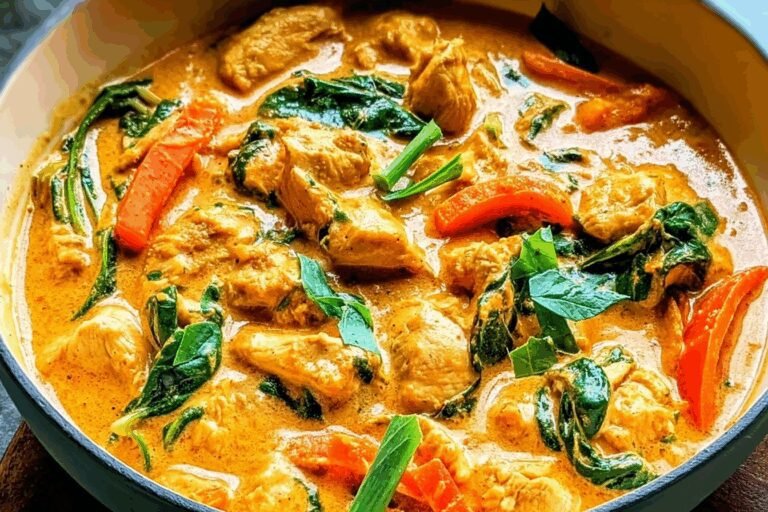
🍛 Enjoy a quick and flavorful Thai Chicken Coconut Curry with rich spices and a creamy coconut milk sauce.
🌿 This easy one-skillet dish is nutritious, naturally gluten-free, and perfect for busy weeknights or meal prep.
- Total Time: 30 minutes
- Yield: 4–6 servings 1x
Ingredients
2 to 3 tablespoons coconut oil (or olive oil as a substitute) Provides the base for sautéing and adds a subtle nutty flavor that enhances the overall richness of the Thai Chicken Coconut Curry.
1 medium/large sweet onion, diced small Adds sweetness and depth, forming the aromatic foundation that builds the flavorful profile of this coconut curry dish.
1 pound boneless skinless chicken breast, diced Serves as the lean protein base, offering a tender texture and absorbing the spices for a hearty feel in your Thai Chicken Coconut Curry.
3 cloves garlic, finely minced or pressed Infuses a pungent aroma and sharp taste, essential for the authentic Thai spices that make this creamy curry sauce irresistible.
2 to 3 teaspoons ground ginger, or 1 tablespoon fresh ginger, chopped Brings warmth and zest, complementing the Thai coconut curry with its spicy undertones and health benefits.
2 teaspoons ground coriander Adds earthy notes that deepen the flavor complexity, making your chicken curry more vibrant and well-rounded.
1 can (approximately 13.5 ounces) lite coconut milk (or full-fat for a richer result) Forms the creamy base of the sauce, providing creaminess and a tropical twist to the Thai Chicken Coconut Curry.
1 to 1 ½ cups shredded carrots Contributes sweetness and crunch, while adding nutritional value like vitamins to this low-carb coconut chicken curry.
1 to 3 tablespoons Thai curry paste (or curry powder) Delivers the signature heat and spice, defining the bold character of this Thai coconut curry recipe.
1 teaspoon kosher salt Balances the flavors and enhances the natural tastes of the ingredients in your creamy curry sauce.
½ teaspoon freshly ground black pepper Adds a slight kick and depth, rounding out the seasoning in this spicy Thai Chicken Coconut Curry.
About 3 cups fresh spinach leaves Provides a nutritious green element that wilts beautifully, adding volume and health benefits to the dish.
1 tablespoon lime juice Brightens the flavors with acidity, giving your Thai Chicken Coconut Curry a fresh, tangy finish.
1 to 2 tablespoons brown sugar (optional, for sweetness) Helps adjust the sweetness, balancing the heat from the curry paste in this coconut curry.
¼ cup fresh cilantro, chopped (for garnish) Offers a burst of herbal freshness, perfect for topping off your completed Thai Chicken Coconut Curry.
Instructions
1-First Step: Heat 2 to 3 tablespoons of coconut oil in a large skillet over medium-high heat, then add 1 medium or large diced sweet onion and sauté for about 5 minutes until it softens. This step builds the base flavor, and for a vegan version, you can use the same oil but prepare tofu separately to avoid sogginess.
2-Second Step: Add 1 pound of diced boneless skinless chicken breast to the skillet and cook for about 5 minutes until it’s fully cooked through, stirring frequently to ensure even browning. If you’re making a pescatarian adaptation, swap in shrimp and reduce the cooking time to 2-3 minutes to prevent overcooking, while adjusting the Thai curry paste for a milder flavor.
3-Third Step: Stir in 3 cloves of finely minced garlic, 2 to 3 teaspoons of ground ginger (or 1 tablespoon fresh chopped ginger), and 2 teaspoons of ground coriander, then cook for about 1 minute until the mixture becomes fragrant. This aromatic step is key for the Thai spices; for low-calorie preferences, use fresh ginger to add zest without extra calories, and ensure your curry paste is light if watching fat intake.
4-Fourth Step: Pour in 1 can of lite coconut milk, 1 to 1 ½ cups of shredded carrots, 1 to 3 tablespoons of Thai curry paste, 1 teaspoon of kosher salt, and ½ teaspoon of freshly ground black pepper; reduce the heat to medium and let it simmer for 5 minutes or until the sauce thickens slightly. Here, you can adjust for gluten-free needs by checking the curry paste label, and for vegetarian variations, add more veggies like bell peppers to bulk it up without meat.
5-Fifth Step: Mix in about 3 cups of fresh spinach leaves and 1 tablespoon of lime juice, then cook for 1 to 2 minutes until the spinach wilts and incorporates into the sauce. This adds freshness and nutrition; if making it spicier, add extra curry paste here, or for a milder version, reduce it initially and taste as you go.
6-Sixth Step: Taste the curry and adjust seasoning with 1 to 2 tablespoons of brown sugar if desired, plus more Thai curry paste, salt, or pepper to balance the flavors. This is a good point for substitutions, like using chickpeas for a vegan twist or light coconut milk for lower calories, ensuring the sauce remains creamy without splitting.
7-Final Step: Garnish with ¼ cup of chopped fresh cilantro and serve warm, optionally with rice, quinoa, or naan. For meal prep, portion it for reheating, and remember to stir in a splash of water if it’s thickened for variations, try adding extra vegetables like cauliflower to enhance the Thai Chicken Coconut Curry’s texture and nutrition.
Last Step:
Please leave a rating and comment letting us know how you liked this recipe! This helps our business to thrive and continue providing free, high-quality recipes for you.Notes
🌶️ Adjust the amount of Thai curry paste to control the spice level, using between 1 to 3 tablespoons.
🥕 Add extra vegetables such as cauliflower, bell peppers, tomatoes, or edamame for variety.
🥡 This curry improves in flavor after refrigeration; store leftovers in an airtight container for up to five days or freeze for up to three months.
- Prep Time: 10 minutes
- Cook Time: 20 minutes
- Category: Main Course
- Method: Sautéing and Simmering
- Cuisine: Thai
- Diet: Gluten-Free
Nutrition
- Serving Size: 1 serving
- Calories: 474
- Sugar: 7g
- Sodium: 445mg
- Fat: 25g
- Saturated Fat: 19g
- Unsaturated Fat: 4g
- Trans Fat: 0g
- Carbohydrates: 34g
- Fiber: 5g
- Protein: 32g
- Cholesterol: 66mg