
Why You’ll Love This Thanksgiving Stuffing
I cannot even begin to tell you how many Thanksgiving dinners I’ve attended where the stuffing was, well, let’s just say – less than memorable. But this buttery herb stuffing? Oh my goodness, it’s the dish that literally has people fighting over the last scoop! The perfect blend of herbs creates an aroma that fills your entire kitchen and tells everyone something amazing is about to happen. The ease of preparation makes this Thanksgiving stuffing recipe an absolute game-changer. With simple steps and minimal fuss, you’ll create a side dish that looks like you spent hours perfecting it. No complicated techniques or fancy equipment needed – just straightforward cooking that delivers spectacular results every single time.Health Benefits You’ll Appreciate
While we all love the indulgence of Thanksgiving, this stuffing brings some wholesome goodness to the table too. Packed with fiber from the bread and loaded with fresh herbs like sage, parsley, and rosemary, you’re getting a side dish that contributes valuable nutrients to your holiday feast. These herbs aren’t just flavorful – they’re packed with antioxidants and have anti-inflammatory properties. The onions and garlic add their own health benefits, including supporting immune function and heart health. So while you’re enjoying every bite, you can feel good knowing you’re nourishing your body too!Extreme Versatility for Every Table
One of the things I absolutely LOVE about this recipe is how adaptable it is. Whether you’re cooking for vegans, gluten-free folks, or just trying to watch calories, this herb stuffing can easily be customized without sacrificing that amazing flavor. Need to make it dairy-free? Swap the butter for your favorite plant-based alternative. Serving gluten-free guests? Simply use gluten-free bread cubes. The recipe is your canvas, and the end result is always delicious. This flexibility means you can make one version that pleases everyone rather than cooking multiple dishes.That Unforgettable Flavor Profile
Let’s talk about what really matters – the TASTE! This isn’t your average bland stuffing. The combination of buttery richness, fresh herbs, and perfectly cooked vegetables creates a depth of flavor that will have everyone asking for your recipe. There’s something magical about how the sage, parsley, and rosemary work together to create that classic Thanksgiving taste we all crave, while the sweet onions and celery add that essential aromatic base. Every bite is the perfect balance of savory, herby, and comforting goodness that pairs beautifully with turkey and all your other holiday favorites.Essential Ingredients for Thanksgiving Stuffing
Before we dive into making this showstopper side dish, let’s talk about what you’ll need. The beauty of this buttery herb stuffing recipe lies in its simplicity – we’re using straightforward ingredients that come together to create something extraordinary.The Complete Ingredient List
* 18 to 24 ounces bread cubes (preferably toasted or stale) * 1 cup butter * 3 cups diced sweet onion (roughly 2 large onions) * 2 cups diced celery * 6 cloves garlic, minced * Kosher salt and pepper (to taste) * 3 tablespoons chopped fresh sage * 3 tablespoons chopped fresh parsley * 3 tablespoons chopped fresh rosemary * 2 1/2 cups chicken or vegetable stock * 2 eggs * A mixture of fresh herbs (for sprinkling)Understanding Key Ingredients
The bread is literally the foundation of great stuffing. Using 18-24 ounces of slightly stale or toasted bread cubes creates the perfect texture – crispy on the outside but tender enough to absorb all those delicious flavors. I’ve found that a mix of different bread types (like sourdough, whole wheat, and a little French bread) creates the most interesting texture and flavor profile. Butter is where we get that rich, luxurious mouthfeel that makes this stuffing absolutely irresistible. One full cup might seem like a lot, but remember – we’re making enough to feed a crowd! And honestly, the holidays are the time to embrace a little indulgence. The holy trinity of Thanksgiving stuffing – onions, celery, and garlic – forms the savory backbone of our dish. When sautéed in butter, they become sweet and aromatic, creating a flavor base that’s simply unbeatable.The Magic of Fresh Herbs
Oh my gosh, can we talk about how FRESH herbs make all the difference? The combination of sage, parsley, and rosemary gives this herbed stuffing its distinctive flavor profile. Sage brings that earthy, slightly peppery taste we associate with Thanksgiving, parsley adds a bright freshness, and rosemary contributes pine-like notes that complement the other flavors perfectly. I cannot stress enough how using fresh herbs rather than dried transforms this dish from good to absolutely unforgettable. If you’ve ever wondered why restaurant stuffing tastes so much better than homemade, it often comes down to the quality and freshness of the herbs.| Herb | Flavor Characteristics | Role in Stuffing |
|---|---|---|
| Sage | Earthy, slightly peppery | Provides traditional Thanksgiving flavor |
| Parsley | Fresh, bright, slightly grassy | Balances richness and adds color |
| Rosemary | Pine-like, aromatic | Adds depth and complexity |
How to Prepare the Perfect Thanksgiving Stuffing: Step-by-Step Guide
Okay, let’s get down to business and make some magic happen in your kitchen! I’m going to walk you through every step of creating this amazing Thanksgiving stuffing with herbs that will have your guests hovering around the kitchen all afternoon.Preparing Your Bread Base
First things first – get that bread ready! Using stale bread cubes is ideal because they’ll absorb the liquid without getting mushy. If your bread is fresh, no worries! Just spread the cubes on a baking sheet and toast them at 350°F for about 15 minutes until they’re lightly golden and slightly crunchy. While your bread is toasting, go ahead and preheat your oven to 350°F and grease a 9×13-inch baking dish. Place your prepared bread cubes in a large bowl or directly into your baking dish – whichever is easier for you to work with.Cooking the Aromatic Base
Now we’re getting to the good stuff – the part that makes your kitchen smell absolutely incredible! Grab a large skillet or Dutch oven and melt your butter over medium heat. Once melted, add those diced sweet onions, celery, and minced garlic along with a good pinch of kosher salt and pepper. Cook this mixture for about 8-10 minutes, stirring occasionally, until the vegetables have softened and become fragrant. You want the onions to be translucent and the celery to be tender but still with a slight crunch – nobody likes mushy celery in their stuffing! Once your vegetables are perfectly softened, stir in the chopped fresh sage, parsley, rosemary, and 1 cup of the stock. Let this cook for just 1 more minute to allow the herbs to release their incredible aroma into the mixture.The secret to deeply flavorful stuffing is cooking the herbs briefly in the butter and vegetable mixture before combining with the bread. This step awakens the essential oils in the herbs and infuses the entire dish with their flavor!
Bringing Everything Together
Pour that glorious vegetable and herb mixture over your prepared bread cubes and toss everything together gently to coat. You want all those beautiful flavors to start seeping into the bread. In a small bowl whisk together the remaining 1½ cups of stock and the eggs until well combined. This egg and stock mixture is what’s going to give our stuffing that perfect moisture and binding – no dry, crumbly stuffing here! Pour this mixture over the bread and vegetables, stirring thoroughly to combine everything. Make sure to get into all the corners of the bowl so every single bread cube gets some of that delicious liquid love.The Final Bake
Transfer your stuffing mixture to the prepared baking dish if it’s not already in there. Spread it into an even layer and pop it into your preheated oven. Bake for 45-50 minutes, or until the internal temperature reaches 160°F. Keep an eye on it as it bakes – if the top starts to get too brown before the inside is done, simply cover it loosely with foil for the remainder of the cooking time. You’re looking for a golden top with slightly crispy edges but a moist, tender interior.Serving Size Adjustments
This recipe makes plenty for 8-12 people, but sometimes you need to adjust based on your crowd:- For fewer servings (4-6 people), simply halve the recipe and bake in an 8×8 or 9×9-inch dish. The baking time remains the same.
- For larger gatherings (16-24 people), double the recipe and use a larger baking dish or two 9×13-inch dishes. You may need to add 5-10 minutes to the baking time.

Dietary Substitutions to Customize Your Thanksgiving Stuffing
One of my absolute favorite things about this recipe is how easily it adapts to different dietary needs without losing that incredible flavor. Let’s look at some simple swaps that will keep everyone happy and well-fed this holiday season.Vegan and Dairy-Free Options
Making this stuffing vegan is surprisingly easy! Simply swap the butter for your favorite plant-based butter alternative. I’ve had great success with both coconut oil-based and olive oil-based vegan butters – they both provide that rich, creamy mouthfeel we’re looking for. For the eggs, you can use a commercial egg replacer or create your own by mixing 2 tablespoons of ground flaxseed with 6 tablespoons of water. Let it sit for a few minutes until it thickens, and then use it exactly as you would the eggs in the recipe. And of course, make sure to use vegetable stock instead of chicken stock. These simple changes create a vegan stuffing that’s every bit as delicious as the original version – I’ve served this to non-vegan guests who had no idea they were eating a plant-based dish!Gluten-Free Adaptations
Going gluten-free doesn’t mean giving up on amazing Thanksgiving stuffing! The key is choosing the right gluten-free bread. Look for sturdy gluten-free bread that’s not too soft or spongy. Sourdough-style gluten-free breads tend to work particularly well. Cube and toast your gluten-free bread just as you would regular bread, but keep in mind that it might absorb liquid differently. You may need to adjust the amount of stock slightly – add it gradually until you reach that perfect moist but not soggy consistency. And always double-check that your broth is gluten-free, especially if using a store-bought version. Some broths contain gluten-based additives or thickeners that might not be immediately obvious from the packaging.Lower-Calorie Modifications
If you’re looking to lighten things up a bit without sacrificing flavor, there are several easy modifications you can make. You can reduce the butter to 3/4 cup and replace the remaining 1/4 cup with additional broth. This keeps the moisture level right while cutting down on saturated fat. Another great trick is to increase the ratio of vegetables to bread, which adds nutrients and fiber while reducing calories per serving. Additions like mushrooms, zucchini, or even grated carrots add bulk and nutrients without compromising on taste. If you’re serving this alongside other rich holiday dishes, consider making half the recipe regular and half with these modifications. That way, guests can choose according to their preferences and dietary needs.Mastering Thanksgiving Stuffing: Advanced Tips and Variations
Now that you have the basics down, let’s take your herbed stuffing game to the next level! These professional tips and creative variations will help you create a stuffing that’s not just delicious, but truly memorable.Pro Cooking Techniques
Toasting the bread cubes before adding them to the stuffing mixture? Game. Changer. This simple step creates a slight barrier on the outside of the bread cubes, preventing them from becoming mushy while allowing them to absorb just the right amount of liquid. The result is a stuffing with the perfect texture – crispy edges with a tender, moist center. Another professional secret is making your own stock instead of using store-bought. Homemade broth has a depth of flavor that simply can’t be matched by commercial versions. If you have time, make a batch using turkey or chicken bones, vegetables, and herbs. The difference it makes in your final stuffing is absolutely worth the extra effort. When sautéing your vegetables, resist the urge to rush the process. Cooking them slowly over medium heat allows their natural sugars to caramelize, adding incredible depth and complexity to your stuffing. This isn’t a step to hurry through – it’s where much of the flavor foundation is built!Exciting Flavor Variations
Once you’ve mastered the classic recipe, don’t be afraid to get creative! Adding dried cranberries and toasted walnuts creates a sweet and nutty variation that’s absolutely divine. The tartness of the cranberries cuts through the richness of the butter, while the walnuts add a satisfying crunch. For a Southwest-inspired twist, try adding diced green chilies, corn, and a sprinkle of cumin and coriander along with your traditional herbs. Serve this version alongside chipotle mashed potatoes for a Thanksgiving dinner with a delicious kick! I’ve also created a fantastic mushroom and leek variation by increasing the mushroom quantity and replacing half the onions with thinly sliced leeks. Adding a splash of white wine while cooking the vegetables creates a sophisticated flavor that still feels perfectly at home on the Thanksgiving table.Presentation Tips and Make-Ahead Options
Let’s talk about making your herb stuffing look as amazing as it tastes! A simple sprinkle of fresh herbs on top before serving adds a pop of color and tells everyone this is a fresh, homemade dish with care put into every detail. Parsley and sage look particularly beautiful against the golden-brown surface of the baked stuffing. For a stunning presentation, consider baking individual portions in muffin tins instead of one large dish. These “stuffing muffins” have crispy edges all around and look incredibly elegant on a holiday plate. Plus, they make portion control a breeze! The best news? This recipe can be completely prepared a day ahead and refrigerated before baking. In fact, many people think the flavors develop even more when given time to mingle overnight. On Thanksgiving day, simply pop it in the oven (you may need to add 5-10 minutes to the baking time if going into the oven cold) while you focus on other dishes. This make-ahead option is an absolute lifesaver when you’re trying to coordinate a big holiday meal!How to Store Thanksgiving Stuffing: Best Practices
Let’s be real – sometimes the leftovers are even better than the main event! Knowing how to properly store your delicious buttery herb stuffing means you can enjoy those incredible flavors for days after the big feast.Refrigeration Guidelines
Once your Thanksgiving feast is done and everyone has had their fill (and maybe some seconds), transfer any leftover stuffing to an airtight container within two hours of cooking. This prevents any potential bacterial growth and keeps your leftovers safe to eat. Stored properly in the refrigerator, your stuffing will maintain its quality for 3-4 days. Make sure your refrigerator is set at or below 40°F to ensure food safety. Those delicious flavors will still be fantastic the next day – I actually think the herbs have even more time to work their magic!Freezing for Longer Storage
If you’ve made a large batch or simply want to save some of your amazing herb stuffing for later, freezing is a fantastic option. Allow the stuffing to cool completely, then wrap it tightly in freezer-safe packaging. For best results, I recommend portioning the stuffing before freezing. This way you can just thaw what you need rather than defrosting the entire batch. Properly frozen, your stuffing will maintain its quality for up to 2 months. When you’re ready to enjoy your frozen stuffing, it’s best to thaw it overnight in the refrigerator before reheating. This ensures even reheating and maintains the best texture. If you’re in a hurry, you can reheat from frozen, but you’ll need to add extra time and possibly a little additional broth to prevent drying out.Reheating for Maximum Deliciousness
Reheating stuffing properly is key to maintaining that perfect texture. Forget the microwave – it often makes stuffing soggy or unevenly heated. Instead, reheat your stuffing in the oven at 350°F. Place the stuffing in an oven-safe dish and cover it with foil to prevent it from drying out. If it seems a bit dry, add a small amount of broth or sprinkle with water before covering. Heat until the internal temperature reaches 165°F (about 20-30 minutes, depending on quantity). Remove the foil for the last 5-10 minutes to recrisp the top. For those irresistible crispy bits, try reheating in a skillet with a small knob of butter over medium heat. This method won’t work for large quantities, but for a quick single serving, it creates that amazing texture that makes stuffing so irresistible.Meal Prep and Creative Leftover Ideas
Don’t just reheat your stuffing as-is – get creative with those leftovers! One of my favorite ways to repurpose leftover stuffing is to make “stuffing waffles.” Simply press cold stuffing into a preheated waffle iron and cook until golden and crispy. Top with a fried egg for an incredible next-day breakfast! Another brilliant idea is using leftover stuffing as a filling for bell peppers. Hollow out bell peppers, pack with stuffing, top with a little cheese, and bake until the peppers are tender. It’s a completely new dish that feels nothing like leftovers! Portion your stuffing into individual containers for easy grab-and-go lunches throughout the week. It reheats beautifully in the office microwave and makes a satisfying midday meal that will have all your coworkers asking what smells so amazing!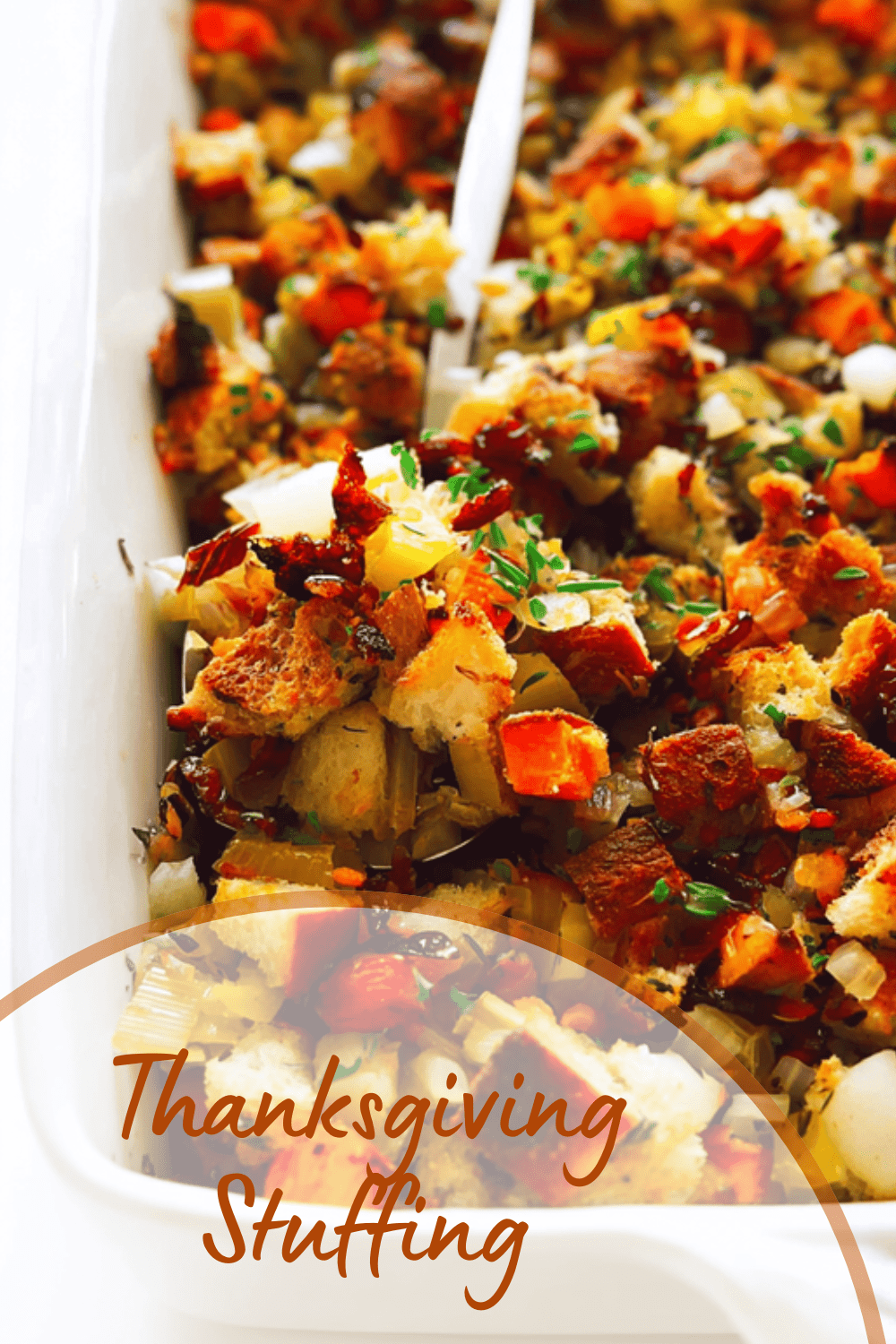
FAQs: Frequently Asked Questions About Thanksgiving Stuffing
What is the best type of bread to use for Thanksgiving stuffing?
How do I keep stuffing moist without it being soggy?
Can Thanksgiving stuffing be made ahead of time?
Is it safe to cook stuffing inside the turkey?
What are some popular herbs and spices to use in Thanksgiving stuffing?
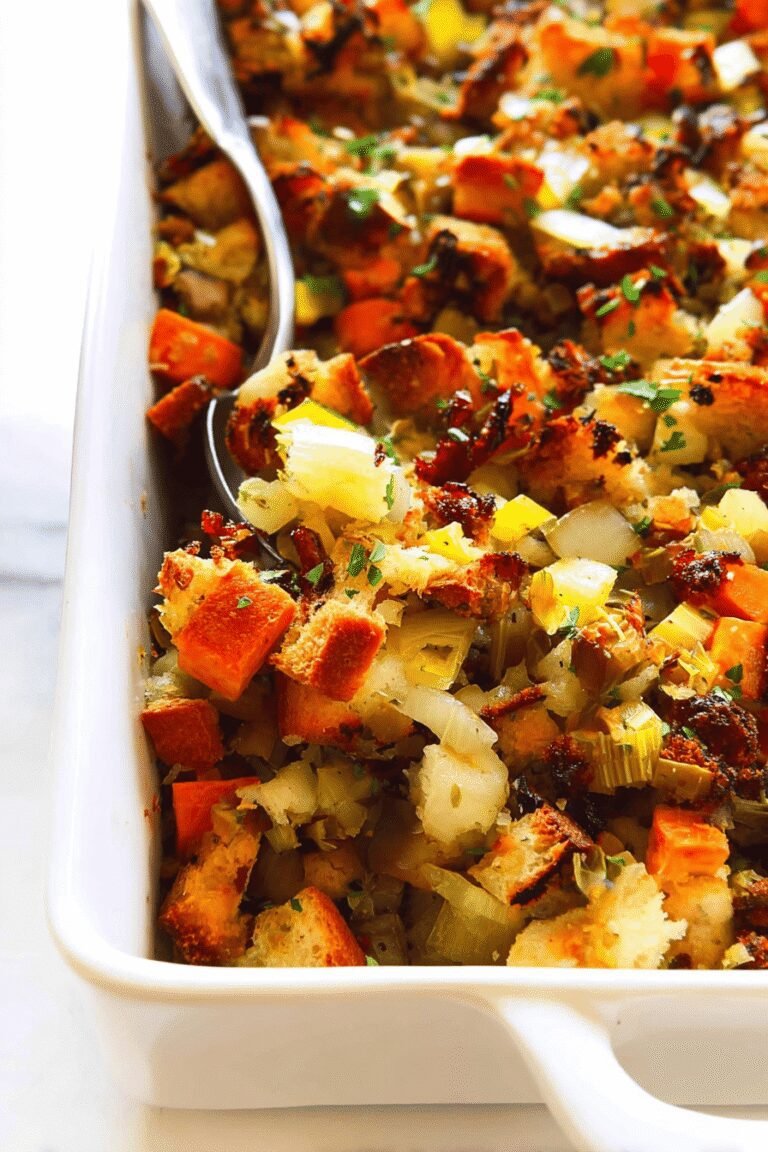
Thanksgiving Stuffing
🦃 Stuffing Infused with Buttery Herbs for Amazing Flavor offers a rich, savory dish perfect for holiday celebrations and family dinners.
🌿 This recipe combines fresh herbs and buttery goodness to enhance classic bread stuffing with exceptional taste and texture.
- Total Time: 1 hour 35 minutes
- Yield: 8 to 12 servings
Ingredients
– 18 to 24 ounces bread cubes
– 1 cup butter
– 3 cups diced sweet onion
– 2 cups diced celery
– 6 cloves garlic, minced
– Kosher salt and pepper to taste
– 3 tablespoons chopped fresh sage for traditional Thanksgiving flavor
– 3 tablespoons chopped fresh parsley to balance richness and add color
– 3 tablespoons chopped fresh rosemary for depth and complexity
– 2 1/2 cups chicken or vegetable stock
– 2 eggs
– A mixture of fresh herbs for sprinkling
Instructions
1-Preparing Your Bread Base: First things first – get that bread ready! Using stale bread cubes is ideal because they’ll absorb the liquid without getting mushy. If your bread is fresh, no worries! Just spread the cubes on a baking sheet and toast them at 350°F for about 15 minutes until they’re lightly golden and slightly crunchy. While your bread is toasting, go ahead and preheat your oven to 350°F and grease a 9×13-inch baking dish. Place your prepared bread cubes in a large bowl or directly into your baking dish – whichever is easier for you to work with.
2-Cooking the Aromatic Base: Now we’re getting to the good stuff – the part that makes your kitchen smell absolutely incredible! Grab a large skillet or Dutch oven and melt your butter over medium heat. Once melted, add those diced sweet onions, celery, and minced garlic along with a good pinch of kosher salt and pepper. Cook this mixture for about 8-10 minutes, stirring occasionally, until the vegetables have softened and become fragrant. You want the onions to be translucent and the celery to be tender but still with a slight crunch – nobody likes mushy celery in their stuffing! Once your vegetables are perfectly softened, stir in the chopped fresh sage, parsley, rosemary, and 1 cup of the stock. Let this cook for just 1 more minute to allow the herbs to release their incredible aroma into the mixture.
3-Bringing Everything Together: Pour that glorious vegetable and herb mixture over your prepared bread cubes and toss everything together gently to coat. You want all those beautiful flavors to start seeping into the bread. In a small bowl whisk together the remaining 1½ cups of stock and the eggs until well combined. This egg and stock mixture is what’s going to give our stuffing that perfect moisture and binding – no dry, crumbly stuffing here! Pour this mixture over the bread and vegetables, stirring thoroughly to combine everything. Make sure to get into all the corners of the bowl so every single bread cube gets some of that delicious liquid love.
4-The Final Bake: Transfer your stuffing mixture to the prepared baking dish if it’s not already in there. Spread it into an even layer and pop it into your preheated oven. Bake for 45-50 minutes, or until the internal temperature reaches 160°F. Keep an eye on it as it bakes – if the top starts to get too brown before the inside is done, simply cover it loosely with foil for the remainder of the cooking time. You’re looking for a golden top with slightly crispy edges but a moist, tender interior.
Last Step:
Please leave a rating and comment letting us know how you liked this recipe! This helps our business to thrive and continue providing free, high-quality recipes for you.Notes
🍞 Using a mix of bread types improves texture and flavor.
❄️ Prepare the stuffing a day ahead and reheat before serving to save time.
🥘 If freezing, wrap tightly and add extra cooking time when baking from frozen.
- Prep Time: 45 minutes
- Bake Time: 45-50 minutes
- Cook Time: 45-50 minutes
- Category: Side Dish
- Method: Baking
- Cuisine: American