

Why You’ll Love This Watermelon Mochi
If you have been looking for a fun summer sweet that feels fresh, playful, and easy to make, Watermelon Mochi is a lovely choice. This chewy treat brings together the soft texture of mochi and the bright flavor of ripe watermelon in a way that feels light and satisfying.
- Easy to make: This Watermelon Mochi Recipe only takes about 20 minutes total, with simple stirring and chilling steps. That makes it a great pick for busy parents, students, or anyone who wants a sweet treat without a long baking session.
- Naturally gluten-free and vegan: Because the recipe uses glutinous rice flour, watermelon juice, sugar, starch, and vegetable oil, it fits many eating styles. It is a handy dessert for food lovers who want something plant-based and free from wheat.
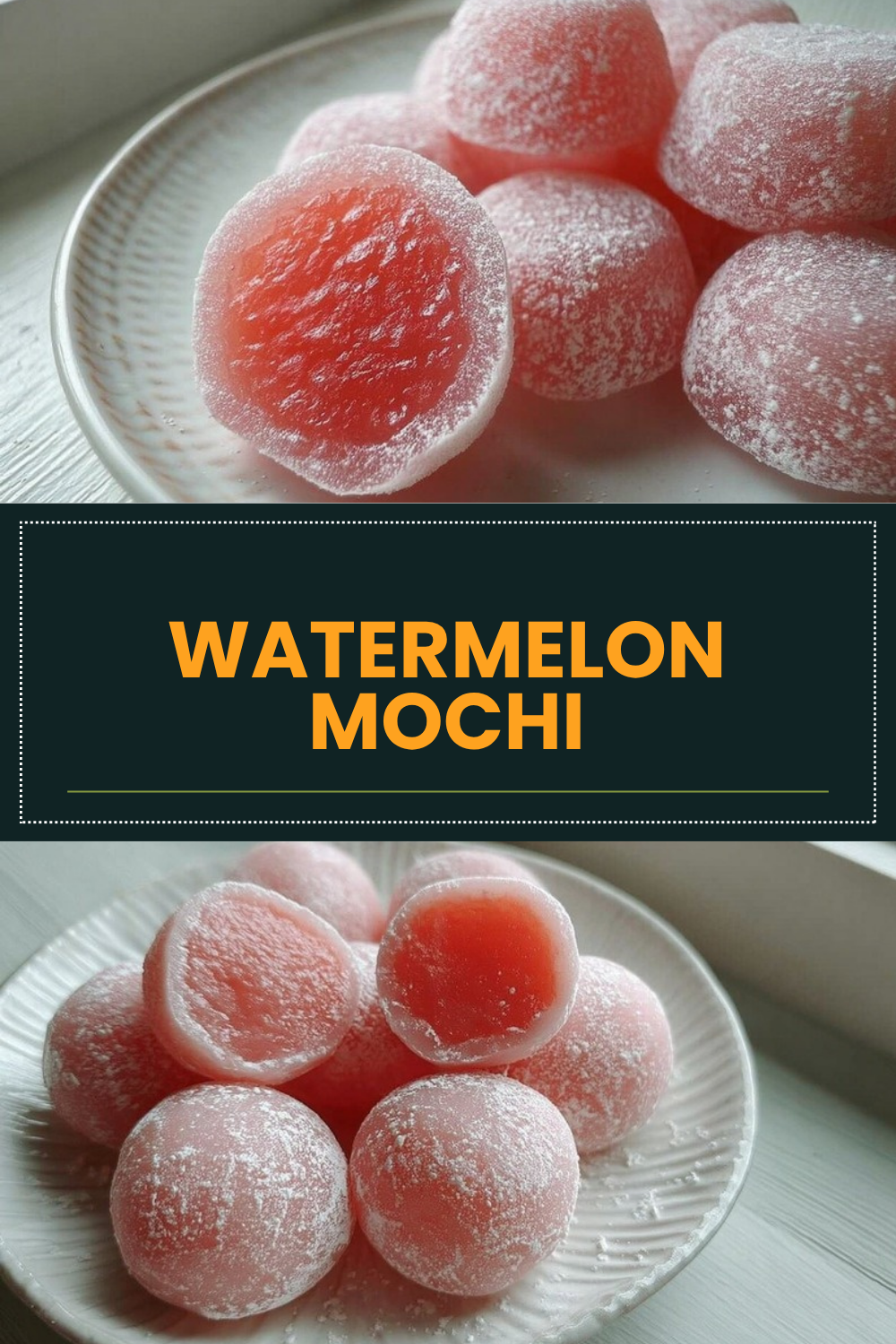
- Fresh, fruity flavor: Watermelon adds a soft pink color and a mild sweetness that tastes perfect in warm weather. The flavor is gentle but refreshing, which makes each bite feel like a cool summer snack.
- Flexible for home kitchens: You can make Watermelon Mochi in a pan, or use the microwave or steam method if that works better for your schedule. That flexibility is helpful for working professionals and first-time mochi makers alike.
When I first tried watermelon mochi, I loved how the chewy texture and fruity taste made it feel like a little summer gift from my own kitchen.
For readers who enjoy chewy Asian-style sweets, you may also like this guide to homemade mochi techniques for more texture inspiration. If you like refreshing fruit-forward recipes, you might also enjoy our tropical smoothie recipe for another bright, seasonal treat.
Essential Ingredients for Watermelon Mochi
These ingredients make 12 squares of Watermelon Mochi. The measurements matter, so it helps to measure everything before you start cooking.
- 200g glutinous rice flour – This gives the mochi its classic chewy texture. Even though the name sounds unusual, it is naturally gluten-free.
- 65g granulated sugar – Adds sweetness and balances the natural flavor of the watermelon juice.
- 40g corn starch – Helps with the dough texture and is also useful for dusting the mold, hands, and finished pieces.
- 240ml strained watermelon juice – This is the star ingredient that gives the mochi its fresh summer flavor and pretty pink color.
- 1 1/2 tablespoons vegetable oil – Helps keep the mixture smoother and easier to handle.
Special Dietary Options
- Vegan: This Watermelon Mochi Recipe is already vegan as written, since it uses no dairy, eggs, or animal products.
- Gluten-free: Glutinous rice flour is made from rice, not wheat, so the recipe fits gluten-free needs. Just check your package label to be safe.
- Low-sugar option: You can reduce the sugar a little if your watermelon is very sweet, though the texture and flavor may change slightly.
| Ingredient | Amount | Why It Matters |
|---|---|---|
| Glutinous rice flour | 200g | Creates the chewy mochi base |
| Granulated sugar | 65g | Adds sweetness and balance |
| Corn starch | 40g | Prevents sticking and helps shaping |
| Strained watermelon juice | 240ml | Provides flavor and natural color |
| Vegetable oil | 1 1/2 tablespoons | Improves texture and smoothness |
How to Prepare the Perfect Watermelon Mochi: Step-by-Step Guide
This Watermelon Mochi Recipe is simple enough for a weeknight and fun enough for a weekend kitchen project. The key is to move steadily, stir well, and chill the finished dough so it cuts cleanly. If you have made rice flour treats before, this process will feel familiar. If this is your first time, do not worry, because the steps are very beginner-friendly.
First Step: Prepare the watermelon juice
Start by blending fresh watermelon until smooth, then strain it to get 240ml of juice. Ripe watermelon works best because it gives a stronger pink color and a naturally sweeter taste. If your watermelon is extra juicy, measure carefully so the liquid amount stays accurate. Too much juice can make the mochi too soft, while too little can make it firm. This step usually takes just a few minutes, so it is a good place to slow down and get the base right.
Second Step: Mix the dry ingredients
In a mixing bowl, combine 200g glutinous rice flour, 65g granulated sugar, and 40g corn starch. Stir them together well so the sugar and starch spread evenly through the flour. This helps the final mochi cook smoothly without pockets of dry ingredients. If you need a starch swap for allergies, tapioca starch or arrowroot starch can work in place of corn starch. Keep a little extra starch nearby for dusting later.
Third Step: Add the wet ingredients and whisk
Pour in the 240ml strained watermelon juice and add 1 1/2 tablespoons vegetable oil. Whisk until the batter looks smooth and lump-free. At this point, it should look like a pale pink liquid with a light, silky texture. If your watermelon is not very sweet, you can taste the juice before mixing and decide whether the sugar needs a small adjustment. This is a nice moment to think about your preferred sweetness level, especially if you are serving children or guests who like softer flavor.
Fourth Step: Cook the mixture on the stove
Set a pan over medium heat and pour in the mochi mixture. Stir constantly for 5 to 8 minutes. You will see it begin to thicken, then slowly turn translucent as the starch cooks. That change in texture is your sign that the dough is coming together. Keep stirring so it does not stick to the pan or cook unevenly. If you prefer a softer finish, steaming is also an option, but the stovetop method gives good control and a quick result.
The biggest clue that your mochi is ready is the translucent look. Once it changes from milky pink to glossy and semi-clear, it is usually time to move it to the mold.
Fifth Step: Shape it in a mold
Line a 12cm x 12cm mold with cornstarch before pouring in the cooked mixture. This keeps the mochi from sticking and makes unmolding much easier later. Use a spatula or spoon to flatten the top so the surface is even. A smooth top helps the squares cut neatly after chilling. If you are working on a busy schedule, this step is fast and easy, which makes the recipe friendly for quick desserts after dinner.
Sixth Step: Chill until firm
Place the mold in the fridge for 1 to 2 hours. This resting time lets the mochi set enough to slice without smearing. If you are in a hurry, the shorter end of the chill time may work, but waiting longer usually gives cleaner cuts. This is also a handy make-ahead dessert for party hosts, since you can chill it while you finish other dishes. For best results, keep it covered lightly so it does not dry out.
Final Step: Unmold, cut, and dust
Once chilled, unmold the mochi onto a cornstarch-dusted surface. Dust the top with cornstarch, then cut it into 12 equal pieces. After that, coat all sides lightly with cornstarch so the squares do not stick to one another. You can dust your hands too, which makes handling much easier. Serve the pieces right away for the softest chew and brightest watermelon flavor.
If you enjoy fruit-based treats, you might also like our blueberry muffins for a simple sweet snack with a different kind of berry flavor.

Dietary Substitutions to Customize Your Watermelon Mochi
Protein and Main Component Alternatives
Watermelon mochi is already naturally gluten-free and vegan, so it fits a wide range of eating styles. Still, there are a few easy swaps if you need to adjust for allergies or ingredient availability. If corn starch does not work for you, tapioca starch or arrowroot starch are both good substitutes. They may give a slightly different chew, but they still help with structure and dusting. If you want a sweeter or softer result, you can change the sugar a little based on the ripeness of your watermelon juice.
Vegetable, Sauce, and Seasoning Modifications
While this recipe does not use vegetables or sauce, you can still change the flavor in simple ways. Add a tiny pinch of salt if you want the sweetness to stand out more. A little beet powder can deepen the color if your watermelon is pale. For a softer texture, steam the mochi instead of pan-cooking it. If you like a more dessert-like finish, dust the squares with powdered sugar mixed with starch, though plain starch keeps the recipe more traditional and allergy-friendly.
Mastering Watermelon Mochi: Advanced Tips and Variations
Once you have made Watermelon Mochi once, it gets easier to adjust the recipe to your taste. A few small changes can make the texture, color, and flavor feel just right for your kitchen.
Pro cooking techniques
Keep stirring while the mixture cooks, because that helps the starch heat evenly and reduces lumps. If the batter seems too loose, let it cook for another minute or two until it begins to thicken. If you are using the microwave, cook in 1-minute intervals, stirring between each round so the texture stays even. For a softer bite, steam the mixture instead of using the pan. Dusting hands and tools with starch also helps a lot, especially if the dough feels sticky.
Flavor variations
Use ripe watermelon for the best natural pink color and sweetness. If your fruit is not very bold, you can simmer the juice a little before mixing to concentrate the flavor. Some home cooks like to pair watermelon mochi with a light fruit dip or a dusting of extra starch for a very clean finish. If you enjoy colorful fruit recipes, the bright summer feel pairs nicely with other seasonal treats such as fresh drinks and cold desserts. Watermelon also has a refreshing quality that makes it feel perfect after a heavy meal.
Presentation tips
For a pretty platter, cut the squares into even pieces and dust each side lightly with cornstarch. Arrange them on a white plate so the color stands out. A few small mint leaves can add a nice summer touch without changing the flavor too much. If you are serving guests, place each piece in a small paper cup for easy grabbing. This works especially well for party tables and dessert buffets.
Make-ahead options
You can make the mixture, cook it, and chill it ahead of time if you know you will need dessert later. The chilled slab can stay in the fridge until you are ready to cut and serve it. That makes this recipe a smart choice for busy parents, students, or hosts who need something simple but special. Just remember that the texture is best when it is fresh.
How to Store Watermelon Mochi: Best Practices
Watermelon mochi tastes best on the day it is made, but leftovers can still be stored well if you handle them the right way. Because the recipe contains watermelon juice, it has more moisture than many other mochi treats, so it should be kept cold after serving.
- Refrigeration: Place leftovers in an airtight container and store them in the fridge for up to 2 days. To keep the pieces from sticking, separate them lightly with parchment or a dusting of starch.
- Freezing: Wrap each square individually in parchment paper, then place them in a freezer bag for up to 1 month. Thaw overnight in the fridge before serving.
- Reheating: If chilled mochi feels firm, microwave each piece for 20 to 30 seconds on low power. This softens it without making it gummy.
- Meal prep: If you are making a batch for later, dust each cut piece well and keep the container sealed so the mochi stays from drying out too quickly.
For a deeper look at the health side of watermelon, you can read this helpful article from the Mayo Clinic Health System on the wonders of watermelon.
FAQs: Frequently Asked Questions About Watermelon Mochi
How long does watermelon mochi last?
Is watermelon mochi gluten-free and vegan?
Why is my watermelon mochi hard or sticky?
Can you freeze watermelon mochi?
How do you make watermelon mochi color more vibrant?

Watermelon Mochi
🍉 Savor the refreshing burst of summer watermelon in every chewy bite of this vibrant mochi!
🍉 A naturally gluten-free, vegan treat that’s quick to make and perfect for cooling down on hot days.
- Total Time: 20 minutes
- Yield: 12 squares
Ingredients
– 200g glutinous rice flour for creating the chewy mochi base
– 65g granulated sugar for adding sweetness and balance
– 40g corn starch for preventing sticking and helps shaping
– 240ml strained watermelon juice for providing flavor and natural color
– 1 1/2 tablespoons vegetable oil for improving texture and smoothness
Instructions
1-First Step: Prepare the watermelon juice Start by blending fresh watermelon until smooth, then strain it to get 240ml of juice. Ripe watermelon works best because it gives a stronger pink color and a naturally sweeter taste. If your watermelon is extra juicy, measure carefully so the liquid amount stays accurate. Too much juice can make the mochi too soft, while too little can make it firm. This step usually takes just a few minutes, so it is a good place to slow down and get the base right.
2-Second Step: Mix the dry ingredients In a mixing bowl, combine 200g glutinous rice flour, 65g granulated sugar, and 40g corn starch. Stir them together well so the sugar and starch spread evenly through the flour. This helps the final mochi cook smoothly without pockets of dry ingredients. If you need a starch swap for allergies, tapioca starch or arrowroot starch can work in place of corn starch. Keep a little extra starch nearby for dusting later.
3-Third Step: Add the wet ingredients and whisk Pour in the 240ml strained watermelon juice and add 1 1/2 tablespoons vegetable oil. Whisk until the batter looks smooth and lump-free. At this point, it should look like a pale pink liquid with a light, silky texture. If your watermelon is not very sweet, you can taste the juice before mixing and decide whether the sugar needs a small adjustment. This is a nice moment to think about your preferred sweetness level, especially if you are serving children or guests who like softer flavor.
4-Fourth Step: Cook the mixture on the stove Set a pan over medium heat and pour in the mochi mixture. Stir constantly for 5 to 8 minutes. You will see it begin to thicken, then slowly turn translucent as the starch cooks. That change in texture is your sign that the dough is coming together. Keep stirring so it does not stick to the pan or cook unevenly. If you prefer a softer finish, steaming is also an option, but the stovetop method gives good control and a quick result. The biggest clue that your mochi is ready is the translucent look. Once it changes from milky pink to glossy and semi-clear, it is usually time to move it to the mold.
5-Fifth Step: Shape it in a mold Line a 12cm x 12cm mold with cornstarch before pouring in the cooked mixture. This keeps the mochi from sticking and makes unmolding much easier later. Use a spatula or spoon to flatten the top so the surface is even. A smooth top helps the squares cut neatly after chilling. If you are working on a busy schedule, this step is fast and easy, which makes the recipe friendly for quick desserts after dinner.
6-Sixth Step: Chill until firm Place the mold in the fridge for 1 to 2 hours. This resting time lets the mochi set enough to slice without smearing. If you are in a hurry, the shorter end of the chill time may work, but waiting longer usually gives cleaner cuts. This is also a handy make-ahead dessert for party hosts, since you can chill it while you finish other dishes. For best results, keep it covered lightly so it does not dry out.
7-Final Step: Unmold, cut, and dust Once chilled, unmold the mochi onto a cornstarch-dusted surface. Dust the top with cornstarch, then cut it into 12 equal pieces. After that, coat all sides lightly with cornstarch so the squares do not stick to one another. You can dust your hands too, which makes handling much easier. Serve the pieces right away for the softest chew and brightest watermelon flavor.
Last Step:
Please leave a rating and comment letting us know how you liked this recipe! This helps our business to thrive and continue providing free, high-quality recipes for you.Notes
🍉 Use ripe, sweet watermelon for the best natural pink color and flavor.
✋ Dust your hands and work surface generously with cornstarch to prevent sticking.
❄️ Chill the mochi for at least 1-2 hours to make cutting easier and improve texture.
- Prep Time: 5 minutes
- Chill: 1-2 hours
- Cook Time: 8 minutes
- Category: Dessert
- Method: Stovetop
- Cuisine: Japanese
- Diet: Vegan, Gluten-Free
Nutrition
- Serving Size: 1 square
- Calories: 120 kcal
- Sugar: 10g
- Sodium: 5mg
- Fat: 2g
- Saturated Fat: 0g
- Unsaturated Fat: 2g
- Trans Fat: 0g
- Carbohydrates: 25g
- Fiber: 0.5g
- Protein: 1g
- Cholesterol: 0mg