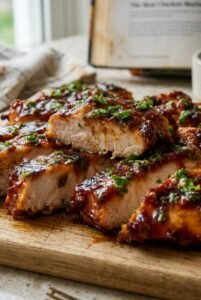

Why You’ll Love This BBQ Chicken Rub
This BBQ chicken rub brings simple joy to your grilling routine, making it easy for anyone to create tasty meals at home. You’ll appreciate how quickly it comes together with everyday spices that boost flavor without much effort. Plus, it’s a flexible option that fits various diets while delivering a delicious, smoky taste every time.
One of the best parts is its straightforward prep, which cuts down on kitchen time so you can focus on enjoying the outdoors. Made from natural herbs and spices, it keeps things healthy by avoiding artificial stuff. Whether you’re grilling for a family dinner or a backyard party, this rub turns ordinary chicken into something special.
Benefits of Using This Rub
- Ease of preparation: This BBQ chicken rub is simple to mix and requires minimal prep time, making your cooking process quick and hassle-free.
- Health benefits: Made with natural spices and herbs, the rub supports wellness by being low in sodium and free from artificial additives.
- Versatility: Adaptable to various dietary needs, this rub works well with different proteins and cooking methods.
- Distinctive flavor: The unique blend of spices delivers a savory, smoky taste that makes your chicken dishes stand out.
Nutritional values per portion include roughly 302 kcal, 74g carbohydrates, 4g protein, 2g fat, and 7136mg sodium, so you can enjoy it while keeping an eye on your diet. For the best results, let the chicken sit with the rub in the fridge to soak up all that flavor, and tweak the spices to match your taste.
Essential Ingredients for BBQ Chicken Rub
Gathering the right ingredients is key to making a great BBQ chicken rub that enhances your grilled chicken. This recipe focuses on a blend of spices that are easy to find and mix at home. Let’s break down the exact items you’ll need to get started.
Nutritional values per portion include roughly 302 kcal, 74g carbohydrates, 4g protein, 2g fat, and 7136mg sodium, so keep this in mind as you prepare. You can always customize the spice levels by adjusting ingredients as desired to suit your preferences.
Structured List of Ingredients
- 1/4 cup brown sugar
- 1 tablespoon salt
- 1 tablespoon chili powder
- 1 tablespoon smoked paprika
- 2 teaspoons garlic powder
- 2 teaspoons onion powder
- 1/4 teaspoon ground oregano
These ingredients create a balanced mix that works for smoking or grilling any type of chicken. For special dietary options, all items are plant-based, making this rub vegan and gluten-free naturally. If you’re watching calories, try swapping brown sugar with a lower-calorie alternative for a lighter version.
How to Prepare the Perfect BBQ Chicken Rub: Step-by-Step Guide
Creating your own BBQ chicken rub is a fun and simple process that anyone can master at home. Start by pulling together all the ingredients to ensure you have everything on hand. Once mixed, this rub adds amazing flavor to your chicken, whether you’re firing up the grill or smoker.
To prepare, mix all ingredients in a small bowl and rub onto the chicken skin or meat, including underneath the skin if possible. Let the chicken sit with the seasoning for at least 15 minutes, ideally 30 minutes, in the refrigerator to enhance flavor. For best taste, marinate the chicken with the rub in the fridge and customize the spice levels by adjusting or adding ingredients as desired.
Step-by-Step Instructions
- First Step: Gather and measure all ingredients precisely to ensure flavor balance. Clean and dry your mixing bowl to avoid any moisture that could affect the rub.
- Second Step: Combine 1/4 cup brown sugar, 1 tablespoon salt, 1 tablespoon chili powder, 1 tablespoon smoked paprika, 2 teaspoons garlic powder, 2 teaspoons onion powder, and 1/4 teaspoon ground oregano in the bowl.
- Third Step: Mix thoroughly using a whisk or fork until all ingredients are evenly distributed for a consistent blend.
- Fourth Step: Store the rub in an airtight container for up to 3 months to preserve freshness and make it ready for your next meal.
- Fifth Step: Before cooking, generously rub the seasoning mix onto your chicken pieces, ensuring full coverage for even flavor.
- Sixth Step: For various dietary needs, adjust sugar content for low-calorie options or substitute ingredients accordingly to fit your preferences.
- Seventh Step: Cook chicken using your preferred method, like grilling or baking, and aim for an internal temperature of 165°F (74°C) to ensure it’s safe and juicy.
- Eighth Step: Let the chicken rest for a few minutes after cooking to lock in juices and flavors before serving.
- Final Step: Serve immediately and enjoy the rich, smoky taste that your homemade BBQ chicken rub brings to the table. Remember, leftover seasoning should be stored in an airtight container in a cool, dry place.
This method not only enhances the chicken’s taste but also makes it a versatile option for busy cooks. Try this refreshing drink to pair with your BBQ for a complete meal.

Dietary Substitutions to Customize Your BBQ Chicken Rub
Making your BBQ chicken rub work for different diets is easier than you might think, and it lets you get creative in the kitchen. Whether you’re avoiding certain ingredients or want to try something new, small changes can make a big difference. This way, everyone at your gathering can enjoy a flavorful meal.
Options for Protein and Other Components
Protein and Main Component Alternatives:
- Substitute chicken with tofu or seitan for plant-based protein options that still take on the rub’s flavors well.
- Use turkey or pork as alternative meats depending on what you have on hand or your family’s preferences.
- Add smoked paprika or chipotle powder for extra smoky notes if you want to vary the taste.
- Use coconut sugar or stevia in place of brown sugar for low-calorie versions that keep the sweetness without the extra calories.
- Incorporate fresh herbs like thyme or rosemary to add a seasonal twist or meet specific dietary needs.
These tweaks help keep the rub versatile while fitting into diets like vegan or gluten-free. For instance, the rub is already plant-based, so it’s a great base for adjustments.
Mastering BBQ Chicken Rub: Advanced Tips and Variations
Taking your BBQ chicken rub to the next level involves some smart tricks that can impress your friends and family. Once you have the basics down, experimenting with flavors and techniques makes grilling even more exciting. These tips will help you refine your skills and create rubs that stand out.
Pro Techniques and Ideas
- Pro cooking techniques: Toast spices lightly before mixing to bring out more aroma and depth in your rub.
- Flavor variations: Experiment with adding cumin, coriander, or mustard powder to make unique blends that suit your taste.
- Presentation tips: Garnish your cooked chicken with fresh herbs or a squeeze of lime to make the dish look and taste brighter.
- Make-ahead options: Prepare large batches of rub and store in sealed containers for quick use, which saves time on busy days.
By trying these methods, you’ll see how the rub can be used for smoking or grilling any type of chicken. Don’t forget that customizing spice levels by adjusting ingredients will help you get it just right. This approach keeps things approachable for home cooks of all levels.
How to Store BBQ Chicken Rub: Best Practices
Proper storage keeps your BBQ chicken rub fresh and full of flavor for your next cookout. Storing it right means less waste and more convenience when you’re in a rush. Follow these simple steps to maintain its quality over time.
Leftover seasoning should be stored in an airtight container in a cool, dry place, as mentioned in the preparation details. For best taste, always check for freshness before use to ensure the flavors are at their peak.
| Storage Method | Details |
|---|---|
| Refrigeration | Store the rub in an airtight container in the refrigerator for short-term use to keep it potent and fresh. |
| Freezing | For long-term preservation, place the rub in a freezer-safe container or bag to prevent moisture exposure and extend shelf life. |
| Reheating | If using on pre-cooked chicken, reheat gently to maintain flavor without drying out the meat for the best results. |
| Meal Prep | Prepare rub portions ahead and store separately to season meals just before cooking, ensuring maximum flavor impact. |
This method helps preserve the rub for up to 3 months, making it easy to have on hand. Remember, the rub can enhance any type of chicken when stored properly.
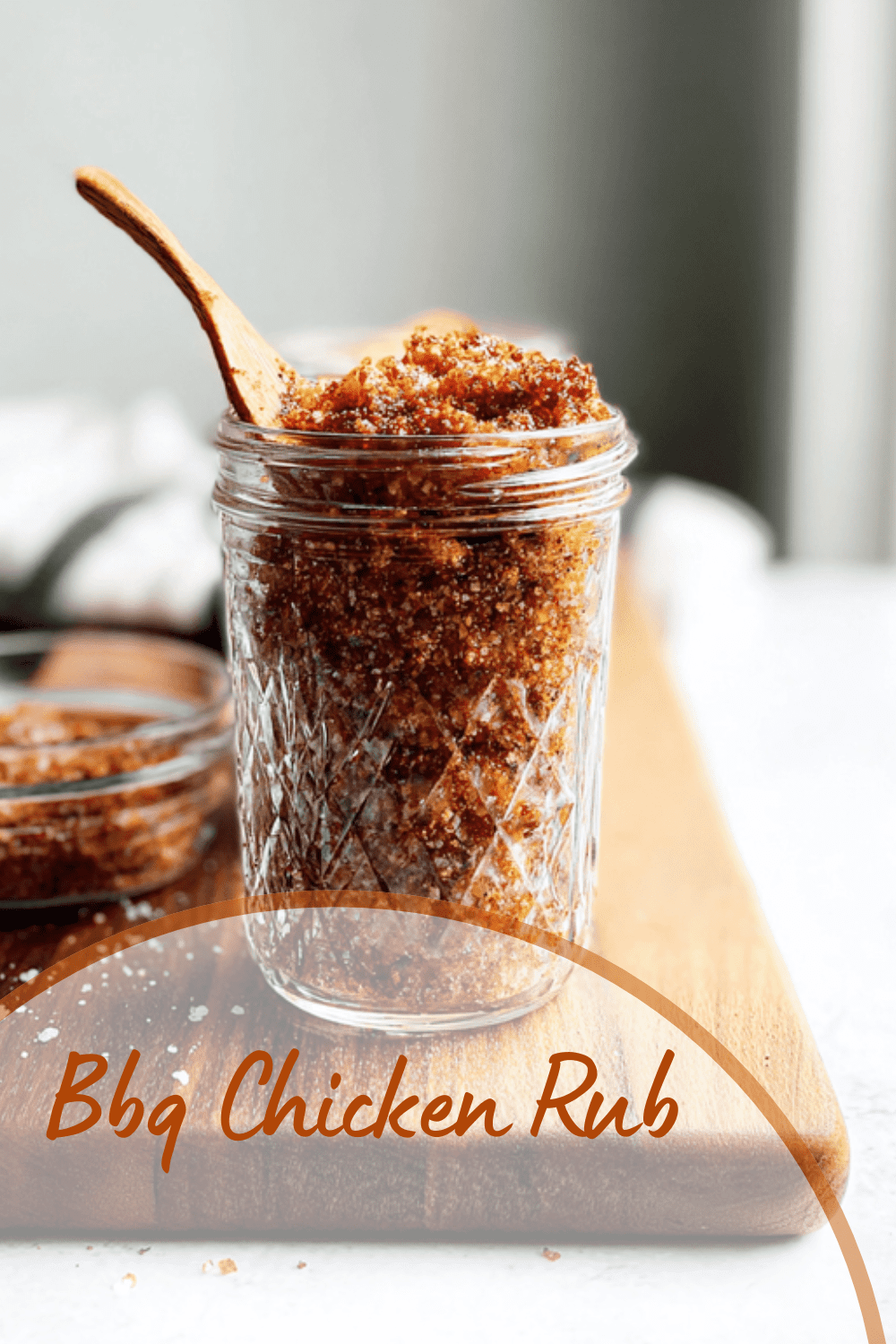
FAQs: Frequently Asked Questions About BBQ Chicken Rub
What ingredients are typically used in a BBQ chicken rub?
How do I apply BBQ chicken rub for the best flavor?
Can I make BBQ chicken rub ahead of time and store it?
Is BBQ chicken rub suitable for other types of meat?
How does using a BBQ chicken rub compare to marinating in terms of flavor?
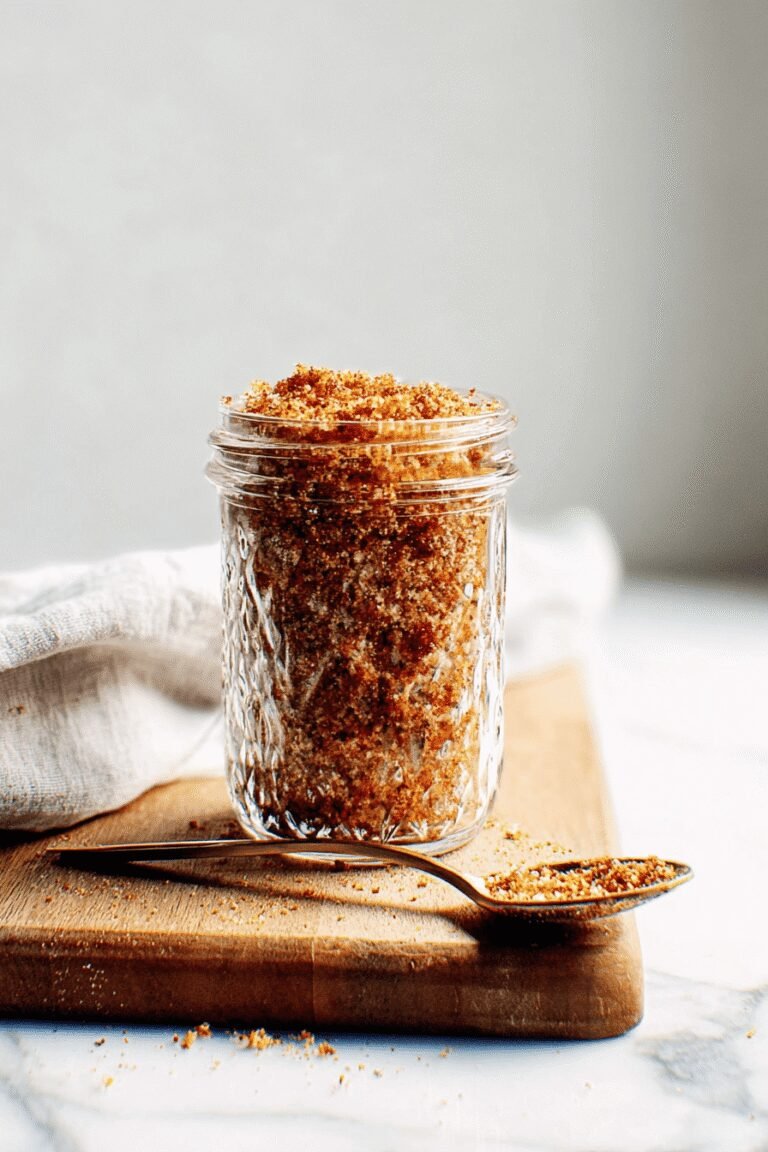
Bbq Chicken Rub
🔥 Bring bold, smoky, and sweet flavors to your grilled chicken with this easy BBQ chicken rub recipe.
🍗 Perfect for juicy, flavorful chicken whether you’re smoking or grilling, for an irresistible meal every time.
- Total Time: 1 hour 5 minutes
- Yield: Enough rub for 2-3 pounds of chicken
Ingredients
– 1/4 cup brown sugar
– 1 tablespoon salt
– 1 tablespoon chili powder
– 1 tablespoon smoked paprika
– 2 teaspoons garlic powder
– 2 teaspoons onion powder
– 1/4 teaspoon ground oregano
Instructions
1-First Step: Gather and measure all ingredients precisely to ensure flavor balance. Clean and dry your mixing bowl to avoid any moisture that could affect the rub.
2-Second Step: Combine 1/4 cup brown sugar, 1 tablespoon salt, 1 tablespoon chili powder, 1 tablespoon smoked paprika, 2 teaspoons garlic powder, 2 teaspoons onion powder, and 1/4 teaspoon ground oregano in the bowl.
3-Third Step: Mix thoroughly using a whisk or fork until all ingredients are evenly distributed for a consistent blend.
4-Fourth Step: Store the rub in an airtight container for up to 3 months to preserve freshness and make it ready for your next meal.
5-Fifth Step: Before cooking, generously rub the seasoning mix onto your chicken pieces, ensuring full coverage for even flavor.
6-Sixth Step: For various dietary needs, adjust sugar content for low-calorie options or substitute ingredients accordingly to fit your preferences.
7-Seventh Step: Cook chicken using your preferred method, like grilling or baking, and aim for an internal temperature of 165°F (74°C) to ensure it’s safe and juicy.
8-Eighth Step: Let the chicken rest for a few minutes after cooking to lock in juices and flavors before serving.
9-Final Step: Serve immediately and enjoy the rich, smoky taste that your homemade BBQ chicken rub brings to the table. Remember, leftover seasoning should be stored in an airtight container in a cool, dry place.
Last Step:
Please leave a rating and comment letting us know how you liked this recipe! This helps our business to thrive and continue providing free, high-quality recipes for you.Notes
🌟 Marinate the chicken in the rub for at least 30 minutes in the fridge to maximize flavor.
🌶 Customize the spice level by adjusting chili powder or adding cayenne pepper for extra heat.
🧴 Store leftover rub in an airtight container in a cool, dry place for future use.
- Prep Time: 5 minutes
- Marinating Time: 30 minutes
- Cook Time: 30 minutes
- Category: Main Course
- Method: Grilling/Smoking
- Cuisine: American
- Diet: Gluten-Free
Nutrition
- Serving Size: 1 serving
- Calories: 302 kcal
- Sugar: 74 g
- Sodium: 7136 mg
- Fat: 2 g
- Saturated Fat: 0.3 g
- Unsaturated Fat: 1.5 g
- Trans Fat: 0 g
- Carbohydrates: 74 g
- Fiber: 4 g
- Protein: 4 g
- Cholesterol: 70 mg