
Why You’ll Love These Easy Guava Cake Bars
If you want a sweet treat that feels a little special but does not ask for much effort, Easy Guava Cake Bars are a great fit. I whipped up a batch last weekend, and they disappeared so fast that I knew this guava bars recipe was a keeper. The mix of buttery oats and soft guava paste gives these bars a cozy, tropical taste that works for casual snacking, potlucks, and dessert trays.
- Easy to make: This recipe comes together with basic pantry staples and simple layering. You only need one pan, and the prep is about 55 minutes from start to finish, which makes these easy guava cake bars practical for busy parents, students, and working professionals.
- Comforting and satisfying: Rolled oats, brown sugar, and butter create a crumbly base that feels rich without being fussy. The bars bake into a soft, chewy treat that gives you the comfort of a homemade guava cake with the easy format of bar cookies.
- Tropical flavor: Guava paste brings a bright, fruity sweetness that tastes like a little vacation in each bite. If you enjoy fruit desserts with a unique twist, this guava recipe stands out from the usual cookie bar lineup.
- Good for sharing: A 13×9-inch pan yields 16 to 24 bars, so the recipe works well for parties, lunch boxes, bake sales, and family gatherings. These guava bars slice cleanly once cooled, making them easy to pack and pass around.
These bars have a tropical flavor similar to date bars, but the guava gives them a brighter, more playful taste.
For more fruit-forward ideas that fit an easy dessert spread, you might also like our blueberry muffins recipe or a refreshing tropical smoothie to serve alongside these bars.
Essential Ingredients for Easy Guava Cake Bars
The ingredient list is short, but each item plays an important role in the texture and taste of these guava bars. The crumbly oat mixture gives the bars structure, while the guava paste adds the sweet tropical center. If you are shopping ahead of time, guava paste is often sold at Latin markets, and that makes this guava bars recipe easy to plan for.
Main ingredients
- 1 cup packed brown sugar – Adds sweetness and a deeper caramel note to the crumb topping and base.
- 2 cups flour – Helps bind the oat mixture and gives the bars their sturdy, sliceable texture.
- 1/2 teaspoon baking soda – Lightens the crust and helps the bars bake up with a tender bite.
- 1/4 teaspoon salt – Balances the sweetness and sharpens the flavor of the oats and guava.
- 2 cups rolled oats – Create the rustic, chewy texture that makes these easy guava cake bars feel hearty and satisfying.
- 1 cup butter, softened – Holds the crumb mixture together and gives the bars rich flavor.
- 14 ounces guava paste – Forms the fruity center; use a little more or less depending on how thick you want the guava layer.
Ingredient notes and practical swaps
- Guava paste: Cut it into small cubes or thin slices for even distribution across the crust. If you love a thicker filling, use the full amount or a little extra.
- Rolled oats: Old-fashioned oats work best here. Quick oats can be used in a pinch, but the texture will be softer.
- Butter: Softened butter mixes in more smoothly. If it is too cold, the crumb will be harder to combine.
- Flour: All-purpose flour keeps the recipe simple and classic.
Special dietary options
- Vegan: Swap the butter for plant-based baking sticks. Pick a guava paste without gelatin or animal-derived additives.
- Gluten-free: Use a 1:1 gluten-free flour blend and certified gluten-free oats.
- Lower sugar: Reduce the brown sugar slightly and use a thinner guava layer, though the bars may be less rich and less chewy.
For more background on guava and why it tastes so good in desserts, check out this helpful read from Healthline on guava benefits.
| Ingredient | Amount | Role in the Recipe |
|---|---|---|
| Brown sugar | 1 cup packed | Adds sweetness and caramel flavor |
| Flour | 2 cups | Builds structure |
| Baking soda | 1/2 teaspoon | Helps with tenderness |
| Salt | 1/4 teaspoon | Balances flavor |
| Rolled oats | 2 cups | Gives chewy texture |
| Butter, softened | 1 cup | Binds the crumble |
| Guava paste | 14 ounces | Creates the tropical filling |
How to Prepare the Perfect Easy Guava Cake Bars: Step-by-Step Guide
These easy guava cake bars are simple enough for a weeknight bake, but they still feel like a treat. If you have ever made crumb bars before, this method will feel familiar. If not, do not worry. The layers are easy to manage, and the recipe gives you a nice reward for a small amount of effort.
First step: get the pan and oven ready
Preheat the oven to 350 degrees F. Grease a 13×9-inch pan and line it with foil or parchment paper, then lightly grease the paper or foil too. This extra step helps the bars lift out cleanly after baking, which is especially useful if you want tidy squares for a party tray or lunch box.
Line the pan well if you plan to freeze the bars later. That way, you can remove the whole slab, chill it, and cut it after thawing. Busy parents and meal planners will appreciate how much easier cleanup becomes with this little trick.
Second step: mix the dry ingredients
In a large bowl, combine the brown sugar, flour, baking soda, salt, and rolled oats. Stir until everything is evenly mixed. This dry base gives the bars their classic crumb texture and helps the sweetness spread through every bite.
If you want to save time, you can use a food processor for the crust ingredients. That works especially well if you are making a double batch or if your butter is very soft and easy to blend. Just pulse a few times so the mixture stays crumbly, not paste-like.
Third step: cut in the butter
Add the softened butter and cut it into the dry mixture until it looks crumbly. You can use a pastry cutter, two forks, or the food processor. The goal is to create a sandy, uneven mixture that clumps when pressed but still has visible oat pieces.
This step matters because the butter creates the rich flavor and helps the bars hold together after baking. If the mixture feels too dry, keep working it gently with your hands. If it feels too wet, let it sit for a minute so the oats and flour can absorb some of the butter.
Fourth step: build the base layer
Press half of the mixture firmly into the prepared pan. Try to make an even layer so the bars bake at the same pace. A flat bottom layer gives you a stronger base and helps the guava layer sit neatly in the center.
Pressing too hard can make the crust dense, so use steady pressure instead of force. A measuring cup can help smooth the surface if you want a more even finish. This is a nice trick for home cooks who like neat edges.
Fifth step: add the guava paste
Slice the 14 ounces of guava paste and place it over the crust, keeping it within 1/4 inch of the edge. For even better coverage, cut the paste into small cubes before arranging it. That makes it easier to spread the tropical flavor across every square inch of the bar.
If you like a thicker center, add a little more guava paste. If you prefer a lighter fruit layer, use a bit less. That flexibility is one reason these guava cake bars are so easy to love. You can adjust them to match your own sweet tooth.
Sixth step: finish the topping
Sprinkle the remaining crumb mixture over the guava layer and press it lightly. Do not pack it down too much. A gentle press helps the topping stick while still keeping that crumbly, homemade texture that makes guava bars so good.
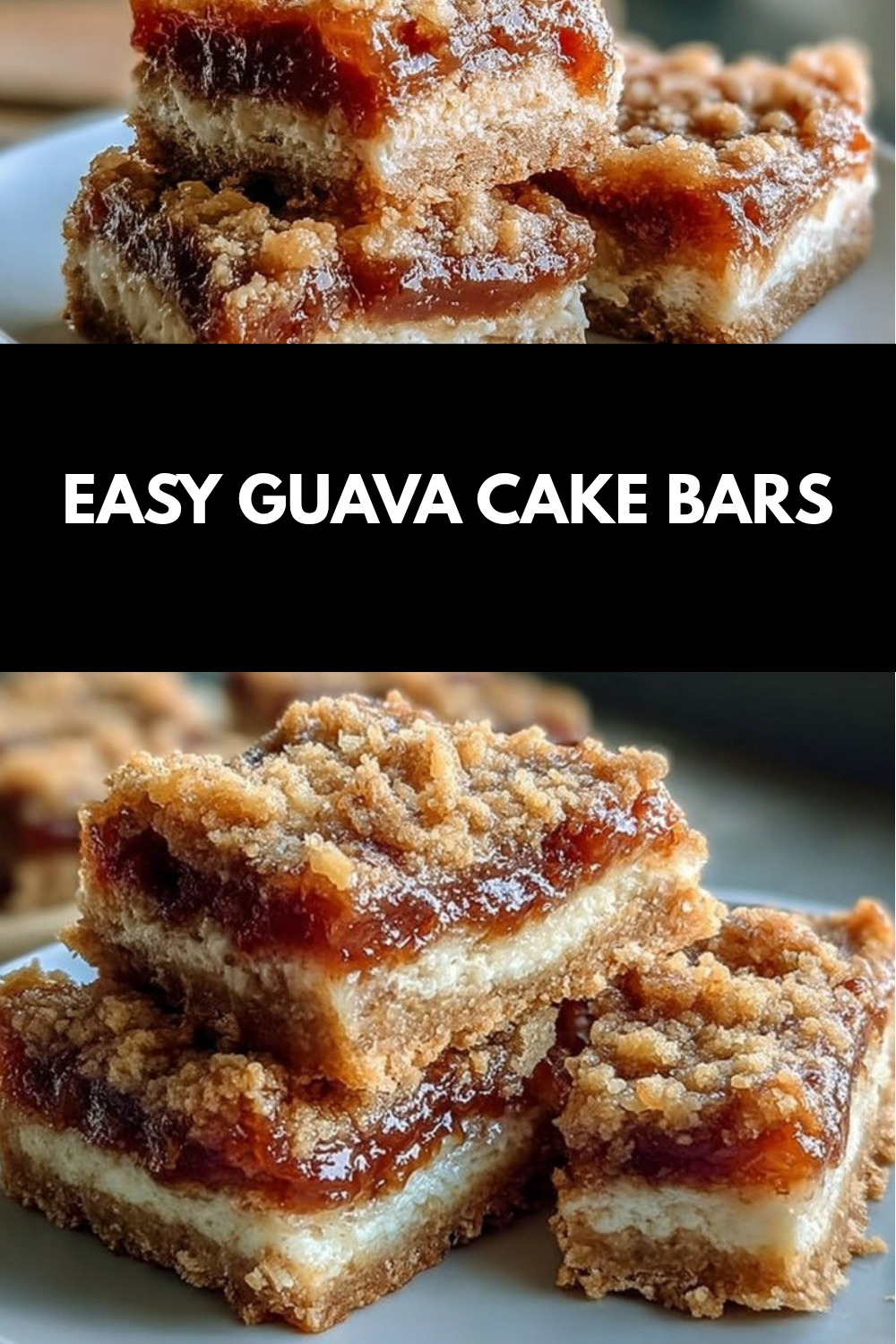
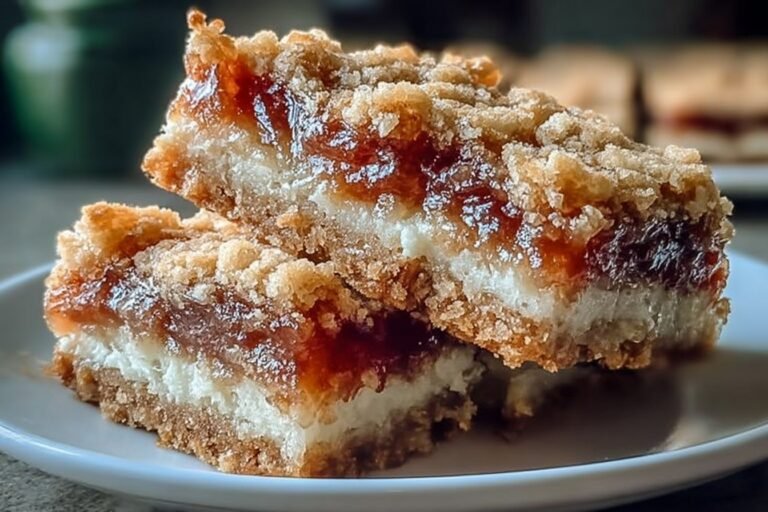
At this point, the pan should have three clear parts: crust, guava filling, and crumb topping. That simple layering is what makes the recipe feel easy while still giving you a dessert with great texture and flavor.
Seventh step: bake until lightly browned
Bake for 35 to 40 minutes, or until the top is lightly browned. The edges should look set, and the center should no longer look wet. Every oven behaves a little differently, so start checking near the 35-minute mark.
If your oven runs hot, the bars may brown a little faster. If the top still looks pale but the center is set, give it a few more minutes. The goal is a golden top with a soft, chewy middle.
Eighth step: cool before cutting
Cool the bars in the pan on a wire rack before cutting them into 16 to 24 bars. This cooling step is important because the guava layer needs time to firm up. If you cut too early, the bars may fall apart.
Once fully cool, lift the slab out using the parchment or foil edges and slice it into squares or rectangles. For a snack tray, smaller pieces work well. For dessert plates, go with larger bars. Either way, they make a cheerful, fruity treat.
Tip: If you want cleaner cuts, chill the cooled bars for 20 to 30 minutes before slicing.

Dietary Substitutions to Customize Your Easy Guava Cake Bars
Protein and main component alternatives
Even though this is a dessert bar rather than a savory recipe, there are still plenty of ways to adapt the main ingredients to fit different needs. If you are baking for a mixed group, small swaps can help more people enjoy the same batch of easy guava cake bars.
- Butter alternative: Use a plant-based butter if you want a dairy-free version. Choose one that bakes well and has a similar fat content.
- Flour alternative: A gluten-free all-purpose blend can replace regular flour at a 1:1 ratio.
- Oats alternative: Certified gluten-free rolled oats are the best choice for anyone avoiding gluten.
- Guava paste alternative: If guava paste is hard to find, use thick guava jam or a homemade guava puree cooked down until spreadable.
Vegetable, sauce, and seasoning modifications
There are no vegetables in the original recipe, but you can still play with flavor in a few simple ways. A little citrus zest can brighten the guava layer, and a pinch of cinnamon can make the bars feel warmer and more like a cozy bakery treat.
- Lime zest: Adds a fresh, tangy note that fits the tropical flavor.
- Cinnamon: Brings a soft, warm aroma that pairs well with guava.
- Vanilla: A small splash in the crumb mix can round out the sweetness.
- Coconut: A sprinkle of shredded coconut over the top adds a fun island-style touch.
If you are looking for another recipe with a relaxed, fruity feel, our raspberry muffins are also a nice make-ahead option for breakfast or snack time.
Mastering Easy Guava Cake Bars: Advanced Tips and Variations
Once you make these guava bars once, you may start thinking about small ways to change them up. That is part of the fun. The base recipe is simple, but it gives you room to adjust the texture, sweetness, and style without losing what makes it work.
Pro cooking techniques
Use soft butter, not melted butter, so the crumb stays sandy and light. If you want a more even topping, save a small handful of the mixture and sprinkle it over the guava layer after pressing the rest in place. For neater slices, let the bars cool fully, then chill them briefly before cutting.
Small cubes of guava paste also help with distribution. Instead of stacking slices in one thick spot, spread them out in an even layer. That gives each bite a nice balance of crumb and fruit.
Flavor variations
Try adding shredded coconut to the topping for a more tropical feel. You can also dust the cooled bars with a little powdered sugar if you want a sweeter finish. If you like a tart edge, serve the bars with a squeeze of lime on the side or a tiny bit of citrus zest in the crust.
Another fun option is to pair the bars with a simple fruit plate at brunch. They go especially well with pineapple, mango, or berries. That makes them a smart choice for parties, holiday tables, and weekend gatherings.
Presentation tips
For a pretty finish, cut the bars into even squares and line them on a platter with parchment underneath. Add a few small guava cubes or a light dusting of oat crumbs on top for a bakery-style look. If you are serving them at a party, stack them in a neat row so guests can grab one quickly.
These bars also look great on a dessert board beside fresh fruit, cookies, and mini tea cakes. The bright color of the guava filling gives the tray a cheerful, tropical feel.
Make-ahead options
You can bake the bars a day ahead and store them in the fridge overnight. That is handy if you are hosting a brunch, school event, or family dinner. The flavor often gets even better after the bars rest for a few hours.
For longer planning, bake, cool, slice, and freeze them in a single layer before packing them away. That way, you can pull out a few whenever you want a quick sweet bite with coffee or tea.
These bars taste a lot like date bars, but the guava brings a brighter tropical note that makes them stand out.
How to Store Easy Guava Cake Bars: Best Practices
Storage is simple, which is one more reason people like this guava bars recipe. The bars keep well and travel nicely, so they work for lunch boxes, picnics, and make-ahead dessert planning.
Refrigeration
Store cooled bars in an airtight container in the refrigerator for up to 5 to 7 days. This keeps them moist and helps the guava layer stay firm. If you stack them, place parchment between the layers to keep them from sticking.
Freezing
For longer storage, freeze sliced bars in a single layer on a tray first. After they are firm, move them to a freezer-safe bag or container. They keep well for up to 3 months. Thaw overnight in the refrigerator before serving.
Reheating
These bars are best served chilled or at room temperature, but if you want them a little softer, warm one bar in the microwave for about 10 seconds. Do not overheat them, or the guava layer may become too soft.
Meal prep considerations
If you are baking for the week, cut the bars after they cool and wrap them individually. That makes grab-and-go snacking easier for busy mornings or afternoon treats. They also pack well in lunch boxes because they hold their shape once cooled.
For more fruit-focused baking tips and flavor ideas, you may also enjoy this guide to guava benefits from Cleveland Clinic.
FAQs: Frequently Asked Questions About Easy Guava Cake Bars
What are guava cake bars?
What ingredients do I need for easy guava cake bars?
How do I make easy guava cake bars step by step?
Can I use fresh guava instead of guava paste in cake bars?
How do I store guava cake bars and how long do they last?
Easy Guava Cake Bars
🌺 Dive into chewy, tropical guava bliss with these easy oat bars – a sweet escape in every bite!
🍪 Perfect for sharing, packing vitamins C & fiber for a healthier dessert treat.
- Total Time: 55 minutes
- Yield: 20 bars
Ingredients
– 1 cup packed Brown sugar Adds sweetness and caramel flavor
– 2 cups Flour Builds structure
– 1/2 teaspoon Baking soda Helps with tenderness
– 1/4 teaspoon Salt Balances flavor
– 2 cups Rolled oats Gives chewy texture
– 1 cup Butter, softened Binds the crumble
– 14 ounces Guava paste Creates the tropical filling
Instructions
1-First step: get the pan and oven ready Preheat the oven to 350 degrees F. Grease a 13×9-inch pan and line it with foil or parchment paper, then lightly grease the paper or foil too. This extra step helps the bars lift out cleanly after baking, which is especially useful if you want tidy squares for a party tray or lunch box. Line the pan well if you plan to freeze the bars later. That way, you can remove the whole slab, chill it, and cut it after thawing. Busy parents and meal planners will appreciate how much easier cleanup becomes with this little trick.
2-Second step: mix the dry ingredients In a large bowl, combine the brown sugar, flour, baking soda, salt, and rolled oats. Stir until everything is evenly mixed. This dry base gives the bars their classic crumb texture and helps the sweetness spread through every bite. If you want to save time, you can use a food processor for the crust ingredients. That works especially well if you are making a double batch or if your butter is very soft and easy to blend. Just pulse a few times so the mixture stays crumbly, not paste-like.
3-Third step: cut in the butter Add the softened butter and cut it into the dry mixture until it looks crumbly. You can use a pastry cutter, two forks, or the food processor. The goal is to create a sandy, uneven mixture that clumps when pressed but still has visible oat pieces. This step matters because the butter creates the rich flavor and helps the bars hold together after baking. If the mixture feels too dry, keep working it gently with your hands. If it feels too wet, let it sit for a minute so the oats and flour can absorb some of the butter.
4-Fourth step: build the base layer Press half of the mixture firmly into the prepared pan. Try to make an even layer so the bars bake at the same pace. A flat bottom layer gives you a stronger base and helps the guava layer sit neatly in the center. Pressing too hard can make the crust dense, so use steady pressure instead of force. A measuring cup can help smooth the surface if you want a more even finish. This is a nice trick for home cooks who like neat edges.
5-Fifth step: add the guava paste Slice the 14 ounces of guava paste and place it over the crust, keeping it within 1/4 inch of the edge. For even better coverage, cut the paste into small cubes before arranging it. That makes it easier to spread the tropical flavor across every square inch of the bar. If you like a thicker center, add a little more guava paste. If you prefer a lighter fruit layer, use a bit less. That flexibility is one reason these guava cake bars are so easy to love. You can adjust them to match your own sweet tooth.
6-Sixth step: finish the topping Sprinkle the remaining crumb mixture over the guava layer and press it lightly. Do not pack it down too much. A gentle press helps the topping stick while still keeping that crumbly, homemade texture that makes guava bars so good. At this point, the pan should have three clear parts: crust, guava filling, and crumb topping. That simple layering is what makes the recipe feel easy while still giving you a dessert with great texture and flavor.
7-Seventh step: bake until lightly browned Bake for 35 to 40 minutes, or until the top is lightly browned. The edges should look set, and the center should no longer look wet. Every oven behaves a little differently, so start checking near the 35-minute mark. If your oven runs hot, the bars may brown a little faster. If the top still looks pale but the center is set, give it a few more minutes. The goal is a golden top with a soft, chewy middle.
8-Eighth step: cool before cutting Cool the bars in the pan on a wire rack before cutting them into 16 to 24 bars. This cooling step is important because the guava layer needs time to firm up. If you cut too early, the bars may fall apart. Once fully cool, lift the slab out using the parchment or foil edges and slice it into squares or rectangles. For a snack tray, smaller pieces work well. For dessert plates, go with larger bars. Either way, they make a cheerful, fruity treat.
Last Step:
Please leave a rating and comment letting us know how you liked this recipe! This helps our business to thrive and continue providing free, high-quality recipes for you.Notes
🌀 Use a food processor to cut butter into dry ingredients for perfectly crumbly texture.
🍈 Slice guava paste thinly for even melting and distribution without large chunks.
🏪 Find guava paste at Latin markets; substitute with guava jam if needed, adjusting sugar.
- Prep Time: 15 minutes
- Cooling: 1 hour
- Cook Time: 40 minutes
- Category: Dessert
- Method: Baking
- Cuisine: Latin American
- Diet: Vegetarian
Nutrition
- Serving Size: 1 bar
- Calories: 220 kcal
- Sugar: 18g
- Sodium: 120mg
- Fat: 10g
- Saturated Fat: 6g
- Unsaturated Fat: 4g
- Trans Fat: 0g
- Carbohydrates: 35g
- Fiber: 2g
- Protein: 3g
- Cholesterol: 25mg