
Why You’ll Love This Indian Lime Pickle
If you have been craving a sharp, spicy side that wakes up even the simplest meal, this Indian Lime Pickle is a recipe worth keeping close. It is tangy, salty, fragrant, and deeply satisfying, with a flavor that gets better as it sits. This homemade version is easy enough for busy weeknights, yet it still tastes like the kind of pickle many families make by hand and sun cure with care.
- Easy to make: You only need a short prep time, a quick toast of spices, and a few minutes of cooking before the jar goes into the sun.
- Good pantry value: A little goes a long way, so one batch gives you about 50 servings and keeps meals interesting for days.
- Flexible for many diets: This homemade lime pickle is naturally vegan and gluten free, making it a smart fit for many eating styles.
- Bold flavor: The mix of mustard oil, turmeric, fenugreek, nigella, and chili creates the classic taste people expect from an authentic Indian pickle recipe.
For home cooks who love big flavor with simple steps, Indian Lime Pickle brings a bright, punchy bite to everyday food.
This recipe also fits into busy lives. You can prep it in about 15 minutes, cook it in 5 minutes, and let the sun do the rest. That makes it a practical choice for students, working professionals, and parents who want a homemade condiment without standing over the stove for long. If you enjoy savory meal ideas like this flavorful chicken adobo recipe, you will likely love keeping a jar of lime pickle in the fridge for easy meals.
There is also something comforting about making a traditional pickle at home. The smell of toasted spices, the bright cut limes, and the deep color of turmeric all come together in a way that feels old-fashioned and satisfying. It is the kind of recipe that turns simple rice, dal, flatbread, or leftover curry into a meal that feels complete.
Essential Ingredients for Indian Lime Pickle
This lime pickle recipe uses simple pantry spices and fresh thin-skinned limes. Each item plays a clear role in taste, texture, color, or preservation. For the best results, measure everything before you start so the process stays smooth and quick.
Main Ingredients
- 8 medium-large thin-skinned limes, washed, dried, and quartered or cut into half-inch pieces – The base of the pickle. Thin skins soften more easily during fermentation.
- 2 teaspoons fenugreek seeds – Adds a warm, slightly bitter note that balances the lime.
- 2 teaspoons nigella seeds – Brings a peppery, earthy aroma that is classic in many Indian pickle recipes.
- 1 tablespoon fennel seeds – Lends sweetness and a light licorice-like flavor.
- 2 heaping tablespoons cayenne, paprika, or Kashmiri chili powder – Provides heat and color. Kashmiri chili powder gives a milder, redder finish.
- 1 tablespoon turmeric – Adds color, earthiness, and a traditional pickle taste.
- 1 teaspoon asafetida – Gives a savory depth that helps round out the spices.
- 1/2 cup salt – Acts as a preservative and draws moisture from the limes.
- 1 cup mustard oil or another high-temperature oil like peanut, safflower, canola, or sunflower oil – Carries flavor and helps preserve the pickle.
Special Dietary Options
- Vegan: This recipe is already vegan as written.
- Gluten-free: All listed ingredients are naturally gluten free, but check spice labels if needed.
- Low-calorie: Use a slightly smaller serving size and pair the pickle with plain rice, lentils, or vegetables rather than rich sides.
Salt and oil do more than season this pickle. They help protect it while the limes soften and the flavors blend.
| Ingredient | Role in the Recipe | Notes |
|---|---|---|
| Thin-skinned limes | Main fruit base | Softens better than thick-rinded limes |
| Fenugreek, nigella, fennel | Spice backbone | Toast before grinding for deeper flavor |
| Chili powder | Heat and color | Choose cayenne, paprika, or Kashmiri chili |
| Turmeric | Color and warmth | Use a full tablespoon |
| Salt and oil | Preservation | Do not reduce the salt |
How to Prepare the Perfect Indian Lime Pickle: Step-by-Step Guide
Making homemade lime pickle is straightforward, but the order matters. A clean jar, dry limes, toasted spices, and hot oil all help create a safe and flavorful pickle. Take your time with each step, and the final result will taste bright, spicy, and well balanced.
First Step: Sterilize the Jar and Prep the Limes
Start by sterilizing a quart-sized mason jar. Wash it well, then dry it completely so no moisture stays inside. Any water left in the jar can raise the risk of mold later.
Next, wash and dry the limes very carefully. Use only thin-skinned limes if you can, since they soften more easily during fermentation. Quarter them or cut them into half-inch pieces. If the rinds are thick, cut the pieces smaller so the salt and spice can reach the flesh faster.
Second Step: Toast and Grind the Spices
Place the fenugreek seeds, fennel seeds, and nigella seeds in a skillet. Toast them over medium heat for 3 to 5 minutes. Stir often so they do not burn. You will know they are ready when they smell warm and fragrant.
Let the toasted seeds cool for a minute, then grind them with the asafetida. This creates a fine, aromatic spice mix that spreads evenly through the lime pieces. The toasted spices are one of the reasons this authentic Indian lime pickle tastes so rich.
Third Step: Mix the Limes with the Dry Spices
Place the cut limes in a large mixing bowl. Add the ground spice mixture, the cayenne or paprika or Kashmiri chili powder, the turmeric, and the salt. Toss everything together until the limes are fully coated.
At this stage, the salt starts pulling moisture out of the fruit. That is a normal and important part of the process. Use a clean spoon or gloved hand if you want to mix more thoroughly. Be patient and make sure every piece gets seasoned.
Fourth Step: Heat the Oil and Add the Mustard Seeds
Pour the mustard oil into a skillet and heat it until hot. If you are using another high-temperature oil like peanut, safflower, canola, or sunflower oil, heat it the same way. Once hot, add mustard seeds and let them sputter. This step wakes up the oil and gives the pickle a deeper, more traditional taste.
Carefully pour the hot oil over the lime mixture. Stir well so the spices and fruit are coated from all sides. The lime pieces should be well covered, since oil helps protect the pickle while it ferments.
Fifth Step: Pack the Jar and Start Fermenting
Transfer the mixed lime pickle into the sterilized jar. Press it down gently so there are fewer air pockets, but do not crush the fruit. Add any remaining oil from the bowl or pan on top. The limes should be fully submerged in oil as much as possible.
Seal the jar loosely or follow your jar lid instructions if you want gases to escape. Place the jar in full sun for 5 to 7 days and turn it daily. In cooler weather, move it to a sunny windowsill or balcony. The mixture will slowly darken, soften, and develop a more balanced flavor.
Final Step: Refrigerate and Serve
After the fermenting period, taste the pickle. If the rind has softened and the flavor is lively and salty-spicy, move the jar to the refrigerator. Refrigeration slows fermentation and helps the pickle last longer. If you want to serve it right away, use a clean dry spoon and only take out a small amount at a time.
This easy Indian lime pickle recipe works well with rice, dal, khichdi, parathas, and many more meals. If you enjoy recipes that bring bold flavor to the table, you may also like this lemon chicken orzo dish for a bright and comforting dinner idea.

Dietary Substitutions to Customize Your Indian Lime Pickle
Protein and Main Component Alternatives
Because this recipe is a condiment, the main ingredient is the lime rather than a protein. Still, you can adjust the fruit and oil based on what you have in the kitchen. Smaller key limes work well if you want a sharper taste, while Persian limes are easier to find in many grocery stores. If you only have thicker-skinned limes, cut them into smaller pieces so they soften faster during the sunning period.
For the oil, mustard oil gives the most classic flavor, but peanut oil, safflower oil, canola oil, or sunflower oil also work well. Choose a neutral oil if you want the lime flavor to stand out more clearly. Each oil changes the final taste a little, so use what matches your pantry and your preference.
Vegetable, Sauce, and Seasoning Modifications
You can also adjust the seasoning mix. Kashmiri chili powder gives the pickle a deeper red color and a gentler heat. Cayenne brings stronger spice, while paprika gives color with a softer flavor. If you want a more fragrant profile, keep the fennel generous. If you prefer a sharper, earthier pickle, let the fenugreek and nigella stay in the mix as written.
For cooks who like mixing flavors across recipes, this pickle can sit beside many dishes, from dals to roasted meats. It also works nicely with a meal like salmon pasta when you want a small spoonful of tangy heat on the side. The beauty of a good homemade Indian lime pickle recipe is that it can fit into many meals without much fuss.
Mastering Indian Lime Pickle: Advanced Tips and Variations
Once you have made this Indian pickle recipe once, small changes can help you match your own taste. A few careful habits also improve texture, color, and shelf life.
Pro Cooking Techniques
Use limes with thin skin whenever possible. They soften faster and take on spice more evenly. Make sure the limes are completely dry before mixing, and always sterilize the jar before filling it. Those two habits help lower the chance of mold.
Do not reduce the salt. It is not just for flavor. It is a core part of preservation. Also, keep the lime pieces submerged in oil so the top layer stays protected from air.
Flavor Variations
If you like a brighter color, choose Kashmiri chili powder. If you want a stronger heat, use cayenne. For a more gentle finish, paprika works well. You can also add a little more fennel if you want a sweeter, more aromatic pickle. Some cooks prefer a slightly more bitter and complex taste, so they leave fenugreek as written without changing the amount.
Presentation Tips
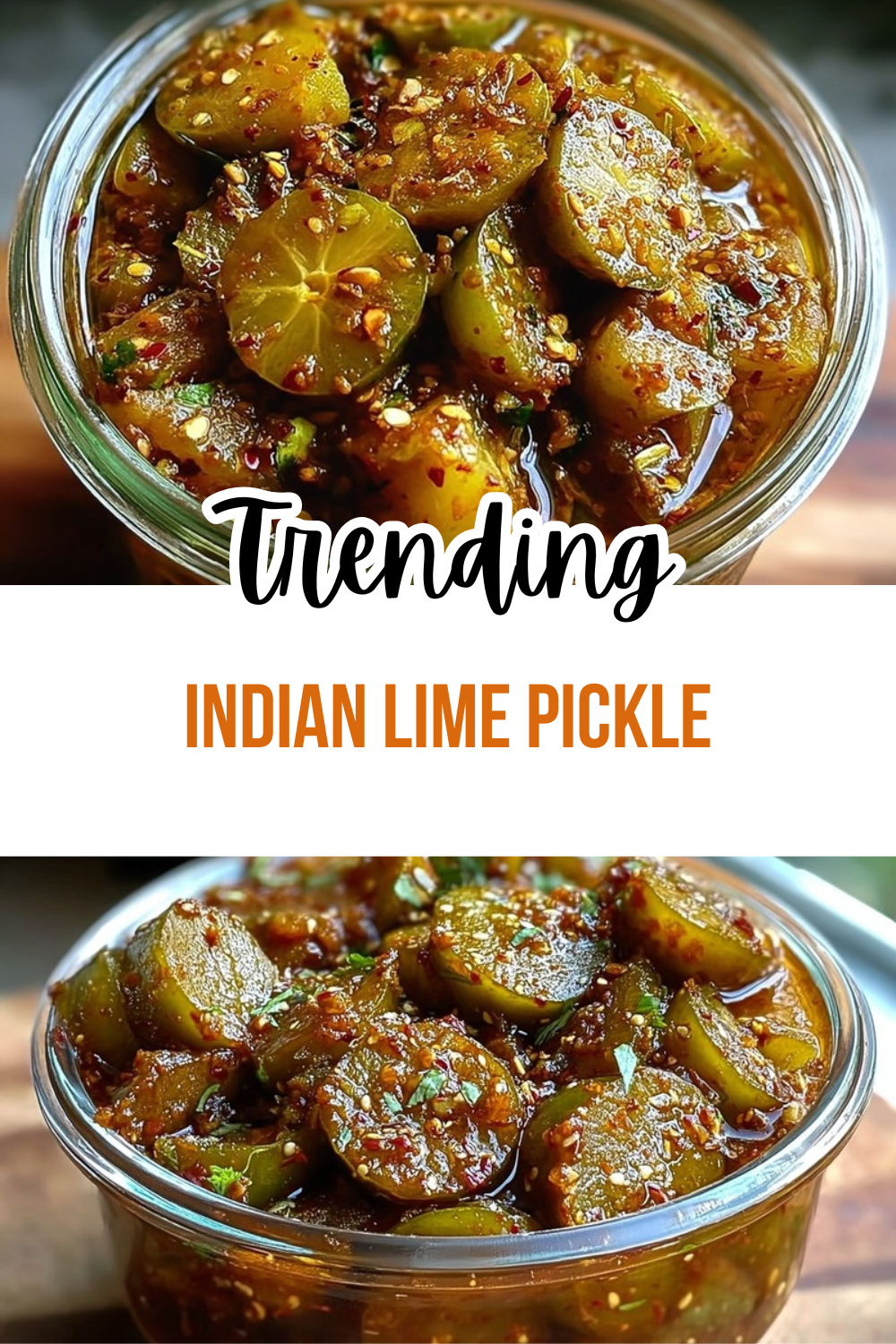
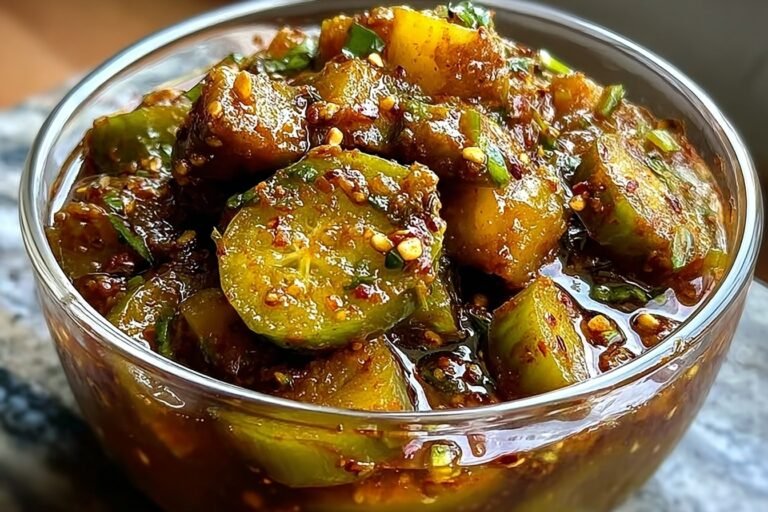
Serve the pickle in a small glass bowl or ceramic condiment dish. That keeps the color vivid and makes it easy to scoop a little at a time. A tiny spoon on the side also helps keep water out of the jar. The bright yellow-red pieces look lovely next to rice, lentils, and flatbread.
Make-ahead Options
This recipe is ideal for batch prep. Make it ahead of a busy week so you always have a flavorful side ready. It matures over several days, which means it fits well into meal planning. If you like making food in batches, you may also enjoy a hearty make-ahead recipe like this cowboy cornbread casserole for another easy family meal.
Good Indian lime pickle takes a little time, but most of that time is hands-off sunning and resting.
How to Store Indian Lime Pickle: Best Practices
Proper storage keeps the pickle tasting fresh and helps it last. Once the limes have fermented and softened, move the jar to the refrigerator if you want to slow the process. Keep the lid tight and always use a dry spoon.
For longer storage, place the pickle in a clean, dry glass jar with a secure lid. A thin layer of oil on top helps protect it from air exposure. Keep it in a cool, dark cabinet if you plan to use it within a normal pantry window. If you live in a hot climate, refrigeration is the safer choice once the pickle is ready.
Freezing is not usually needed for lime pickle, since the oil and salt already help preserve it. Reheating is also not part of the usual process. If the oil solidifies a bit in the fridge, simply let the jar sit at room temperature for a short time before serving. For meal prep, divide the batch into smaller jars so you only open what you need.
FAQs: Frequently Asked Questions About Indian Lime Pickle
What if the lime rinds are too thick and won’t soften in my Indian lime pickle?
Can I make Indian lime pickle during cooler weather without summer sun?
What should I serve Indian lime pickle with?
How long does homemade Indian lime pickle last?
How do I store Indian lime pickle after making it?
Indian Lime Pickle
🍋 Savor the bold, tangy heat of homemade Indian lime pickle, a probiotic-rich condiment perfect for curries, snacks, and meals.
🌶️ Easy to make with pantry staples, long-lasting fermentation for authentic flavor without store-bought preservatives.
- Total Time: 5 days 20 minutes
- Yield: 50 servings
Ingredients
– 8 medium-large thin-skinned limes for the base of the pickle
– 2 teaspoons fenugreek seeds for a warm, slightly bitter note that balances the lime
– 2 teaspoons nigella seeds for a peppery, earthy aroma
– 1 tablespoon fennel seeds for sweetness and a light licorice-like flavor
– 2 heaping tablespoons cayenne, paprika, or Kashmiri chili powder for heat and color
– 1 tablespoon turmeric for color, earthiness, and a traditional pickle taste
– 1 teaspoon asafetida for a savory depth that helps round out the spices
– 1/2 cup salt for acting as a preservative and drawing moisture from the limes
– 1 cup mustard oil or another high-temperature oil like peanut, safflower, canola, or sunflower oil for carrying flavor and helping preserve the pickle
Instructions
1-First Step: Sterilize the Jar and Prep the Limes Start by sterilizing a quart-sized mason jar. Wash it well, then dry it completely so no moisture stays inside. Any water left in the jar can raise the risk of mold later. Next, wash and dry the limes very carefully. Use only thin-skinned limes if you can, since they soften more easily during fermentation. Quarter them or cut them into half-inch pieces. If the rinds are thick, cut the pieces smaller so the salt and spice can reach the flesh faster.
2-Second Step: Toast and Grind the Spices Place the fenugreek seeds, fennel seeds, and nigella seeds in a skillet. Toast them over medium heat for 3 to 5 minutes. Stir often so they do not burn. You will know they are ready when they smell warm and fragrant. Let the toasted seeds cool for a minute, then grind them with the asafetida. This creates a fine, aromatic spice mix that spreads evenly through the lime pieces. The toasted spices are one of the reasons this authentic Indian lime pickle tastes so rich.
3-Third Step: Mix the Limes with the Dry Spices Place the cut limes in a large mixing bowl. Add the ground spice mixture, the cayenne or paprika or Kashmiri chili powder, the turmeric, and the salt. Toss everything together until the limes are fully coated. At this stage, the salt starts pulling moisture out of the fruit. That is a normal and important part of the process. Use a clean spoon or gloved hand if you want to mix more thoroughly. Be patient and make sure every piece gets seasoned.
4-Fourth Step: Heat the Oil and Add the Mustard Seeds Pour the mustard oil into a skillet and heat it until hot. If you are using another high-temperature oil like peanut, safflower, canola, or sunflower oil, heat it the same way. Once hot, add mustard seeds and let them sputter. This step wakes up the oil and gives the pickle a deeper, more traditional taste. Carefully pour the hot oil over the lime mixture. Stir well so the spices and fruit are coated from all sides. The lime pieces should be well covered, since oil helps protect the pickle while it ferments.
5-Fifth Step: Pack the Jar and Start Fermenting Transfer the mixed lime pickle into the sterilized jar. Press it down gently so there are fewer air pockets, but do not crush the fruit. Add any remaining oil from the bowl or pan on top. The limes should be fully submerged in oil as much as possible. Seal the jar loosely or follow your jar lid instructions if you want gases to escape. Place the jar in full sun for 5 to 7 days and turn it daily. In cooler weather, move it to a sunny windowsill or balcony. The mixture will slowly darken, soften, and develop a more balanced flavor.
6-Final Step: Refrigerate and Serve After the fermenting period, taste the pickle. If the rind has softened and the flavor is lively and salty-spicy, move the jar to the refrigerator. Refrigeration slows fermentation and helps the pickle last longer. If you want to serve it right away, use a clean dry spoon and only take out a small amount at a time. This easy Indian lime pickle recipe works well with rice, dal, khichdi, parathas, and many more meals. If you enjoy recipes that bring bold flavor to the table, you may also like this lemon chicken orzo dish for a bright and comforting dinner idea.
Last Step:
Please leave a rating and comment letting us know how you liked this recipe! This helps our business to thrive and continue providing free, high-quality recipes for you.Notes
🍈 Choose thin-skinned limes and cut smaller if rinds are thick for better softening.
🧼 Thoroughly dry limes and sterilize jar to prevent mold growth.
☀️ In cooler weather, place jar on a sunny windowsill and ensure limes stay submerged in oil.
- Prep Time: 15 minutes
- Fermenting: 5 days
- Cook Time: 5 minutes
- Category: Condiments
- Method: Fermenting
- Cuisine: Indian
- Diet: Vegan, Gluten-Free, Vegetarian
Nutrition
- Serving Size: 1 tablespoon
- Calories: 42 kcal
- Sugar: 1g
- Sodium: 566mg
- Fat: 5g
- Saturated Fat: 4g
- Unsaturated Fat: 1g
- Trans Fat: 0g
- Carbohydrates: 1g
- Fiber: 1g
- Protein: 1g
- Cholesterol: 0mg