
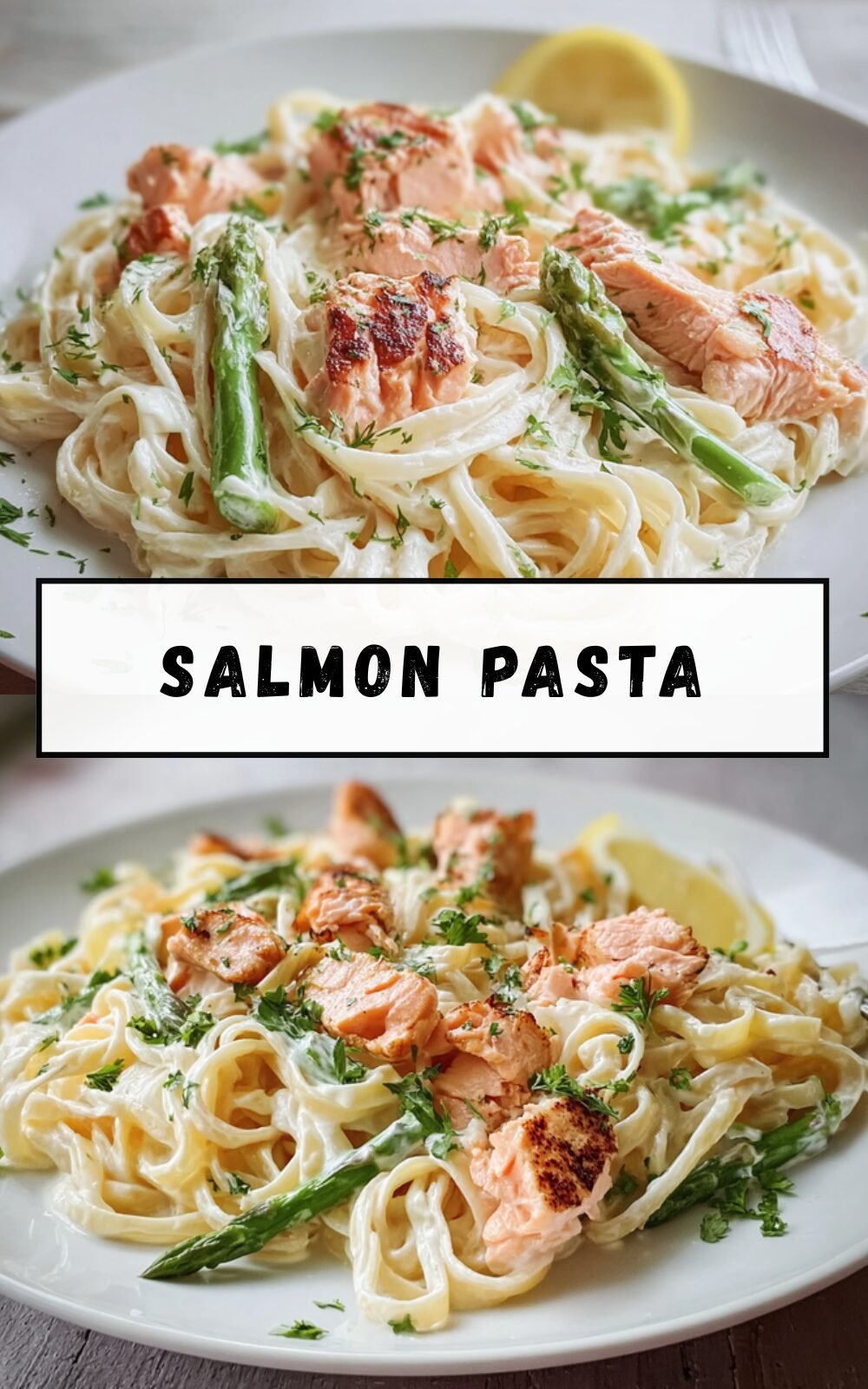
Why You’ll Love This Salmon Pasta
This salmon pasta hits the spot for a quick, tasty meal that fits right into your busy days. Imagine whipping up a dish with omega-3 rich fish swirled into creamy noodles, all in about 25 to 30 minutes. You’ll love how simple and speedy it is, making it ideal for home cooks who want great flavors without fuss.
Salmon pasta packs a punch of health perks, blending high-quality protein from the fish with fiber-rich pasta options. Choose whole-grain or legume versions to boost nutrients like B vitamins and antioxidants from added veggies. It’s a smart pick for anyone watching their diet, offering heart-healthy fats that keep you feeling good.
One of the best parts about this salmon pasta is its flexibility. You can tweak it for different tastes or needs, like swapping cream for lighter choices or using gluten-free pasta. For example, turn it into a lemony twist or a fresh pasta salad, and it still shines every time. If you’re exploring more easy recipes, check out our refreshing beverage ideas that pair perfectly with it.
Essential Ingredients for Salmon Pasta
Main Ingredients
Here’s a clear list of everything you need to make this salmon pasta. I’ll break it down so you can grab items from your kitchen or shopping list without any confusion. Each measurement is spot-on to help you get the recipe just right.
- 12 oz (340 g) pasta such as spaghetti or linguine
- 1 lb (450 g) salmon fillets, skin on or off
- 2 tbsp extra-virgin olive oil
- 3 cloves garlic, minced
- 1 small shallot, finely chopped (or 1/4 cup onion)
- 1/2 cup (120 ml) dry white wine or low-sodium chicken/vegetable stock
- 1/2 cup (120 ml) heavy cream or crème fraîche
- Zest and juice of 1 lemon
- 1/4 cup chopped fresh parsley or dill
- Salt and freshly ground black pepper to taste
- Optional: 1/2 cup grated Parmesan or Pecorino
Special Dietary Options
This salmon pasta adapts to various diets, and here are some easy swaps. For a vegan version, use smoked tofu instead of salmon and swap cream for full-fat coconut milk. If you’re going gluten-free, pick rice-based pasta and check that your stock is labeled gluten-free.
- For vegan: Use smoked or marinated tofu or king oyster mushroom ‘scallops’ in place of salmon; replace cream with full-fat coconut milk or cashew cream; use olive oil or vegan butter.
- For gluten-free: Substitute with 12 oz gluten-free pasta made from rice, corn, or legumes; ensure stock and other packaged ingredients are labeled gluten-free.
- For low-calorie: Use 1/2 cup low-fat Greek yogurt or a milk-thickened slurry instead of cream, swap regular pasta for spiralized zucchini or konjac noodles, and reduce oil to 1 tbsp.
How to Prepare the Perfect Salmon Pasta: Step-by-Step Guide
First Step: Mise en Place and Seasoning
Get everything ready before you fire up the stove to make this salmon pasta flow smoothly. Pat your 1 lb salmon dry and season it with salt and pepper, then zest and juice one lemon. Bring 4 to 6 quarts of salted water to a boil for the 12 oz pasta. This setup helps you adapt for things like gluten-free options right from the start.
Second Step: Cook the Pasta Al Dente
Drop the pasta into boiling water and cook it 1 to 2 minutes less than the package says for that perfect bite. Reserve 3/4 to 1 cup of the pasta water before you drain it. That starchy water is key for making the sauce cling, whether you’re aiming for creamy salmon pasta or something lighter.
Third Step: Sear the Salmon
Heat 2 tbsp olive oil in a large skillet over medium-high heat and add the salmon. Sear it skin-side down for 3 to 4 minutes to get a nice crisp, then flip and cook 2 to 4 minutes more until it’s just done. If you prefer, roast it at 400°F for 8 to 12 minutes instead. This step works for plant-based swaps too, like searing tofu until it’s golden.
Fourth Step: Remove Salmon and Sweat Aromatics
Take the salmon out and let it rest under foil. Lower the heat, add a bit more oil if needed, and cook the shallot for 2 to 3 minutes. Toss in the garlic for 30 to 45 seconds to bring out that aroma. It’s the foundation of your sauce, keeping your salmon pasta full of flavor.
Fifth Step: Deglaze and Form the Sauce
Pour in 1/2 cup dry white wine or stock to scrape up those tasty bits in the pan. Let it reduce for 2 to 3 minutes, then add 1/2 cup heavy cream and simmer gently. For a lighter take, mix in a yogurt slurry instead. Taste and season with salt, pepper, and lemon zest to balance it all.
Sixth Step: Flake Salmon and Combine
Break the salmon into chunks and stir it back into the pan with the drained pasta. Add some reserved pasta water and toss everything together for a glossy finish. If you’re making a vegan version, fold in your seared tofu and cashew cream here.
Seventh Step: Finish and Adjust Flavors
Mix in the lemon juice, chopped herbs, and cheese if you like. Tweak the sauce with more pasta water or seasonings as needed. For a kick, add red pepper flakes. This is your chance to make the salmon pasta pop with fresh tastes.
Final Step: Plate and Serve
Scoop the salmon pasta into bowls, add herbs and lemon wedges on top, and serve right away. If you’re prepping meals, undercook the pasta a bit so it reheats well. Leftovers stay good in the fridge for 2 to 3 days, and you can warm them with a splash of stock. To learn about salmon’s health benefits, visit a reliable source on salmon nutrition.

Dietary Substitutions to Customize Your Salmon Pasta
| Category | Substitution | Why It Works |
|---|---|---|
| Protein | Tuna or cod | Offers a similar fish flavor and sears quickly |
| Protein | Shrimp or scallops | Creates a delicate seafood twist with less cook time |
| Sauce | Cashew cream | Replaces heavy cream for a dairy-free option |
You can swap proteins like tuna for a budget-friendly choice or go with shrimp for something lighter. Add veggies such as peas or spinach to boost nutrition, and tweak seasonings for new flavors. These changes keep your salmon pasta versatile and fun to make. For instance, a briny twist with capers adds zest without much effort.
Mastering Salmon Pasta: Advanced Tips and Variations
Pro Cooking Techniques
Keep an eye on the heat when searing salmon to avoid overcooking it. Aim for 120 to 125°F with a thermometer for that perfect tender bite. Use pasta water to emulsify the sauce and make it cling better. These tricks turn your salmon pasta into a dish you’ll crave again and again.
Remember, a little practice with these methods can make your meals feel like they came from a pro kitchen simple yet impressive every time.
Flavor Variations
Try a dill and lemon mix for a fresh spin, or add smoked paprika for smoky notes. For a Mediterranean vibe, toss in olives and tomatoes. These ideas let you play with tastes while sticking to the basic salmon pasta recipe. If you’re curious about omega-3 fatty acids, check out details on omega-3 benefits to see why salmon is a star ingredient.
How to Store Salmon Pasta: Best Practices
Cool your salmon pasta quickly and pop it in the fridge for 2 to 3 days. Keep the salmon chunks on top to avoid sogginess, especially if it has dairy. This way, it stays fresh and ready for your next meal. Freezing works too, but separate parts for the best results.
- Refrigerate in an airtight container.
- Freeze salmon separately for up to 2 months.
- Reheat gently on the stove or microwave.
FAQs: Frequently Asked Questions About Salmon Pasta
Print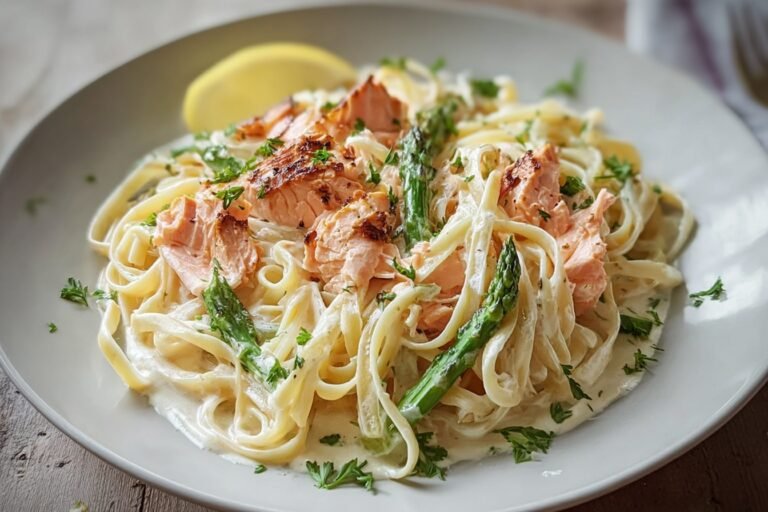
Salmon Pasta
🐟 This creamy salmon pasta combines rich omega-3 fatty acids with a velvety garlic herb sauce for a nutritious and satisfying meal
🍝 Perfect for a special dinner or weeknight treat, this elegant pasta dish comes together in under 30 minutes with restaurant-quality results
- Total Time: 30 minutes
- Yield: 4 servings 1x
Ingredients
12 oz (340 g) pasta such as spaghetti or linguine
1 lb (450 g) salmon fillets, skin on or off
2 tbsp extra-virgin olive oil
3 cloves garlic, minced
1 small shallot, finely chopped (or 1/4 cup onion)
1/2 cup (120 ml) dry white wine or low-sodium chicken/vegetable stock
1/2 cup (120 ml) heavy cream or crème fraîche
Zest and juice of 1 lemon
1/4 cup chopped fresh parsley or dill
Salt and freshly ground black pepper to taste
Optional: 1/2 cup grated Parmesan or Pecorino
Instructions
1-First Step: Mise en Place and Seasoning Get everything ready before you fire up the stove to make this salmon pasta flow smoothly. Pat your 1 lb salmon dry and season it with salt and pepper, then zest and juice one lemon. Bring 4 to 6 quarts of salted water to a boil for the 12 oz pasta. This setup helps you adapt for things like gluten-free options right from the start.
2-Second Step: Cook the Pasta Al Dente Drop the pasta into boiling water and cook it 1 to 2 minutes less than the package says for that perfect bite. Reserve 3/4 to 1 cup of the pasta water before you drain it. That starchy water is key for making the sauce cling, whether you’re aiming for creamy salmon pasta or something lighter.
3-Third Step: Sear the Salmon Heat 2 tbsp olive oil in a large skillet over medium-high heat and add the salmon. Sear it skin-side down for 3 to 4 minutes to get a nice crisp, then flip and cook 2 to 4 minutes more until it’s just done. If you prefer, roast it at 400°F for 8 to 12 minutes instead. This step works for plant-based swaps too, like searing tofu until it’s golden.
4-Fourth Step: Remove Salmon and Sweat Aromatics Take the salmon out and let it rest under foil. Lower the heat, add a bit more oil if needed, and cook the shallot for 2 to 3 minutes. Toss in the garlic for 30 to 45 seconds to bring out that aroma. It’s the foundation of your sauce, keeping your salmon pasta full of flavor.
5-Fifth Step: Deglaze and Form the Sauce Pour in 1/2 cup dry white wine or stock to scrape up those tasty bits in the pan. Let it reduce for 2 to 3 minutes, then add 1/2 cup heavy cream and simmer gently. For a lighter take, mix in a yogurt slurry instead. Taste and season with salt, pepper, and lemon zest to balance it all.
6-Sixth Step: Flake Salmon and Combine Break the salmon into chunks and stir it back into the pan with the drained pasta. Add some reserved pasta water and toss everything together for a glossy finish. If you’re making a vegan version, fold in your seared tofu and cashew cream here.
7-Seventh Step: Finish and Adjust Flavors Mix in the lemon juice, chopped herbs, and cheese if you like. Tweak the sauce with more pasta water or seasonings as needed. For a kick, add red pepper flakes. This is your chance to make the salmon pasta pop with fresh tastes.
8-Final Step: Plate and Serve Scoop the salmon pasta into bowls, add herbs and lemon wedges on top, and serve right away. If you’re prepping meals, undercook the pasta a bit so it reheats well. Leftovers stay good in the fridge for 2 to 3 days, and you can warm them with a splash of stock. To learn about salmon’s health benefits, visit a reliable source on salmon nutrition.
Last Step:
Please leave a rating and comment letting us know how you liked this recipe! This helps our business to thrive and continue providing free, high-quality recipes for you.Notes
🐟 Don’t overcook the salmon initially as it will continue to cook when added back to the sauce with the pasta
🍝 Reserve pasta water before draining – the starchy water helps create a creamier sauce and helps it adhere to the pasta better
🌿 Fresh herbs can be substituted for dried ones – use 3 times the amount of fresh herbs compared to dried
- Prep Time: 10 minutes
- Cook Time: 20 minutes
- Category: Main Course
- Method: Sautéing
- Cuisine: Italian-American
- Diet: Pescatarian
Nutrition
- Serving Size: 1 serving
- Calories: 580
- Sugar: 4g
- Sodium: 680mg
- Fat: 28g
- Saturated Fat: 16g
- Unsaturated Fat: 10g
- Trans Fat: 0g
- Carbohydrates: 52g
- Fiber: 3g
- Protein: 32g
- Cholesterol: 120mg