
Why You’ll Love This Korean Steak Bowls
If you’re looking for a meal that’s both satisfying and quick to prepare, Korean steak bowls might just become your new favorite dinner! We’re absolutely obsessed with these Korean steak bowls in my house lately just toss that perfectly marinated steak, whip up the refreshing slaw while it cooks, and drizzle on that dreamy spicy sauce for a dinner that feels fancy but comes together in a snap. What makes these Korean steak bowls so special? Let me tell you why this recipe has earned a permanent spot in my weekly meal rotation.Ease of Preparation
Life gets busy, and we all need recipes that don’t require hours in the kitchen. These Korean steak bowls are designed with your schedule in mind. With just 25 minutes of prep time and 5 minutes of actual cooking, you can have a restaurant-quality meal on your table in half an hour. The beauty of this recipe is that multiple components can be prepared simultaneously. While your rice cooks in one pot, you can mix up the slaw and spicy sauce, then finish with a quick sear on the steak. It’s the ultimate weeknight dinner solution!Health Benefits
These Korean steak bowls aren’t just delicious they’re packed with nutritional goodness. You get lean protein from the flank steak, abundant vitamins and minerals from the fresh vegetables in the slaw, and satisfying carbohydrates from the rice to keep your energy levels stable. The sesame oil and Greek yogurt in the recipe provide healthy fats, while ingredients like cilantro and cucumber add antioxidants and hydration powerhouse to your meal. It’s balanced nutrition that tastes indulgent.Versatility for Every Diet
One of the best things about Korean steak bowls is how easily they adapt to different dietary needs. Whether you’re vegetarian, gluten-free, or following a specific eating plan, these bowls can be customized to fit your lifestyle. Swap the steak for tofu or tempeh, use cauliflower rice instead of traditional rice, or adjust the sauce ingredients to meet your dietary restrictions. The possibilities are virtually endless, making this recipe perfect for households with diverse eating preferences.Distinctive Flavor Profile
The flavor combination in these Korean steak bowls is something truly special. You get the savory, umami-rich taste of perfectly cooked steak, the fresh crunch of the vegetable slaw, and that addictive kick from the spicy gochujang sauce. It’s a harmony of flavors and textures that hits every note on your palate. The sesame notes, the subtle sweetness from the maple syrup, and the zesty brightness from the rice vinegar create a complex yet balanced taste that will have you craving these bowls again and again.Korean steak bowls have transformed my weeknight dinners from mundane to magnificent. My family actually cheers when they see me prepping the ingredients!
Essential Ingredients for Korean Steak Bowls
To create these mouthwatering Korean steak bowls, you’ll need a mix of fresh ingredients and a few key pantry staples. I’ve organized them by component to make your shopping trip easier. Using quality ingredients makes all the difference in the final dish, so sourcing the best you can find is worth the effort.Steak Bites
- 1 1/2 pounds flank steak, cut into 1-inch cubes
- 1 tablespoon high-heat oil
- Salt and pepper to taste
Sesame Cucumber Slaw
- 1 (14-ounce) bag coleslaw mix
- 1 English cucumber, sliced into half moons
- 1 cup chopped fresh cilantro
- 2/3 cup thinly sliced green onions
- 2 tablespoons rice vinegar
- 1 tablespoon soy sauce
- 1 tablespoon maple syrup
- 1 tablespoon toasted sesame oil
- Optional: 2 teaspoons toasted sesame seeds
Spicy Sauce
- 1/3 cup plain Greek yogurt or mayonnaise
- 2 tablespoons gochujang
Rice
- 1 1/2 cups white or brown rice
Where to Find Key Ingredients
Some ingredients might be new to your kitchen, so here’s where to find them:| Ingredient | Where to Find | Possible Substitutes |
|---|---|---|
| Gochujang | Asian markets, international aisle of grocery stores | Sriracha or sambal oelek (will change flavor profile) |
| Toasted sesame oil | Asian markets, oil section of grocery stores | Regular sesame oil with a drop of toasted sesame seeds |
| Coleslaw mix | Produce section of grocery stores | Shredded cabbage and carrots (about 4 cups total) |
| Rice vinegar | Asian markets, vinegar section of grocery stores | Apple cider vinegar (slightly different flavor) |
How to Prepare the Perfect Korean Steak Bowls: Step-by-Step Guide
Now that we’ve covered the ingredients, let’s walk through the process of creating these delicious Korean steak bowls. The magic of this recipe is how quickly it comes together while still delivering complex, layered flavors. Follow these steps, and you’ll have a restaurant-quality meal ready in just 30 minutes!Step 1: Prepare the Rice Foundation
Start by cooking your rice according to package instructions. This will typically involve rinsing the rice, combining it with water in a pot, bringing it to a boil, then reducing the heat to low and letting it simmer until the water is absorbed. While the rice cooks, you can prepare the other components of your Korean steak bowls. For optimal flavor, consider toasting the rice grains in a dry pan for a minute or two before adding water. This develops a nutty taste that complements the other ingredients beautifully. If you’re using brown rice, remember it will require a longer cooking time than white rice, so adjust your timeline accordingly.Step 2: Mix Up the Spicy Sauce
While the rice is cooking, combine the Greek yogurt or mayonnaise with gochujang in a small bowl. Whisk until smooth and well combined. This sauce is what gives Korean steak bowls their distinctive kick, so taste it and adjust the gochujang quantity if you prefer more or less heat. If the sauce is too thick, thin it with a small amount of water, adding just a teaspoon at a time until you reach your desired consistency. Set the sauce aside at room temperature while you prepare the remaining components. The flavors will meld together nicely during this resting time, creating a more harmonious final result.Step 3: Create the Sesame Cucumber Slaw
In a large bowl, combine the coleslaw mix, cucumber slices, cilantro, and green onions. These fresh vegetables provide a crisp, refreshing contrast to the rich steak and creamy sauce. In a separate small bowl, whisk together the rice vinegar, soy sauce, maple syrup, and toasted sesame oil. Pour this dressing over the vegetable mixture and toss thoroughly to ensure every piece is coated. If you’re using sesame seeds, stir them in now. This slaw can be made ahead of time and actually benefits from sitting for 15-20 minutes, as the vegetables begin to marinate in the dressing, enhancing their flavors.Step 4: Cook the Perfect Steak Bites
Season the steak cubes generously with salt and pepper. Heat the high-heat oil in a large sauté pan over high heat until it shimmers slightly. Add the steak in a single layer, being careful not to overcrowd the pan (cook in batches if necessary). Let the steak cook undisturbed for about 2 minutes to develop a beautiful crust. Then flip and cook for another 1-2 minutes, depending on your desired level of doneness. For medium-rare steak, aim for an internal temperature of 130-135°F (54-57°C). Once cooked, remove the steak from the pan and toss it with a bit of soy sauce for an extra layer of flavor. Let the meat rest for a few minutes before assembling your bowls to allow the juices to redistribute.Step 5: Assemble Your Korean Steak Bowls
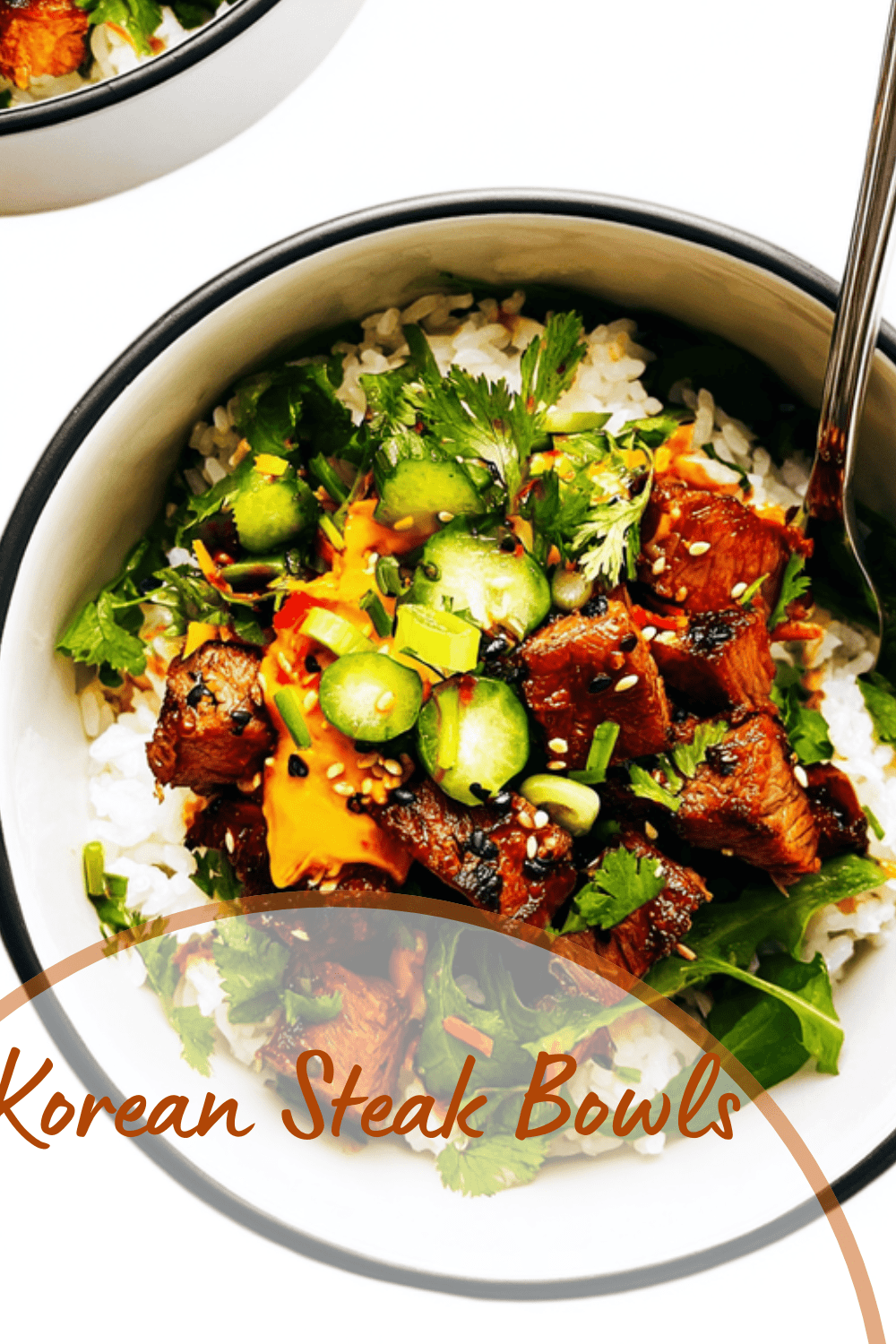
Now comes the fun part! Divide the rice among your serving bowls, creating a bed for the other ingredients. Top with a generous portion of the sesame cucumber slaw, then arrange the cooked steak bites on top or around the slaw. Drizzle everything with the spicy gochujang sauce, adding as much or as little as you prefer based on your spice tolerance. For an extra visual and flavor boost, sprinkle with additional sesame seeds or sliced green onions.Serving Suggestions
I like to serve Korean steak bowls with chopsticks to make the experience feel more authentic, but forks work perfectly fine too! If you’re feeling extra fancy, consider pairing these bowls with a refreshing beverage like my Brazilian lemonade recipe to complement the flavors and cool your palate from the spicy elements.The beauty of Korean steak bowls is how they transform simple ingredients into something extraordinary. The first time I made these, my family couldn’t believe they came from my kitchen!

Dietary Substitutions to Customize Your Korean Steak Bowls
One of the greatest strengths of Korean steak bowls is their adaptability. Whether you’re dealing with dietary restrictions, preferences, or simply working with what’s available in your pantry, these bowls can be customized to suit your needs. Here are some substitution ideas to help you make this recipe work for you.Protein Alternatives
- Beef Options: While flank steak works beautifully in this recipe, you can also use sirloin, ribeye, or even ground beef formed into small meatballs or patties. For a different texture, try thinly sliced beef short ribs, traditionally known as galbi in Korean cuisine.
- Poultry Alternatives: Chicken breast or thigh meat cut into bite-sized pieces makes an excellent substitute. Simply adjust cooking time to ensure the chicken is cooked through to an internal temperature of 165°F (74°C).
- Seafood Choices: Shrimp, scallops, or even cubed firm fish like salmon or tuna can replace the beef. These options cook much faster than beef, so reduce cooking time accordingly.
- Plant-Based Proteins: For a vegetarian or vegan version, try cubed extra-firm tofu, tempeh, or seitan. These options benefit from marinating in the soy sauce and sesame oil mixture (even briefly) before cooking to absorb more flavor.
Vegetable and Slaw Modifications
The beauty of Korean steak bowls lies in their versatility, especially when it comes to the vegetable components. The sesame cucumber slaw can be customized based on seasonal availability or personal preference:- Seasonal Vegetables: In summer, try adding shredded zucchini or bell peppers to the slaw. During fall and winter, julienned carrots and thinly sliced cabbage provide excellent texture and flavor.
- Kimchi Addition: For a more traditional Korean flavor profile, incorporate some chopped kimchi into the slaw. This adds a tangy, fermented element that complements the other flavors beautifully.
- Greens Options: Mixed greens, arugula, or spinach can replace or supplement the coleslaw mix for a lighter base. These wilt slightly from the warm components, creating a lovely texture contrast.
- Pickled Elements: Quick-pickled vegetables like radishes, cucumbers, or onions add a bright acidity that cuts through the richness of the protein and sauce.
Sauce and Seasoning Adjustments
The sauces in this recipe can be easily modified to accommodate various dietary needs:- Gluten-Free Options: Replace regular soy sauce with tamari or coconut aminos to make the entire dish gluten-free. Be sure to check your gochujang label, as some brands may contain wheat.
- Dairy-Free Spicy Sauce: If you used Greek yogurt in the spicy sauce, simply swap it for mayonnaise or a dairy-free yogurt alternative to make the recipe dairy-free.
- Sweetener Alternatives: Maple syrup provides a pleasant sweetness to the slaw dressing, but honey, agave nectar, or even a small amount of brown sugar dissolved in warm water can work as substitutes.
- Spice Level Control: Adjust the amount of gochujang in the spicy sauce to control the heat level. For those who love spice, consider adding a pinch of red pepper flakes or a drizzle of Sriracha.
Grain and Base Substitutions
While rice is traditional in Korean steak bowls, there are numerous alternatives for those following specific dietary patterns:- Low-Carb Options: Replace rice with cauliflower rice, zucchini noodles, or simply increase the proportion of vegetables for a lighter, lower-carbohydrate meal.
- Ancient Grains: Quinoa, farro, or freekeh can substitute for rice, providing additional nutrients and different textures.
- Noodle Variations: Soba noodles, rice noodles, or even whole wheat spaghetti can create a completely different but equally delicious version of this dish.
- Protein-Packed Bases: Lentils, chickpeas, or other legumes can form the base of your bowl, adding fiber and making the dish more substantial.
Customizing Korean steak bowls to fit different dietary needs has made this my go-to recipe for dinner parties. I can accommodate almost any restriction without compromising on flavor!
Mastering Korean Steak Bowls: Advanced Tips and Variations
Once you’ve mastered the basic Korean steak bowl recipe, you might want to take it to the next level. These advanced tips and variations will help you create even more impressive versions of this already delicious dish, whether you’re cooking for a special occasion or simply want to up your weeknight dinner game.Professional Cooking Techniques
- Proper Meat Preparation: For the most tender steak, slice against the grain before cubing. This shortens the muscle fibers, resulting in more tender meat. Additionally, patting the steak cubes dry with paper towels before seasoning helps create a better sear.
- Temperature Control: Get your pan properly hot before adding the steak. The pan should be just starting to smoke lightly. This high heat ensures a flavorful crust develops while keeping the inside juicy.
- Resting the Meat: Allow the cooked steak to rest for 5 minutes before serving. This crucial step allows the juices to redistribute throughout the meat, ensuring a more succulent result.
- Butter Basting: For an incredibly rich flavor, try butter basting your steak. In the last minute of cooking, add a tablespoon of butter, a crushed garlic clove, and a sprig of rosemary or thyme to the pan. Tilt the pan and spoon the melted butter over the steak continuously.
Flavor Variations and Enhancements
The basic Korean steak bowl recipe is delicious as is, but these flavor variations can add exciting new dimensions to the dish:- Honey-Soy Glaze: Combine equal parts honey and soy sauce with a splash of sesame oil and minced garlic. Brush this glaze onto the steak during the last minute of cooking for a caramelized, flavorful crust.
- Korean BBQ Marinade: Marinate the steak overnight in a mixture of soy sauce, sesame oil, garlic, ginger, pear juice, and a little sugar for an even deeper Korean flavor profile.
- Spicy Peanut Sauce: Replace the gochujang sauce with a peanut-based alternative by mixing peanut butter, soy sauce, lime juice, honey, and Sriracha. This creates a Thai-Korean fusion that’s absolutely delicious.
- Mushroom Umami Boost: Sauté sliced mushrooms with garlic and a splash of soy sauce before adding them to the bowl. They provide an earthy, umami flavor that complements the beef beautifully.
Professional Presentation Techniques
The visual appeal of Korean steak bowls can be elevated with these presentation techniques:- Color Theory: Arrange ingredients to create color contrast. The bright green cilantro against the pink steak and white rice creates an appealing visual that makes the dish even more appetizing.
- Component Separation: Instead of mixing everything together, section the bowl into distinct areas for rice, slaw, and protein. This restaurant-style presentation allows diners to customize each bite.
- Garnish Game: Don’t underestimate the power of garnishes. Toasted sesame seeds, thinly sliced scallions, microgreens, or even edible flowers can transform the appearance of your bowls.
- Serveware Selection: Consider serving in shallow, wide bowls that allow all components to be visible. Korean-style stone bowls (dolsot) can keep the rice at the bottom crispy and warm.
After hosting a dinner party with a Korean steak bowl bar, my friends now request this setup for every gathering. It’s interactive, delicious, and accommodates all their dietary preferences!
How to Store Korean Steak Bowls: Best Practices
These Korean steak bowls are perfect for meal prepping or enjoying leftovers, but proper storage is key to maintaining their delicious flavors and textures. Whether you’re packing lunches for the week or saving dinner for another night, these storage practices will ensure your Korean steak bowls taste just as good as when they were first made.Refrigeration Guidelines
For short-term storage, the refrigerator is your best option. Korean steak bowl components can be stored in airtight containers in the refrigerator for up to 3 days while maintaining good quality. For optimal results, consider keeping the components separate rather than assembling complete bowls. This prevents the rice from becoming mushy and the vegetables from losing their crisp texture. If you must store assembled bowls, place the spicy sauce in a separate container and add it just before eating. This preserves the freshness of all components and prevents the dish from becoming soggy. When refrigerating the steak, try to store it in a single layer to prevent it from continuing to cook from residual heat, which could make it tough.Freezing Techniques
For longer storage, freezing is an excellent option, but it requires a bit more care. The steak and rice freeze exceptionally well when stored properly. Cook the steak to medium-rare before freezing, as it will cook slightly more when reheated. Store in portion-sized freezer-safe containers or bags, removing as much air as possible to prevent freezer burn. Unfortunately, the fresh slaw components don’t freeze well due to their high water content, which would make them limp and watery upon thawing. Instead, freeze just the steak and rice, then prepare fresh slaw when ready to eat. The spicy sauce can be frozen and thawed in the refrigerator overnight, though some separation may occur simply whisk it back together before serving.Reheating Methods
How you reheat your Korean steak bowls can make the difference between a meal that’s just okay and one that’s virtually as good as fresh. For the steak, a quick sear in a hot pan is the best method, restoring some of the original texture and flavor. Alternatively, you can gently reheat it in the microwave at 50% power to prevent overcooking. For the rice, steam it with a small amount of water in the microwave or on the stovetop to restore moisture. The slaw is best served cold or at room temperature, so no reheating is necessary. The spicy sauce should be brought to room temperature before serving for optimal flavor and consistency.Meal Prep Considerations
Korean steak bowls are ideal for meal prepping, but organization is key. Here’s how I set up my meal prep for the week:- Batch Cooking: Cook all components for multiple servings at once. This is more efficient than preparing single portions multiple times.
- Container Strategy: Use compartmentalized bento boxes to keep components separate, or use individual small containers within a larger bag.
- Order of Use: If making multiple days worth of meals, eat bowls with the most delicate components first, saving the heartier components for later in the week.
- Fresh Add-ins: Pack delicate fresh herbs or avocado separately and add them just before eating to maintain their texture and flavor.
Proper storage has transformed Korean steak bowls from a dinner-only treat into my favorite lunch of the week. Knowing I have components ready to assemble makes healthy eating so much easier!
FAQs: Frequently Asked Questions About Korean Steak Bowls
What ingredients are typically used in a Korean steak bowl?
How do you make the marinade for Korean steak bowls?
Can I use other types of rice for Korean steak bowls?
What are some quick vegetable options to include in a Korean steak bowl?
How can I make my Korean steak bowl healthier?
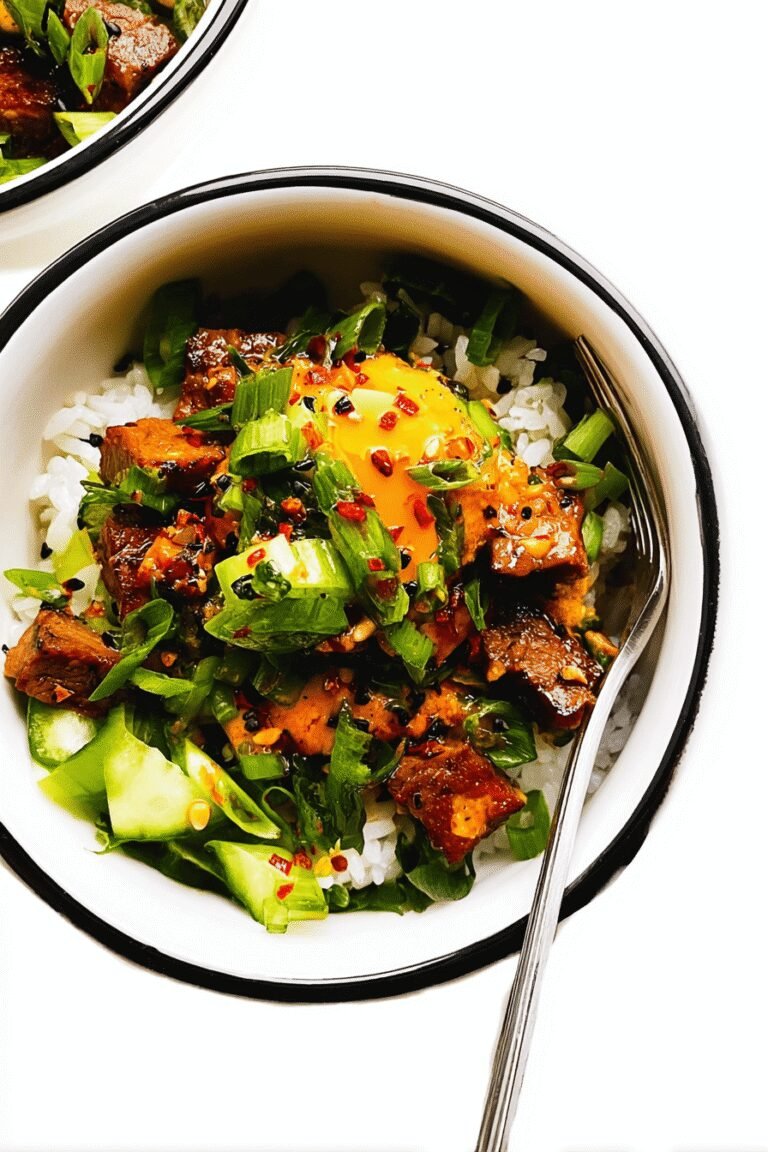
Korean Steak Bowls
🥩 Korean Steak Bowls deliver a quick and flavorful way to enjoy restaurant-quality meals at home with tender, savory steak bites.
🥗 The fresh sesame cucumber slaw adds a crisp, vibrant contrast, making this dish healthy and satisfying for any occasion.
- Total Time: 30 minutes
- Yield: 4-6 servings
Ingredients
– 1 1/2 pounds flank steak
– 1 tablespoon high-heat oil
– Salt and pepper to taste
– 1 (14-ounce) bag coleslaw mix
– 1 English cucumber
– 1 cup chopped fresh cilantro
– 2/3 cup sliced green onions
– 2 tablespoons rice vinegar
– 1 tablespoon soy sauce
– 1 tablespoon maple syrup
– 1 tablespoon toasted sesame oil
– 2 teaspoons toasted sesame seeds
– 1/3 cup plain Greek yogurt or mayonnaise
– 2 tablespoons gochujang
– 1 1/2 cups white or brown rice
Instructions
1-Step 1: Prepare the Rice Foundation Start by cooking your rice according to package instructions. This will typically involve rinsing the rice, combining it with water in a pot, bringing it to a boil, then reducing the heat to low and letting it simmer until the water is absorbed. While the rice cooks, you can prepare the other components of your Korean steak bowls. For optimal flavor, consider toasting the rice grains in a dry pan for a minute or two before adding water. This develops a nutty taste that complements the other ingredients beautifully. If you’re using brown rice, remember it will require a longer cooking time than white rice, so adjust your timeline accordingly.
2-Step 2: Mix Up the Spicy Sauce While the rice is cooking, combine the Greek yogurt or mayonnaise with gochujang in a small bowl. Whisk until smooth and well combined. This sauce is what gives Korean steak bowls their distinctive kick, so taste it and adjust the gochujang quantity if you prefer more or less heat. If the sauce is too thick, thin it with a small amount of water, adding just a teaspoon at a time until you reach your desired consistency. Set the sauce aside at room temperature while you prepare the remaining components. The flavors will meld together nicely during this resting time, creating a more harmonious final result.
3-Step 3: Create the Sesame Cucumber Slaw In a large bowl, combine the coleslaw mix, cucumber slices, cilantro, and green onions. These fresh vegetables provide a crisp, refreshing contrast to the rich steak and creamy sauce. In a separate small bowl, whisk together the rice vinegar, soy sauce, maple syrup, and toasted sesame oil. Pour this dressing over the vegetable mixture and toss thoroughly to ensure every piece is coated. If you’re using sesame seeds, stir them in now. This slaw can be made ahead of time and actually benefits from sitting for 15-20 minutes, as the vegetables begin to marinate in the dressing, enhancing their flavors.
4-Step 4: Cook the Perfect Steak Bites Season the steak cubes generously with salt and pepper. Heat the high-heat oil in a large sauté pan over high heat until it shimmers slightly. Add the steak in a single layer, being careful not to overcrowd the pan (cook in batches if necessary). Let the steak cook undisturbed for about 2 minutes to develop a beautiful crust. Then flip and cook for another 1-2 minutes, depending on your desired level of doneness. For medium-rare steak, aim for an internal temperature of 130-135°F (54-57°C). Once cooked, remove the steak from the pan and toss it with a bit of soy sauce for an extra layer of flavor. Let the meat rest for a few minutes before assembling your bowls to allow the juices to redistribute.
5-Step 5: Assemble Your Korean Steak Bowls Now comes the fun part! Divide the rice among your serving bowls, creating a bed for the other ingredients. Top with a generous portion of the sesame cucumber slaw, then arrange the cooked steak bites on top or around the slaw. Drizzle everything with the spicy gochujang sauce, adding as much or as little as you prefer based on your spice tolerance. For an extra visual and flavor boost, sprinkle with additional sesame seeds or sliced green onions.
Last Step:
Please leave a rating and comment letting us know how you liked this recipe! This helps our business to thrive and continue providing free, high-quality recipes for you.Notes
🍳 Substitute flank steak with ground beef, chicken, pork, shrimp, tofu, or tempeh for variety.
🥑 Add sliced avocado or a soft-boiled egg for extra toppings and richness.
🌶 Adjust gochujang in the spicy sauce to control heat level to your preference.
🥗 Slaw holds well for meal prep if made in advance, making this recipe convenient for busy days.
- Prep Time: 25 minutes
- Cook Time: 5 minutes
- Category: Main Dish
- Method: Sautéing
- Cuisine: Korean
- Diet: Healthy
Nutrition
- Serving Size: 1 bowl