

Why You’ll Love This Lemon Curd
If you’ve ever wanted a silky smooth lemon curd that tastes bright, rich, and fresh, this recipe is about to become a favorite. Lemon Curd is one of those little kitchen wins that feels fancy, but it is actually simple enough for a weeknight baking session. It works beautifully for home cooks, busy parents, students, and anyone who wants a quick homemade treat with a big payoff.
- Easy to make: This easy lemon curd recipe comes together in about 15 to 20 minutes on the stove. You only need a saucepan, a whisk, and a few basic ingredients.
- Bright and fresh flavor: Fresh lemon juice and zest give this tangy lemon curd recipe its lively citrus bite. It tastes sunny, zippy, and just sweet enough.
- So many uses: Use it as a lemon filling for tarts, cakes, cupcakes, and pastries, or spoon it over pancakes, toast, yogurt, and scones.
- Flexible for different needs: You can make a thicker version with extra egg, use salted butter if needed, or swap in other citrus fruits for a fun twist.
Once you make homemade lemon curd from scratch, you may never go back to store-bought jars again. The texture is richer, the flavor is fresher, and the payoff is huge.
For a quick read on the fruit itself, you can also check out this guide to lemons and their nutrition, which helps explain why citrus flavors shine so well in desserts and breakfast recipes.
If you like citrusy breakfast ideas, this spread also pairs nicely with soft baked treats like golden blueberry muffins or a warm slice of buttery croissant bread.
Essential Ingredients for Lemon Curd
Great homemade lemon curd starts with simple ingredients and a little attention while cooking. Each part plays a job, from the eggs that thicken the curd to the butter that makes it glossy and rich.
Main ingredients
- 4 large egg yolks or 2 egg yolks plus 1 whole egg for a thicker curd – This creates the custard base and gives the curd body. The extra whole egg makes the final texture a bit firmer.
- 2/3 cup granulated sugar – Sweetens the curd and balances the tart lemon juice.
- 1 tablespoon lemon zest from about 1 lemon – Adds bold citrus aroma and boosts the fresh lemon flavor.
- 1/3 cup fresh lemon juice from about 2 to 3 lemons – Gives the curd its bright tang and classic flavor.
- 1/8 teaspoon salt – Sharpens the flavor and keeps the sweetness from tasting flat.
- 6 tablespoons unsalted butter, softened and cut into 6 pieces – Makes the curd silky, smooth, and rich. If you use salted butter, you can leave out the salt.
| Ingredient | What it does | Tip |
|---|---|---|
| Egg yolks | Thicken the curd | Whisk well so they do not scramble |
| Sugar | Balances tartness | Use granulated sugar for best texture |
| Lemon zest | Adds aroma | Zest only the yellow part |
| Lemon juice | Provides tang | Use fresh juice for the cleanest flavor |
| Butter | Creates a glossy finish | Add it off the heat |
Special dietary options
- Vegan: Use the egg-free version with cornstarch and plant butter if you want a dairy-free, egg-free spread.
- Gluten-free: This recipe is naturally gluten-free, so it is a great choice for many gluten-free kitchens.
- Low-calorie: Reduce the sugar slightly, but keep in mind that lemon curd needs enough sweetness to balance the tartness.
How to Prepare the Perfect Lemon Curd: Step-by-Step Guide
This lemon curd recipe is all about gentle heat, constant stirring, and patience for just a few minutes. If you move slowly and keep whisking, you’ll end up with a smooth lemon curd filling that looks glossy and tastes like pure sunshine.
First step: Gather and prep your ingredients
Before you turn on the stove, measure everything first. Separate the egg yolks if you are using the classic version, zest the lemon, and squeeze enough juice to get 1/3 cup. Cut the butter into pieces so it melts evenly later. This quick prep makes the cooking part easy and helps avoid scrambling the eggs.
Second step: Whisk the base
In a medium saucepan, whisk together the egg yolks, sugar, lemon zest, lemon juice, and salt until smooth. If you are using the thicker version with 2 egg yolks plus 1 whole egg, whisk that mixture very well before heating. The mixture should look pale and well blended. A sturdy whisk works best here, but a spoon will do in a pinch.
Third step: Cook over medium-low heat
Place the pan over medium-low heat and keep whisking constantly. This is the part that turns the mixture into real lemon curd. Do not rush it with high heat, because that can make the eggs curdle. Cook until the mixture thickens enough to coat the back of a spoon, which usually takes about 8 to 10 minutes. If you want to be precise, the curd should reach about 170 to 175°F.
Fourth step: Watch for the right thickness
The texture should be smooth, creamy, and thick enough that it does not run right off a spoon. If you drag your finger across the back of the spoon, the line should stay in place. That is your sign that the curd is ready. Keep whisking while it thickens so the bottom of the pan does not scorch.
Fifth step: Stir in the butter
Remove the saucepan from the heat and add the butter pieces one at a time. Stir until each piece melts before adding the next one. This step gives the curd its rich finish and silky shine. If you used salted butter, skip the added salt next time for a cleaner flavor balance.
Sixth step: Strain for a silky finish
For the smoothest result, pour the curd through a fine mesh sieve into a clean bowl or jar. This removes any tiny bits of cooked egg or zest. It is a small step, but it makes a big difference if you want that perfect homemade lemon curd texture.
Final step: Cool and chill
Let the curd cool at room temperature, then cover it and refrigerate it until fully chilled. As it cools, it will thicken even more. Once cold, it is ready to use as a lemon filling for tarts, layer cakes, thumbprint cookies, or even breakfast toast.
Tip: If you feel nervous about cooking eggs directly in a pan, use a double boiler. It gives you more control and lowers the chance of curdling.

Dietary Substitutions to Customize Your Lemon Curd
Protein and main ingredient alternatives
If you want to change the egg base, there are a few easy ways to do it. For a thicker curd, use 2 egg yolks plus 1 whole egg instead of 4 yolks. That gives the curd a firmer set, which is nice for piping into pastries or spreading in tart shells. If you need an egg-free version, use a cornstarch-based lemon curd with plant butter. It will not taste exactly the same, but it still gives you a bright, tangy spread.
Vegetable, sauce, and seasoning modifications
You can also play with the citrus flavor. Swap lemons for limes, oranges, or grapefruits if you want a different kind of citrus filling. A little extra zest can make the flavor stronger, while a touch more sugar can soften sharper fruit. For a dairy-free version, use plant-based butter. If you are cutting back on sugar, reduce it slightly, but do not skip it entirely since sugar helps the curd taste balanced and smooth.
Mastering Lemon Curd: Advanced Tips and Variations
Pro cooking techniques
The best perfect homemade lemon curd comes from steady whisking and gentle heat. Keep the burner at medium-low and never walk away for too long. If your stovetop runs hot, move the pan on and off the heat while whisking. A thermometer helps, but your eyes and spoon test work too. The curd is ready when it coats the spoon and does not look thin or watery.
Flavor variations
Want a little twist? Add a bit more lemon zest for a bolder citrus punch, or mix in a touch of vanilla for a softer flavor. You can also make a mixed citrus version with lemon and lime juice for a brighter spread. For a holiday feel, pair the curd with berries in parfaits or fold it into whipped cream for a dessert filling.
Presentation tips
Spoon the curd into a glass jar for a pretty homemade gift, or layer it in dessert cups with whipped cream and fruit. It also looks lovely piped into tart shells or spooned over scones. If you are serving guests, add a twist of lemon zest on top or a few berries beside the bowl for color.
Make-ahead options
This easy lemon curd recipe is a smart make-ahead choice for busy schedules. Make it a day or two before you need it, then chill it until serving time. That makes holiday baking, brunch prep, and dessert planning much easier. It is also a great filling to keep on hand for spontaneous baking moments.
How to Store Lemon Curd: Best Practices
Good storage keeps your homemade lemon curd fresh, smooth, and ready for the next dessert or breakfast craving. Store it in a clean jar or airtight container once it has cooled.
Refrigeration
Keep lemon curd in the refrigerator for 1 to 2 weeks. Since it contains eggs and butter, chilling is important. Always use a clean spoon when scooping it out so it stays fresh longer.
Freezing
You can freeze lemon curd for up to 3 months. Leave a little headspace in the jar or use freezer-safe bags. Thaw it overnight in the fridge before using. If it separates slightly, whisk it gently until smooth again.
Reheating
If you want to loosen chilled curd, warm it very gently over low heat or in short bursts in the microwave. Stir often so it stays creamy. Do not overheat it, or the texture can break.
Meal prep considerations
Batch prep works really well here. Make one batch, divide it into smaller containers, and label each one with the date. That way, you always have a quick lemon filling ready for scones, cakes, pancakes, or toast.
For another sweet breakfast idea that pairs well with citrus spreads, take a look at this fun breakfast banana split recipe.
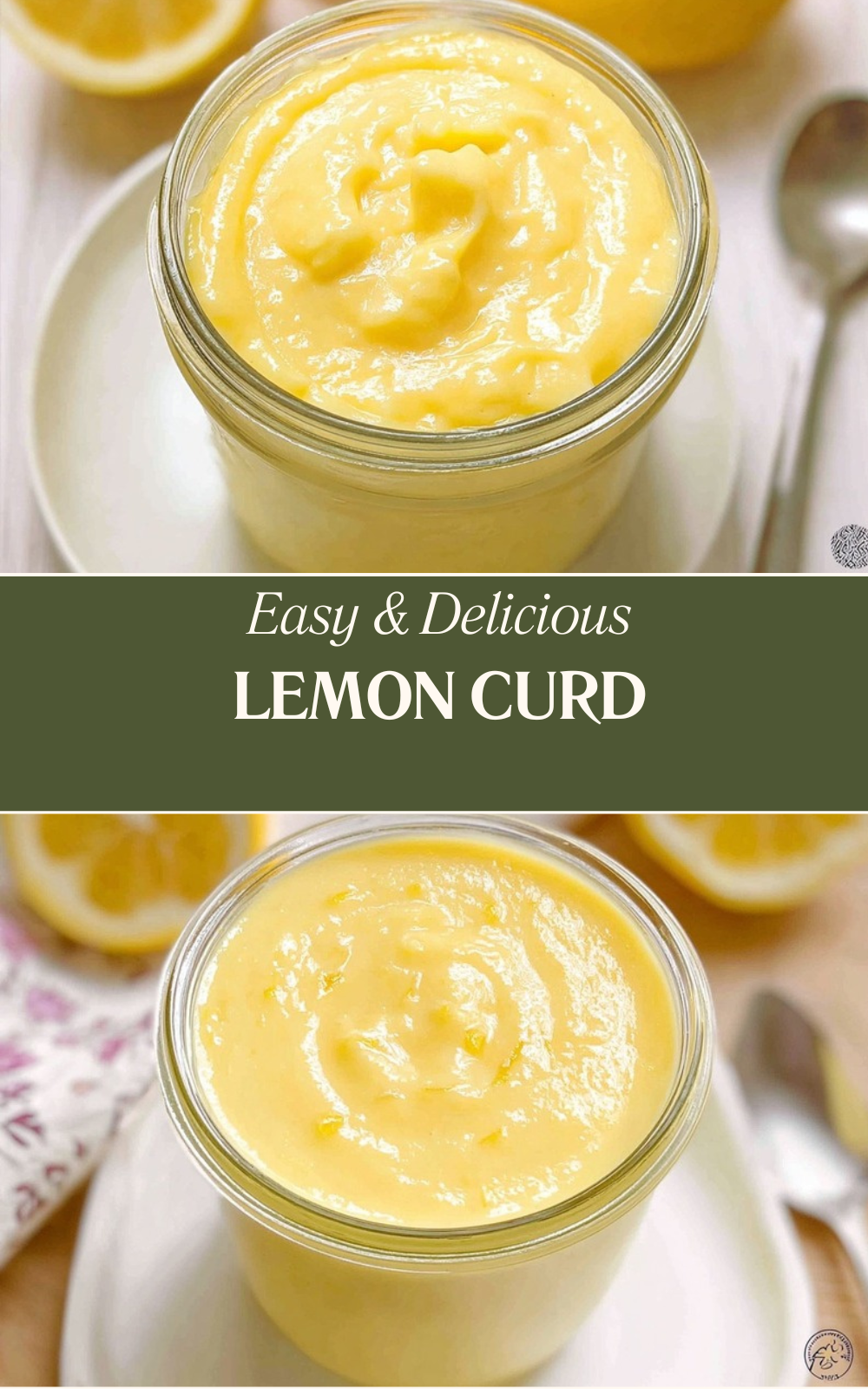
FAQs: Frequently Asked Questions About Lemon Curd
What is lemon curd and what is it used for?
How do I make homemade lemon curd step by step?
How long does lemon curd last and can I freeze it?
Can I make lemon curd with other citrus fruits?
Can I make lemon curd without eggs?
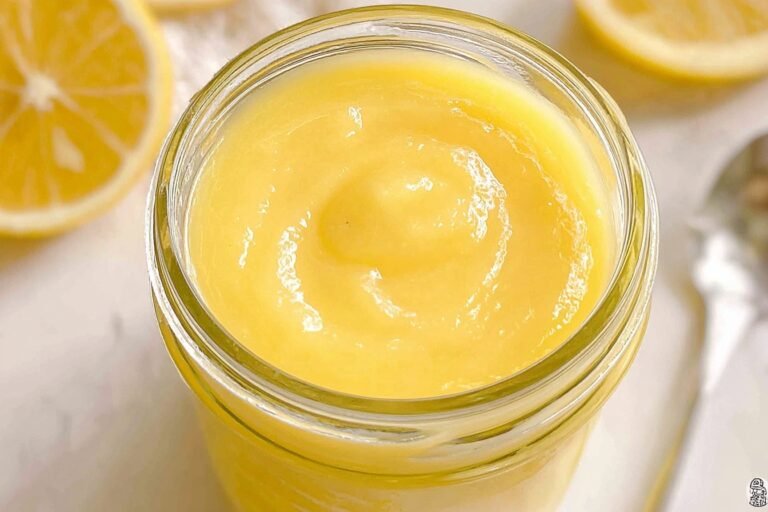
Lemon Curd
🍋 Silky, tangy lemon curd transforms toast, tarts, or yogurt into luxurious treats effortlessly!
🧈 Foolproof double-boiler method yields perfect spreadable texture every time.
- Total Time: 1 hour 20 minutes
- Yield: 1 1/2 cups (12 servings)
Ingredients
– 4 large egg yolks for thickening the curd
– 2/3 cup granulated sugar for balancing tartness
– 1 tablespoon lemon zest for adding aroma
– 1/3 cup fresh lemon juice for providing tang
– 1/8 teaspoon salt for sharpening the flavor
– 6 tablespoons unsalted butter for creating a glossy finish
Instructions
1-First step: Gather and prep your ingredients Before you turn on the stove, measure everything first. Separate the egg yolks if you are using the classic version, zest the lemon, and squeeze enough juice to get 1/3 cup. Cut the butter into pieces so it melts evenly later. This quick prep makes the cooking part easy and helps avoid scrambling the eggs.
2-Second step: Whisk the base In a medium saucepan, whisk together the egg yolks, sugar, lemon zest, lemon juice, and salt until smooth. If you are using the thicker version with 2 egg yolks plus 1 whole egg, whisk that mixture very well before heating. The mixture should look pale and well blended. A sturdy whisk works best here, but a spoon will do in a pinch.
3-Third step: Cook over medium-low heat Place the pan over medium-low heat and keep whisking constantly. This is the part that turns the mixture into real lemon curd. Do not rush it with high heat, because that can make the eggs curdle. Cook until the mixture thickens enough to coat the back of a spoon, which usually takes about 8 to 10 minutes. If you want to be precise, the curd should reach about 170 to 175°F.
4-Fourth step: Watch for the right thickness The texture should be smooth, creamy, and thick enough that it does not run right off a spoon. If you drag your finger across the back of the spoon, the line should stay in place. That is your sign that the curd is ready. Keep whisking while it thickens so the bottom of the pan does not scorch.
5-Fifth step: Stir in the butter Remove the saucepan from the heat and add the butter pieces one at a time. Stir until each piece melts before adding the next one. This step gives the curd its rich finish and silky shine. If you used salted butter, skip the added salt next time for a cleaner flavor balance.
6-Sixth step: Strain for a silky finish For the smoothest result, pour the curd through a fine mesh sieve into a clean bowl or jar. This removes any tiny bits of cooked egg or zest. It is a small step, but it makes a big difference if you want that perfect homemade lemon curd texture.
7-Final step: Cool and chill Let the curd cool at room temperature, then cover it and refrigerate it until fully chilled. As it cools, it will thicken even more. Once cold, it is ready to use as a lemon filling for tarts, layer cakes, thumbprint cookies, or even breakfast toast.
Last Step:
Please leave a rating and comment letting us know how you liked this recipe! This helps our business to thrive and continue providing free, high-quality recipes for you.Notes
🍋 Fresh lemons maximize bright zest and juice flavor punch.
🔥 Constant whisking over gentle simmer prevents curdling.
❄️ Chill fully for spreadable texture; freezes 3 months.
- Prep Time: 10 minutes
- Chill Time: 1 hour
- Cook Time: 10 minutes
- Category: Dessert
- Method: Stovetop
- Cuisine: British
- Diet: Vegetarian, Gluten-Free
Nutrition
- Serving Size: 2 Tbsp
- Calories: 100 kcal
- Sugar: 9g
- Sodium: 40mg
- Fat: 6g
- Saturated Fat: 3.5g
- Unsaturated Fat: 2.5g
- Trans Fat: 0g
- Carbohydrates: 10g
- Fiber: 0g
- Protein: 1g
- Cholesterol: 80mg