

Back to School Lunch Boxes Ideas for Quick and Healthy Meals
As summer winds down and the school year begins, parents everywhere are searching for lunchbox ideas that are both quick to prepare and healthy for their children. The perfect school lunch should nutrition, convenience, and something kids look forward to eating. This comprehensive guide aims to transform your lunch-packing routine with practical tips, delicious recipes, and innovative solutions that will make the back-to-school transition smoother for the entire family.
Why You’ll Love This Lunchboxes
When it comes to back-to-school preparation, food is often on top of the list for many families. Our approach to lunchboxes combines convenience, nutrition, and sustainability to make your mornings smoother and your children’s meals more enjoyable.
One of the key benefits of our lunchbox recipes is their ease of preparation. These lunch boxes are designed for simplicity and quick cooking times, making them perfect for busy lifestyles. With minimal steps and common ingredients, you can prepare a nutritious meal in no time, ideal for efficient meal planning. Even on the most hectic mornings, you can rest assured that your child has a healthy, appetizing meal waiting for them at school.
The health advantages of these lunchboxes are another reason to love them. Each meal is packed with essential nutrients, supporting wellness with balanced portions of protein, fiber, and vitamins. By using fresh, wholesome ingredients, these school lunch containers promote overall health by contributing to energy and vitality throughout the school day. When children eat well, they’re better able to focus, learn, and participate in classroom activities.
What makes our lunchbox recipes truly special is their versatility. These meals are adaptable to various dietary needs, allowing you to easily modify them for vegan, gluten-free, or low-calorie options without compromising flavor or texture. This makes the recipes suitable for diverse preferences and nutritional goals, ensuring that every child can enjoy a delicious and appropriate meal.
Finally, the distinctive flavor profile of these recipes sets them apart from typical packed lunches. Each dish stands out due to its unique combination of seasonings and fresh ingredients, providing a satisfying and memorable taste experience that will make your child look forward to lunchtime. Say goodbye to boring sandwiches and hello to meals that are as delicious as they are nutritious.
Essential Ingredients for Lunchboxes
The foundation of any great school lunch starts with quality ingredients. Here’s a structured list of what you’ll need for our basic lunchbox recipe:
- 200g Chicken breast
- 1 cup Quinoa
- 150g Mixed vegetables
- 2 tbsp Olive oil
For those with special dietary considerations, here are some alternative options:
- Vegan: Substitute chicken breast with an equal amount of tofu or tempeh
- Gluten-free: Use gluten-free soy sauce or tamari in seasoning
- Low-calorie: Replace olive oil with cooking spray or reduce quantity
When preparing back-to-school lunch boxes ideas, remember that freshness matters. Choose the highest quality ingredients you can find, ideally organic and locally-sourced produce when possible. This not only improves flavor but also maximizes the nutritional value of each meal.
The combination of ingredients in our easy lunch box meals for school ensures a balanced diet that will keep children energized and focused throughout the school day. These ingredients are readily available at most grocery stores, making them accessible for all families regardless of location or budget constraints.
How to Prepare the Perfect Lunchboxes: Step-by-Step Guide
Preparing healthy school lunches doesn’t have to be complicated. Follow this step-by-step guide to create quick healthy lunch boxes for kids that will have them looking forward to lunchtime every day.
Gathering Your Equipment
Before you begin cooking, make sure you have all the necessary equipment on hand. This includes measuring cups, sharp knives, cutting boards, and appropriate cookware. Having everything ready before you start makes the process much smoother, especially during busy mornings.
Preparing the Base
Cook the quinoa according to package instructions. Typically, this involves rinsing the quinoa, simmering in water for about 15 minutes until fluffy, and then letting it rest for a few minutes. Quinoa makes an excellent base for lunch boxes because it maintains its texture well, even after being refrigerated.
Cooking the Protein
In a pan, heat olive oil over medium heat and cook the chicken breast until fully cooked and golden brown, about 6-8 minutes per side. If you’re making a vegan version, prepare the tofu or tempeh similarly. For extra flavor, consider marinating the protein overnight with your favorite herbs and spices.
Pro tip: Cook proteins in larger batches over the weekend to save time during busy weekdays. Simply store them in airtight containers and use them throughout the week for various lunch combinations.
Adding Vegetables
Add mixed vegetables to the pan and sauté for 4-5 minutes until tender but still crisp. Using colorful vegetables not only enhances the nutritional profile of the meal but also makes the lunch more visually appealing, which is especially important for children who might be picky eaters.
Season with gluten-free soy sauce or preferred seasonings to enhance flavor. If you’re cooking for children, you might want to go lighter on strong seasonings and focus on natural herb flavors like thyme, basil, or mild chives.
Combining Components
Combine the cooked quinoa, chicken, and vegetables in the pan to mix flavors and warm through. At this point, you can add any additional seasonings or flavor boosters your family enjoys. This is also your opportunity to incorporate different cuisines by adding specific spices or sauces.
Packing the Lunch Boxes
Divide the mixture evenly into lunchbox containers. Allow to cool slightly before sealing and refrigerating. When packing, consider the arrangement place the main components in one compartment and include small sides like fruits or additional vegetables in separate sections.
For meal prep, prepare up to 4 days in advance, ensuring safety and freshness. Reheat thoroughly before serving, though many of these components taste delicious when served cold or at room temperature, which makes them perfect for school lunches.
These back to school lunch boxes ideas make morning routines easier and ensure your children have delicious, nutritious meals to enjoy at school.

Dietary Substitutions to Customize Your Lunchboxes
Every child has unique nutritional needs and taste preferences. Fortunately, our lunchbox recipes are highly adaptable. Here are some simple swaps to accommodate different dietary requirements while maintaining great taste and nutrition.
Protein Alternatives
- Replace chicken with chickpeas or lentils for vegan protein sources
- Use shrimp or turkey as alternative lean proteins depending on preference and availability
- For those with nut allergies, consider sunflower seed butter as a protein-rich alternative in certain recipes
Vegetable, Sauce, and Seasoning Modifications
- Swap mixed vegetables with seasonal produce like zucchini or mushrooms to vary texture and taste
- Opt for low-sodium soy sauce or coconut aminos for flavor with reduced salt content
- Incorporate fresh herbs or spice blends such as cumin or smoked paprika to personalize seasoning profiles
When making these substitutions, be mindful of texture and flavor balance. For example, if using grilled vegetables instead of raw, you might want to pack them separately and assemble at mealtime to maintain the best texture.
The versatility of these school lunch containers means you can continuously rotate through different options, preventing lunchtime boredom and encouraging children to try new foods. For picky eaters, introducing new ingredients gradually alongside familiar favorites can help expand their palate over time.
Mastering Lunchboxes: Advanced Tips and Variations
Once you’re comfortable with the basics, it’s time to take your lunchbox game to the next level with these advanced tips and creative variations. These ideas will help you create lunch experiences that are both delicious and exciting for your children.
Professional Cooking Techniques
For exceptionally tender proteins, consider using sous vide for perfectly cooked options with consistent texture. While this might seem advanced, modern home sous vide devices make this technique accessible to home cooks. Simply season the protein, vacuum-seal, and cook at the recommended temperature before searing.
Another professional technique is marinating proteins overnight. This step, while simple, dramatically deepens flavor profiles and can transform basic ingredients into something extraordinary. Create simple marinades using ingredients like citrus juice, herbs, garlic, and healthy oils.
International Flavor Variations
Don’t be afraid to experiment with different cuisines by adding curry spices, Mediterranean herbs, or Asian-inspired sauces to diversify your lunchbox experience. A simple change in seasoning can completely transform familiar ingredients into something new and exciting.
Consider creating theme days based on different international cuisines. This educational approach introduces children to global flavors while making lunch more interesting.
Visual Appeal and Presentation
They say we eat with our eyes first, and this is especially true for children. Use colorful vegetables and fresh garnishes like chopped parsley or sesame seeds to create visually appealing meals. Arranging ingredients in patterns or creating food art makes lunch more engaging and fun.
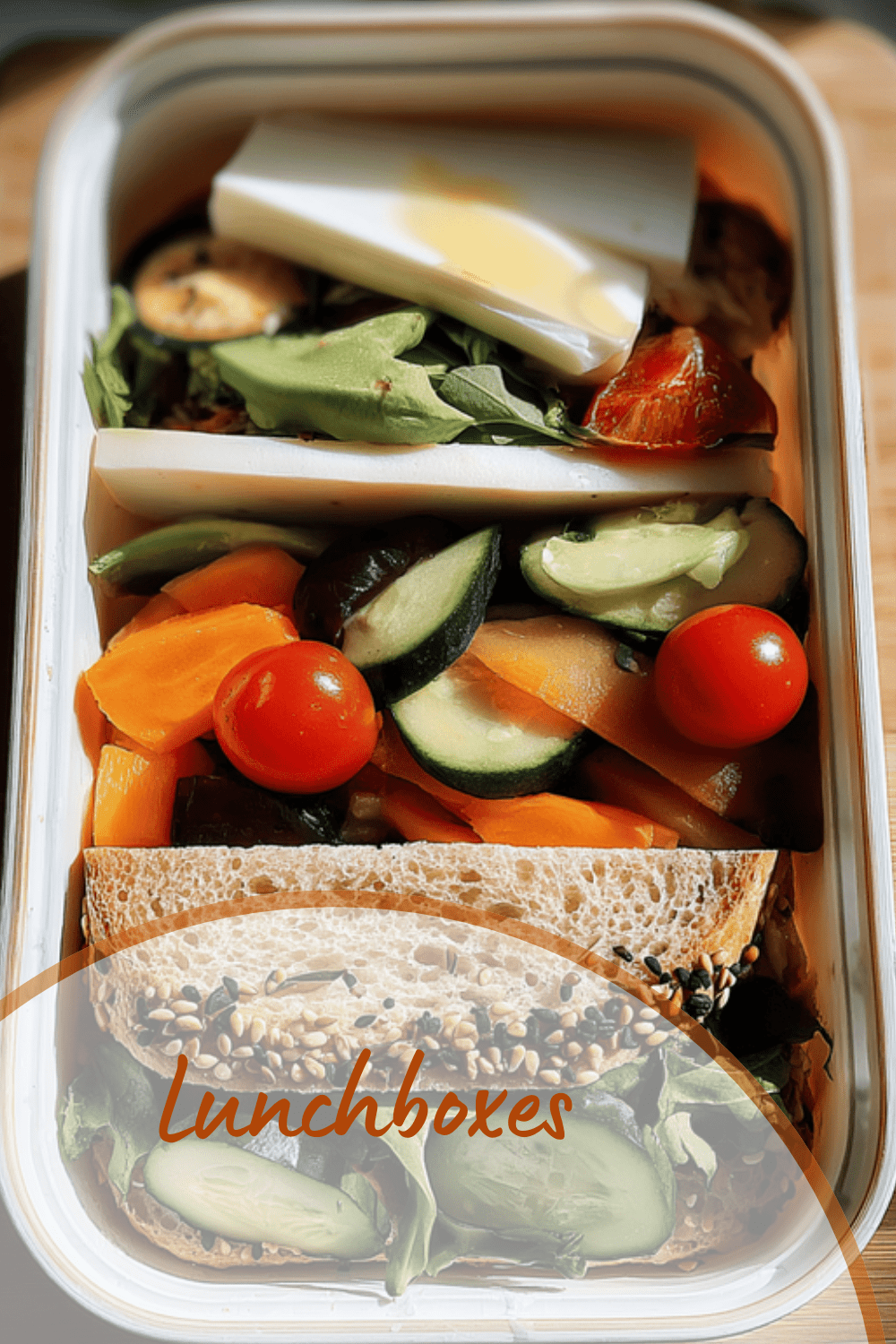
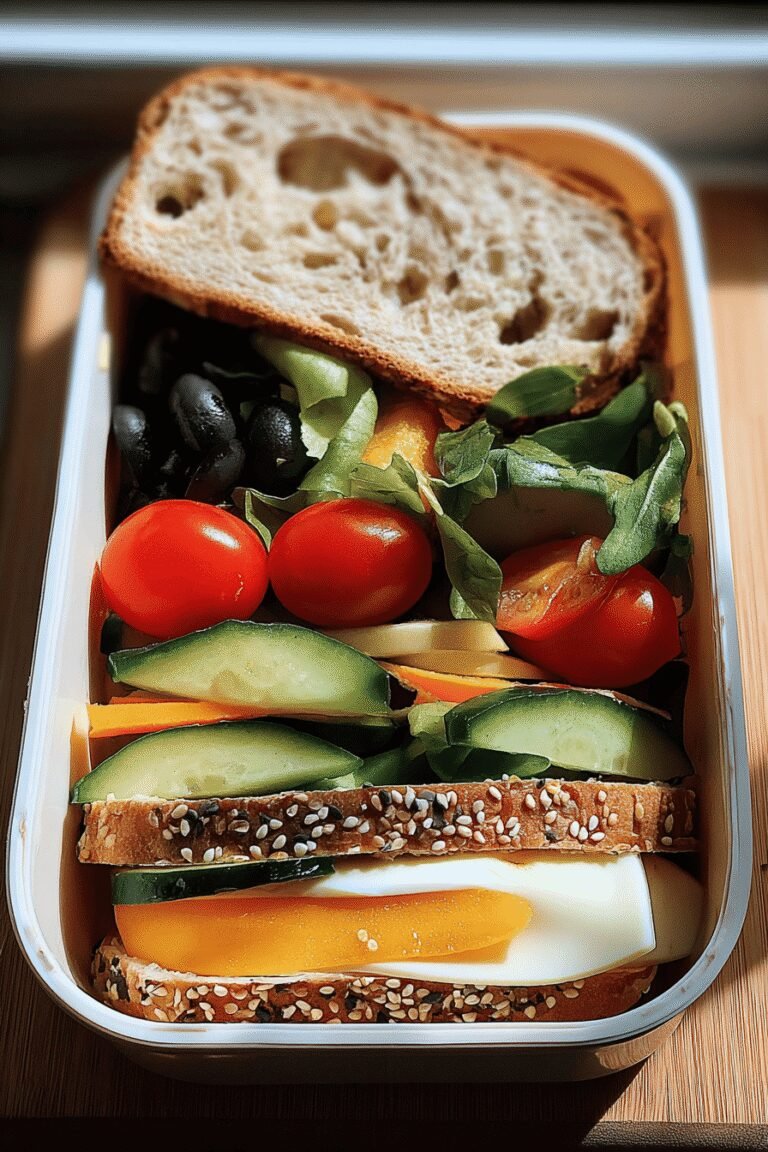
Bento-box style compartmentalization works particularly well for creating visually appealing lunches. The separate sections allow for variety and prevent flavors from mixing prematurely.
Make-Ahead Strategies
Advanced meal preppers often prepare components like grains and proteins in bulk, storing them separately and assembling just before eating to maintain freshness and texture. This approach allows for greater flexibility and ensures the best possible quality at mealtime.
Consider setting aside a couple of hours each week for lunch prep. Wash and cut vegetables, cook grains, and prepare proteins ahead of time. Store these components in clear containers in your refrigerator, making morning assembly quick and stress-free.
How to Store Lunchboxes: Best Practices
Proper storage is essential for maintaining food safety and quality. Follow these guidelines to ensure your packed lunches remain delicious and safe to eat throughout the school day.
Refrigeration Guidelines
Store lunchboxes in airtight containers and refrigerate within two hours of preparation. Food should be consumed within 3-4 days to ensure optimal freshness and safety. Label containers with preparation dates to keep track of how long items have been stored.
Freezing Options
For long-term storage, freeze lunchboxes using freezer-safe containers. Most lunch components freeze well, maintaining their quality for up to three months. Thaw overnight in the refrigerator before reheating to maintain texture and flavor.
Consider creating a “lunchbox freezer stash” with ready-to-go meals that can be quickly thawed and packed on busy mornings. This approach is particularly helpful for those with hectic schedules.
Reheating Recommendations
Reheat only the portion needed using a microwave or stovetop, avoiding multiple reheats to preserve quality. If reheating at school isn’t possible, pack dishes that taste delicious at room temperature, like pasta salads or wraps.
Remember: Food safety should always be your top priority. When in doubt about whether a food item is still safe to eat, it’s better to discard it and prepare something fresh.
Efficient Meal Prep Approaches
Label containers with dates to keep track of freshness. Portion meals to facilitate quick access during busy workweeks. Consider creating a dedicated section in your refrigerator specifically for lunch components, making morning assembly more efficient.
For easy access, arrange ingredients in the order they’ll be packed. This simple organizational step can cut down valuable minutes during morning rush hours.
Innovative Lunchbox Solutions for Back to School
When it comes to school lunch preparation, the right containers can make all the difference. Today’s market offers innovative solutions designed specifically for busy families who care about nutrition, sustainability, and convenience.
Advanced Lunch Bag Technology
Newer reusable lunch bags feature integrated, non-toxic cooling gel built directly into the collapsible walls, keeping food chilled for hours without needing separate ice packs. This technology ensures that perishable items remain at safe temperatures throughout the school day, giving parents peace of mind.
These lunch boxes are made from sustainable materials, offering an eco-friendly alternative to disposable bags. Their design includes compartments for portion control, ample space, leak-proof construction, and durability suitable for daily use throughout the school year.
Features That Make a Difference
The best lunchboxes for school incorporate several thoughtful features that address common packing challenges:
- Multiple compartments for separating different food items
- Leak-proof seals to prevent spills in backpacks
- Easy-clean materials that resist stains and odors
- Appropriate sizing for different age groups and appetites
- Kid-friendly designs that make lunch exciting
Time-Saving Preparation Tips
With the right containers, preparation becomes significantly easier. Try these time-saving strategies:
Prep components the night before whenever possible. Having ingredients ready to assemble in the morning can cut your preparation time in half. Use pre-chopped ingredients and ready-to-go recipes like rollups or snack boxes to simplify the process.
Create an organization station in your refrigerator and pantry specifically for lunch supplies. Arrange ingredients in a way that makes grabbing and packing quick and efficient.
Maximizing Cooling Effectiveness
For advanced lunch bags with cooling technology, freeze the bag overnight before packing fresh, balanced meals. This pre-chilling ensures that the cooling gel is activated and ready to maintain optimal temperatures for as long as possible.
These innovative solutions support healthy eating habits, streamline packing for busy families, and contribute to zero waste lifestyles by eliminating single-use items. They’re designed to be easy to clean and versatile for all school levels, from kindergarten to high school.
The Environmental Impact
Choosing high-quality reusable lunchboxes isn’t just about convenience it’s also an important environmental decision. These products help reduce food waste by maintaining proper temperatures, which keeps food fresher for longer. They also eliminate the need for disposable plastic bags and packaging, significantly reducing your family’s environmental footprint.
Available in various styles and colors, these lunch containers make it easy to pack fresh, preservative-free meals that children will actually eat. By investing in quality lunch solutions, you’re supporting both your child’s health and the health of the planet.
FAQs: Frequently Asked Questions About Lunchboxes
What should I look for when choosing a lunchbox for school?
How can lunchboxes help reduce food waste and support sustainability?
What are some easy and healthy lunchbox ideas for busy school mornings?
Are insulated lunchboxes better for keeping food safe?
Can lunchboxes be customized to fit specific dietary needs or allergies?
Lunchboxes
🎒 These Back to School Lunch Boxes with built-in cooling gel keep food fresh and chilled for hours, helping maintain nutritious meals without preservatives.
🌱 Eco-friendly and designed for convenience, these lunch boxes simplify packing with separate compartments and durable, leak-proof materials, making busy mornings easier.
- Total Time: 15 minutes
- Yield: 1 packed lunch
Ingredients
– 200g Chicken breast
– 1 cup Quinoa
– 150g Mixed vegetables
– 2 tbsp Olive oil
– tofu or tempeh as vegan substitute for chicken breast
– gluten-free soy sauce or tamari for seasoning
Instructions
1-Gathering Your Equipment: Before you begin cooking, make sure you have all the necessary equipment on hand. This includes measuring cups, sharp knives, cutting boards, and appropriate cookware. Having everything ready before you start makes the process much smoother, especially during busy mornings.
2-Preparing the Base: Cook the quinoa according to package instructions. Typically, this involves rinsing the quinoa, simmering in water for about 15 minutes until fluffy, and then letting it rest for a few minutes. Quinoa makes an excellent base for lunch boxes because it maintains its texture well, even after being refrigerated.
3-Cooking the Protein: In a pan, heat olive oil over medium heat and cook the chicken breast until fully cooked and golden brown, about 6-8 minutes per side. If you’re making a vegan version, prepare the tofu or tempeh similarly. For extra flavor, consider marinating the protein overnight with your favorite herbs and spices.
4-Adding Vegetables: Add mixed vegetables to the pan and sauté for 4-5 minutes until tender but still crisp. Using colorful vegetables not only enhances the nutritional profile of the meal but also makes the lunch more visually appealing, which is especially important for children who might be picky eaters.
Season with gluten-free soy sauce or preferred seasonings to enhance flavor. If you’re cooking for children, you might want to go lighter on strong seasonings and focus on natural herb flavors like thyme, basil, or mild chives.
5-Combining Components: Combine the cooked quinoa, chicken, and vegetables in the pan to mix flavors and warm through. At this point, you can add any additional seasonings or flavor boosters your family enjoys. This is also your opportunity to incorporate different cuisines by adding specific spices or sauces.
6-Packing the Lunch Boxes: Divide the mixture evenly into lunchbox containers. Allow to cool slightly before sealing and refrigerating. When packing, consider the arrangement place the main components in one compartment and include small sides like fruits or additional vegetables in separate sections.
For meal prep, prepare up to 4 days in advance, ensuring safety and freshness. Reheat thoroughly before serving, though many of these components taste delicious when served cold or at room temperature, which makes them perfect for school lunches.
Last Step:
Please leave a rating and comment letting us know how you liked this recipe! This helps our business to thrive and continue providing free, high-quality recipes for you.Notes
🕒 Prep meal components the night before to save time during busy mornings.
❄️ Freeze the lunch bag overnight to keep meals chilled longer without separate ice packs.
🌿 Use sustainable, reusable lunch bags to reduce single-use waste and support eco-friendly practices.
- Prep Time: 15 minutes
- undefined: undefined
- Cook Time: 0 minutes
- Category: Lunch
- Method: Meal prep and packing
- Cuisine: Various
- Diet: Healthy, balanced
Nutrition
- Serving Size: 1 lunch box