
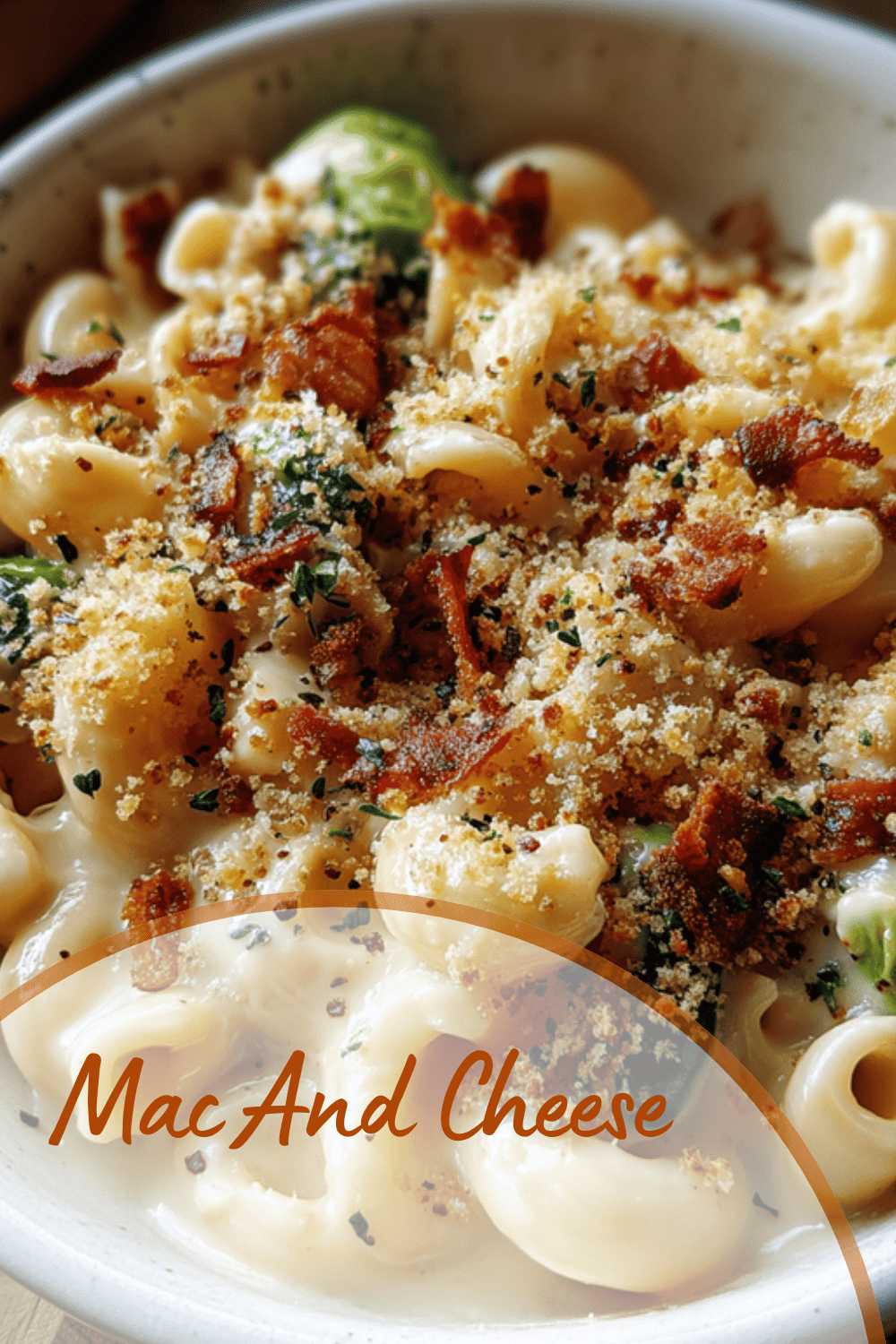
Why You’ll Love This Mac And Cheese
There’s something incredibly comforting about a warm, creamy bowl of mac and cheese that appeals to almost everyone. This creamy homemade baked mac and cheese recipe is destined to become a family favorite for so many good reasons. Its simplicity and versatility make it perfect for busy weeknights, while its rich, satisfying flavor earns it a spot at special gatherings.
This dish comes together so easily, you’ll be amazed by how creamy and cheesy it turns out – perfect for a weeknight dinner your whole family will actually get excited about.
The Simplicity Factor
Let’s talk about how easy this mac and cheese recipe is to prepare. With minimal ingredients and straightforward cooking steps, you’ll have a comforting meal ready in under 30 minutes. There’s no complicated technique or hard-to-find components involved, making it accessible for cooks of all skill levels. Even if you’ve never made homemade mac and cheese before, you’ll find success with this recipe. The simplicity doesn’t sacrifice quality you still get that restaurant-worthy result that’ll impress everyone at the dinner table.
Goodness in Every Bite
Beyond its delicious taste, this homemade mac and cheese offers some health benefits when enjoyed as part of a balanced diet. Made with wholesome ingredients, this dish provides a good source of calcium and protein from the dairy and cheese components. What’s great is that you can easily modify the recipe to reduce fat and sodium content, making it adaptable to different dietary needs. According to research on cheese’s nutritional profile, cheese contains important nutrients including calcium, protein, phosphorus, zinc, vitamin A and vitamin B12, which support overall wellness.
Endless Versatility
One of the best things about this recipe is its adaptability. This mac and cheese can easily be tailored to accommodate various dietary needs. Whether you need a vegan version, a gluten-free option, or a lower-calorie alternative, this recipe serves as an excellent base. You can also experiment with different flavor profiles by adding vegetables, proteins, or seasonings based on your family’s preferences. This versatility means you’ll never get bored with the same old mac and cheese.
That Irresistible Flavor
What truly sets this mac and cheese apart is its distinctive flavor profile. The perfect balance of creamy texture and rich cheese taste creates a satisfying experience that typical boxed versions simply can’t match. The blend of cheddar and Gruyere offers depth and complexity, enhanced with just the right amount of seasonings to bring out the best in every ingredient. One bite and you’ll understand why this recipe stands above the rest.
Essential Ingredients for Mac And Cheese
The secret to an exceptional mac and cheese starts with quality ingredients. Each component plays a crucial role in creating that perfect balance of flavor and texture that makes this dish so beloved. Before you begin cooking, gather these essential items to ensure a smooth preparation process.
Ingredients List
- 1 pound dried elbow pasta
- 1/2 cup unsalted butter
- 1/2 cup all-purpose flour
- 1 1/2 cups whole milk
- 2 1/2 cups half and half
- 4 cups shredded medium cheddar cheese (measured after shredding)
- 2 cups shredded Gruyere cheese (measured after shredding)
- 1/2 tablespoon salt
- 1/2 teaspoon black pepper
- 1/4 teaspoon smoked paprika
Understanding Each Ingredient’s Role
The elbow pasta serves as the perfect vehicle for the creamy cheese sauce, with its curved shape catching and holding the sauce in every bite. The butter and flour create a roux, which is the foundation for the sauce’s velvety consistency. Both whole milk and half and half work together to create a rich, smooth base that’s neither too thin nor too thick.
The Cheese Selection
The real stars of this dish are the cheeses. The combination of medium cheddar and Gruyere provides depth of flavor while maintaining excellent meltability. The cheddar offers that familiar sharpness we associate with traditional mac and cheese, while the Gruyere adds a nutty, sophisticated note that elevates the dish.
Seasoning Matters
Salt, black pepper, and smoked paprika work together to enhance and accentuate the cheese flavors without overpowering them. The smoked paprika adds a subtle smoky depth that complements the richness of the cheese sauce perfectly.
Special Dietary Options
If you need to accommodate specific dietary needs, this recipe is quite adaptable:
| Dietary Need | Substitutions |
|---|---|
| Vegan | Plant-based cheese and milk alternatives (almond or oat milk); coconut oil instead of butter |
| Gluten-free | Gluten-free flour blend and gluten-free pasta |
| Low-calorie | Low-fat cheese and milk, reduced butter, whole-wheat pasta |
How to Prepare the Perfect Mac And Cheese: Step-by-Step Guide
Now that you have all your ingredients ready, let’s walk through the process of creating this creamy homemade baked mac and cheese recipe. Follow these steps carefully, and you’ll be rewarded with a delicious, perfectly textured dish that will have everyone coming back for seconds.
Cooking the Pasta
First, bring a large pot of salted water to a boil. Add the elbow macaroni and cook until al dente, which typically takes about 8-10 minutes. Stir occasionally to prevent sticking. Once done, drain the pasta thoroughly but do not rinse it this helps the sauce adhere better. Set the cooked pasta aside while you prepare the cheese sauce. If using gluten-free or alternative pasta varieties, adjust cooking times according to package instructions as they may vary.
Creating the Roux
In a medium saucepan over medium heat, melt the 1/2 cup of unsalted butter. Once fully melted and slightly frothy, gradually whisk in the 1/2 cup of all-purpose flour. Continue stirring to form a smooth paste (this is called a roux) and cook for approximately 2 minutes. This step is crucial as it eliminates the raw flour taste and helps create the desired thickening effect for your sauce.
Building the Creamy Base
With your roux ready, it’s time to gradually add the liquids. Slowly pour in the 1 1/2 cups of whole milk while whisking constantly to prevent lumps from forming. Once the milk is fully incorporated and the mixture begins to thicken, add the 2 1/2 cups of half and half, continuing to whisk. Maintain medium heat and cook for about 5-7 minutes, stirring frequently, until the sauce has thickened enough to coat the back of a spoon.
Patience is key when making the cheese sauce. Adding your liquids slowly and stirring constantly prevents lumps and ensures a smooth, creamy consistency.
Incorporating the Cheese
Remove the saucepan from the heat before adding the cheese this prevents the cheese from becoming grainy. Gradually mix in the 4 cups of shredded medium cheddar cheese, stirring until it’s completely melted. Repeat this process with the 2 cups of shredded Gruyere cheese. The residual heat from the sauce is sufficient to melt the cheese properly. If you’re making a vegan variation, add your plant-based cheese substitutes in this step as well.
Seasoning and Combining
Once all the cheese has melted and the sauce is smooth, add your seasonings: 1/2 tablespoon salt, 1/2 teaspoon black pepper, and 1/4 teaspoon smoked paprika. Stir well to incorporate them evenly. Now, gently fold in the cooked pasta, ensuring each piece is thoroughly coated with the cheese sauce. If you prefer a spicy kick, this is the perfect time to add a pinch of cayenne pepper or additional paprika.
Baking to Perfection
Transfer the mac and cheese into a buttered baking dish, spreading it evenly. If you’d like an extra cheesy top, sprinkle additional shredded cheese over the surface. Bake in a preheated oven at 350°F (175°C) for about 15 minutes, or until the top is golden and the sauce is bubbly around the edges. For dairy-free versions, keep a close eye as they may require less baking time. Allow the baked mac and cheese to rest for a few minutes before serving to let the sauce set slightly.

Dietary Substitutions to Customize Your Mac And Cheese
One of the best aspects of mac and cheese is its versatility. Whether you’re accommodating dietary restrictions, trying to reduce certain ingredients, or simply looking to experiment with new flavors, this basic recipe serves as a fantastic foundation for countless variations. Let’s explore some creative substitutions and additions you can try.
Protein and Main Component Alternatives
While traditional mac and cheese uses cheddar as the primary cheese, don’t be afraid to experiment with different types. Replace traditional cheddar with Monterey Jack for a milder flavor or try a blend of different cheeses for more complexity. If you’re following a plant-based diet, numerous vegan cheese options now melt well and provide a satisfying alternative.
For a protein boost, consider mixing in cooked shredded chicken or turkey. These lean proteins complement the creamy sauce beautifully while making the dish more substantial. Alternatively, for a vegetarian approach with added protein, try incorporating cooked lentils or white beans.
Pasta Varieties
Don’t limit yourself to traditional elbow macaroni. Different pasta shapes can dramatically change the eating experience:
- Shells capture sauce inside their curves
- Cavatappi’s twisted shape holds sauce well
- Rigatoni’s tubes are perfect for creamy fillings
- For nutritional benefits, try whole wheat pasta, which offers more fiber and protein than refined versions
According to nutrition data on whole wheat pasta, it contains significantly more fiber and micronutrients than traditional pasta while providing similar energy levels, making it a nutritious alternative without sacrificing satisfaction.
Vegetable Additions That Work Wonders
Adding vegetables not only boosts the nutritional content but also introduces new flavors and textures to your mac and cheese. Steamed broccoli florets pair wonderfully with cheese sauce, while roasted red peppers add a sweet smokiness that complements the dish. For a green nutritional boost, fold in fresh spinach at the end the residual heat will wilt it perfectly without overcooking it.
Other excellent vegetable additions include:
- Peas for a touch of sweetness
- Sautéed mushrooms for earthiness
- Caramelized onions for depth
- Roasted cauliflower for texture
- Diced bell peppers for color and crunch
Sauce and Seasoning Modifications
The cheese sauce itself is incredibly customizable. For a smoky flavor profile, add a touch of chipotle pepper or smoked paprika. For tanginess, a small amount of Dijon mustard works wonders to cut through the richness of the cheese. Garlic powder or fresh minced garlic can add savory depth, while herbs like thyme or parsley bring freshness that balances the dish.
International Twists
Take your mac and cheese global by incorporating international flavors and ingredients:
| Cuisine Inspiration | Ingredients to Add |
|---|---|
| Mexican | Roasted poblanos, cumin, cilantro, and Monterey Jack |
| Italian | Sun-dried tomatoes, basil, and Parmesan |
| Southern | Jalapeños, bacon, and sharp cheddar |
| Southwest | Black beans, corn, and pepper jack cheese |
When experimenting with these variations, remember to maintain the fundamental cheese sauce ratio to ensure your creation remains creamy and satisfying. The beauty of mac and cheese lies in its adaptability to suit your preferences and dietary needs without compromising on comfort and flavor.
Mastering Mac And Cheese: Advanced Tips and Variations
Once you’ve mastered the basic mac and cheese recipe, you might want to elevate your game with some professional techniques and creative variations. These tips will help you achieve restaurant-quality results at home and inspire you to experiment with new flavor combinations.
Professional Cooking Techniques for Perfect Mac And Cheese
One technique that will significantly improve your cheese sauceis using a double boiler to melt the cheese. This gentle heating method prevents the cheese from overheating and becoming grainy or separated. Place your sauce pan over another pot of simmering water, creating indirect heat that gives you more control over the melting process.
Another professional approach is to incorporate proper béchamel methods into your sauce preparation. This involves cooking your roux just until it reaches a light golden color and gradually tempering your liquids before adding them to the roux. These extra steps result in an exceptionally velvety finish that distinguishes amateur from professional results.
Cheese Blends That Transform Your Dish
While the basic recipe calls for cheddar and Gruyere, experimenting with different cheese combinations can create exciting new flavor profiles. Consider adding smoked gouda for a distinctive smoky richness that pairs wonderfully with the creamy base. Fontina offers excellent meltability and a delicate nutty flavor, while a touch of aged Asiago provides complexity and depth.
For an indulgent twist, try adding a small amount of truffle oil at the end of cooking. This luxurious ingredient adds a sophisticated earthy flavor that takes your mac and cheese to gourmet status. Remember that a little goes a long way with truffle oil just a few drops are typically enough to infuse the entire dish.
Presentation Tips That Impress
How you serve your mac and cheese can enhance the dining experience significantly. For individual servings, portion the mac and cheese into ramekins before baking. This creates a beautiful presentation with crispy edges and a molten center. Garnish with fresh parsley or chives just before serving for a pop of color that contrasts beautifully with the golden cheese.
For textural contrast, consider adding a crispy breadcrumb topping. Mix panko breadcrumbs with melted butter and a sprinkle of Parmesan, then sprinkle over your mac and cheese before baking. This creates a crunchy golden topping that contrasts perfectly with the creamy pasta beneath.
Make-Ahead Options for Busy Days
Mac and cheese can be partially or fully prepared ahead, making it perfect for busy days or entertaining. The best approach is to prepare the sauce and pasta separately, then combine them just before baking. Store these components in airtight containers in the refrigerator for up to 2 days.
When ready to serve, combine the pasta and sauce, transfer to a baking dish, and bake as directed. You may need to add a few extra minutes to the baking time if the components are cold. This method helps maintain the ideal texture no mushy pasta or separated sauce.
Unexpected Pairings and Combinations
For those feeling adventurous, some unexpected additions can create surprisingly delicious results:
- Pulled pork and barbecue sauce for a BBQ Mac
- Lobster meat and a touch of sherry for a luxurious variation
- Crispy pancetta and caramelized pears for a sweet and salty combination
- Fresh crab meat and Old Bay seasoning for a coastal twist
These advanced techniques and variations will help you transform a simple comfort food into a memorable culinary creation. Don’t be afraid to experiment and develop your own signature mac and cheese recipe that reflects your personal taste and cooking style.
How to Store Mac And Cheese: Best Practices
Whether you’ve made a large batch for meal prep or find yourself with leftovers after a satisfying meal, proper storage is essential to maintain the quality of your mac and cheese. Follow these guidelines to keep your creamy homemade baked mac and cheese fresh, delicious, and safe to eat.
Refrigeration Guidelines
For short-term storage, the refrigerator is your best option. Place leftover mac and cheese in airtight containers within two hours of cooking to ensure food safety. Make sure the containers are clean and dry before adding the mac and cheese moisture can affect the texture and encourage bacterial growth.
When stored properly in the refrigerator at 40°F (4°C) or below, your mac and cheese will maintain its best quality for 3-4 days. Beyond this timeframe, while it may still be safe to eat if no signs of spoilage are present, the texture and flavor may begin to deteriorate.
Freezing Mac And Cheese for Longevity
Freezing is an excellent option for extending the life of your mac and cheese, especially if you’ve made a large batch. Use freezer-safe containers or heavy-duty freezer bags for storage. Leave about a half-inch of space at the top of the container to allow for expansion during freezing, which prevents containers from cracking.
For convenience, consider portioning the mac and cheese into individual serving sizes before freezing. This makes it easy to thaw only what you need, reducing waste and making quick meals readily available. When properly frozen, mac and cheese can maintain good quality for up to 2 months, though it remains safe to eat for longer.
Thawing Techniques
The safest way to thaw frozen mac and cheese is overnight in the refrigerator. This gradual thawing process helps maintain the texture and prevents the development of harmful bacteria. Place the container on a plate or in a bowl to catch any potential condensation or drips as it thaws.
For a faster thawing method, you can use the microwave’s defrost setting, checking every few minutes to stir and promote even thawing. Be careful not to overheat during this process, as it can cause the cheese sauce to separate.
Reheating Without Losing Quality
Proper reheating is crucial to restoring your mac and cheese to its former glory. The stovetop method offers the best results for texture and flavor. Place the mac and cheese in a saucepan over low to medium heat and add a splash of milk or cream. Stir frequently until heated through, adjusting the consistency with additional dairy as needed.
For convenience, the microwave method works well too. Place the mac and cheese in a microwave-safe container, add a small amount of milk to maintain creaminess, and heat in 30-second intervals, stirring between each. Covering the container with a microwave-safe lid or damp paper towel helps retain moisture and promote even heating.
Never refreeze thawed mac and cheese, as this can compromise both food safety and quality. Portion appropriately before freezing to avoid waste.
Meal Prep Considerations
Mac and cheese is an excellent candidate for meal prep when stored properly. For best results, consider these preparation tips:
- Cook the pasta slightly more al dente than usual, as it will continue to soften during reheating
- Store sauce and pasta separately if possible, combining just before serving or reheating
- Label containers with contents and dates to track freshness
- Consider “meal kits” by portioning dry ingredients and pre-measuring wet components for quicker assembly
By following these storage guidelines, you can enjoy your creamy homemade baked mac and cheese for days or even weeks after preparation, minimizing waste while maintaining excellent quality and taste.
FAQs: Frequently Asked Questions About Mac And Cheese
What ingredients do I need to make classic homemade mac and cheese?
How can I prevent my mac and cheese from becoming too watery or runny?
Can I make mac and cheese ahead of time and reheat it without losing quality?
What are some easy ways to add extra flavor or nutrition to basic mac and cheese?
How long can I store leftover mac and cheese, and what’s the best way to keep it fresh?
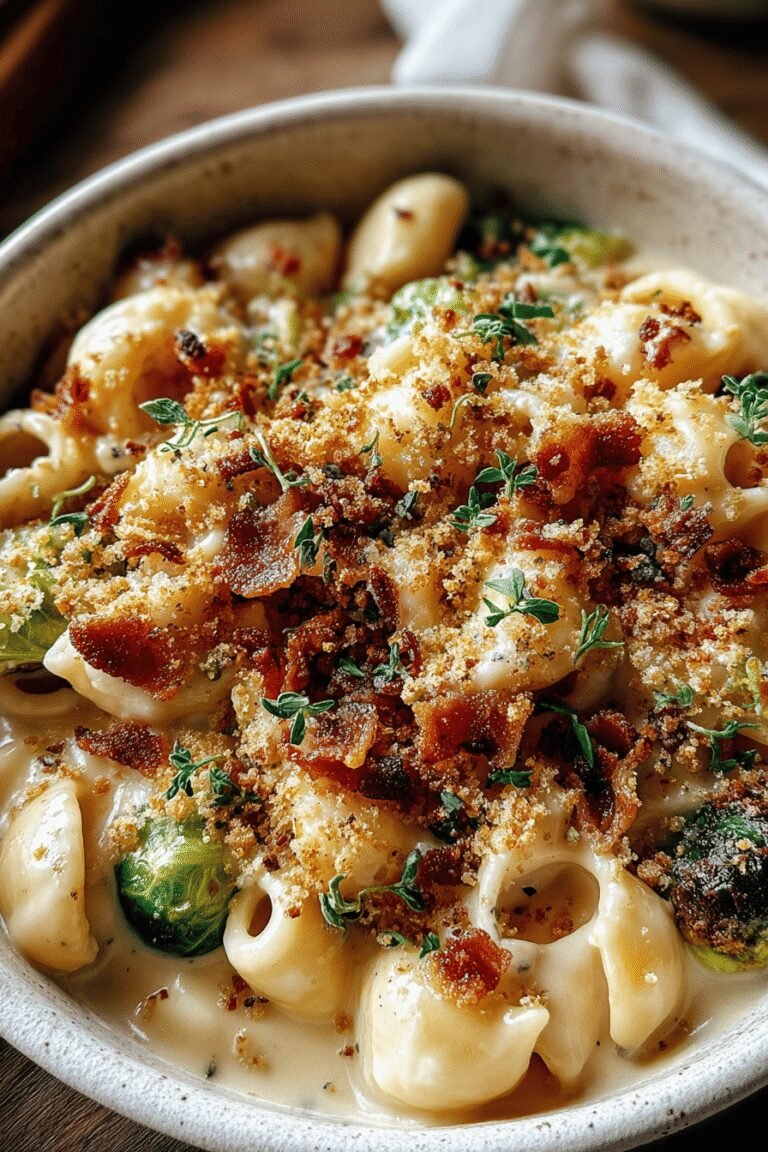
Mac And Cheese
🧀 Enjoy the rich and creamy texture of this classic homemade baked mac and cheese, made with a blend of cheddar and Gruyere cheeses for a flavorful twist.
🍽️ This comforting dish is perfect as a family favorite or a hearty side, delivering a delightful balance of creamy sauce and a crispy golden topping.
- Total Time: 40-45 minutes
- Yield: 6-8 servings
Ingredients
– 1 pound dried elbow pasta
– 1/2 cup unsalted butter
– 1/2 cup all-purpose flour
– 1 1/2 cups whole milk
– 2 1/2 cups half and half
– 4 cups shredded medium cheddar cheese (measured after shredding)
– 2 cups shredded Gruyere cheese (measured after shredding)
– 1/2 tablespoon salt
– 1/2 teaspoon black pepper
– 1/4 teaspoon smoked paprika
– Plant-based cheese and milk alternatives (almond or oat milk) for vegan substitution
– Coconut oil instead of butter for vegan substitution
– Gluten-free flour blend for gluten-free substitution
– Gluten-free pasta for gluten-free substitution
– Low-fat cheese for low-calorie substitution
– Low-fat milk for low-calorie substitution
– Reduced butter for low-calorie substitution
– Whole-wheat pasta for low-calorie substitution
Instructions
1-Cooking the Pasta: First, bring a large pot of salted water to a boil. Add the elbow macaroni and cook until al dente, which typically takes about 8-10 minutes. Stir occasionally to prevent sticking. Once done, drain the pasta thoroughly but do not rinse it this helps the sauce adhere better. Set the cooked pasta aside while you prepare the cheese sauce. If using gluten-free or alternative pasta varieties, adjust cooking times according to package instructions as they may vary.
2-Creating the Roux: In a medium saucepan over medium heat, melt the 1/2 cup of unsalted butter. Once fully melted and slightly frothy, gradually whisk in the 1/2 cup of all-purpose flour. Continue stirring to form a smooth paste (this is called a roux) and cook for approximately 2 minutes. This step is crucial as it eliminates the raw flour taste and helps create the desired thickening effect for your sauce.
3-Building the Creamy Base: With your roux ready, it’s time to gradually add the liquids. Slowly pour in the 1 1/2 cups of whole milk while whisking constantly to prevent lumps from forming. Once the milk is fully incorporated and the mixture begins to thicken, add the 2 1/2 cups of half and half, continuing to whisk. Maintain medium heat and cook for about 5-7 minutes, stirring frequently, until the sauce has thickened enough to coat the back of a spoon.
4-Incorporating the Cheese: Remove the saucepan from the heat before adding the cheese this prevents the cheese from becoming grainy. Gradually mix in the 4 cups of shredded medium cheddar cheese, stirring until it’s completely melted. Repeat this process with the 2 cups of shredded Gruyere cheese. The residual heat from the sauce is sufficient to melt the cheese properly. If you’re making a vegan variation, add your plant-based cheese substitutes in this step as well.
5-Seasoning and Combining: Once all the cheese has melted and the sauce is smooth, add your seasonings: 1/2 tablespoon salt, 1/2 teaspoon black pepper, and 1/4 teaspoon smoked paprika. Stir well to incorporate them evenly. Now, gently fold in the cooked pasta, ensuring each piece is thoroughly coated with the cheese sauce. If you prefer a spicy kick, this is the perfect time to add a pinch of cayenne pepper or additional paprika.
6-Baking to Perfection: Transfer the mac and cheese into a buttered baking dish, spreading it evenly. If you’d like an extra cheesy top, sprinkle additional shredded cheese over the surface. Bake in a preheated oven at 350°F (175°C) for about 15 minutes, or until the top is golden and the sauce is bubbly around the edges. For dairy-free versions, keep a close eye as they may require less baking time. Allow the baked mac and cheese to rest for a few minutes before serving to let the sauce set slightly.
Last Step:
Please leave a rating and comment letting us know how you liked this recipe! This helps our business to thrive and continue providing free, high-quality recipes for you.Notes
🧑🍳 Use freshly shredded cheese rather than pre-shredded for better melting and creaminess.
🍴 Stir the sauce constantly when making the roux to prevent lumps and burning.
❄️ This dish can be prepared in advance and baked just before serving to save time.
- Prep Time: 15 minutes
- Cook Time: 25-30 minutes
- Category: Main Dish
- Method: Baking
- Cuisine: American
- Diet: Vegetarian
Nutrition
- Serving Size: 1 cup
- Calories: 480
- Sugar: 4g
- Sodium: 450mg
- Fat: 28g
- Saturated Fat: 17g
- Unsaturated Fat: 10g
- Trans Fat: 0g
- Carbohydrates: 40g
- Fiber: 2g
- Protein: 18g
- Cholesterol: 85mg