

Why You’ll Love These Quick Pickled Vegetables
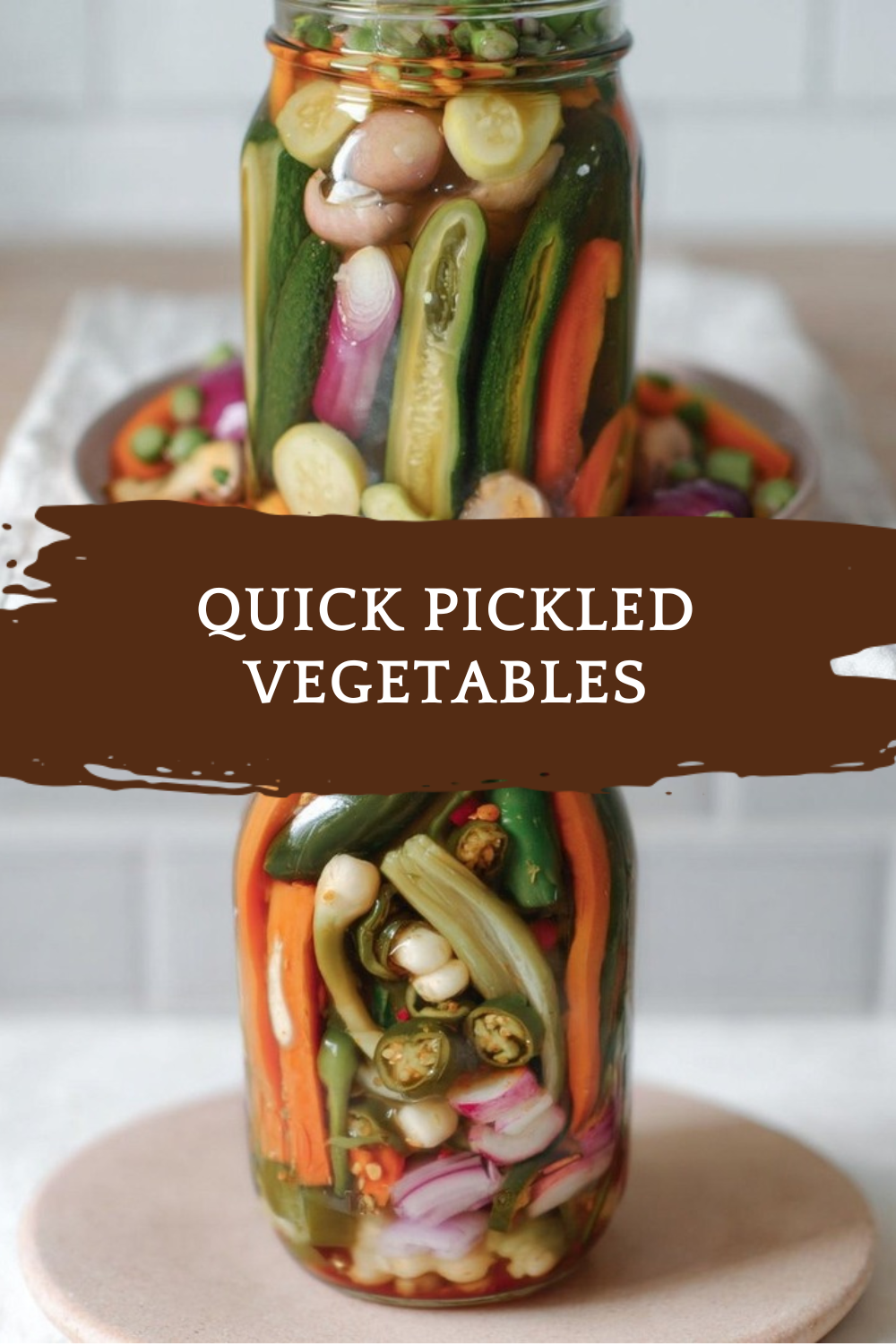
If you have a jar, a cutting board, and a few fresh vegetables, Quick Pickled Vegetables can be on your table in no time. This refrigerator pickle recipe is one of those simple kitchen wins that makes busy weeknights feel a little easier and meals taste a lot brighter.
- Fast and easy preparation: These quick pickled vegetables come together with a short prep time and a simple brine. No canning setup is needed, and you can use whatever crisp vegetables you already have in the fridge.
- Great for better everyday eating: Fresh vegetables like cucumber, carrots, cauliflower, radishes, and green beans add color, crunch, and a fresh bite. The brine keeps things light while still giving you plenty of flavor.
- Fits many eating styles: This recipe works well for vegan, gluten-free, and low-calorie meals. You can also adjust the herbs and spices to match your taste or what you have on hand.
- Bold, tangy flavor: The mix of white distilled vinegar, rice vinegar or apple cider vinegar, sea salt, sugar, peppercorns, and mustard seeds gives these quick pickled vegetables a punchy flavor that wakes up sandwiches, grain bowls, tacos, and salads.
For home cooks, students, and working professionals, this recipe is a smart way to use leftover vegetables before they soften. For party hosts, it is also a simple make-ahead side that brings crunch to a snack board. I have always loved how these simple pickled veggies brighten up any meal, just like that time I mixed in some spicy jalapenos and had the whole family asking for seconds.
Fresh, tangy, and ready fast, these refrigerator pickles are the kind of recipe you will want to keep on repeat.
For more smart ways to pair bold flavors with everyday meals, you might also enjoy these sheet pan steak fajitas or this chicken adobo recipe.
According to the health discussion at Vinmec’s guide to pickled cucumbers, pickled vegetables can be a flavorful part of a balanced meal when enjoyed in sensible portions.
Essential Ingredients for Quick Pickled Vegetables
This Quick Pickled Vegetables recipe uses a short list of simple ingredients, but each one matters. The vegetables bring crunch, the brine brings tang, and the spices add depth. You can mix and match your produce depending on what is fresh, affordable, and already sitting in your kitchen.
Main Ingredients
- 3 to 4 cups chopped or sliced fresh vegetables such as red onion, cauliflower, carrots, jalapenos, cucumber, radishes, beets, green beans, or asparagus – This is the main body of the recipe and gives you room to use what you like best.
- 1 medium carrot – Adds sweetness and crunch.
- 1/4 head cauliflower – Holds up well in the brine and gives a firm bite.
- 1/2 large red onion – Brings sharp flavor and lovely color.
- 1 medium pickling cucumber – A classic choice with a crisp, refreshing texture.
- 3 to 4 jalapenos – Add heat for anyone who likes a little kick.
- 2 to 3 cloves garlic – Adds a savory layer that makes the brine taste fuller.
- 1 cup white distilled vinegar – Provides the strong tang that quick pickles need.
- 1/4 cup rice vinegar or apple cider vinegar – Softens the sharpness and adds a lighter flavor note.
- 1 1/4 cups water – Balances the brine so the vinegar does not overpower the vegetables.
- 2 teaspoons sea salt – Helps season the brine and pull flavor into the vegetables.
- 1 tablespoon sugar – Rounds out the acidity and keeps the flavor balanced.
- 2 teaspoons whole black peppercorns – Add gentle heat and aromatic spice.
- 2 teaspoons mustard seeds – Bring a classic pickle flavor with a mild bite.
Optional herbs and spices
- Fresh cilantro or dried cilantro – Adds a fresh, herbal note.
- Dill – Great for a classic pickle taste.
- Rosemary – Works well with carrots, onions, and cauliflower.
- Red pepper flakes – Perfect if you want extra heat.
- Paprika – Adds color and a gentle smoky flavor.
- Ground turmeric – Gives warmth and a golden tint.
- Fresh turmeric – Brings earthy color and flavor.
- Ginger root – Adds a bright, zesty kick that works nicely with cucumber and carrot.
Special dietary options
- Vegan: The recipe is naturally vegan as written.
- Gluten-free: All listed ingredients are naturally gluten-free, as long as your spices are packaged in a gluten-free facility if needed.
- Low-calorie: Use more vegetables and a little less sugar if you want a lighter version.
| Ingredient | What it does | Easy swap |
|---|---|---|
| White distilled vinegar | Provides sharp, clean acidity | Apple cider vinegar or rice vinegar |
| Sea salt | Seasoning and flavor balance | Kosher salt in the same general amount |
| Sugar | Softens the vinegar edge | Honey or maple syrup in a small amount |
| Mustard seeds | Classic pickle flavor | Coriander seeds if you prefer a lighter spice note |
How to Prepare the Perfect Quick Pickled Vegetables: Step-by-Step Guide
Making Quick Pickled Vegetables is really about simple prep and a hot brine. Once you do it once, it becomes one of those recipes you can make from memory. This method works well for busy parents, students, travelers, and anyone who wants something fresh in the fridge without much effort.
First Step: Wash, trim, and cut the vegetables
Start with 3 to 4 cups of fresh vegetables. Wash them well, then trim off any tough ends or bruised spots. Slice or chop them based on the vegetable you chose.
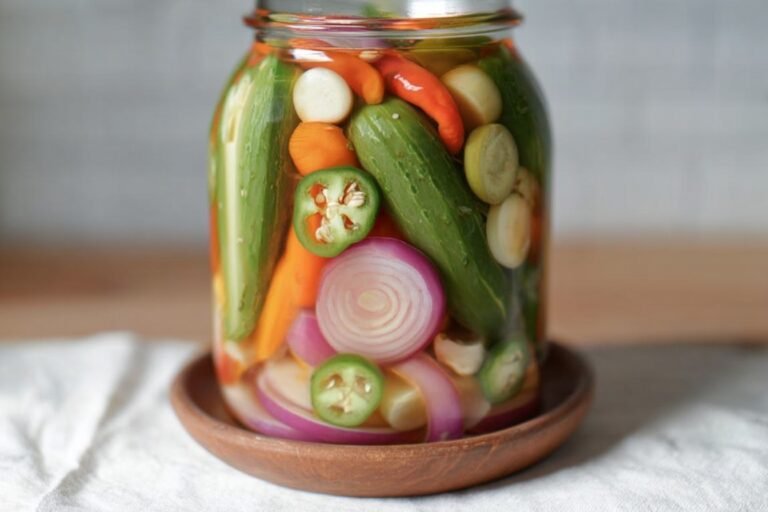
For a faster pickle, cut carrots into thin coins or matchsticks, slice cucumbers into rounds or spears, cut red onion into thin half-moons, and separate cauliflower into small florets. Jalapenos can be sliced into rings, radishes into thin rounds, and green beans can stay whole if they are young and tender. If you use beets, cut them into thin slices or small batons so they soften more evenly.
For denser vegetables like cauliflower and green beans, a quick blanch for 1 to 2 minutes can help them absorb the brine a little faster, though it is not required. Pat everything dry so the brine stays clear.
Second Step: Pack the vegetables into clean jars
Use one large jar or two smaller jars, depending on how much you are making. Pack the vegetables in loosely so the brine can flow around every piece. Do not press them down too tightly, or they may soften unevenly.
Add the garlic cloves, peppercorns, mustard seeds, and any herbs or spices you want to use. If you love a brighter flavor, cilantro and dill work nicely. If you want more warmth, try turmeric or ginger. For a spicy version, add red pepper flakes or extra jalapenos.
Leave a little space at the top of the jar so the brine can cover everything fully. This helps the quick pickled vegetables stay crisp and flavorful.
Third Step: Make the brine
In a small saucepan, combine the 1 cup white distilled vinegar, 1/4 cup rice vinegar or apple cider vinegar, 1 1/4 cups water, 2 teaspoons sea salt, and 1 tablespoon sugar. Warm the mixture over medium heat, stirring just until the salt and sugar dissolve.
You do not need to boil it hard. Gentle heat is enough. The goal is to blend the brine so it tastes smooth and balanced. If you like a stronger vinegar bite, use the brine as is. If you want a softer flavor, choose rice vinegar or apple cider vinegar for part of the liquid.
The brine should taste bold but not harsh. If it is pleasant to sip, it will taste great on the vegetables.
Fourth Step: Pour the hot brine over the vegetables
Carefully pour the hot brine over the vegetables in the jar. Make sure everything is fully covered. Use a clean spoon or chopstick to gently move the vegetables around and release any air bubbles. This helps the brine reach all the little spaces between the slices and florets.
If needed, add a little more water and vinegar in the same general ratio to cover the vegetables completely. The brine should sit just above the top layer of vegetables.
Fifth Step: Cool, seal, and chill
Let the jar sit at room temperature until it cools, usually about 30 to 45 minutes. Once the jar is no longer hot, seal it with a lid and place it in the refrigerator. The flavors begin working quickly, but the vegetables taste best after a little time in the fridge.
Thin cucumber slices and onion may be ready in as little as 2 hours. Thicker carrot pieces, cauliflower, or green beans usually need overnight chilling for the best texture and flavor.
Final Step: Taste and serve
After chilling, taste a piece and see if you want more salt, spice, or sweetness next time. You can serve these quick pickled vegetables straight from the jar or drain them lightly before adding them to dishes. They are wonderful on burgers, rice bowls, tacos, roasted meats, sandwiches, and even alongside a simple lunch salad.
They also make a nice side for comfort food dinners. If you are serving a rich casserole such as brussels sprout casserole or a cozy bowl from this creamy lasagna soup, the tangy crunch can balance the meal beautifully.

Dietary Substitutions to Customize Your Quick Pickled Vegetables
Protein and Main Component Alternatives
Since this recipe is plant-based, the main ingredient is really the vegetable mix. That makes it easy to swap in whatever is in season or available at the market. If you do not have cucumbers, use carrots, cauliflower, onion, radishes, or green beans. Asparagus also works well when trimmed and sliced into short spears.
If you want more texture, mix soft and firm vegetables together. For example, use cucumber with onion, or carrots with cauliflower. If you prefer more color, beets and red onion make a beautiful pair.
Vegetable, Sauce, and Seasoning Modifications
You can adjust the brine to fit your taste. Use apple cider vinegar for a softer, fruitier flavor or rice vinegar for a milder, slightly sweet taste. If you want less sweetness, reduce the sugar to 2 teaspoons. If you like more bite, add a few extra peppercorns or jalapenos.
For seasoning, dill gives a classic pickle feel, cilantro adds freshness, and rosemary brings a more savory note. Ginger root and turmeric create a warmer flavor that works nicely with carrots and cauliflower. Red pepper flakes and paprika are good choices when you want color and heat. If you are watching sodium, you can slightly reduce the sea salt, but keep enough to maintain flavor and balance.
Mastering Quick Pickled Vegetables: Advanced Tips and Variations
Once you have the basic method down, Quick Pickled Vegetables become one of the easiest recipes to play with. Small changes in cutting style, brine mix, or seasoning can give you a whole new flavor.
Pro cooking techniques
Slice vegetables evenly so they pickle at the same pace. Thin slices are ready faster, while thicker cuts need more time. If you are using cauliflower or beets, a short blanch can help them soften just enough without turning mushy. Always use fresh, firm produce for the best crunch.
For cleaner flavor, use a nonreactive pot and a clean jar. If you want brighter color, add turmeric or red onion. If you want a stronger aroma, lightly crush the peppercorns before adding them to the jar.
Flavor variations
Try a dill and garlic version for a classic deli-style flavor. For a spicy version, add jalapenos, red pepper flakes, and a little paprika. For a fresh version, use cilantro with cucumber and carrot. For something earthy, add rosemary, ginger, and turmeric with cauliflower and onions.
Presentation tips
Serve the vegetables in a small bowl with a few fresh herbs on top. They also look great in mason jars on a buffet table. Their color makes them especially pretty beside grilled foods, grain bowls, and sandwiches.
Make-ahead options
You can prepare the vegetables the night before and store them in the brine overnight. In fact, the flavor often gets better after a day in the fridge. This makes them a smart choice for meal prep and party planning. Make a double batch if you know your household likes crunchy sides and quick snack options.
How to Store Quick Pickled Vegetables: Best Practices
Proper storage helps your Quick Pickled Vegetables stay crisp and tasty. Since this is a refrigerator pickle recipe, the fridge does all the work.
Refrigeration
Store the pickled vegetables in airtight glass jars in the refrigerator. Keep them fully submerged in brine and use a clean utensil each time you serve them. They are usually best within 2 to 4 weeks, though the flavor can stay pleasant a bit beyond that if the vegetables remain firm and the brine stays clean.
Freezing
Freezing is not the best choice for texture, since the vegetables can turn soft after thawing. If you really need to freeze them, expect a much softer result. Most people find the crisp texture is better when these are kept in the fridge only.
Reheating
These quick pickled vegetables are meant to be eaten cold or at room temperature, so reheating is not needed. If they have been in the fridge for a while, simply let them sit out for a few minutes before serving.
Meal prep considerations
For meal prep, divide the vegetables into smaller jars so you open only what you need. This cuts down on air exposure and helps them stay fresh longer. They are great for lunch boxes, quick dinners, and snack boards.
Refrigerator pickles are one of the easiest ways to keep a crisp, flavorful side ready for the week.
FAQs: Frequently Asked Questions About Quick Pickled Vegetables
What are quick pickled vegetables and how do they differ from canned pickles?
What vinegar is best for quick pickling vegetables?
Do I have to include sugar in pickle brine for quick pickled vegetables?
How long do quick pickled vegetables last in the fridge?
What vegetables are best for quick pickling and how should I prepare them?
Quick Pickled Vegetables
🥒 Whip up crunchy quick pickled vegetables in minutes – probiotic-rich gut health booster!
🌶️ Customizable low-cal crunch for tacos, salads, or bowls – no canning required.
- Total Time: 45 minutes
- Yield: 12 servings
Ingredients
– 3 to 4 cups chopped or sliced fresh vegetables such as red onion, cauliflower, carrots, jalapenos, cucumber, radishes, beets, green beans, or asparagus for the main body of the recipe
– 1 medium carrot for sweetness and crunch
– 1/4 head cauliflower for holding up well in the brine and firm bite
– 1/2 large red onion for sharp flavor and lovely color
– 1 medium pickling cucumber for classic choice with crisp, refreshing texture
– 3 to 4 jalapenos for heat
– 2 to 3 cloves garlic for savory layer
– 1 cup white distilled vinegar for strong tang
– 1/4 cup rice vinegar or apple cider vinegar for softening sharpness and lighter flavor note
– 1 1/4 cups water for balancing the brine
– 2 teaspoons sea salt for seasoning the brine and pulling flavor into the vegetables
– 1 tablespoon sugar for rounding out acidity and balanced flavor
– 2 teaspoons whole black peppercorns for gentle heat and aromatic spice
– 2 teaspoons mustard seeds for classic pickle flavor with mild bite
– Fresh cilantro or dried cilantro for fresh, herbal note
– Dill for classic pickle taste
– Rosemary for use with carrots, onions, and cauliflower
– Red pepper flakes for extra heat
– Paprika for color and gentle smoky flavor
– Ground turmeric for warmth and golden tint
– Fresh turmeric for earthy color and flavor
– Ginger root for bright, zesty kick with cucumber and carrot
Instructions
1-First Step: Wash, trim, and cut the vegetables Start with 3 to 4 cups of fresh vegetables. Wash them well, then trim off any tough ends or bruised spots. Slice or chop them based on the vegetable you chose. For a faster pickle, cut carrots into thin coins or matchsticks, slice cucumbers into rounds or spears, cut red onion into thin half-moons, and separate cauliflower into small florets. Jalapenos can be sliced into rings, radishes into thin rounds, and green beans can stay whole if they are young and tender. If you use beets, cut them into thin slices or small batons so they soften more evenly. For denser vegetables like cauliflower and green beans, a quick blanch for 1 to 2 minutes can help them absorb the brine a little faster, though it is not required. Pat everything dry so the brine stays clear.
2-Second Step: Pack the vegetables into clean jars Use one large jar or two smaller jars, depending on how much you are making. Pack the vegetables in loosely so the brine can flow around every piece. Do not press them down too tightly, or they may soften unevenly. Add the garlic cloves, peppercorns, mustard seeds, and any herbs or spices you want to use. If you love a brighter flavor, cilantro and dill work nicely. If you want more warmth, try turmeric or ginger. For a spicy version, add red pepper flakes or extra jalapenos. Leave a little space at the top of the jar so the brine can cover everything fully. This helps the quick pickled vegetables stay crisp and flavorful.
3-Third Step: Make the brine In a small saucepan, combine the 1 cup white distilled vinegar, 1/4 cup rice vinegar or apple cider vinegar, 1 1/4 cups water, 2 teaspoons sea salt, and 1 tablespoon sugar. Warm the mixture over medium heat, stirring just until the salt and sugar dissolve. You do not need to boil it hard. Gentle heat is enough. The goal is to blend the brine so it tastes smooth and balanced. If you like a stronger vinegar bite, use the brine as is. If you want a softer flavor, choose rice vinegar or apple cider vinegar for part of the liquid. The brine should taste bold but not harsh. If it is pleasant to sip, it will taste great on the vegetables.
4-Fourth Step: Pour the hot brine over the vegetables Carefully pour the hot brine over the vegetables in the jar. Make sure everything is fully covered. Use a clean spoon or chopstick to gently move the vegetables around and release any air bubbles. This helps the brine reach all the little spaces between the slices and florets. If needed, add a little more water and vinegar in the same general ratio to cover the vegetables completely. The brine should sit just above the top layer of vegetables.
5-Fifth Step: Cool, seal, and chill Let the jar sit at room temperature until it cools, usually about 30 to 45 minutes. Once the jar is no longer hot, seal it with a lid and place it in the refrigerator. The flavors begin working quickly, but the vegetables taste best after a little time in the fridge. Thin cucumber slices and onion may be ready in as little as 2 hours. Thicker carrot pieces, cauliflower, or green beans usually need overnight chilling for the best texture and flavor.
6-Final Step: Taste and serve After chilling, taste a piece and see if you want more salt, spice, or sweetness next time. You can serve these quick pickled vegetables straight from the jar or drain them lightly before adding them to dishes. They are wonderful on burgers, rice bowls, tacos, roasted meats, sandwiches, and even alongside a simple lunch salad. They also make a nice side for comfort food dinners. If you are serving a rich casserole such as brussels sprout casserole or a cozy bowl from this creamy lasagna soup, the tangy crunch can balance the meal beautifully.
Last Step:
Please leave a rating and comment letting us know how you liked this recipe! This helps our business to thrive and continue providing free, high-quality recipes for you.Notes
🥒 Use a mandoline for ultra-thin slices to pickle faster and stay crunchier.
🔥 Customize heat with more jalapeños or add red pepper flakes for spice.
❄️ Store in fridge up to 3 weeks; flavors intensify over time.
- Prep Time: 10 minutes
- Chill: 30 minutes
- Cook Time: 5 minutes
- Category: Condiment
- Method: Quick Pickling
- Cuisine: Versatile
- Diet: Vegan, Gluten-Free, Low-Calorie
Nutrition
- Serving Size: ¼ cup
- Calories: 15 kcal
- Sugar: 2g
- Sodium: 250mg
- Fat: 0g
- Saturated Fat: 0g
- Unsaturated Fat: 0g
- Trans Fat: 0g
- Carbohydrates: 3g
- Fiber: 1g
- Protein: 0.5g
- Cholesterol: 0mg